Useful articles about dogs
How to train a dog to wear clothes 

Breeders of toy dogs often face the question of whether to dress their pets in clothing. Small breeds such as Miniature Pinscher and Toy Terrier are currently very popular. These dogs have smooth coats, making them more susceptible to the adverse effects of cold climates. To protect their pets' lives and health, breeders have addressed this issue by providing outerwear and footwear. Some owners believe that today's city streets are treated with various chemicals to combat icy conditions, which can adversely affect the skin on their pets' paws. A dog's cleanliness after a walk outdoors in inclement weather can also be noticed.Read more
Dog breeds for seniors in apartments and private homes
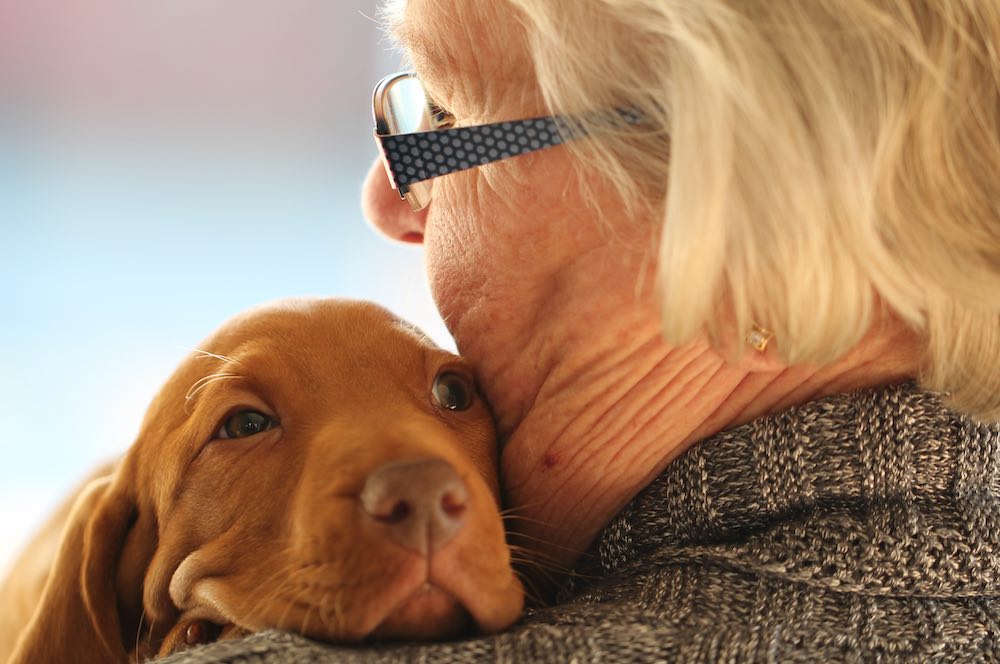
Retirement-aged people have their own unique characteristics. They tend to be more demanding of the conditions and external factors of their environment, are more likely to have health problems, and require the care of others. Therefore, acquiring a furry, toothy friend isn't always justified, as it entails certain hassles and difficulties. However, many need a loyal four-legged companion, while others need a companion for walks or a guard dog. Acquiring a dog comes with additional responsibilities for an elderly person, as buying a dog means taking on a certain amount of responsibility. However, many take this step consciously and don't regret it. In our article, we'll look at dog breeds that are worth considering for retirement-aged people. Should an elderly person get a dog for an apartment? When choosing a dog breed, it's important to consider the pet's temperament, size, and the purpose for which it was bred. In our case, it's worth considering calm, even-tempered, less physically active, and easy-to-care-for pets.Read more
Should you have a dog in your apartment? Pros and cons

Dogs are one of the most popular pets. But unlike cats, dogs require regular walks. They also have other characteristics that you should consider before making a final decision. What you need to know before getting a dog: Like people, all four-legged friends have different personalities. Every dog also requires feeding, grooming, treatment when sick, and at least some training.Read more
How to teach a dog the "Heel" command
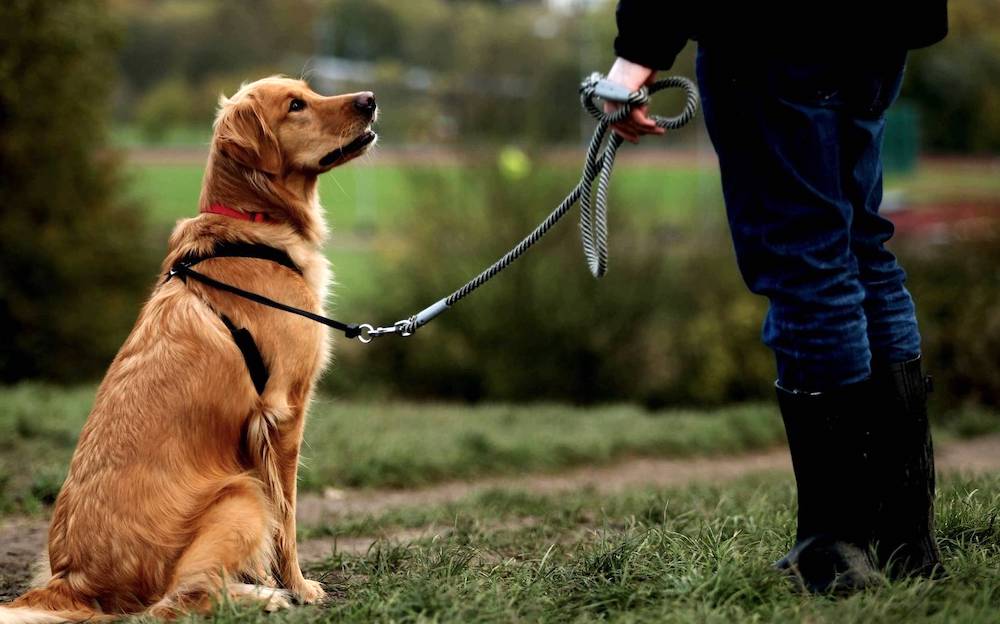
Almost every breeder and dog owner wants to teach their pet basic commands. A sign of trust, devotion, and visible obedience is the "Heel" command. But no matter how much we want to rush the process, teaching a four-legged friend to hear and obey requests is only possible from a certain age. Puppies under 7-8 months are not psychologically and emotionally ready to properly perceive a command. For young children, any request is associated with mischief and a fun game. Therefore, you shouldn't expect a puppy to respond adequately and appropriately to a call to action. Moreover, experienced dog breeders believe that "Heel" is not a basic command. First, the animal must learn to respond to its name, return to your leg, and become accustomed to a leash. All of these are signs of obedience. Once you've tamed your pet's character, you can try more complex commands, such as "Heel," "Sit," Read more
How to teach a dog to fetch a toy, slippers, and joy
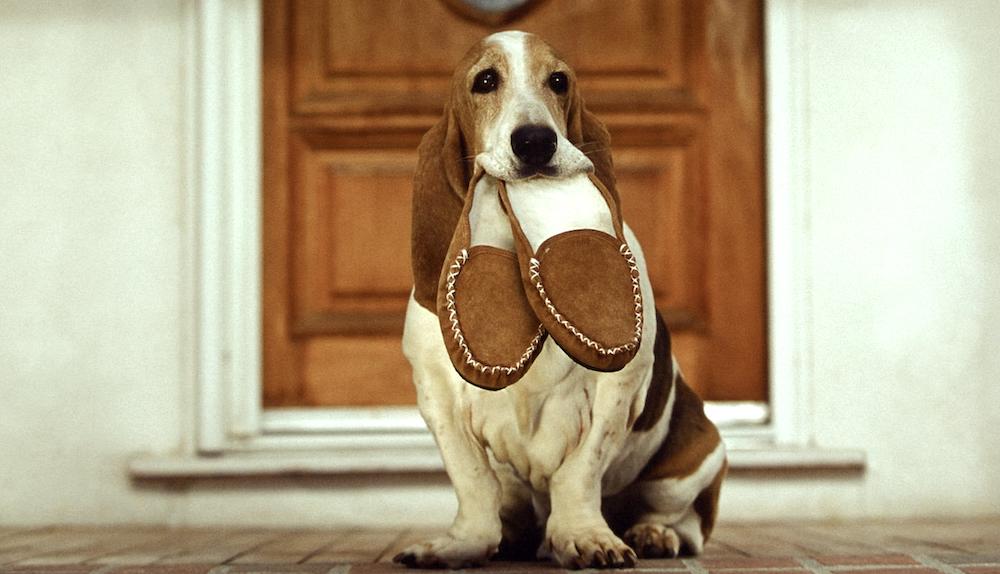
A pet is more than just love and positivity. Owners often enjoy playing with their pets when they're young, but a completely different "relationship" develops as the dog matures. Every dog owner wants their dog to be obedient, smart, and diligent. Large and small, plush and smooth-coated, kind and feisty—all require not only basic care, feeding, and walking, but also training. Training is training. A trained dog has learned to follow commands, responds obediently to them, and responds appropriately to requests, regardless of mood or instincts. Surely you want such a four-legged friend too? One of the basic commands a dog must obey is "fetch." This code name means "bring." The ability to find a thrown object and retrieve it for its owner is highly valued. On the one hand, this combination is a playful activity, on the other, it's an important task for service and hunting dog breeds. Training and execution depend on the dog's temperament, the owner's skills, and even more so on the relationship between the dog and the trainer. When can a puppy be taught the fetch command? It's recommended to begin training the fetch command at 7-8 months of age. Some trainers continue working with dogs after a year or more. In both cases, the key requirements are the dog's knowledge of the basic commands "Come," "Heel," and "Sit."Read more