Dogs are one of the most popular pets. But unlike cats, dogs require regular walks. They also have other characteristics to consider before making a final decision.
Content
What you need to know before getting a dog
Just like people, all four-legged friends have different personalities. Every dog also requires feeding, care, treatment when sick, and at least some training.
Before you decide to get a dog for the first time, you need to be prepared for several nuances:
- The dog requires money. There will be expenses for food, vitamins, vaccinations, and more.
- A dog requires time. It's not a toy, but a new member of the family.
- If you're getting a small puppy (which is most often the case), it will require special attention. It's possible the dog will be mischievous, chew furniture, and ask to go outside at times you're not ready. You'll likely have to lose sleep for a while and regularly clean up after your pet. It'll be better for everyone if you're more forgiving of its mischief and damaged furniture. Incidentally, it's best to get a puppy no earlier than 1.5 to 2 months old—it's undesirable to separate it from its mother at a younger age.
- A dog will require certain habits from you - for example, you will have to put many things away in a closet, and also regularly monitor the availability of food, cook soups and porridge for it, and wash the dog's paws after a walk.
- Having a dog requires regular walks at least twice a day.
- You need to train your pet—at least minimally—so it can understand and follow simple commands. If you use a whip on your dog, you risk ending up with a frightened or angry, completely uncontrollable animal.
- Dogs shed periodically and emit a distinctive odor, some breeds quite strongly. You may be allergic to dog hair. It's also possible that you'll simply feel physically uncomfortable in the room. If you don't want to risk it, choose breeds that are virtually odorless.
Before getting a dog, it is advisable to inquire about the health of its parents in advance.
Is it worth getting a dog if you work?
We've already established that owning a dog requires time, but working people often have limited time. And there's no escaping daily walks, not to mention other essential grooming procedures. Therefore, it's a good idea to realistically assess your capabilities in advance. Perhaps you work, but have a family member willing to provide backup for you and your pet. If not, choose dogs that don't get too homesick when away from their owners and don't require long walks.
For a working person, a dog will also be an excellent “living alarm clock” and a guarantee that he will never oversleep for work.

The pros and cons of keeping a dog in an apartment
Having a dog in an apartment has its advantages:
- It has a positive impact on your health. You'll need to walk your pet, which requires physical activity and can even be an alternative to fitness. In many cases, owning a dog improves sleep, helps cope with depression, and increases life expectancy. And in children, dogs boost immunity.
- A dog develops responsibility; it is good for a person to take care of someone.
- Some dog breeds will help you feel safe because they will perform guard functions.
- A dog is a wonderful companion, a faithful and devoted friend.
A four-legged friend gives positive emotions and relieves loneliness - its benefits are invaluable.
Cons:
- A dog takes up time - walking and preparing food, walking and grooming, training and socialization.
- Caring for a dog requires a financial investment—not everyone is prepared for that. Generally, the more expensive the breed, the greater the expense.
- You'll have a number of restrictions—for example, renting an apartment with a dog will be difficult. You'll also have to figure out who will care for the pet if you go away or get sick. Your schedule will need to be adjusted to accommodate your pet.
- The dog sheds and its paws often get dirty, which means you need to be prepared for constant cleaning of the house.
- Pets require patience, as they will not always behave perfectly obediently.
- You will be responsible for your dog - both for its physical condition and for any damage it may cause to other people (scratching someone else's car, biting someone, etc.).
What breeds are not recommended for apartment living?
There are several breeds that are not recommended for apartment living:
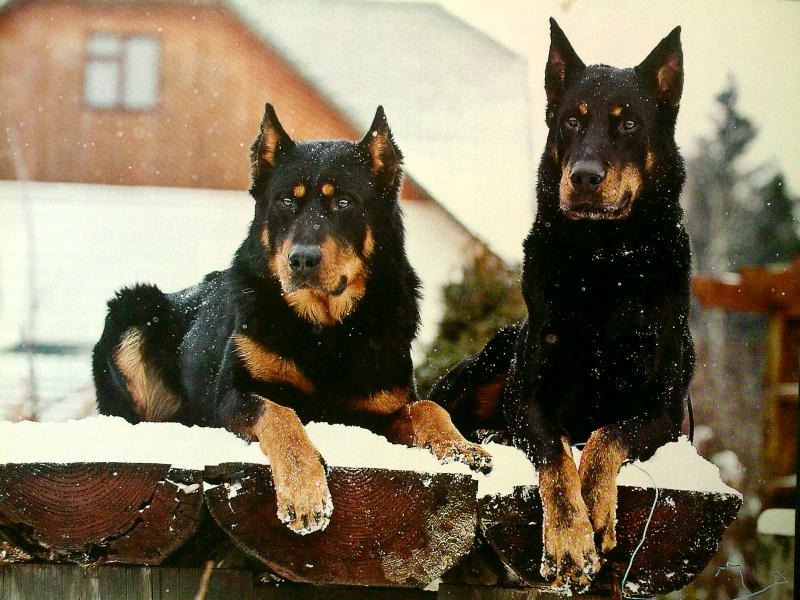
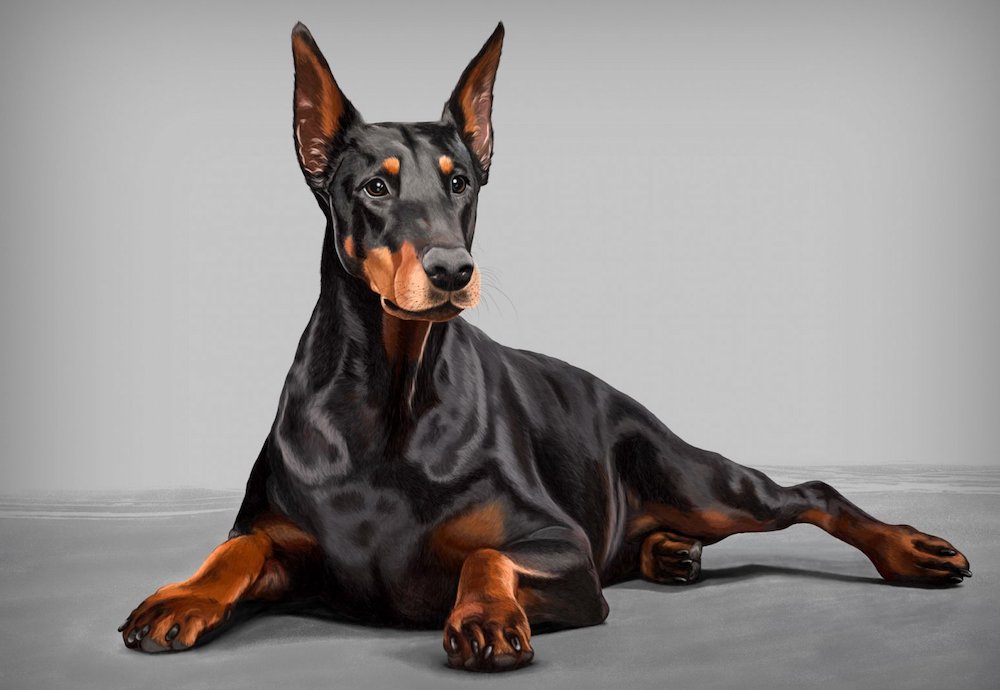
- Doberman and other guard breeds - they can be aggressive and unbalanced, dangerous for adults and especially for children;
- Alabai—such large dogs require spacious enclosures. Like the Doberman, they can be difficult to manage and unpredictable, and have a complex personality;
- German Shepherd - despite its intelligence, this dog is not well suited for an apartment, as it requires regular exercise, training and long walks;
- The Rottweiler is a hardy dog that requires a cage and intensive training, but in the conditions of an ordinary city apartment it can chew on furniture;
- Jack Russell Terrier is a small but hyperactive dog, also temperamental and arrogant, requiring long walks;
- A St. Bernard is a giant dog that will feel uncomfortable in an apartment, even due to its size. It also doesn't tolerate heat well, and its long coat and excessive salivation make cleaning a hassle.
- The Bullmastiff is another powerful guard dog that requires a large territory. It is unbalanced, aggressive, and difficult to manage.
This is by no means a complete list of dogs that are not recommended for apartment living. It's best to avoid large breeds, as well as hyperactive, overly aggressive, prone to excessive shedding, allergic, or requiring long walks.
Should I get a husky?
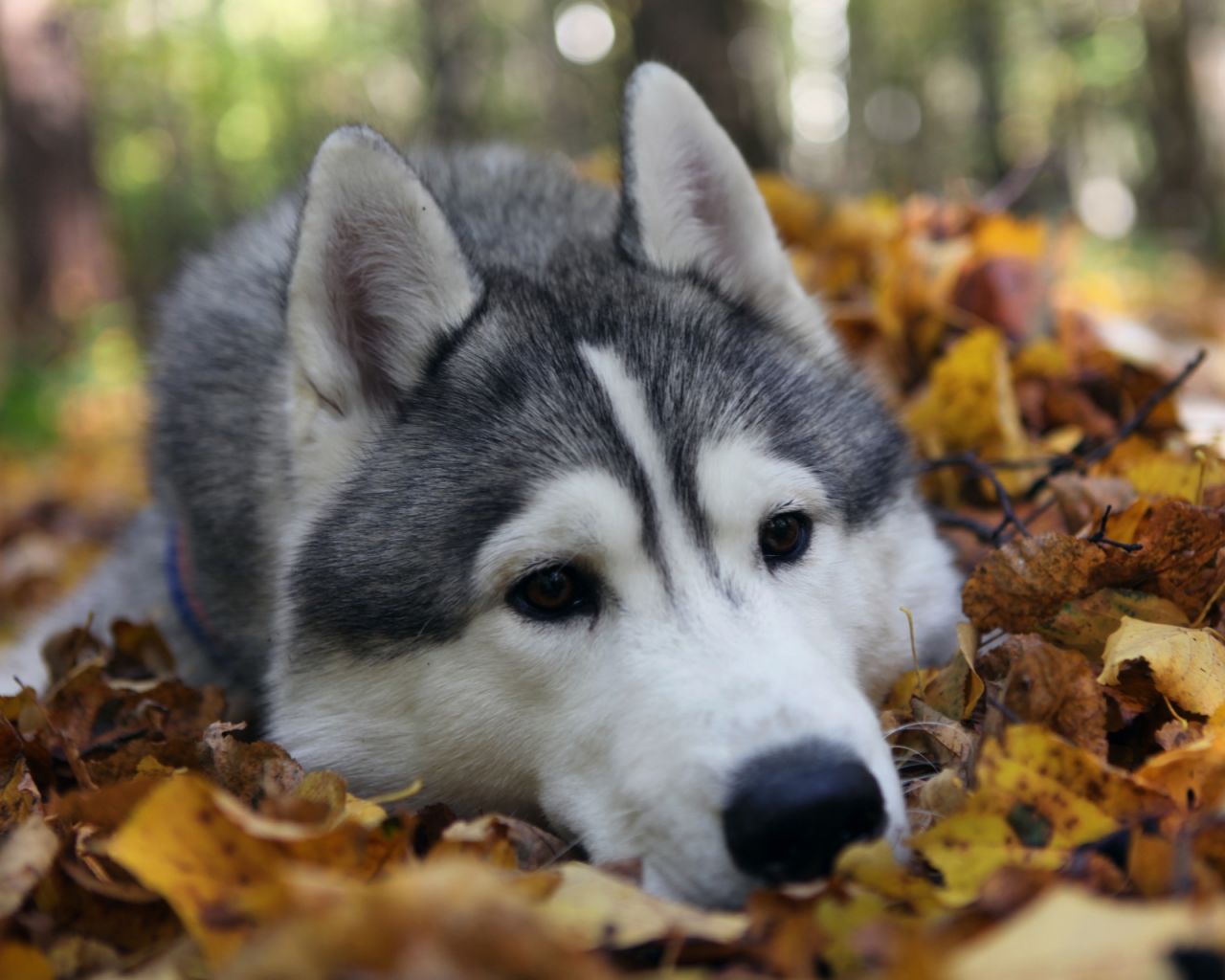
Huskies have their advantages for apartment living—for example, they're not too big, they're hypoallergenic, and their coats are self-cleaning. Huskies are clean and attached to their owners. But the disadvantages outweigh them.
Firstly, these dogs have rather short but thick fur with an undercoat, which means problems during shedding 1-2 times a year (depending on the sex of the dog).
Secondly, huskies are a freedom-loving breed accustomed to living in the Taiga, but in an apartment they might chew on furniture. This isn't out of spite—huskies simply don't tolerate loneliness well. This can lead to the pet simply deciding to run away.
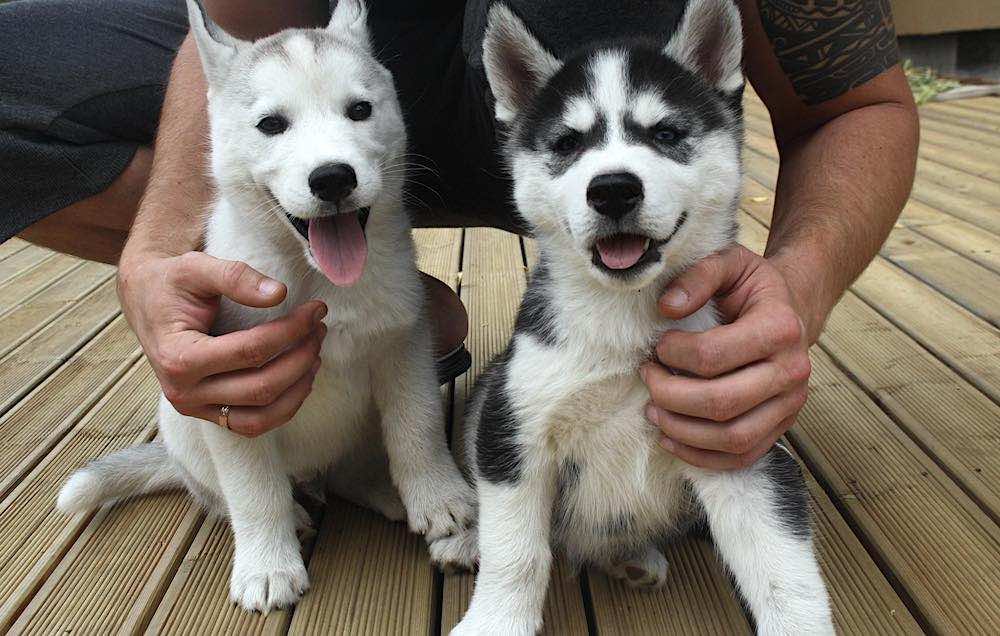
Thirdly, huskies are not meant to be human companions – they have communication problems, and training a dog of this breed is unlikely to be successful.
What breeds do well in an apartment?
There are many dogs that thrive in the typical city apartment. These include American or French bulldogs, Chihuahuas, Pomeranians, dachshunds, Yorkshire terriers, pugs, poodles, and cocker spaniels. These breeds thrive within four walls, are not prone to chewing furniture or damaging property, shed virtually nothing and are odorless, don't require long walks, and tolerate a few hours alone. They can become reliable and loyal companions who will eagerly await their owner's return from work each evening.

Keeping a dog: how and when to start training
An important part of owning a dog is its training. The ideal pets for human companionship are those that are easily trained. As we all know, dogs are highly trainable. Even if you've adopted a non-pedigree dog and don't expect anything special from it, at least some basic training and education are essential. There are numerous examples of owners who spoil a naturally intelligent and obedient dog—for example, by taking it to bed with them, training it to leave the table, or failing to stop it from stealing or barking without cause. And in the case of large fighting breeds, a lack of training can have fatal consequences for both you and those around you.
Read also: 4 Commands Every Dog Should Know.
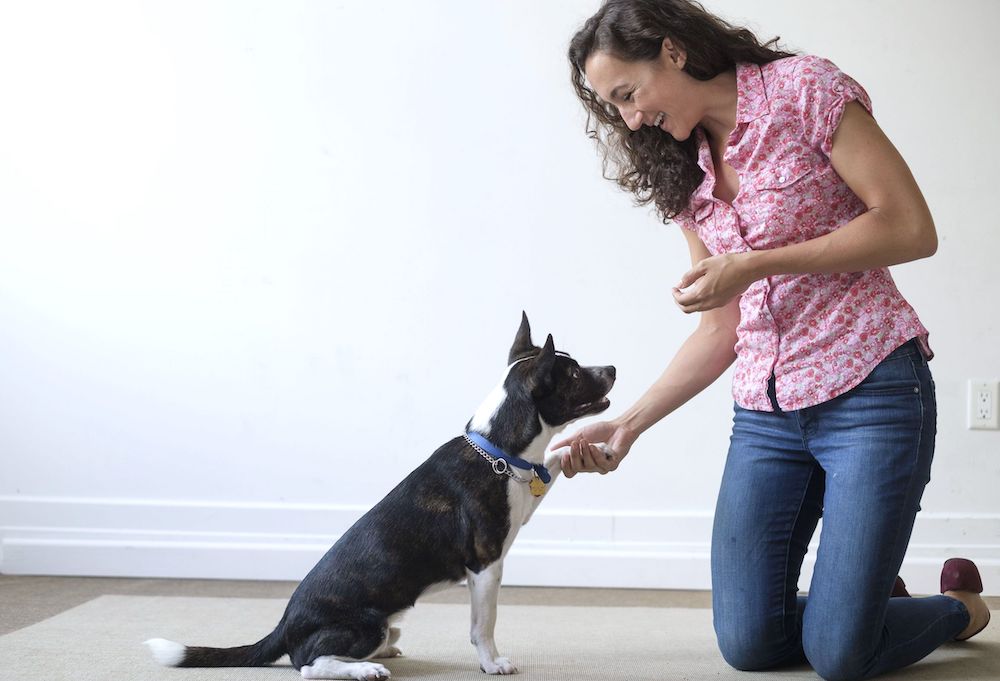
The optimal age for training most dogs is 7-8 months. At this age, dogs are still highly receptive to any training, but they are also no longer infancy and capable of understanding commands. Don't entrust training to children. Dogs should be trained by an adult—an owner whom the dog trusts, isn't afraid of, and respects.
When training, it's important to strike a balance between the carrot and the stick—don't intimidate your dog, reward him with words and treats, but at the same time, be firm when necessary to ensure strict adherence to commands (and not just depending on your mood). You can entrust this process to professionals if you prefer, but it's not necessary—anyone can handle it and teach a dog simple commands and basic household rules. The main thing to remember is that the person, not the puppy, is the most important person in the apartment, no matter how cute and sweet they may be.
Brief conclusions
Dogs are intelligent animals that can make excellent companions or guard dogs. Not all dogs are suitable for apartment living, but the list of suitable breeds is quite extensive. However, you must be prepared to invest time, energy, and money in a pet, be responsible for it, train it, and care for it. If you've carefully assessed your options and decided to get a dog, choose the right breed, and may it become a loyal and devoted companion.