One dog in the house is good, but two... even better? Or would it be a disaster? Dogs can become friends or enemies—their relationship will depend on many factors. But when deciding to become the owner of a second pet, a person should be guided not by emotions, but by common sense.
There's nothing strange or wrong with wanting another dog (and sometimes circumstances dictate that the choice is limited). However, you need to be realistic about your abilities: you'll need a balanced approach to training them. For example, both animals may tease each other through play or barking; managing even one dog can be challenging for their owner, and with two, the task may seem downright impossible.
In this article, we'll explore the pros and cons of having two dogs in the house, how to choose the right breed, introduce them, and ensure they live comfortably in the same space.
Content
Second dog - pros and cons

The main advantages of having two dogs in the house:
- They won't let each other get bored. Together, the dogs will have more fun, and their owner will feel more at ease.
- The level of socialization will increase, and even the animal’s character may change for the better.
- Improving the physical and emotional well-being of dogs – they are more comfortable playing together both at home and on walks.
There's only one downside, but it's a significant one. If the dogs don't get along, instead of playing together, you'll end up with constant conflicts and a tense atmosphere in the apartment.
When choosing to own two dogs at the same time, it's important to understand that your living conditions must be conducive to this. A private home with a yard is ideal. If you live in an apartment, it should be spacious.
As for the "more fun together" maxim, it all depends on the dog breed. Indeed, some pets don't handle separation well (for example, if their owner is at work all day)—they may whine and suffer in their absence. Others, however, tolerate loneliness perfectly well; they prefer to live alone, but not share resources (including their owner's attention) with another dog.
You can never be sure how well your pets will get along, but you can guess based on their:
- breeds;
- age;
- gender;
- size;
- time of appearance in the apartment;
- character and temperament.
Let's take a closer look at which dogs can be made friends with, and which ones are not worth even trying.
Read also: The best dog breeds for apartments.
What breed and gender is best for sharing?
So, the first important factor is breed.

There are some breeds that get along well with others. These include:
- golden retriever;
- spaniel;
- pug;
- poodle;
- beagle;
- French Bulldog;
- Corgi.
All these breeds are distinguished by a balanced and calm nature. This doesn't mean there won't be any jealousy, but there's no need to worry about major conflicts.
Many people believe it's better to get a dog of the same breed: it will make it easier for them to get along. But again, it all depends on the breed's characteristics; if the animals are known for being quarrelsome and aggressive, getting a "roommate" with the same personality would be a huge mistake. Sometimes, on the contrary, dogs are not inclined to socialize with their own kind.
Size
There are two options: either animals of approximately the same size, or a large dog with a calm character with a smaller dog.
Floor
The worst option is to keep two male dogs close together—they will compete for territory and the owner's attention. This problem can be partially solved by neutering the males. It's best to get dogs of different sexes (but the female will need to be spayed or separated during heat) or two females.
Age
Many people prefer to adopt dogs the same age, believing they share more common interests. However, this isn't entirely true: competition is highly likely between dogs of the same age, especially if one dog is a long-timer and the other is new to the home. A large age difference is also not ideal. Ideally, one dog should be 4-5 years older than the other.
Time of appearance in the apartment
A dog that arrived in the apartment first will have a much harder time accepting the arrival of a "rival." It will become jealous, may mark its territory, and do everything it can to keep the "stranger" in its place. However, if both dogs arrived at the same time (or have lived with you since birth), there will be fewer problems.
If a dog has a puppy from its litter, it will develop a relationship with the adult dog from childhood: it will learn the rules of behavior, and there will be no conflicts.
The nature and level of socialization
Even dogs of the same breed can have different personalities. It's up to the owner to determine how well their pet is socialized, how they interact with other dogs, and whether they're prone to aggression. Some melancholic dogs tolerate solitude well, and the arrival of a "neighbor" can be devastating.
How to introduce a puppy to an adult dog
Let's talk about a common situation where a puppy is introduced to an older or middle-aged dog.
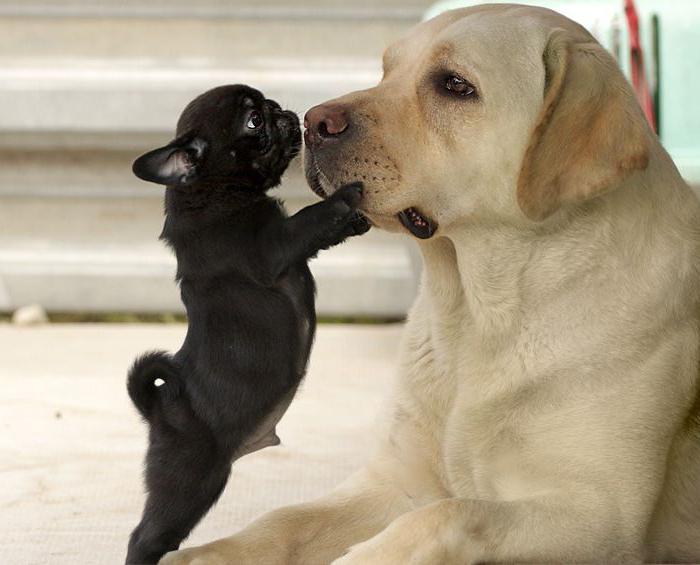
Dogs are social animals, and generally do well in the company of their own kind. However, if a new pet arrives in the home, reactions can be unpredictable. Much will depend on the breed, personality, and socialization. Plan ahead for introductions and integration of the new animal.
Preparatory stage
At this stage, you need to ensure both dogs are vaccinated and dewormed. Be sure to provide each with its own bowl, bed, leash, etc. Consider separating them into separate rooms immediately after their first meeting.
First meeting
The older dog should be well-fed, healthy, and well-walked before the first meeting. Have her favorite toys and treats ready. However, it's best to hold the introduction in a neutral location near the house—for example, a park or a yard. Ideally, this location should be unfamiliar to both dogs, so they'll be on equal terms.
Control both dogs by holding them on leashes, but not too tightly. Stand close by. The other dog should be able to move away/hide, but it's best not to pick it up. Let them sniff each other.
The owner's behavior is a very important factor. You must demonstrate calm and confidence, as they can sense your mood. An older dog may behave differently: growl, start a play, or ignore a smaller dog. In the event of overt aggression, separate the dogs immediately.
Then head towards the house. Once inside, unleash the older dog. Keep the other dog on a leash for now and monitor both of them. It's best not to leave them alone for the first few hours or encourage friendship. Ideally, separate the dogs into different rooms. Be sure to follow all the standard routines, but involve the puppy whenever possible.
Further socialization
Be especially vigilant in situations where your dog might have a reason to be aggressive (for example, if you have guests). It's important that each dog receives equal attention, time, and equal treatment. The older dog shouldn't notice that the treatment has worsened or become harsher, otherwise it will begin to view the puppy as competition. Time and resources—everything must be shared equally.

It's advisable to spend at least a small amount of time with each dog separately: this will help the puppy develop a bond with its new owner, and will prevent the older dog from feeling left out. When you're with both animals at the same time, try to instill proper communication skills and correct any undesirable behavior.
It's important that each dog eats from its own bowl, so they should be spaced apart. As for the hierarchy, the older dog has priority: its bowl should be filled first, its paws should be washed first after a walk, etc. A puppy is often given the older dog's scent by putting a collar on it or drying it with a towel after the older dog's poop.
Integrating a puppy into a family with an adult dog requires time and patience. The relationship between the two animals will likely not be perfect from day one. But with the right approach, owners can smooth the adaptation process and create conditions for peaceful coexistence.
Adult dogs rarely show aggression towards puppies; problems can arise when a puppy grows up and begins to claim dominance.
A second dog in the apartment: tips and tricks
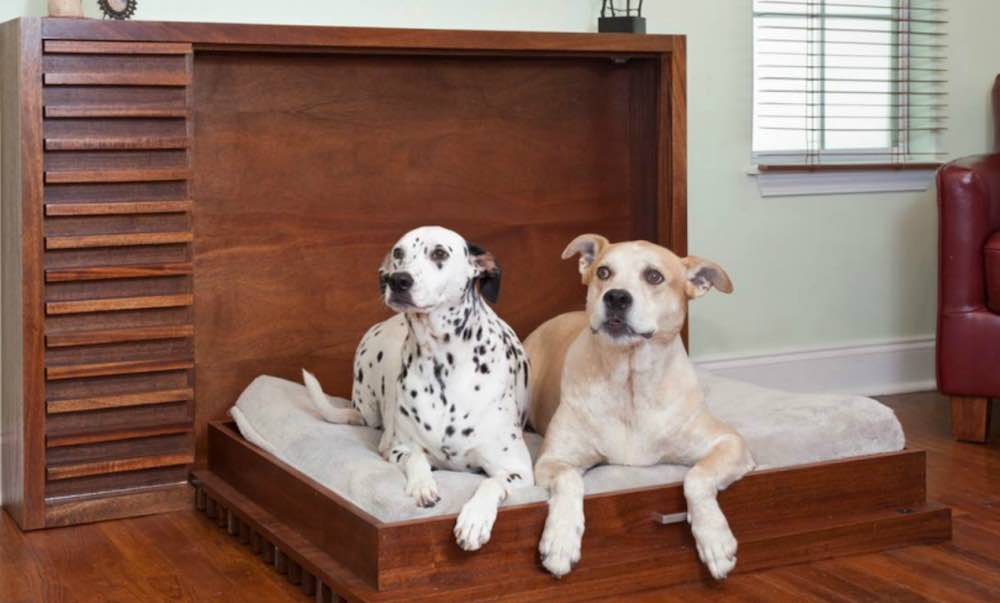
Before you bring a second dog into your apartment or house, consider a few important points:
- If you don't have time for your dog, don't get a second one, as it might get lonely. Keep in mind that two dogs will require additional time from you: you won't be able to keep them focused on each other and minimize your involvement.
- Be prepared for increased expenses, including those for treatment.
- Play between huskies, bulldogs, and fox terriers can be quite rough. They'll bite or headbutt each other. This doesn't always indicate aggression and requires isolation. Sometimes it's enough to distract the animals and redirect their attention, but don't rush to separate the dogs: you could have the opposite effect and cause aggression toward yourself.
- However, there is a risk that dogs (even of the same sex) will fight frequently, and only a dog trainer can solve this problem.
- Left alone, Most often dogs sleepBut if you leave them toys, especially those that can be chewed, a fight may break out.
- Be careful with treats. While they're typically given to pets during training, they can also cause conflict at home.
Deciding to get a second dog is a big step. It requires patience and the willingness to put in the effort to establish a friendly relationship between the pets. It's a good idea to talk to a dog trainer in advance to help plan the arrival of a second pet. Choose the breed and gender carefully, and plan the first meeting carefully to ensure a stress-free meeting and a timely bond between the animals.
Read also, How to stop a dog from marking.