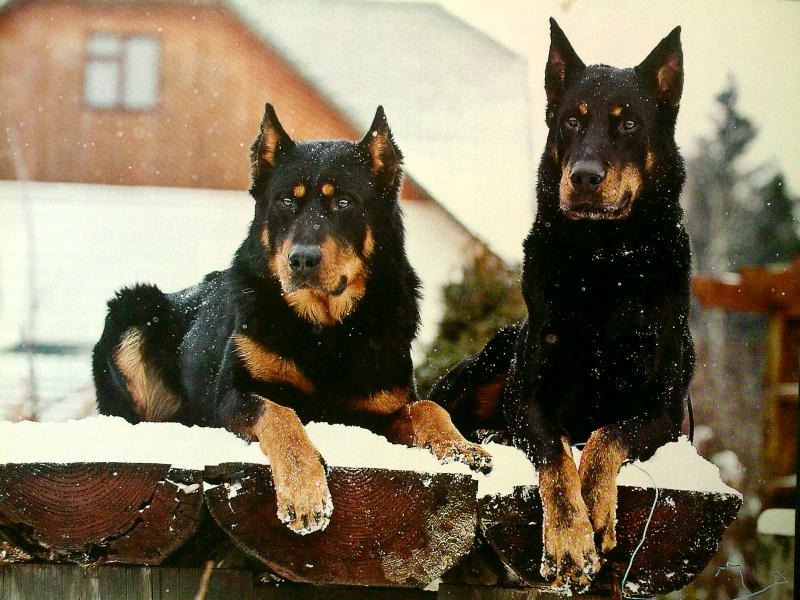
Typically, a dog is everyone's favorite pet, a family member, and simply an inimitable friend—loved, pampered, and cherished. And then, suddenly, they discover they're doing "it." Bad odors, damaged property, and bad moods are the result of your dog marking their territory. What can you do about it? How can you make your four-legged friend understand that their habits are inappropriate in the apartment? Let's find common ground together.
Content
Why does a dog mark its territory?
Contrary to popular belief, dog physiology doesn't make it a bad habit. Both male and female dogs are capable of marking. But males are more likely to mark their territory. This behavior is largely independent of age, much less breed, weight, or size.
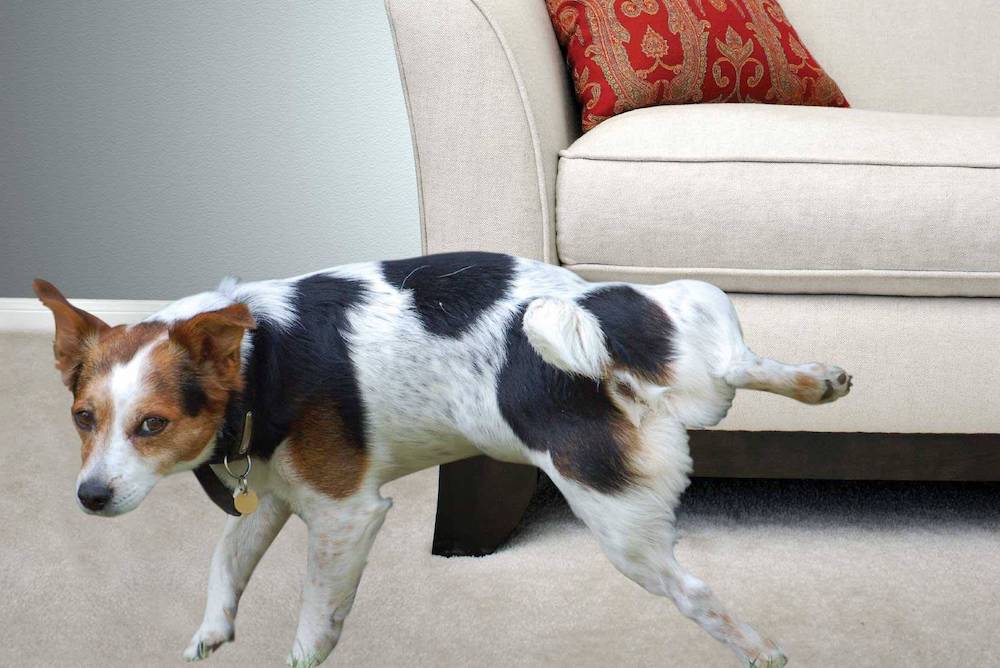
Animals use this method to express dominance, as the markings (urine) have a strong, distinctive odor. For humans, this can be an unpleasant and embarrassing experience—when furniture, shoes, walls, or even bedding acquire a pungent odor. However, the animal isn't clearly at fault—it's a normal instinct. The pet deliberately masks the owner's (or someone else's) scent with its own, thereby demonstrating that the territory belongs exclusively to it.
How and why do dogs do this? When an animal does this, it empties its bladder little by little and in specific, specific locations. Anyone who has experienced this has likely noticed that their pet leaves marks while following a single route.
Here's what the owner needs to know:
- Dogs mark deliberately. They sniff everything first and most often mark the spot where they detect a foreign odor.
- A mark is a way to show a sense of superiority, one's own priority, and to distinguish oneself as a leader.
- Most often, dogs pay attention to objects brought into the house from outside, foreign objects with a foreign odor. This is how a male marks "his" property—after marking, any object has a distinct scent. This is a form of self-assertion and self-defense against "strangers."
- Dogs often begin to mark corners as a result of psychological trauma – if the dog was scolded by its owner, kept locked in a room for a long time, perhaps without being walked, or if the dog is constrained by restrictions (not allowed to enter the room, bark, chew, make noise, or scratch the floor).
- Sometimes a pet's behavior changes and begins to mark involuntarily due to more significant stress: a move or a change in the house that encroaches on the animal's personal space, the loss of an owner (or close friend), resentment, revenge, or difficult relationships with family members—all of these are triggers. Over time, the situation often improves.
There's another objective reason for this behavior: the animal's sexual maturation. Only very young puppies don't mark. However, not only males, but even females can mark during heat.
The owner must be prepared for this – prohibitions will not help here, since a normal physiological instinct cannot be trained.
During puberty, dogs do this much more often, and any methods to change the pet's behavior will most likely be ineffective.
Read also, How to show your dog your love.
How to stop a dog from marking the house
For a pet to realize its mistake and stop marking in the house, it will take patience and endurance from the owner, as well as kindness and affection. Yelling and punishment certainly won't change the dog.
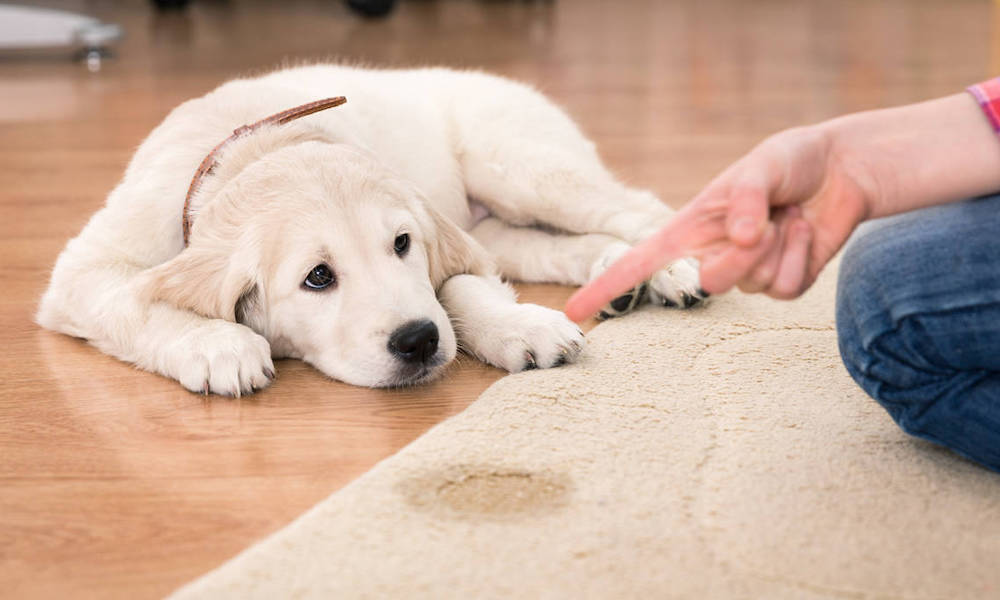
The most important thing is to understand that this isn't an involuntary bladder emptying. In this case, the dog relieves itself immediately, without any logical reasoning (no sniffing, no time-consuming selection of the location).
What should you do if your dog is clearly marking and not going to the bathroom as usual? Should you wash it, treat it with bleach, or use scented sprays? No.
There are some methods that can help solve the problem, if not completely, then partially.
Remember! Experts believe that a dog will never leave marks where it eats, plays, or stores things (toys, bedding).
Castration
The most drastic solution is castration, which solves the problem in 90% of cases. However, this method should only be used after trying to "improve" your relationship with your pet using the following recommendations. Only if the pecking order is established and there are no health issues is surgery a solution. However, this isn't always beneficial: the animal may be able to break the bad habit without surgery. Most often, after puberty, dogs become less interested in this behavior—over time, they mark less inappropriately and respect boundaries and dominance.
This method is completely irrelevant if the owner intends to breed the pet in the future. In this case, you'll have to train the dog to be well-behaved, avoiding surgery.
Training methods
The weakness of the owner can determine the outcome of the situation.
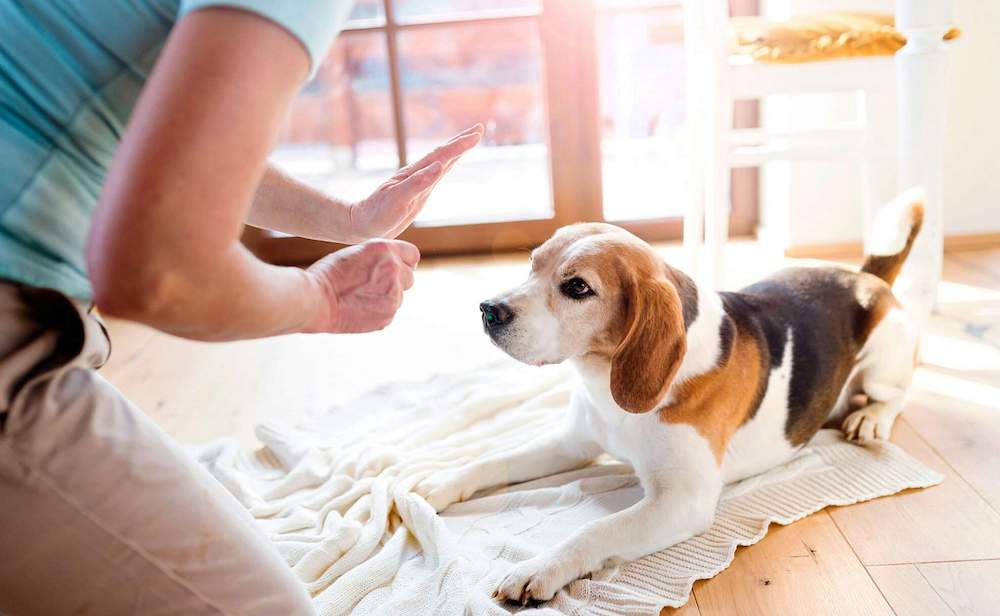
If your animal feels approval or prohibitions and obeys your commands, then it will be much easier to train it to control its natural instincts:
- It's helpful to let your dog know that all the food in the apartment belongs to you alone. Allow him to eat on command—only after you give him permission.
- Treat your dog with his favorite treat only after the command has been executed.
- While on a walk, practice the “Heel” command.
- Even during the game, maintain hierarchy – take a break, be in control of the situation.
Practicing submissive behavior helps overcome this unpleasant instinct. Certain places, especially those favored for marking, should be taboo. A bed, a sofa, a chair, a porch, any places in a private yard—simply keep the dog away from these objects. This will cause the dog to lose its leadership and no longer be inclined to mark its territory.
More frequent walks
A dog that's been walked and run around is less likely to remember these "silly" behaviors. Exhausted, a dog will be hungrier and more likely to rest than to search for marking spots. Therefore, experts often recommend starting walks to break the bad habit of marking. Practice more active games, teach commands and obedience, and distract the animal.
Read also about absorbent diapers for dogs.
The authority of the owner
One of the reasons is an incorrect hierarchy, with no clear leader. A dog views the family as a pack, feeling like the alpha dog, and everyone else is just followers. Even the owner may be submissive. This is why a dog may mark personal belongings (objects, furniture), and even the owner's clothing. The dog takes power "into its own hands." For this reason, dogs can mark as early as 7-8 months.
Properly established dominance will help put the animal in its place and suppress the urge to mark. This problem can be solved by training it to obey commands.
When is a veterinarian needed?
First and foremost, it's important to rule out any underlying medical conditions, and these may include more than just reproductive issues. If you notice any discharge from your pet's genitals, drowsiness or lethargy, or loss of appetite, your pet clearly has a health problem. A dog may urinate involuntarily as a result of illness. This could indicate kidney problems, diabetes, polydipsia, or even common cystitis, which is also common in pets. Elderly pets can also suffer from urinary incontinence. To diagnose any underlying medical condition, be sure to consult a veterinarian. A specialist will order tests, an ultrasound, and make a diagnosis.

How to get rid of the smell
Before addressing the cause, thoroughly clean all areas where the markings occur. This requires not just washing the surfaces, which, as the dog understands, "masks" the odor, but eliminating the marking entirely, as the dog's sensitive sense of smell will always detect two odors—its own and that of the cleaning products.
Here's a quick guide on how to properly remove all of your dog's "marks":
- Choose a high-quality odor remover (with specific enzymes). Detergents with a special formula for removing stains are available at pet stores.
- We clean thoroughly, paying particular attention to the areas where the dog has marked.
- We ventilate the room.
- You may need to repeat the procedure several times. If your pet sniffs the areas where it left its mark, it means the odor wasn't completely eliminated.
There are other ways to break a dog's bad habit. Some breeders buy special "panties" for their dogs and use them at home during hormonal surges—something you wouldn't do to save your property and your relationship with your beloved pet. Veterinary products with scent repellents can also be used—specialists can recommend specific products (SexBarrier, a treatment for marking areas, supposedly deters misbehaving dogs). This treatment helps deter the pet from marking areas. However, this method isn't considered effective, as it's selective and doesn't work in all cases.
What not to do
Weaning a dog from marking is a lengthy process. It requires no yelling, scolding, or negative emotions. Animals react strongly to this. Punishments and this kind of "discipline" can also stress the dog—it may begin marking again, this time in retaliation for the negative behavior. This also happens:
- Under no circumstances should physical punishment be used.
- Don't raise your voice. Train your pet. Show your pecking order through well-chosen commands.
- Wrong: locking, leashing, and keeping a pet in fear. In dogs, this has nothing to do with their instinct to mark.
Try expressing your displeasure in a commanding voice and revisiting all the points suggested above. Determine whether illness or age is the cause of this behavior. Be patient with your pets.
How to Stop a Dog from Marking Corners: A Quick Guide
Remember, you should not keep your dog in fear - you need to control it with love and tender affection.
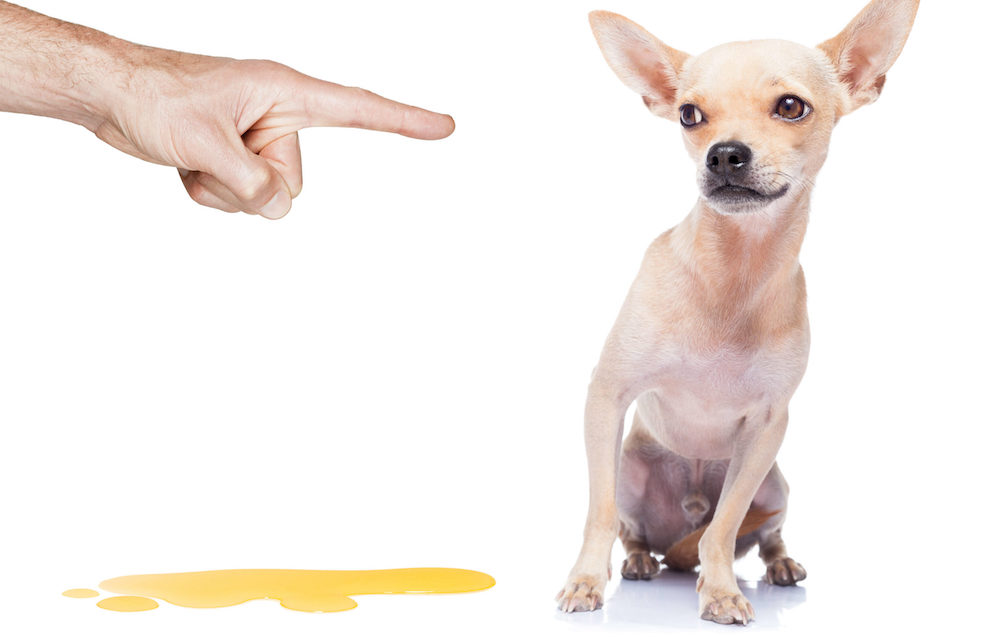
If a dog is healthy and fully satisfied—that is, walked, fed, pampered with the owner's attention and love, loyal and obedient—but continues to mark corners, it's likely that this has become a habit, and the problem needs to be actively addressed.
Read also, How to stop a dog from chewing furniture.