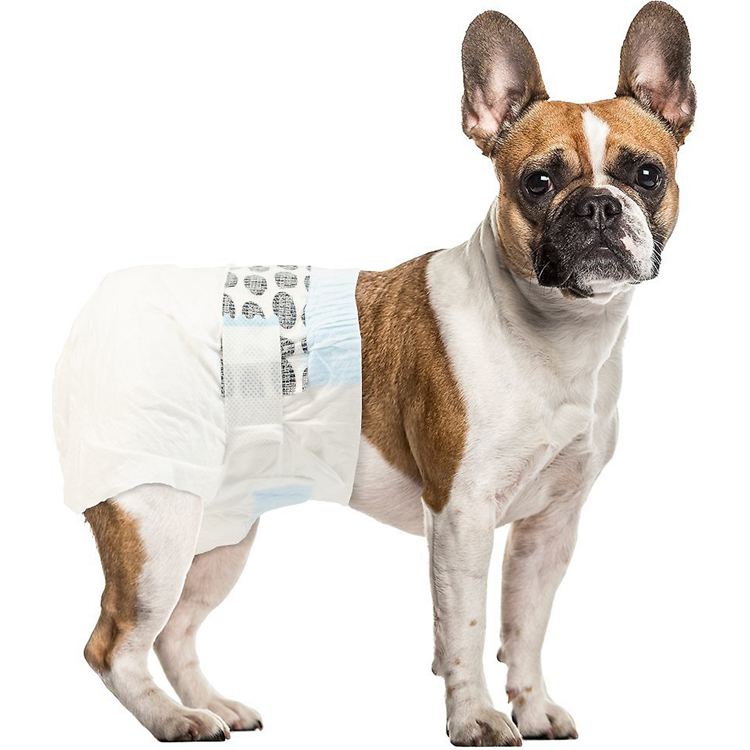
Various hygiene products facilitate comfortable coexistence between humans and dogs, and absorbent pads are a leading example. They are disposable or reusable mats with a moisture-absorbing inner layer. The multi-layer design traps liquid and odor. In this article, we'll explain how to choose a pet pad, offer tips on potty training, and recommend the best brands.
Content
When are absorbent diapers used?
1. Toilet training for puppies.
Toilet training is the first difficult issue facing breeders and owners. Puppies find new homes at 3-4 months of age, but begin to accept people and show a willingness to be trained around six months. Until then, puppy pads with a special coating designed for puppies can help, encouraging them to relieve themselves in a designated area.
2. Organizing a home toilet.
Indoor toileting is primarily required for toy and heat-loving dog breeds. An absorbent pad can be used as a separate toilet area or placed at the bottom of the litter box. This helps protect laminate, parquet, or linoleum floors from absorbing the pungent odor of urine.
3. Helping sick animals.
Not all pets can go for walks during the post-operative period. Absorbent sheets are essential: they can be placed directly under the animal, or the toilet can be located near its bed. Pads are also purchased for older dogs.
4. Long journeys.
Absorbent pads make traveling with your dog comfortable, no matter the distance. On a train or in a car, this hygiene product helps avoid unpleasant surprises.
5. Preparing the place for childbirth.
Waiting for puppies to be born is an exciting and challenging time for both pet and owner. Absorbent pads will keep the puppies clean during this crucial time and provide bedding during the first few days of life.
Pros and cons of zoological diapers
Like any hygiene product, dog sheets have their strengths and weaknesses. However, the benefits of using them far outweigh the benefits.
Hygienic—the diapers reliably retain moisture and odors, protecting the floor. Special additives prevent the spread of pathogenic flora.
The high absorbency allows you to use one sheet for a long time.
Safety - all products are tested and do not pose a danger to pets during use.
The downside is the low quality of products from untrusted manufacturers. Avoiding these issues is easy by purchasing from specialized retailers after reading customer reviews.
Which diapers should I choose – disposable or reusable?
Disposable diapers | Reusable diapers | |
Compound | In terms of texture, the composition of disposable diapers is identical to that of baby diapers. The outer layer is made of a semi-synthetic non-woven fabric that is breathable and moisture-wicking. The bottom layer is liquid-impermeable, increasing leakage protection. Between them is an absorbent intermediate layer. Manufacturers use cellulose, polymer granules, or gel to fill it. Some types of disposable diapers include an odor-absorbing layer. | Reusable mats do not contain any filling, allowing for repeated use. The outer layer is made of quick-drying, tear-resistant knit fabric. The absorbency of the mat is based on the properties of the base layer—a membrane that effectively absorbs liquid. The middle layer must be waterproof to protect the floor. The final layer must be slip-resistant. Reusable zoological mats can withstand up to 300 washing cycles. |
Advantages |
|
|
Flaws |
|
|
Despite significant differences, it's impossible to say one type of dog diaper is superior. It's a matter of convenience and preference. High-quality products perform similarly:
absorb quickly;
retain liquid and odor;
eliminate leaks from below and on the sides.
It is cost-effective to use reusable diapers, supplementing them with disposable mats when traveling, visiting the veterinarian, or organizing the animal's space after birth or surgery.
The most popular brands
The market for dog toilet pads is vast, and it's easy to find one that meets all your requirements for performance, quality, and price. Here are the most popular brands with the best customer reviews.
Name | Production | View | Characteristics |
Clean tail | China | Disposable | Three-layer, reliably retains liquid and odor, the surface remains dry, made of environmentally friendly materials. |
Osso Fashion | Russia | Reusable | They dry quickly, retain odor, are durable, and can be washed with a rinse cycle. |
Volunteer animals | Russia | Disposable | Variety of sizes, decent absorbency, no leaks, odorless. |
8 in 1 | USA | Disposable | They absorb large amounts of liquid, neutralize odors, are durable, and are scented with the scent of herbs. |
Napkins | Russia | Disposable | The diapers are hypoallergenic, have a comfortable soft top layer, come in a variety of sizes, and are also available with a gel filling. |
How to train a puppy to use an absorbent pad
Every dog owner faces the problem of potty training a puppy. Even a pet of a non-toy breed must remain indoors during its initial vaccinations. The process of potty training is not difficult, but it does require a lot of patience, as puppies, when caught up in play, often forget to go to the toilet.
Preparing the site
It's best to start by designating a designated area, even an entire room in the first few days. It's best if the dog's toilet can be placed in a permanent location right away. Initially, it's best to clear the floor of carpets, leaving only an area covered with several pads. During the first few days, bring your pet to the pad until they've done their business.
Remember that puppies need to go to the toilet after sleeping, eating, and active play.
The intricacies of toilet training
1. During potty training, try to spend more time in the room with your puppy and observe them. You'll need to spend at least three weeks closely supervising them. When the puppy is actively sniffing, looking for a place to sit, or spinning around, don't waste time; pick them up and take them to the pad.
2. If your puppy makes an unexpected mess, blot it up with a cloth or diaper. The lingering smell will encourage your dog to relieve itself in the designated spot next time. Wash the floor in the "unexpected" areas thoroughly with odor-eliminating products or vinegar.
3. Keep the litter box clean. There's no need to change it after just one use, but if the box is full, your puppy may refuse to use it.
4. Once your baby has completed everything expected of them, don't forget to cuddle and praise them. Rewarding them with a favorite treat is also a good idea.
5. As soon as the puppy begins to understand where his toilet is, reduce the number of laid out pads, eventually reducing it to one.
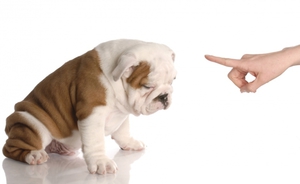
You can't hit or raise your voice at a dog, you'll just scare the animal and destroy its trust.
Training will be faster if you regularly praise your puppy, even if you were the one who brought him to the crib. Make the most of this time by engaging him in games and getting to know each other.