 If you've just acquired a puppy but can't spend all your time with it because you have to commute to work, you'll sooner or later face the problem of how to potty train it, either indoors or outdoors. Naturally, such training is quite challenging and requires considerable time and effort. But ultimately, you'll no longer be annoyed by frequent messes and puddles in the hallway or by unpleasant odors.
Physiological needs of an animal
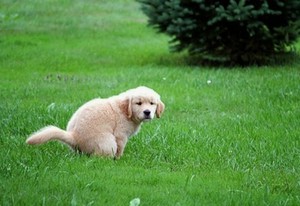 It is quite natural that dogs have the need to go to the toilet, because it is one of their physiological needsThe intensity of such excursions may vary depending on the age or condition of the pet, the climate of the area, diet, or individual characteristics of the animal.
Scientists believe that an adult dog needs to urinate 2-3 times a day. Defecation can occur 1-2 times a day. Urination frequency may increase with rising temperatures, feeding different dry foods, in cold weather, or with certain metabolic or genitourinary diseases. Urination frequency also increases during heat cycles or if your puppy/dog spends all their time outdoors.
We must not forget about the need of dogs, such as marking one's territoryIn this case, the frequency of toilet visits increases significantly. But here everything depends on the pet's age and the specific characteristics of its personality and behavior.
To avoid potential problems, you should plan your dog's walking schedule in advance, taking into account all the nuances of your preliminary observations. Remember that an adult, healthy, and well-behaved dog should be walked every 12 hours or at least. Housetrained dogs can develop various genitourinary diseases if not walked regularly. You can calculate the walking time using the formula: number of hours = age (complete months) + 1.
If you need to train your dog to go to the toilet at home, then you can use several separate solutions:
- newspaper as a toilet;
- a tray with special fillers (suitable for small puppies);
- disposable diaper;
If you choose a newspaper or diaper as a disposable toilet, it's best to place it in a separate litter box. A regular litter tray without a mesh screen will do. This way, you won't have to worry about your puppy's waste ending up on the floor or under the baseboards.
Tray with filler It's an ideal solution for cats, but it can also be used for dogs. It's no secret that most cats bury their waste. Unfortunately, puppies don't have this reflex. They simply defecate on a piece of newspaper.
When installing a dog litter box at home, make sure it doesn't have high sides, is securely fastened, and doesn't wobble. When you buy a puppy, you're often assured that it's house-trained and won't have any problems keeping it clean. But as soon as the puppy is left alone in the apartment, it immediately starts doing its own thing. And there's... There are two explanations for such troubles:
- The puppy has never been potty trained;
- He is simply confused in the new place and it will take him some time to get used to the changes;
It's also worth asking what the puppy's litter box looked like when it was with the breeder. This will speed up the training process.
When to potty train a puppy outside or inside
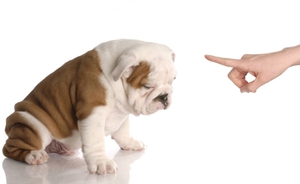 Some people make a big mistake: they start potty training a puppy immediately after purchasing it. But such an undertaking requires a lot of patience and time. It's worth it. choose a place in advance, which will serve as a toilet and never change. Also, remember that the older the dog, the more difficult the training process becomes.
After acquiring a puppy, it's best to immediately remove all rugs or carpets from the floor. An active puppy will immediately want to "paint" them. If he makes a puddle on a soft rug, he'll certainly want to repeat the exciting activity.
And an unpleasant odor can develop in the house, which is very difficult to get rid of. Even special products can't completely eliminate the unpleasant odor from the apartment, and it will attract a small puppy to this area every time it needs to relieve itself.
Try to study behavioral characteristics of a small puppyHe'll be looking ahead for the spot he'll use as a toilet. A dog's physiological instincts dictate the boundaries of the area he'll be marking. Often, these spots are near the door, under the window, or near the balcony. The puppy may also run to the bathroom or any other enclosed area to eliminate. If he does this regularly, be sure to install a litter box and remove rugs from the room.
You may even need to install several litter boxes to house train your dog. Don't remove them until your pet has found a single spot to go potty. After all, young puppies tend to be slow to reach the designated spot. Older dogs can hold their potty time much longer, so you can keep 1-2 boxes in the house. Sometimes, your dog will only go potty when you're home. But as soon as you leave, they'll start urinating wherever they want again. This is... is explained by the following factors:
- Perhaps the tray has become uncomfortable or too small for the older puppy;
- Perhaps you're away from home for a long time, and your dog simply doesn't like using a heavily soiled litter box. In this case, they'll start looking for other places to eliminate.
Tips for house training dogs
 To improve the effectiveness of training and reduce time costs, consult with experienced dog handlers or breedersFor example, if you absolutely do not want your puppy to eliminate in a certain place, purchase a special product from your veterinarian that will act as an "anti-odor" product. This method allows you to quickly and effectively discourage your dog from eliminating in a specific spot.
How to potty train a dog outside
If you don't want to potty train your dog indoors and believe it should only go outside, be sure to read the advice of experts on this matter.
The first walks outside can only be taken after the quarantine period has ended and the puppy has been vaccinated. You can find out the exact timeframe from the breeder where you purchased the puppy.
Walking frequency varies, and it depends on the dog's age. But remember, training an adult dog can be much more challenging than training a small puppy. Therefore, Walk your puppy at least 5 times a day, until he's six months old. As he gets older, the frequency of walks can be reduced to three trips a day.
It's best to walk your dog after eating, sleeping, or playing actively. If your puppy obediently performs its task outside, be sure to praise it and give it a treat. Only after the dog has completed its natural duties should you continue playing or training with it.
The more often you house train your dog, the more effective the training will be.
Return home only after the dog has eliminated.
If you approach house training with the utmost responsibility, you will be able to raise a truly obedient and clean dog that will save you from numerous problems.