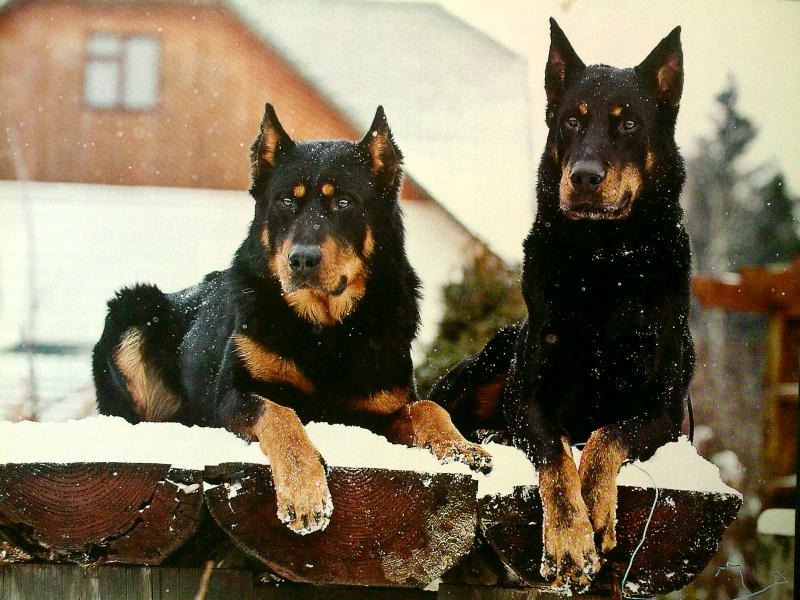
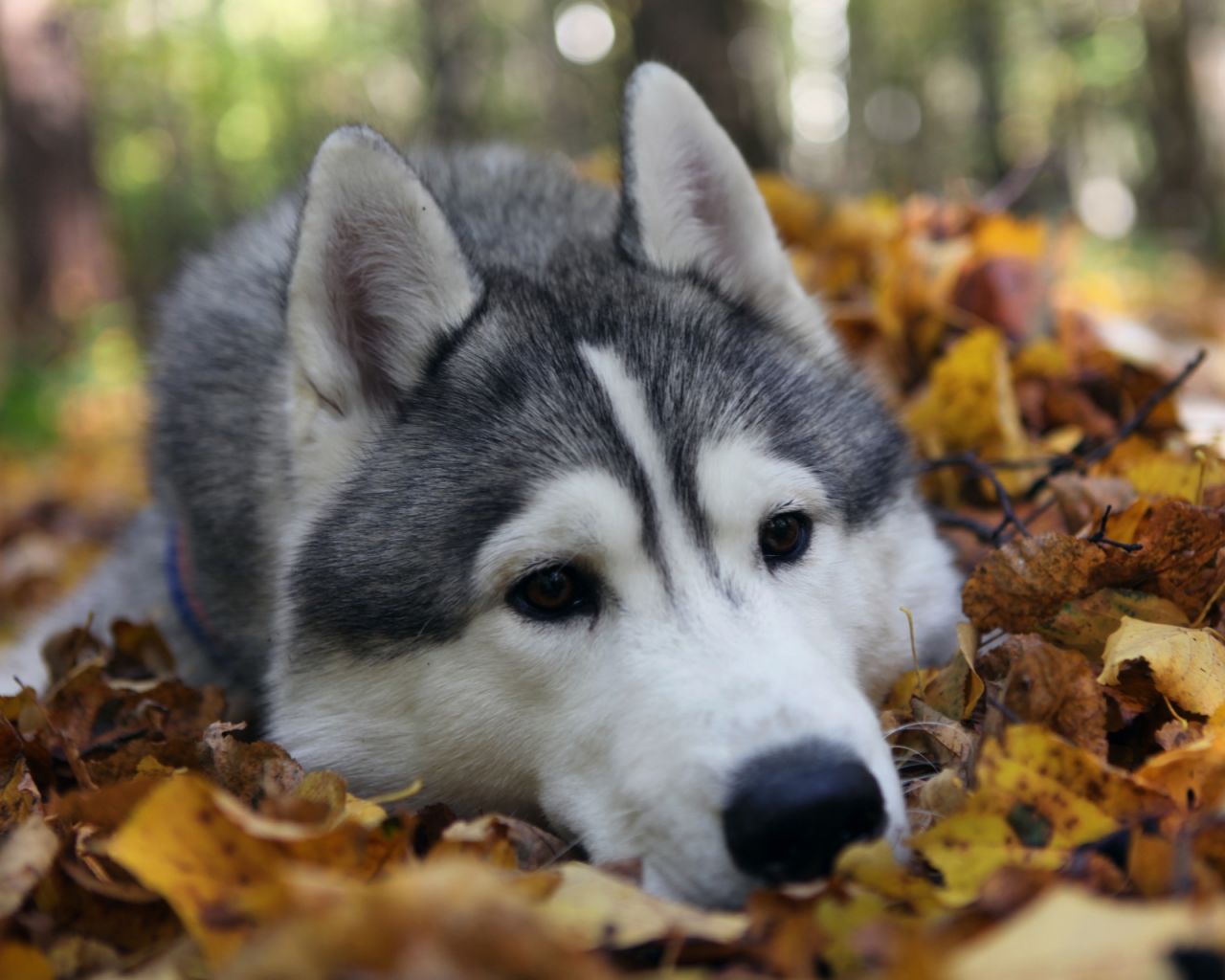
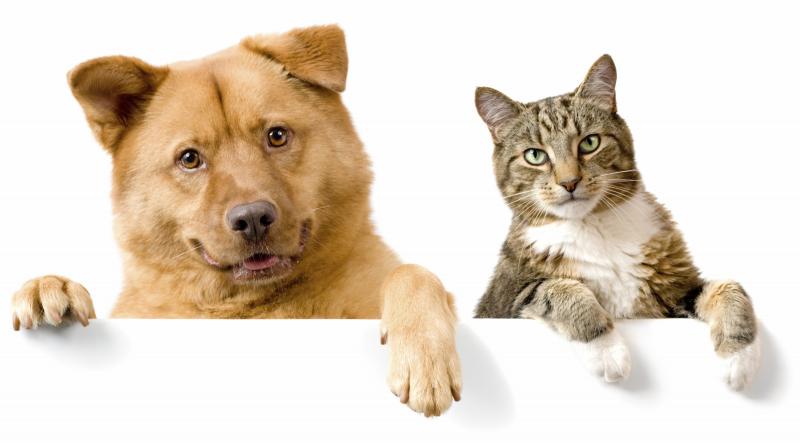
A dog's affection for its owner can be recognized by its behavior. The animal cuddles with its owner, shares toys, and joyfully greets them after a separation. A dog needs reciprocal affection from its owner to feel confident, calm, and trusting.
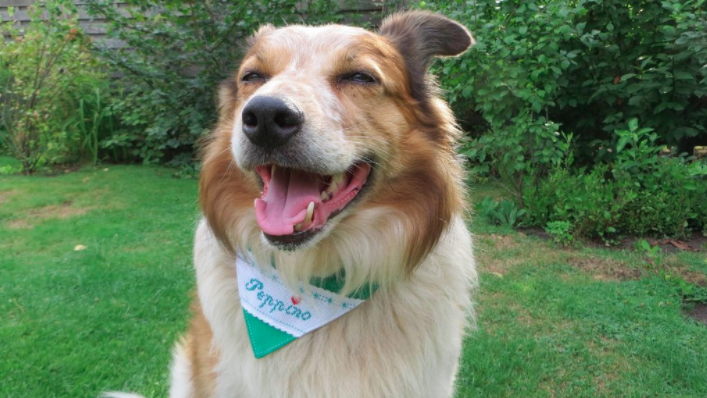
5 Ways to Show Your Dog Love
Zoopsychologists recommend using the following methods to show love towards a dog:
- Eye contact. Looking into the dog's eyes indicates attention from the owner. When petted, the dog's body releases the happiness hormone oxytocin. This strengthens the trust between the pet and its owner. It is not recommended to look unfamiliar dogs in the eyes, as the animal may perceive this as a threat.
- Playing and spending time together. Don't ignore your dog if it asks for attention. This can cause stress. Set aside 30-60 minutes of daily playtime, either indoors or outdoors. Ideally, this should be at roughly the same time each day, so your pet can get used to the routine.
- Emotions. Dogs recognize human facial expressions and respond in kind. For example, raising the left eyebrow means greeting. When communicating with a dog, speak in a soft voice and a gentle tone. This helps develop rapport between the pet and owner.
- Co-sleeping. Dogs consider this the ultimate sign of trust from humans. It's not necessary to let your pet sleep on the bed; placing a bed in the same room is sufficient.
- Hugs. Dogs don't like being held too tightly. To show affection, simply snuggle close to the animal's body. This gesture is easily understood by the pet. Similarly, a dog shows affection by resting its head on its owner's leg or snuggling close after a meal.
How to pet a dog properly
Petting is one way to reward your pet or show affection. It's important to know how to pet a dog properly to avoid causing discomfort.
Don't approach an animal from behind. The dog will interpret this as a threat to attack. Approach from the side at a calm pace and avoid suddenly extending your hand, as this could create the impression of a blow. If the animal retreats, growls, or flattens its ears, it's best to postpone petting.
You should not pet your pet in the following cases:
- During mealtime, the dog instinctively protects the food and may attack.
- During sleep, the pet may become frightened and bite the owner.
- While playing with other dogs.
Avoid petting a dog against the grain, as this can cause discomfort. Patting the head is best avoided, as the dog may perceive this as punishment. Dogs dislike being touched on the paws, lower jaw, tail, or throat. You can pet the dog behind the ears, on the sides, or between the eyes. Sometimes the dog will fall on its back and offer its belly for scratching.
It's important to study your pet's body language and learn to recognize its responses. Then, mutual understanding and trust between dog and owner are guaranteed.