Many pet owners, when choosing a flea control product for their pets, opt for insecticidal collars. They are quite effective and last for a relatively long time (up to 90 days), require no additional treatment, and are quite effective. Like any product, antiparasitic collars have their pros and cons, as well as contraindications for animals. When choosing a flea control product for your pet, it's important to weigh all the advantages and disadvantages to avoid harming your pet.
Content
Why does an animal need protection from fleas?

Pets need our help and protection in the fight against parasites
Every pet owner faces the need to protect their pet from parasites. This primarily concerns fleas and ticks. Fleas not only irritate animals by feeding on their blood and causing unbearable itching all over their bodies, but they can also cause allergies and transmit dangerous diseases.
It's important to remember that fleas can infest even animals that don't leave their homes. Owners can also become carriers of the parasites by bringing the insects in from outside on their clothes or shoes.
Advantages and disadvantages of using a flea collar
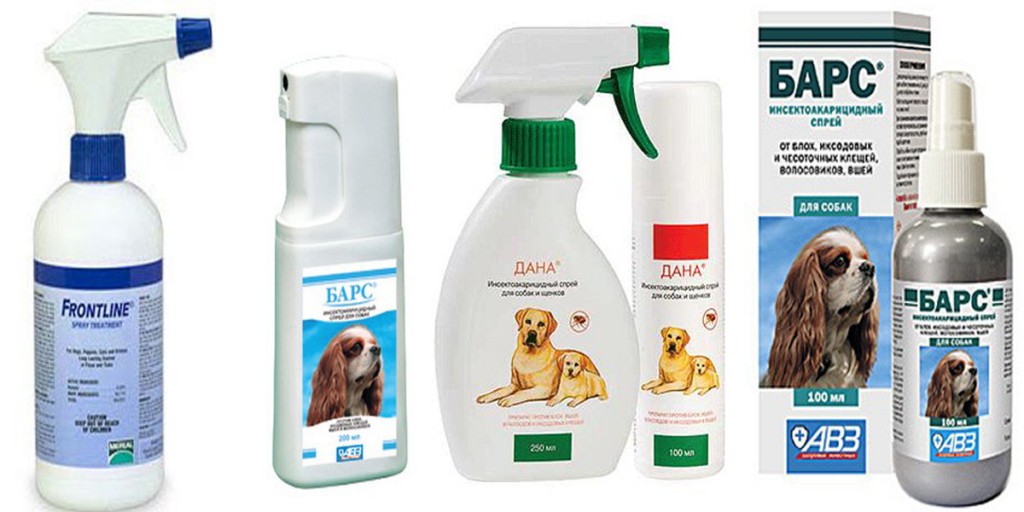
Today the market offers a wide range of flea control products.
Today, there are quite a few products available for removing and preventing fleas in pets. Each type has its own pros and cons. Sometimes they are used individually, sometimes in combination, especially if numerous fleas are found on the pet's body.
Types of flea control products
Shampoos are very gentle flea control products. They are used as a preventative measure or for minor infestations. While they effectively combat existing flea infestations, they cannot provide long-term protection. Their effects are short-lived, so it's advisable to follow up with a supplemental treatment after using the shampoo.
Powders are suitable for use on adult dogs and cats, as well as on puppies and expecting animals. While effective, they can dry out pets' skin and fur. Because they are applied all over the pet's body, they can enter the respiratory tract and mucous membranes, causing allergic reactions in animals prone to allergies.
Drops are considered one of the most long-lasting treatments. They effectively remove fleas and prevent their reappearance. They are also easy to apply in hard-to-reach areas for cats and dogs. Avoid getting the animal wet for three days after application, as the product loses its effectiveness after exposure to water.
Sprays and aerosols are applied to the entire surface of the animal's body and require treatment in a well-ventilated area. Careful use is required to avoid contact with the pet's eyes, ears, and mucous membranes.
Tablets and injections are currently not popular flea control products due to their high toxicity and the long period required to achieve a therapeutic effect (2–4 weeks).
While collars are not considered therapeutic, they do have a significant preventative effect. They are popular due to their ease of use and effectiveness, especially for pets that are walked outdoors.
Folk remedies have a flea-repelling effect, but they have recently fallen out of favor due to their difficulty in use. For example, herbs (wormwood, tansy) must be brewed, cooled, and then applied to the animal. The same applies to preparing saline or garlic solutions. However, folk remedies have one undeniable advantage: they are less harmful to animals.
Pros and cons of using a collar
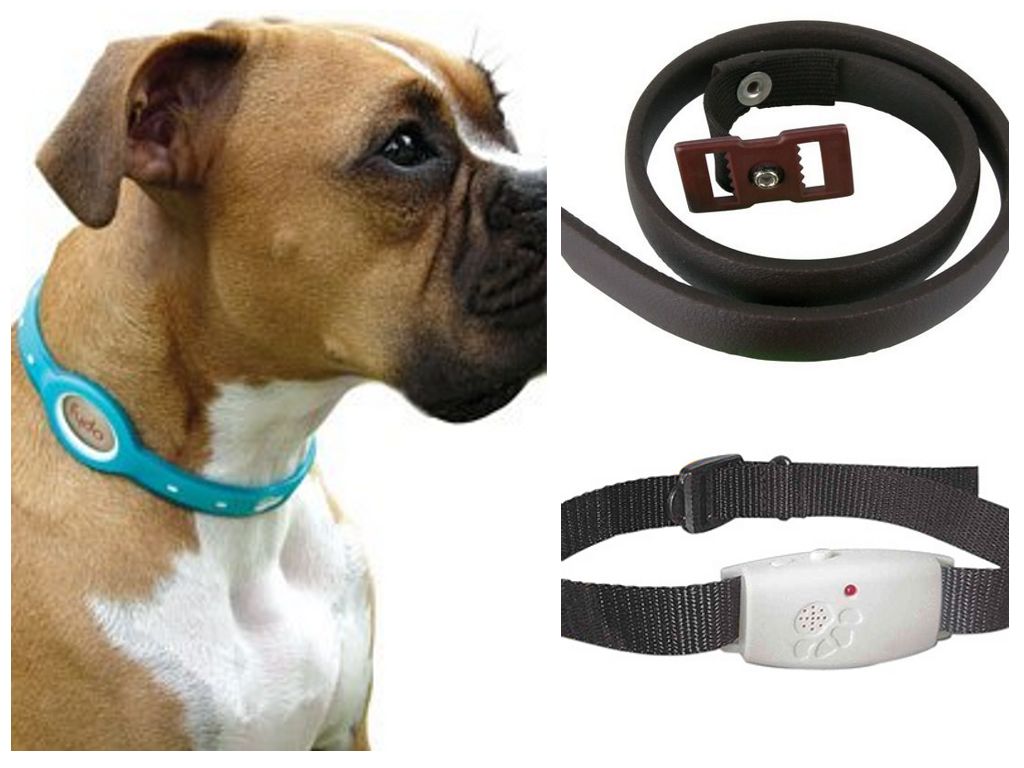
Different types
Flea collars work by repelling insects from animals. The plastic band placed on the animal is impregnated with insecticidal poisons, which have a very specific, toxic odor. Any parasites present on the animal before the collar is applied are either killed by the poison or simply leave the animal in search of a more attractive host.
Benefits of using a collar
- Wide availability and a wide range of collars on the pet market.
- Extremely convenient to use: simply open the package after purchase, put the collar on your pet, adjust its length, and you can forget about fleas on your pet for several months.
- Can be used without prior washing and hygienic treatment of the pet.
- The risk of overdose is reduced to zero, since the amount of poison with which the collar is impregnated is safe for the animal.
- Long-lasting effect from use (from 2 to 7 months).
- Water resistance: the collar can be left on your dog or cat even during a walk in the rain.
- Universal effect on insects: flea collars can repel not only fleas, but also ticks, mosquitoes, flies and other insects.
Disadvantages of using a collar
- The collars do not affect the larvae and eggs of parasites, but actively affect only adult insects.
- The most secure collars can be used solely as a preventative measure, not as a treatment.
- There's a risk of an allergic reaction to insecticidal collars in pets. Allergies can be triggered by the insecticidal ingredients used in the collar treatment. If an allergic reaction occurs, a collar with one active ingredient should be replaced with one with a different active ingredient, after consulting a veterinarian to avoid harming the pet. If the pet is prone to allergies, the owner may need to discontinue the collar and opt for other forms of parasite protection.
- The distinctive odor of insecticidal and herbal collars lingers for a long time. The odor itself is harmless, but it can initially cause discomfort to both the animal and its owner.
A collar is definitely recommended for animals that go outdoors daily and interact with other animals. This means owners can rest assured about insects on their pet. If the animal is kept indoors and doesn't go outside, bathing with flea shampoo or treating it with drops, sprays, or home remedies may be sufficient.
When combining protective products, such as drops and collar or spray and collar, it's important to choose products with different active ingredients. For example, if the drops contain an avermectin-based active ingredient (ivomectin, ivomec, etc.), the insecticidal collar may contain formamidines (amitraz) or pyrethroids (permethrin, phenothrin, etc.). In this case, it may be advisable to opt for herbal collars.
Types of flea collars
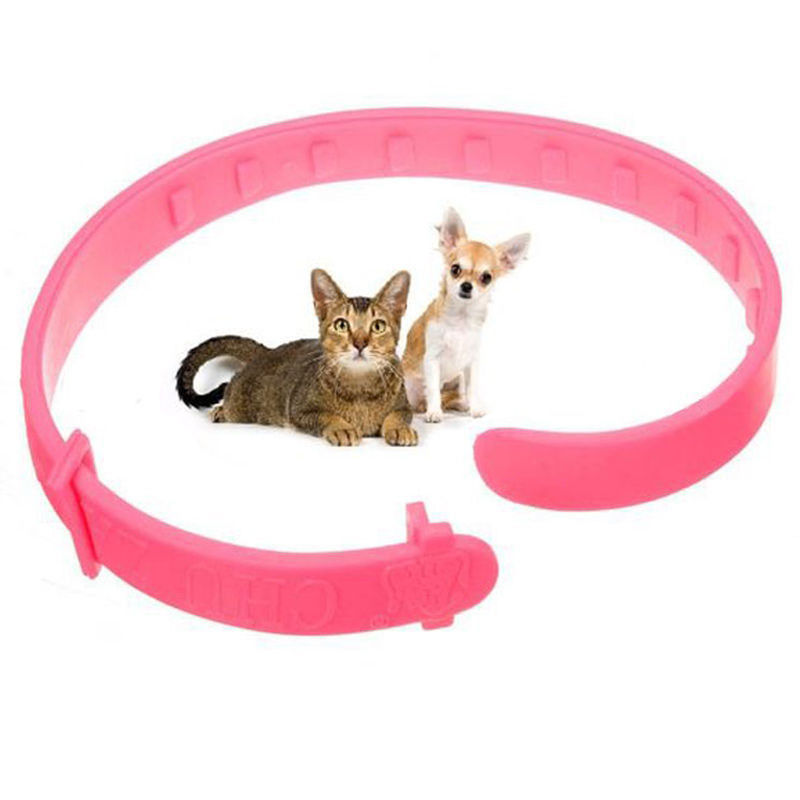
Flea collars come in different colors.
Today, several types of flea collars, varying in their effect on parasites, can be found in veterinary pharmacies and specialized pet stores.
Gas collars
Gas collars are more commonly referred to as insecticidal collars, meaning they contain special substances that negatively affect harmful insects. They are made of rubber or PVC and contain microcapsules of insecticide (poison). They are quite toxic but effective, killing adult insects, as well as their larvae and eggs. Before use, the collar must be slightly stretched to activate the active ingredient. When stretched, you can see a whitish coating appear on the surface, releasing from the burst capsules. They have a dual effect: the chemicals emit a toxic odor, and the microspores of the insecticidal substance completely paralyze the insects, causing their death.
The downside of gas collars is their toxicity. Some animals react negatively to the substances contained in the collar, experiencing hair loss and allergic dermatitis where the collar touches their skin.
Emitting collars
Emitting collars are typically made of plastic and repel parasites with radiation. This effect is achieved by exposing insects to electromagnetic waves. Emitting collars are typically made of plastic and are odorless, which is a definite plus. However, this radiation only affects the animal. conditionally safeEmitting collars haven't gained widespread popularity due to their incompletely studied effects on animals. They are effective against insects for two months, after which they must be replaced.
Ultrasonic collars
Ultrasonic flea collars consist of a standard fabric collar with a small device attached. There are also ultrasonic key fobs that attach to a standard collar. When turned on, the device (battery-powered) emits a specific ultrasonic frequency (40,000 Hz). While the animal cannot hear these waves, the insects recognize them as a threat or danger signal, causing them to move away from the ultrasonic range.
Ultrasonic collars begin working within two weeks of use. They are considered completely safe for both animals and humans. However, their effectiveness in flea control has not been proven. Research conducted by the Department of Zoology and Entomology at Rhodes University in South Africa in 2011 demonstrated that various ultrasonic waves have no effect on insects or their spread. However, a significant drawback of ultrasonic collars is their permeability to moisture. If water gets inside the device, it will almost immediately malfunction.
Recommended for use in combination with additional protective equipment in the form of drops or sprays.
Herbal collars
Herbal collars (also known as biocollars) are typically made of rubber impregnated with essential oils and herbal extracts that repel parasites. This type of collar is safe for adult and young animals, as well as pregnant and nursing cats and dogs. The effective period of action against parasites is approximately six weeks, as the herbal impregnation evaporates fairly quickly when exposed to air.
Which collar should I choose?
Many people are afraid to use the emitted collar for fear of harming the animal.
The ultrasonic collar was in demand for a time, but then lost its popularity due to its unproven effectiveness.
Essentially, gas and grass collars are the most effective. They can not only repel insects from animals but also eliminate infestations. However, if your pet is prone to allergies or reacts negatively to the toxins contained in the collar (lethargy, signs of poisoning, behavioral changes), consult a veterinarian to determine the appropriate protection.
However, active animals that spend a lot of time outdoors and go on long outings with their owners require more intensive protection than collars.
Experienced owners skillfully combine different means:
- First, the animal is bathed using a special flea shampoo.
- After 3-4 days, apply protective drops to the withers or treat the animal with flea spray.
- After about another week, a protective collar is placed on the pet.
Review of popular collar brands
The choice of collars today is quite large, but not all of them are popular.
Beaphar "From fleas and ticks"
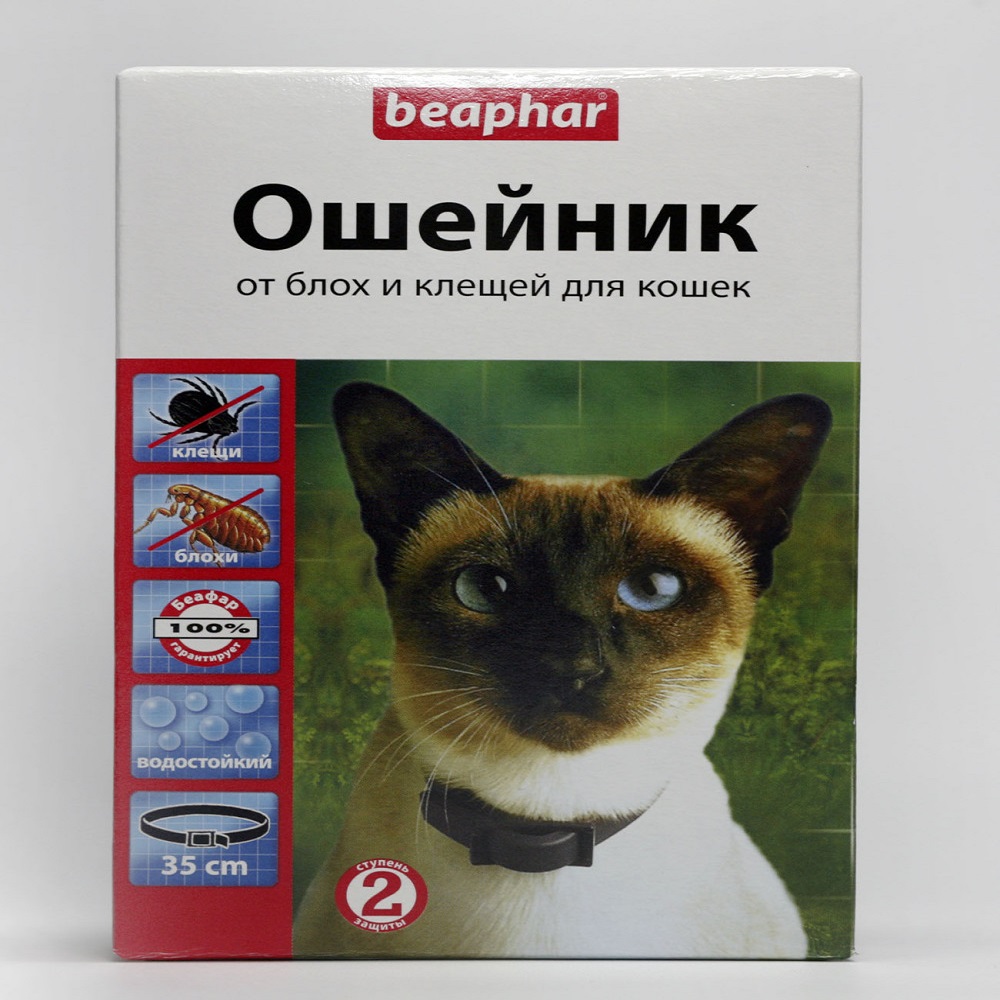
Beaphar "Flea and Tick Control" for Cats
Manufactured by a Dutch company, it comes in two lines: one for cats and one for dogs, each with a different length. It is only suitable for animals over 6 months old. It is not recommended for use on kittens or puppies, or on nursing or pregnant animals. The manufacturer claims the collar is odorless, but users report a slight chemical odor. It is effective for five months of use. Concomitant use of the collar with other antiparasitic products is prohibited.
It has a universal effect, killing fleas, ticks, lice, and other parasites. Particularly sensitive dogs may experience side effects from using the collar, including salivation, skin redness, watery eyes, and itching.
Biocollar against fleas and ticks Doctor Zoo
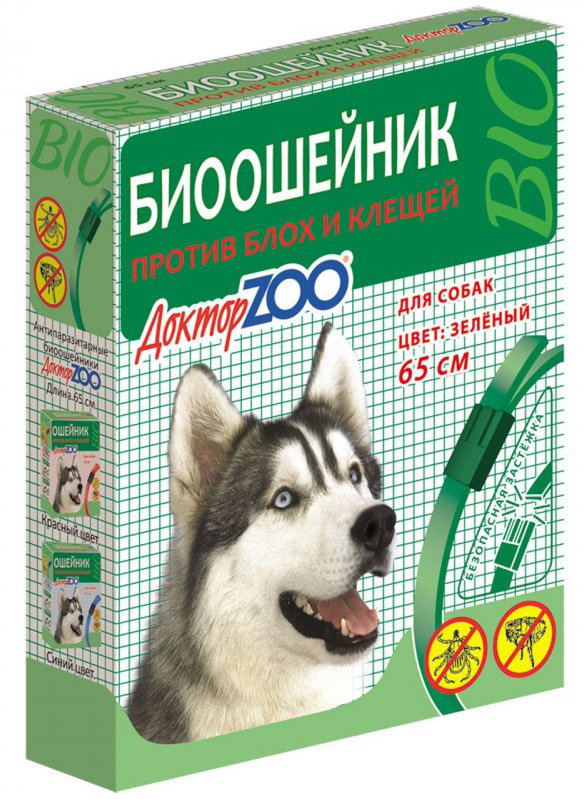
Doctor Zoo Flea and Tick Collar
These herbal collars are suitable for babies up to 6 months old, as well as pregnant and nursing animals. The active ingredients are geraniol and sevilen. The biocollar's active life lasts up to 2 months. It effectively repels fleas and prevents tick bites. It is manufactured in Russia and is popular due to its relatively low price. It is of sufficient length and secures with a convenient clasp. It has a rather pungent odor, which dissipates slightly over time. However, users have noted that some dogs and cats have shown signs of poisoning after using the collar.
Biocollar "UYUT" against fleas and ticks
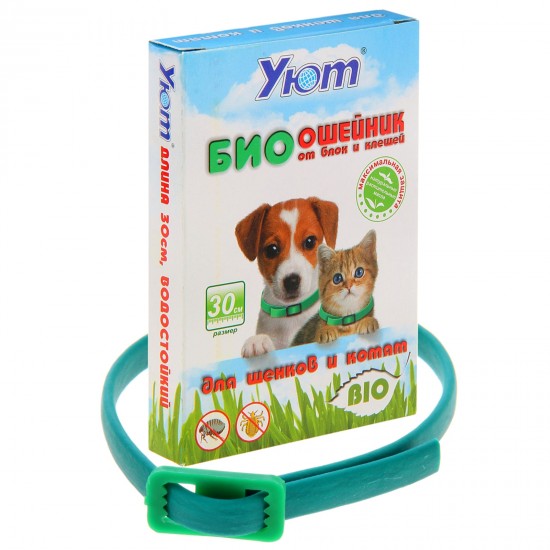
Bio collar "UYUT" against fleas and ticks
It is completely safe for animals and is equally effective on adult male and female cats, as well as puppies and kittens. It is quite effective when combined with other products (shampoo, spray). It contains essential oils of the following plants: peppermint, meadow chamomile, and anise. It lasts up to 3 months and has a distinct aroma, contrary to the manufacturer's claims of being odorless. It has proven itself as a preventative measure against fleas. Users note that the clasp is not secure, as the collar must be constantly tightened to prevent it from falling off. The collar is water-resistant.
Bars flea and tick collar
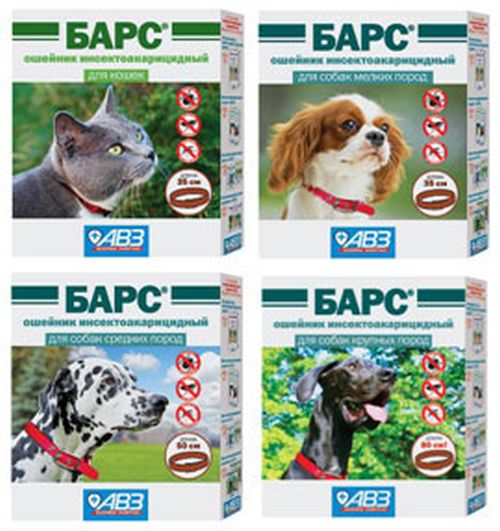
Bars flea and tick collar
This is a popular pest control product due to its low cost and effectiveness against both adult insects and their larvae and eggs, preventing their growth and reproduction. Its main active ingredient is fipronil. It has a broad spectrum of action and provides long-lasting protection for animals—4–5 months. Do not use as a flea control product on weakened or sick animals, nursing or pregnant females, or babies under 60 days old. It is easy to use and securely fastens with a buckle.
The Bars collar can sometimes cause allergic reactions, manifested by itching and skin rashes. This reaction is not widespread and usually indicates an individual intolerance to the substances contained in the collar.
Celandine collar
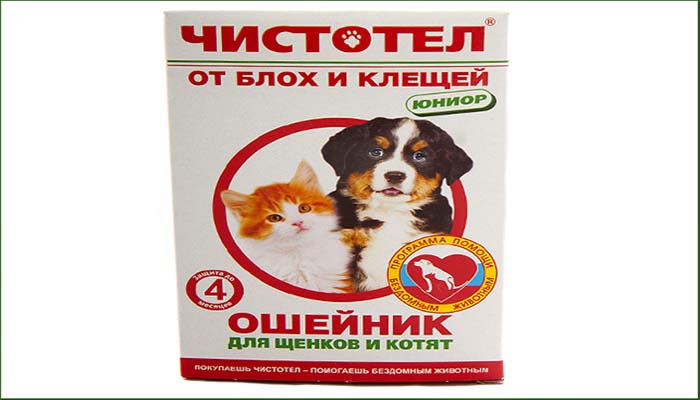
Celandine collar
It's produced for cats and dogs, but the name "Celandine" is only a trademark, as it doesn't contain this plant. Along with the insecticidal line for adult animals, a separate type of biocollar is produced, along with an additional one for kittens and puppies. One version contains permethrin, which doesn't penetrate the bloodstream but accumulates in hair follicles and skin. A second version contains diazine, which disperses in the upper layers of the skin. Both types of collars are approved for use on healthy animals over 4 months of age.
Easy to use thanks to the secure clasp. It has a distinctive wormwood scent. It has proven to be an effective product at an affordable price.
Foresto collar against fleas, ticks, and lice
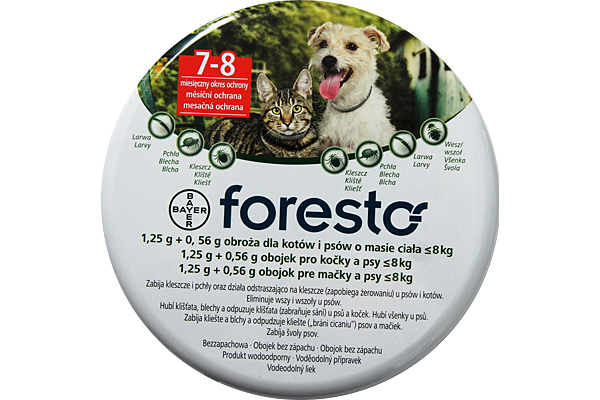
Foresto collar against fleas, lice, and ticks
Manufactured by the German company Bayer, this product is popular among pet owners, despite its relatively high price, as it effectively combats all types of parasites at various stages of development for 7-8 months. It is used both prophylactically and therapeutically, and contains imidacloprid and flumethrin. It effectively combats ectoparasites and ticks, preventing their attacks. Recommended for use on healthy animals over 10 weeks old (kittens) and 7 weeks old (puppies). It is contraindicated for use on sick, weakened animals, and pregnant or nursing animals. It is easy to use and comes with reflective clips for easy visibility in the dark.
Hartz flea and tick collar
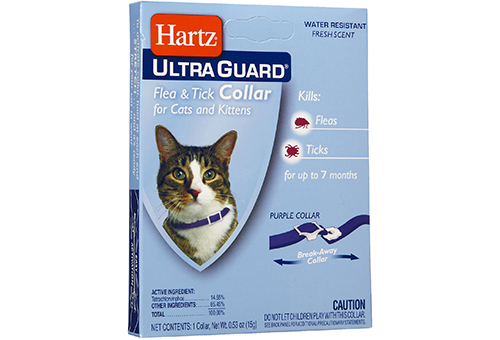
Hartz flea collar
This collar is used to treat and prevent parasites in pets. It can be used on kittens from 12 weeks of age and puppies from 6 weeks of age. It is effective against all types of parasites and their larvae. It begins actively killing insects within 24 hours of use. Its proven effectiveness makes it very popular among pet owners. Allergic reactions may occur when used in animals sensitive to tetrachlorvinphos, which is contained in the collar's microcapsules. It has a pleasant scent. It is effective against ticks for 5 months and against fleas for 7 months. It is waterproof and does not require replacement after exposure to water. Many users call this collar the most reliable and the best value for money. It fits comfortably and easily on the animal. Pet owners note that even animals with allergies respond well to this collar.
Gamma collar against fleas, lice, mosquitoes, ticks and horseflies
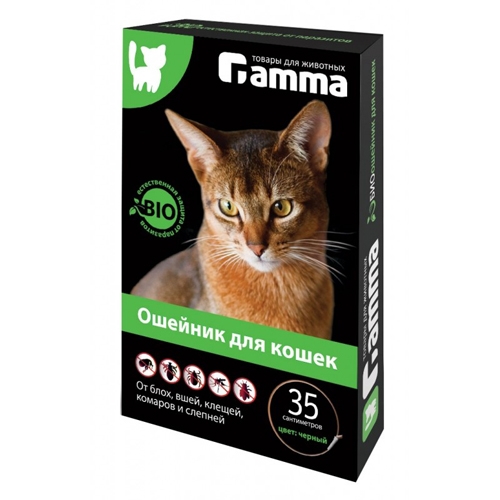
Gamma flea collar
Gamma collars are marketed as harmless and safe for animals. The main active ingredient is geranium oil, which also contains Siberian fir, tea tree, and sevilen oils. The collars are available for adult pets, puppies, and kittens. They protect against all types of ectoparasites and ticks. They have a pungent odor. Strict adherence to the instructions is required for use. They are recommended as a preventative measure in combination with other forms of protection (drops, sprays, and powders).
Rainbow collar against fleas and ticks
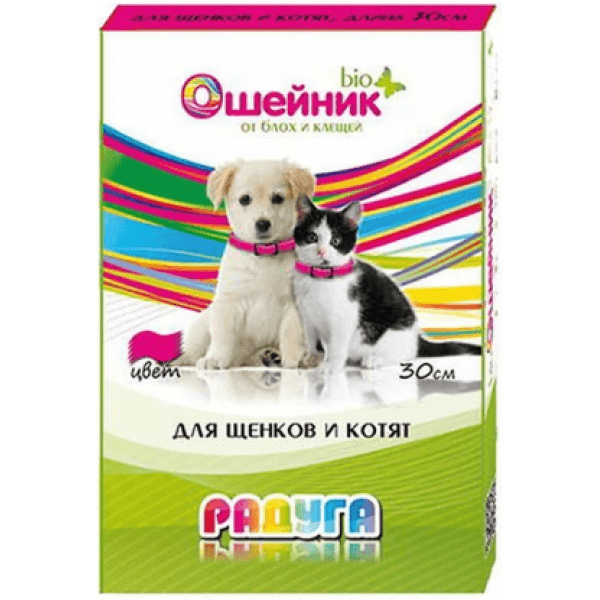
Rainbow Flea Collar
The "Rainbow" line of bio-collars for dogs and cats is a safe flea and tick repellent. The line includes collars for adult pets—one for each animal, one for puppies and kittens, and one for both. Contains natural ingredients such as peppermint, chamomile, and anise essential oils, which effectively combat external parasites for three months without harming the animal. Easy to use, thanks to a high-quality clasp, ample length, and a pleasant scent. Popular with pet owners for its quality, low cost, and vibrant colors, it is recommended for preventative use rather than primary protection against fleas and ticks.
Bolfo flea and tick collar
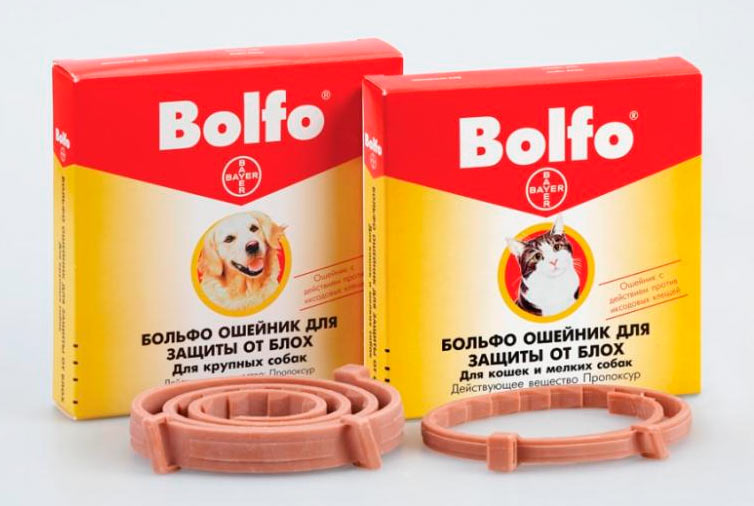
Bolfo flea collar
Effective insecticidal acaricidal flea collars from Bayer (Germany). Containing the active ingredient propoxur, they are recommended for animals over 3 months of age and effectively combat external parasites. They provide protection against fleas for 5 months and ticks for up to 10 weeks. Do not use on sick or weakened animals, or on pregnant or nursing cats or dogs. They fit securely around the neck without causing chafing. Users report the collar's effectiveness, eliminating fleas within a few days.
Inspector collar against internal and external parasites
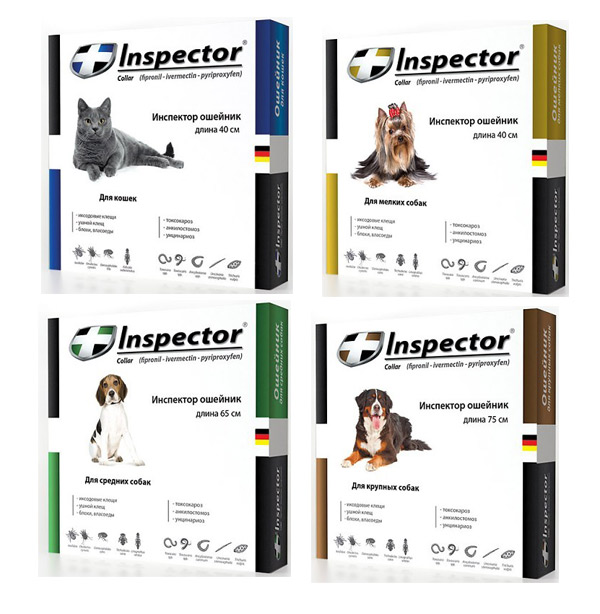
Inspector Collar against parasites
"Inspector" collars have proven themselves to be effective antiparasitic agents, effectively targeting parasites (fleas, ticks, and worms) at various stages of development. They are used both for the treatment of infected animals and as a preventative measure. The active ingredients are fipronil, pyriproxyfen, and ivermectin. They are suitable for pets who enjoy social interaction with other cats and dogs, as they provide reliable protection against virtually all types of parasites.
Rolf Club collars against internal and external parasites
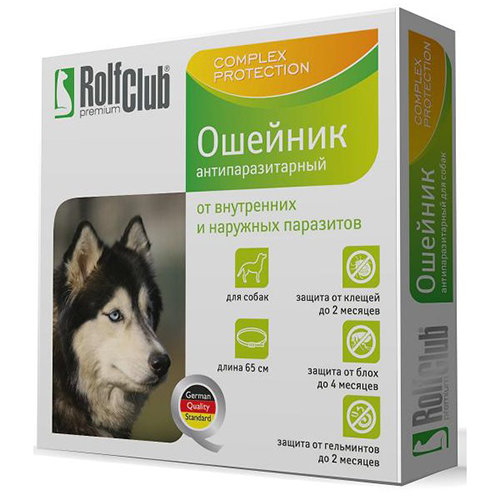
Rolf Club flea collar
These are among the most effective antiparasitic collars available. They protect not only against all types of external parasites but also against helminths. They actively target insects, causing their death within 24 hours of use. The active ingredient is ivermectin.
- Protection against helminths (nematodes) for up to 2 months.
- Protection against ticks for up to 2 months.
- Protection against fleas for up to 4 months.
Choosing a collar for your pet
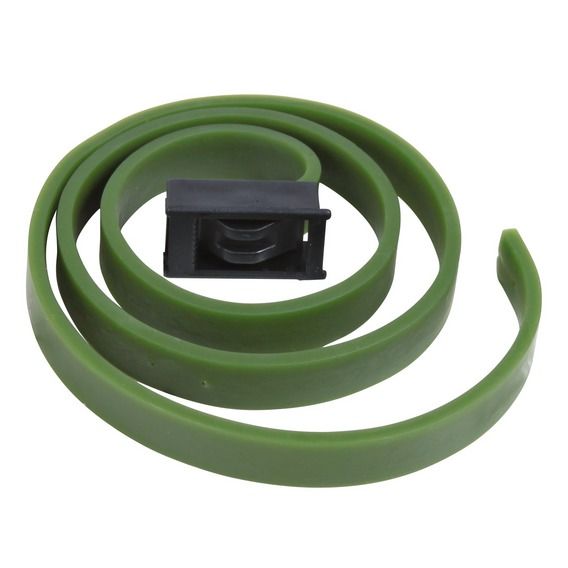
Green collar
To reliably protect your pet from parasites, you should choose a collar carefully. Consider the following factors:
- height and weight of the animal;
- pet's health condition;
- pet's age;
- tendency to allergies.
Collars for cats
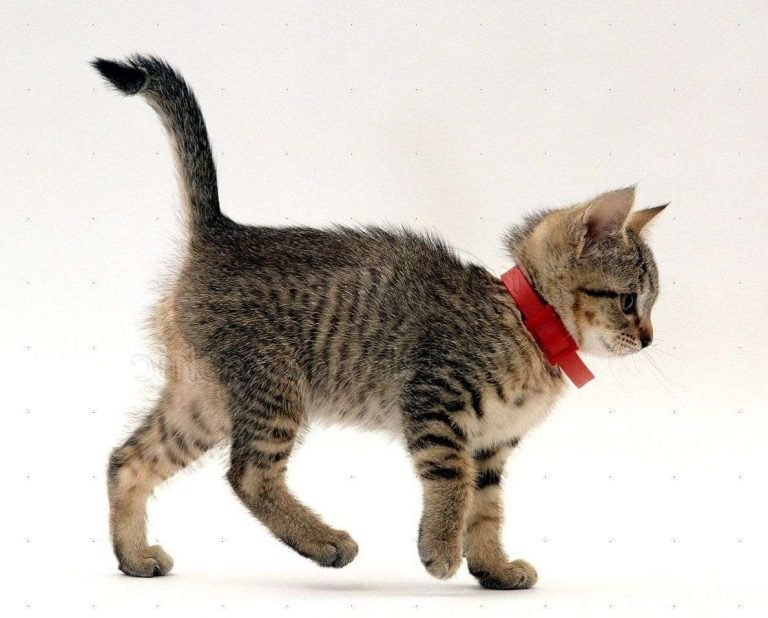
Kitten in a flea collar
- First, it's important to compare collar prices: a quality product can't be cheap. But even the most expensive collars can sometimes fail. Therefore, it's best to buy a mid-priced flea collar.
- You can research headband ratings online and read reviews, but it's better to rely on the experiences of real people about the effectiveness of a particular model. As a last resort, inquire with the seller about the product's popularity.
- Protective headbands are selected based on the age and physiological condition of the animal. Models for adult or pregnant cats, as well as small kittens, vary in size and active ingredient concentration.
- Carefully examine the product packaging. It should be intact and have an expiration date indicated. Be sure to pay attention to the information about the material and the ingredients it's impregnated with, as well as the concentration. Ideally, the flea collar should contain low-toxicity compounds that won't adversely affect your cat's health. It's best to avoid tape impregnated with amitraz, permethrin, or high concentrations of organic phosphates (over 15%).
Dog collars

Flea collar on a dog
- When choosing an accessory for your dog, consider its breed and size. There are special collars designed for small, medium, and large dogs. They vary in strap length and insecticide concentration. A helpful tip: be sure to measure your pet's neck circumference before purchasing.
- Then, popular model ratings and manufacturer information are reviewed, and prices are compared. It's best to focus on accessories with a mid-range price.
- Pay attention to the packaging: check the expiration date and ingredients. Avoid purchasing products with damaged packaging, as essential oils and insecticides tend to evaporate.
Collars for puppies or kittens

Puppy and kitten
When choosing a collar for a small pet, remember that they are not recommended for puppies or kittens under 6 weeks of age. Furthermore, the use of collars intended for adult animals is strictly prohibited, as the concentration of toxins contained in collars designed for adult animals, while safe for them, can be fatal on a small pet.
When choosing a collar for a kitten or puppy, pay special attention to the clasp. It should be secure and able to be released if an active puppy gets caught in the collar. This will protect your four-legged friend from the risk of strangulation.
Instructions for use and precautions when using flea collars
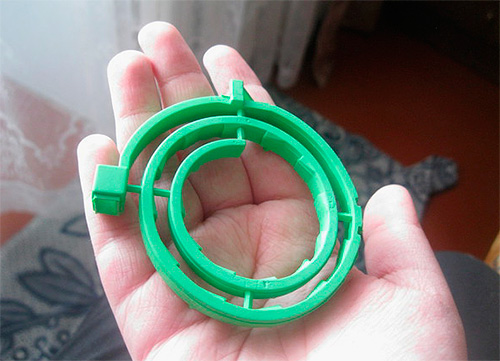
Application requires compliance with the rules of use
When using flea collars, it's important to strictly follow the instructions on the packaging. Typically, it's quite simple: remove the collar from the packaging, place it on your pet, and secure it with the clasp. The collar should fit snugly around the neck, but not too tightly. An adult's finger should fit between the collar and the pet's neck. The collar should be worn at all times and removed only for bathing. When storing, place the flea collar in a tightly sealed plastic bag to prevent the active ingredients from escaping.
However, there are safety precautions to keep in mind when using the collar.
- During the entire period of use of the collar, it is not recommended to use other antiparasitic drugs and agents to avoid poisoning the animal with insecticidal substances.
- Monitor your pet's reaction to the collar, as insecticides can often cause an allergic reaction in sensitive pets. If dermatitis occurs, remove the collar immediately and wash the area where your pet's fur and skin come into contact with the collar. If a severe reaction occurs, take your pet to the veterinarian immediately. A different brand of collar may be necessary.
- After putting the collar on the animal, the owner must wash his hands thoroughly.
- Do not allow your pet to chew on the collar or any of its parts, as this may result in poisoning.
DIY flea collar

You can make a flea collar yourself.
Making a flea collar yourself isn't difficult. All you need is:
- a cotton ribbon 10 cm longer than the animal's neck circumference;
- witch hazel extract (available at pharmacies);
- essential oils (purchased at the pharmacy) with anti-flea properties - lavender, cedar, thyme;
- Make your own garlic oil or buy it at the store.
In a special container, mix three tablespoons of witch hazel extract and garlic oil, add six drops of each essential oil, and soak a cotton band in the mixture. After soaking, let the band dry for one to two days and then attach it to the animal. This homemade collar lasts only one month, after which it needs to be re-soaked. It's best to prepare a fresh solution each time, as it loses its original color quickly.
A homemade collar has a rather pungent odor, so your pet may react to it inappropriately. This type of impregnation is generally not suitable for cats, as they may have an allergic reaction to the ingredients. A lavender or rosemary tincture infused with alcohol is more suitable for them.
Contraindications and side effects of flea collars
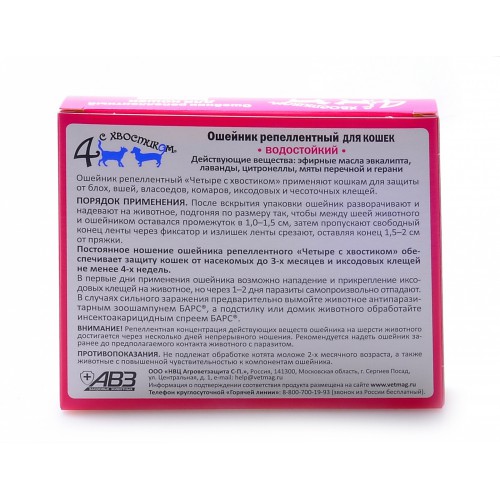
Instructions for use
A common contraindication for using collars is an animal's allergy to certain components. In this case, it's worth choosing a different brand of collar or one with a different type of parasite control, such as an emitting or ultrasonic collar instead of an insecticidal one.
Sometimes the collar can cause side effects, including increased salivation and lacrimation, nausea, and even vomiting. In this case, it's necessary to change either the collar brand or the antiparasitic product itself.
Sick or weakened animals should be treated with particular caution. The use of collars as a form of protection against parasites is generally not recommended for them.
There are special collars for small kittens and puppies; only these should be used.
Reviews

Cats and dogs
The Bolfo flea and tick collar isn't the first collar we've bought for our dogs, including our dachshund. It's a very good collar: long, doesn't rub, doesn't smell (some have a strange odor that makes dogs sneeze at first, and we had one of those), and is colorless (there are some coated with a white powder, which sometimes makes dogs sneeze). It also lasts a long time. However, nothing is perfect; sometimes a dog does bring back fleas and ticks from a walk. This is a real tragedy for us, because we also have a cat. If strangers enter her territory, everyone, cats and dogs, get itchy. Plus, ticks are infectious. With a collar like this, I'd still recommend investing in some kind of spray to treat your dog, especially in the summer, before walks.
The collar protects against fleas, ticks, mosquitoes, lice, and other critters. It's oil-based, making it safe for pets. However, the collar has a strong odor. I observed the collar at my dacha. Flies and mosquitoes flew around the dog, but didn't land. No fleas yet. The dog likes to run in inaccessible, overgrown areas. Last summer, there were fleas, when we used the "Bars" collar. There haven't been any ticks yet either. I try to change the collar about every month, just in case. It's fine. I recommend it.
We bought our dog a Rolf Club Premium collar. It fits perfectly, won't come loose under any circumstances, and doesn't rub, pinch, or scratch his neck. It's easy to use and completely odorless—a big plus. I once bought my cat an inexpensive collar, but it smelled so bad she went into hysterics. I had to throw it out. And since then, she refuses to wear anything around her neck. The dog doesn't care—she's long since gotten used to collars and leashes, and the strange smell doesn't bother her because it's simply not there. It's expensive, but it's convenient and provides excellent protection. Even though she wanders into all sorts of "dangerous" places, actively interacts with other dogs, and rummages in the grass and bushes, she doesn't have any fleas or ticks, and I hope she never will.
The "UYUT" bio-collar against fleas and ticks for cats is ineffective. We bought this collar for our Murzik because the "BIO" label made us think it was safe. But it seems the collar is also safe for fleas themselves. Sure, their numbers have decreased slightly, but it didn't save our pet from this scourge. It all ended with Murzik simply losing it somewhere after a couple of weeks.
Dr. Zoo Bio-Collar. On the very first day of wearing this "miracle" collar, my dog vomited several times. We initially thought it was the food, but the same thing happened the next day. My beloved became lethargic and inactive. I thought she was dying. Only when I took her to the vet did they explain that this collar wasn't as good as I thought. They bought her a different collar, but she didn't wear it for two weeks. Now my pet is full of energy! Don't be lazy and ALWAYS check everything you buy for your pet.
For many years, I've been buying Hartz flea, flea egg, and tick collars for my Yorkies, both for puppies and adult dogs. Their main advantage for my pets is the lack of a strong odor and the long-lasting protection against fleas, flea eggs, and ticks. They begin working immediately after being put on and reach maximum protection within a few days. After removing the collar from the packaging, shake it, releasing a powder—the active ingredient. We put them on in early spring and wear them until late fall. Considering that these dogs are "couch potatoes" and often sleep in their owners' beds, the lack of a strong chemical odor is also important. The collars generally last throughout the warm season; in particularly humid years, I add Hartz drops to the withers. They can be worn during bathing. The price seems a bit steep, but if you consider how many collars you've purchased during the warm season and at what price, the financial benefit is obvious. I'm writing this for dog owners who suffer from allergies and are unsure which brand of collar to buy. I've tested it myself, and I recommend it to you, too.
Advice from a leading veterinarian at Four Paws: Flea and tick collars
Flea collars for pets are an effective means of controlling parasites. However, it's important to choose the collar brand carefully, opting for trusted manufacturers. To avoid any negative consequences, it's best to consult a veterinarian before using a collar, who will recommend a personalized protection product tailored to your pet's needs and health.