Dogs
Top 15 Decorative and Indoor Dog Breeds 
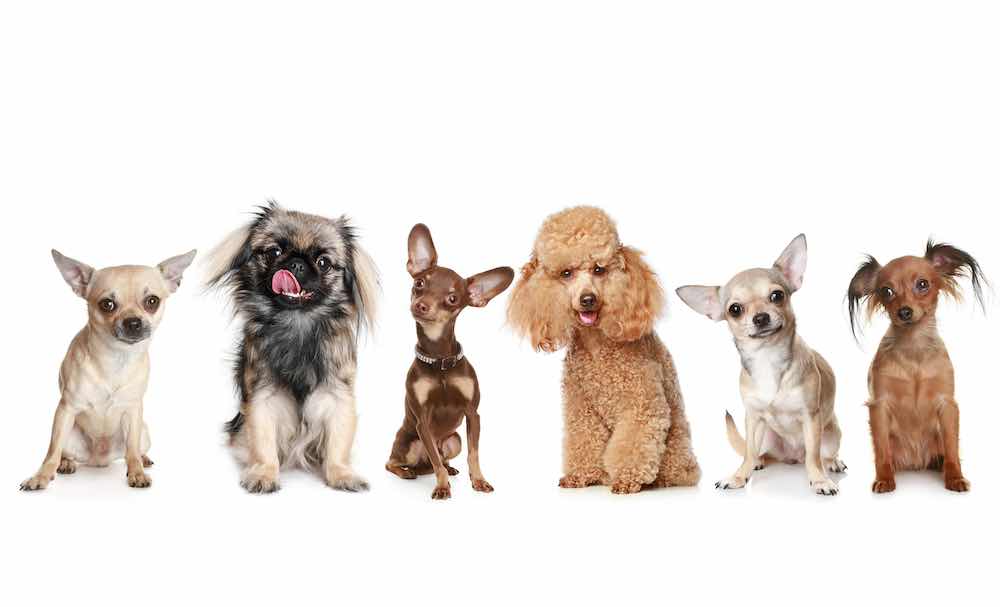
Toy dogs are small dogs, often bred for companionship and ornamental purposes. They are distinguished by their appearance and often have attractive traits, such as a beautiful coat, unique facial features, or small size. Toy dogs are typically designed for indoor living and have a friendly and affectionate nature. They typically require less physical activity and a smaller living space. However, it should be remembered that all dogs, including toy breeds, require proper care, socialization, and training. They also require regular walks and active participation. Choosing a toy dog breed should be carefully considered, with a potential owner considering their abilities, lifestyle, and ability to provide the dog with everything it needs for a comfortable and healthy life. Toy dog breeds with photos and descriptions. All dogs are wonderful, but among toy breeds, here are some considered especially popular: Yorkshire Terrier: a small dog with a soft coat and long hair, independent by nature. The Yorkshire Terrier was developed in Yorkshire, England, in the late 19th century and was originally used as a ratter. Height at the withers: 10-20 cm, weight: 0.5-3 kg. Yorkshire Terriers have a thick, silky coat in a variety of colors and live 12-18 years. Read more
How to measure a dog correctly
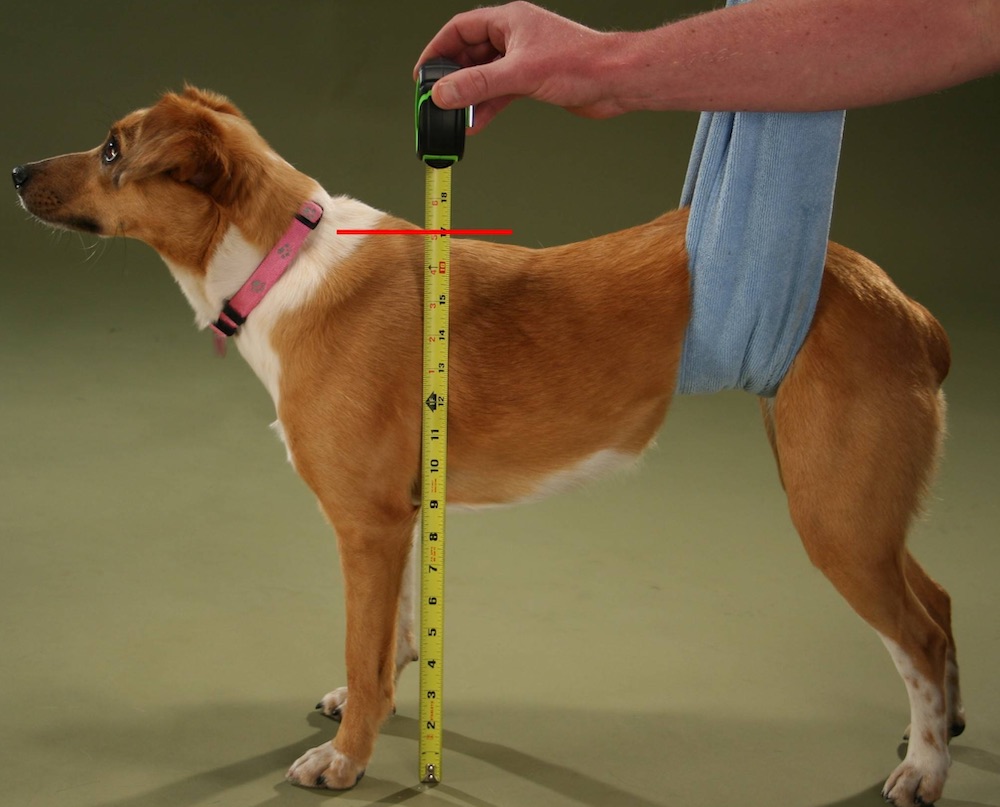
Measuring a dog is a simple matter. There are many reasons for this procedure, so measurements are taken in different ways. There are often situations where you can take a small dog with you, but not a large one. How do you determine which category a dog belongs in? You need to measure its size in one place or another. Pets, except for stray dogs, are often dressed for cold weather; clothing is produced for this purpose in certain sizes. To avoid making a mistake when buying, measurements are taken in advance. Of course, a dog may resist this procedure, but it is not difficult to convince it to stand still. How to measure a dog's size Dogs are conventionally categorized as small (up to 28 cm), medium (28-60 cm), and large (over 60 cm). Height depends on breed and sex: males are usually slightly larger than females. A dog's size can also fluctuate with changes in diet, health, and lifestyle. By periodically measuring your pet, you can notice any unwanted changes in time and adjust your care.Read more
How to insulate a dog house for winter
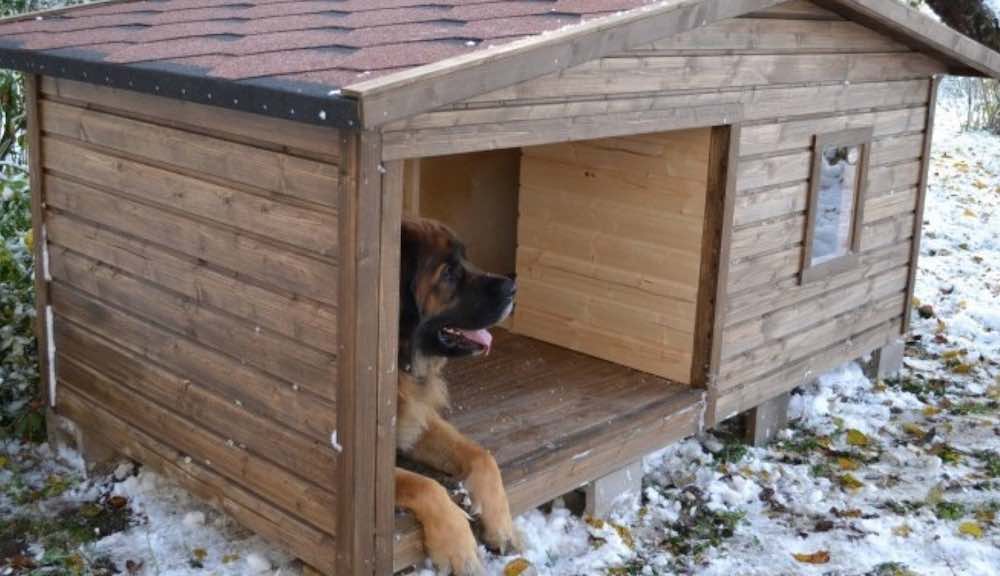
Insulating a dog house yourself is not a difficult task. Whether it is necessary depends, of course, on the regional climate and the pet's breed, but in most cases, insulation is highly desirable. After all, dogs, like any warm-blooded animal, can easily tolerate only mild cold snaps. To ensure a dog's comfort during harsh winters, keeping wind out and rain and snow out, owners must put in the work. Fortunately, insulating a dog house is inexpensive, and any owner can handle the job. What insulation is best for a dog house? An insulated dog house ensures that your pet will not only be healthy in the cold but also ready to perform its primary duties—guarding the yard and delighting its owner. Before insulating, it's worth checking whether the house needs repair or relocation. The cost of insulation may be wasted if the dog's home is already bursting at the seams or is located in a windy area.Read more
Should I Get a Second Dog? The Pros and Cons
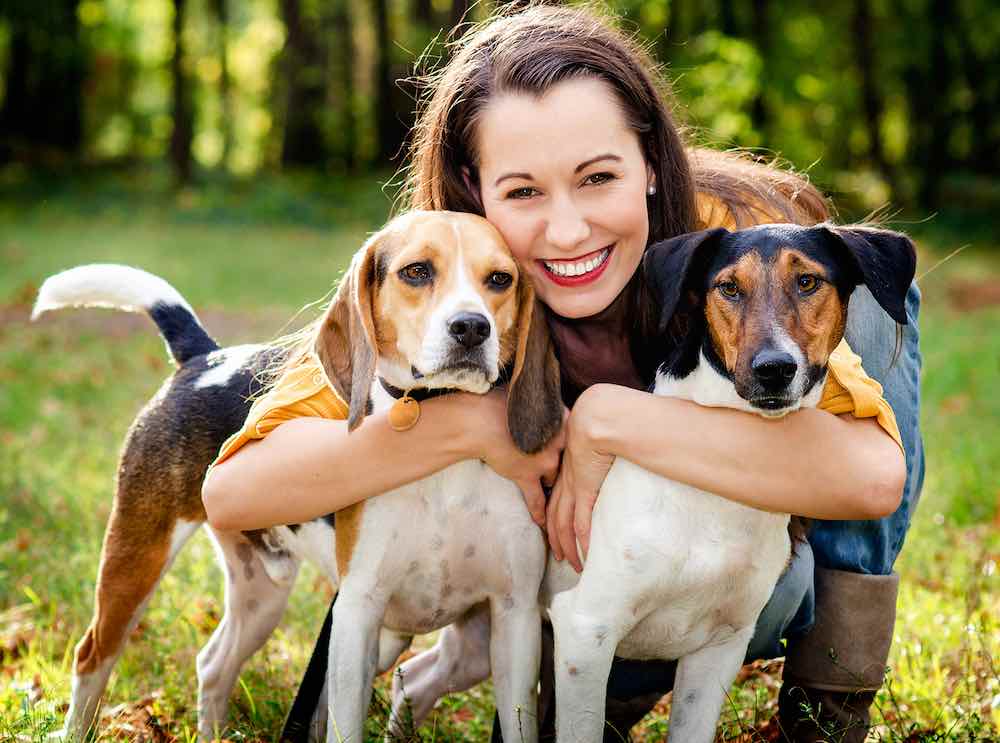
One dog in the house is good, but two... even better? Or would it be a disaster? Dogs can become friends or enemies—their relationship will depend on many factors. But when deciding to become the owner of a second pet, a person should be guided not by emotions, but by common sense. There is nothing strange or wrong with wanting another dog (and sometimes circumstances are such that the choice is limited). But you need to soberly assess your abilities: you will need an adequate approach to their training. For example, both animals may tease each other in games or barking; their owner can find it difficult to manage even one dog, and with two, this task may seem downright impossible. In this article, we will examine the pros and cons of having two dogs in the house, how to choose a breed, introduce the pets, and ensure their comfortable existence in a shared space. A second dog - pros and cons Read more
Should I keep a Jack Russell in my apartment?

Lively, friendly, and active at any time of day, this dog is a friend and family member. The vitality and positivity this hunting breed exudes are so intense that they can charm even those who don't know them. Many first encountered these terriers in the film "The Mask": an energetic and charming "good mood generator"—how could you not fall in love with him? Sociable, cheerful, and always active, the Jack Russell Terrier might feel cramped in an apartment, but in a private home, such a dog will be a joy to own. Choosing a breed for an apartment or house can not only impact the lifestyle of household members but also change many of their outlooks on life. Before deciding on a four-legged hunting companion, weigh the pros and cons, thoroughly familiarize yourself with the breed's characteristics, and especially the dog's temperament. Brief description of the breed: At first glance, the Jack Russell appears overly active and overly clingy: everyone remembers its playful demeanor. It is affectionate and playful, despite being a hunter. Russells first appeared in Great Britain in the 19th century.Read more