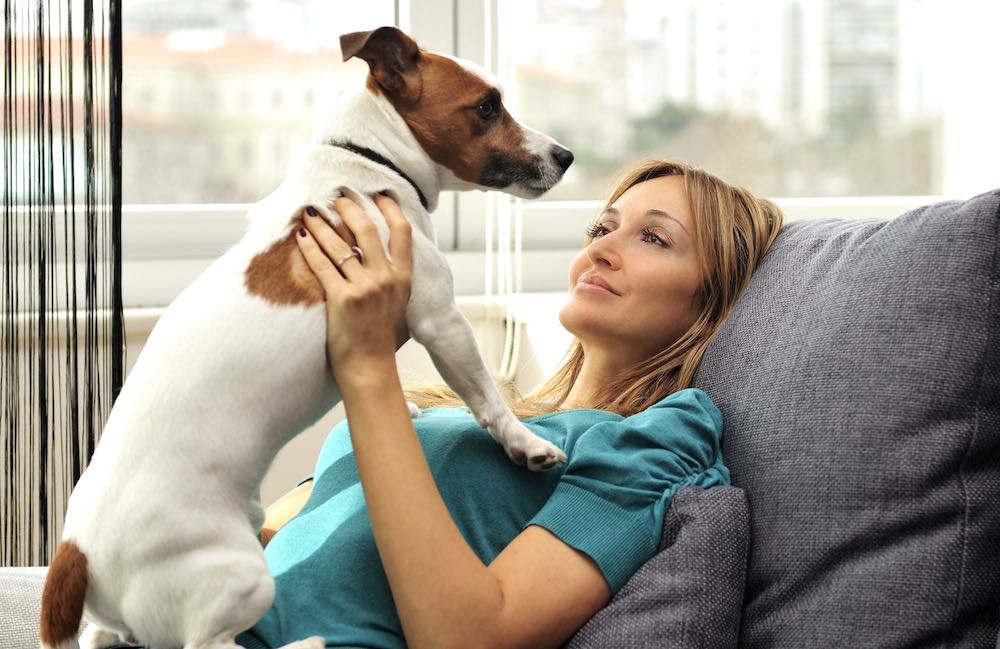
Lively, friendly, and active at any time of day, this dog is a friend and family member. The vitality and positivity this hunting breed exudes are so intense that they can charm even those who don't see them. Many first encountered these terriers in the film "The Mask": an energetic and charming "good mood generator"—how could you not fall in love with him? Sociable, cheerful, and always active, the Jack Russell Terrier might feel cramped in an apartment, but in a private home, such a dog will pose no problems for its owners.
Choosing a breed for your apartment or house can not only impact your lifestyle but also change many of your outlooks on life. Before deciding on a four-legged hunting companion, weigh the pros and cons, thoroughly familiarize yourself with the breed's characteristics, and especially the dog's temperament.
Content
Brief description of the breed
At first glance, the Jack Russell appears overly active and overly clingy: everyone remembers its playful demeanor. It is affectionate and playful, despite being a hunter. Russells first appeared in Great Britain in the 19th century.
Some interesting facts about this breed:
- Jackies were bred to hunt small game (water rats, hares) in burrows. It's no surprise if your dog shows an unusual interest in various hiding places around the house or apartment or tries to "dig for treasure" in your blanket.
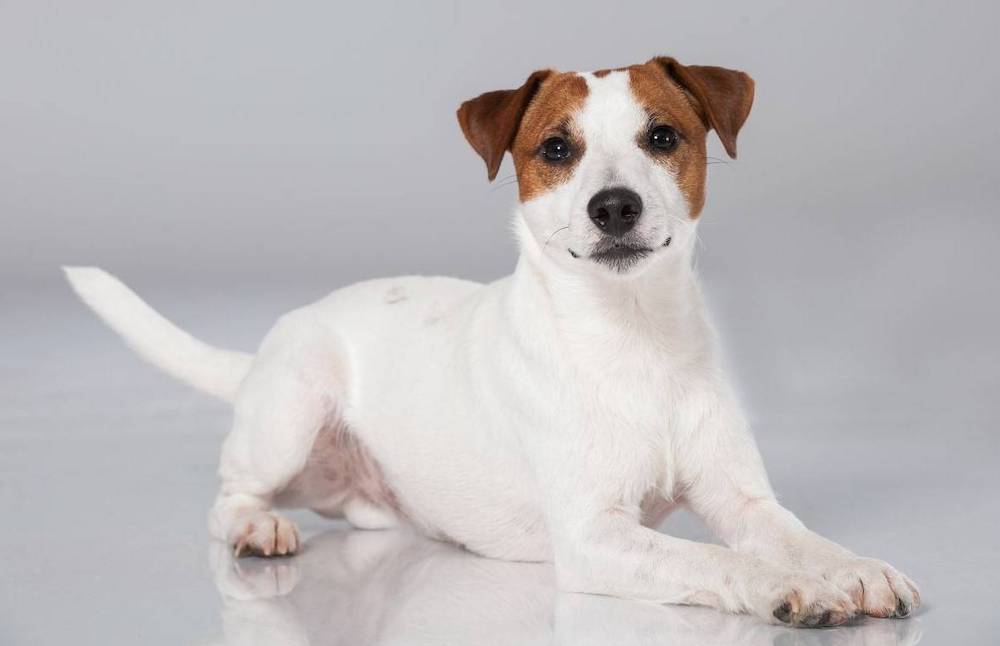
- The dog is predominantly light-colored, with dark brown, reddish, and gray markings. The coat is generally harsh, smooth, or broken.
- They have a short neck, narrow chest, and muscular hind legs.
- The height at the withers is 30-32 cm, in some cases up to 38 cm. The average weight of an adult is 4-6 kg.
- The minimum activity of the breed per day is no less than 2.5-3 hours.
- There are dogs with short, wiry coats, as well as long coats with bushy eyebrows and a beard. A third option is the Jack Russell, with medium-length coats.
- Jack Russells have dark, rimmed eyes, a black nose tip, and floppy, mobile ears. Their tail is straight, short, and usually docked.
- An adaptive and intelligent dog will allow itself to be twisted around its own strings, provided that it receives everything it needs, namely, games, freedom, care, and attention.
- Jack Russells live 10-15 years.
Why you shouldn't keep a Jack Russell in an apartment
The thing is, a dog will get bored within four walls. But the owner won't be bored at all, because the dog needs to release its unbridled energy: if it can't do this through active games, running, and hunting, then it will throw a "party" in the apartment. It's not its fault—it's a characteristic of its character and breed.
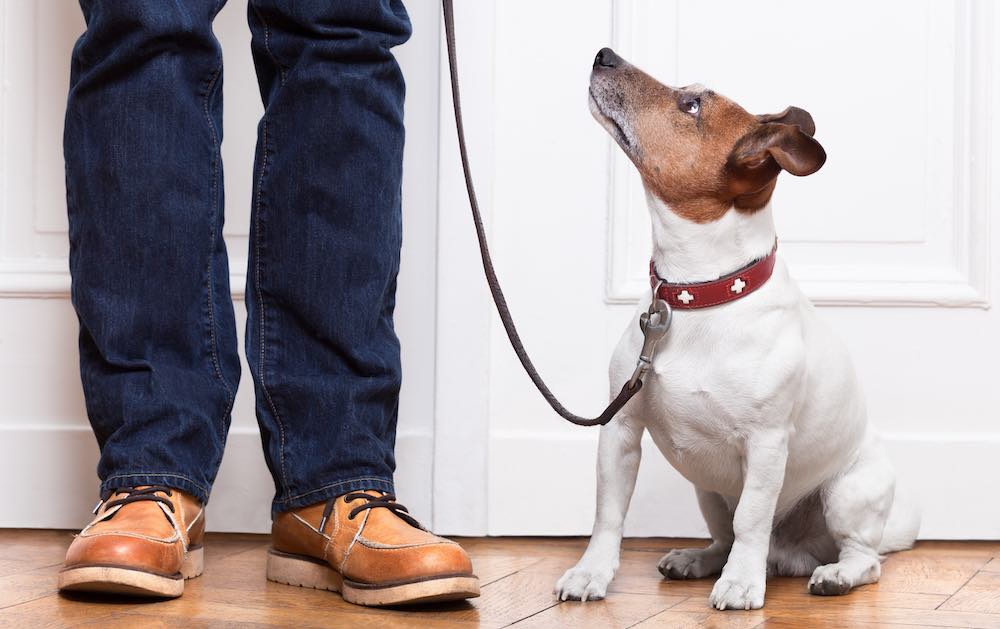
Four-legged "hunters" are generally unsuitable for living in a high-rise building. The Russell Terrier's unbridled, explosive nature will leave no one in the household or the neighbors in peace. Moreover, the breed is completely unsuitable for the elderly or those with limited activity levels. In reality, this is a hunting dog, and you can't argue with nature.
If you really want a "dog from Maska," try to create conditions that will make your pet comfortable:
- Russell loves to dig holes; any small rut is a potential hiding place. It's good when a dog digs. Without immediate access, the floor and carpet will suffer.
- Chewing anything poorly hidden, that is, lying in plain sight. These "hunters" often damage household property. It's especially unpleasant when the owner has to justify damaging someone else's (or a neighbor's) property. Jack Russells are hunters; dogs of this breed are not only keen on chewing as puppies, but they also love to chew on anything that isn't nailed down. It's better for a Jack Russell to get his teeth on a stick or a branch than on the leg of an expensive sofa.
- They are completely intolerant of any other pets except those that are larger and objectively stronger. They will chase tame rodents (mice and hamsters), guinea pigs, and cats, persistently and categorically. Keep in mind that Russell Terriers are extremely dangerous to poultry and rabbits.
- Jack Russells become restless when left alone. They are energetic and independent, extremely active. They have a fiery nature, with a desire to "seek, hide, and seek again." All these facts indicate that an owner accustomed to a calm and measured life risks becoming overwhelmed by this terrier. These dogs are best kept in a private home with a yard.
Please note: if you don’t walk your dog for a long time, both your furniture and walls will suffer.
Another problem is a love of freedom and increased activity: Jack Russells can easily become "fugitives," owing to their unbridled hunting instinct. Just be prepared: discourage any attempts and strictly monitor their off-leash behavior.
The Jack Russell is a bully and a playboy. Their capricious and highly active nature requires attention: a breeder will need to spend a significant amount of their free time working with the dog. This dog requires an experienced owner who devotes considerable attention to training and education.
But despite some shortcomings of the breed, the advantages are much greater.
Read also about Staffordshire Terriers.
If you decide to get a "dog from Mask"
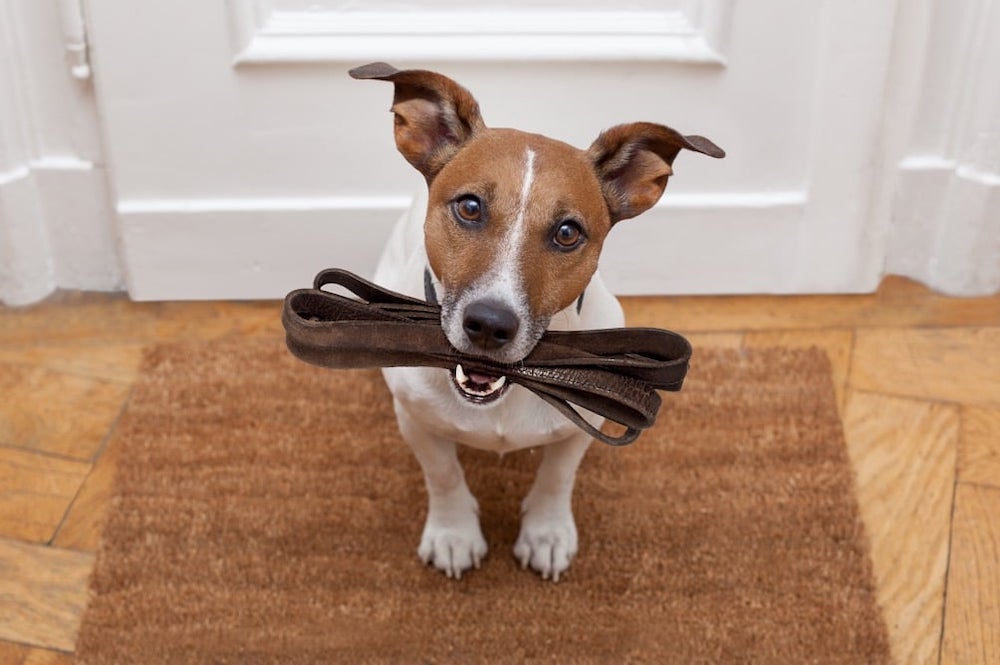
The "Mask Dog" requires a lot of physical activity, does not want to sit still, and requires a lot of active attention:
- Buy your Jack Russell plenty of toys so they can chew on them instead of furniture. It's also a great way to provide entertainment and some activity.
- Most likely, you will need to hide the wires and move the sockets to inaccessible places, and put away sharp objects.
- Try to walk and play with your dog more often, otherwise your Russell Terrier will start to waste away. This hunter requires much more exercise than other hunting breeds.
- Train your Russell Terrier daily. Unbridled hyperactivity can quickly turn into annoying persistence. Take him for jogging, bike rides, or to the park. Russell will happily and tirelessly play with you and your children.
- It's easier to stop misbehavior in terriers during adolescence. Teach them to respect you and appreciate your attention and requests—they're actually responsible dogs, and with proper training, they won't misbehave unnecessarily.
- If you're getting a Jack Russell Terrier soon, a powerful vacuum cleaner will be your best friend: daily cleaning is inevitable. Although this pet doesn't shed excessively (they don't leave behind a sea of fur), they do shed regularly.
It's recommended to bathe the dog every two weeks, with earplugs placed in its ears to prevent water from entering. During active shedding periods, this treatment is performed daily. Mucous membrane care is standard, with weekly inspections. A Russell Terrier's problem area is its teeth; regular brushing of the canines is recommended. Their short, erect ears also require attention: monitor their general condition and clean them monthly with a damp cloth and cotton pads.
The standard diet for "hunters" is 60% protein, including meat and organ meats. Additionally, include grains, vegetables, cereals, dairy products, and eggs. If the dog is on formula, it's recommended to occasionally introduce natural food into the diet, but not to mix it. With a regular diet, broths, grains, vegetables, and organ meats must be supplemented with vitamins. Water should always be freely available.
The most common health problems for Jacks are diabetes and arthritis. Tartar is another common problem for this hunting breed.
Jack Russell Terriers also require standard vaccinations for distemper and rabies. Starting in puppyhood, they will require regular deworming. The breed isn't known for its illnesses, but regular veterinary visits will protect your active pet from many problems. Only a qualified professional can provide dental, ear, and coat care, as well as recommendations for a nutritious diet.
Tips and nuances
If you decide to buy a Jack Russell Terrier puppy, it's worth getting to know the breed well, as this dog is not suitable for everyone.

This is a pet with its own temperament and character, each moment is individual:
- This is a hyperactive breed: it loves to run and exercise. Therefore, the Russell Terrier is a good choice for someone with an active lifestyle.
- Small size. Jack Russell Terriers are small, making them ideal for apartment living (though keep in mind that they'll get bored without regular, long, active walks). They also fit easily into a carrier, backpack, or even in your arms.
- To raise such a pet, you'll need to rethink your daily schedule and overall lifestyle, especially if you're not a hunter or sportsperson with a ton of free time. Jack Russells are all about movement.
- The "Dog from Mask" is incredibly sociable and not jealous. She loves children, is kind, and friendly with other dogs.
- Avoid walking a very young Jack Russell Terrier in noisy, crowded places. Allow the young dog to adapt, teach him basic commands, and teach him how to behave around people, especially around children. A young Jack Russell Terrier's activity and mischief are sometimes perceived by others as rudeness and foolishness.
- This breed adapts easily to any conditions, making them perfect for traveling. They're also true athletes and will happily follow you to the mountains, the sea, or anywhere else.
- Jack Russells are true guards who will rush to your defense, even if the enemy is many times larger and clearly has superior strength.
- Despite their small size, they are strong, agile, resilient and incredibly fast.
- Easy care, minimal hair and no haircuts – these are the advantages of Jack Russells.
- The thrill of the hunt can become a problem. Any animal—a hedgehog, a squirrel, a cat—can instantly turn a pet into a hunter. Without training, it's a disaster.
- Jacks are cunning, love to manipulate and beg - the owner needs to constantly work on this.
- Destructive aggression towards dogs of the same sex. An unpleasant characteristic of the breed, which can also be corrected with training methods.
- Smooth-coated terriers shed regularly, several times a year. They are not suitable for allergy sufferers. Long-haired pets require careful grooming, so grooming will likely become your second profession.
The most important thing for a Jack Russell is training. To prevent the dog from becoming loud, destructive, disobedient, or aggressive, he requires a lot of attention. This "friend" is definitely not suitable for homebodies.
Why would a Jack Russell Terrier feel cramped in an apartment? Because it's not easy to tame the character of this small, yet very active dog. A hunter and a rebel, a prankster and a companion, he truly will become a true friend, captivating you with his love and zest for life. But this vibrant nature of this four-legged friend can only truly blossom in the wild—ideally, in a private home with a garden and at least a small grove of trees nearby.
When deciding to get a Jack Russell Terrier for your apartment, first of all, you need to consider your health and activity levels. Terriers are a source of endless positivity and energy in a small dog. If this is your thing, don't hesitate to get this "hunter from Mask."
Read also about Russian Black Terrier.