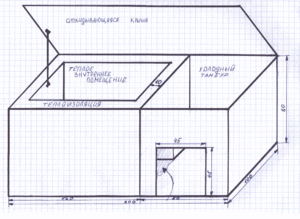
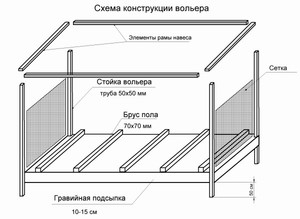
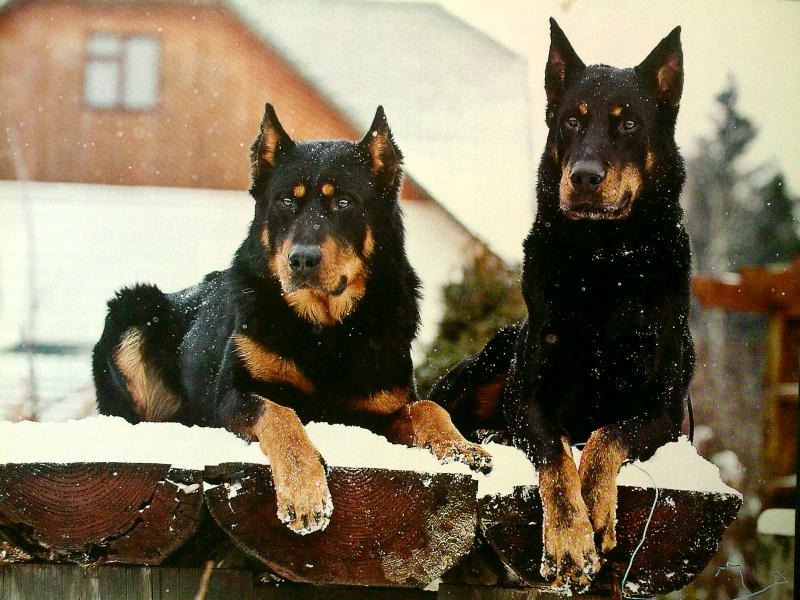
Insulating a dog house yourself is not a difficult task. Whether it's necessary depends, of course, on the regional climate and the pet's breed, but in most cases, insulation is highly desirable. After all, dogs, like any warm-blooded animal, tolerate only mild cold snaps. To keep them cozy in the harsh winter, keeping the wind out and rain and snow out, owners must put in the work. Fortunately, insulating a dog house is inexpensive, and any owner can handle the job.
Content
What insulation is best for a dog house?
An insulated dog house ensures that your pet will not only be healthy in cold weather but also ready to perform its primary duties—guarding the yard and keeping its owner happy. Before insulating it, it's worth checking whether the dog house needs repair or relocation. The investment in insulation may be wasted if the dog house is already bursting at the seams or is located in a windy area.
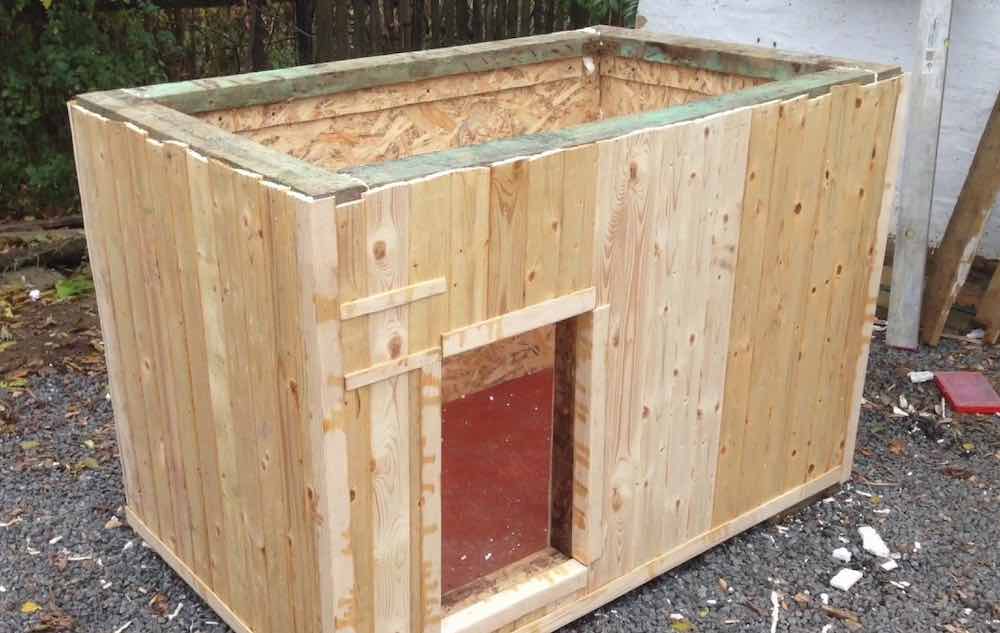
To begin with, it is advisable to ensure that:
- the entrance to the kennel was located where the winds blow to a minimum;
- the dwelling was made of natural wood and stood on a small elevation, preventing water from flowing inside;
- The kennel was the right size for the dog.
It's a good idea to keep the booth in partial shade: in this situation, temperature fluctuations inside it are reduced to a minimum.
Most often, a finished booth is insulated from the outside, but internal insulation is also possible during the construction stage.
In this case, the house is constructed to be easily disassembled, so that the insulating layer can be easily removed in the summer, and the layer of material itself is reliably insulated from the dog, so that it does not accidentally or intentionally damage it, and at the same time swallow the not always safe particles.
Of course, it is better to use natural materials for insulation, but this is not always possible, so one of the main requirements is that they do not emit harmful substances.
In areas where winters are not harsh, internal insulation of the kennel may be sufficient using:
- hay;
- straw;
- bedding in the form of a thick cloth rug.
If it gets too cold in winter, all structural elements (floor, walls, ceiling) are insulated with more “serious” materials.
The most commonly used ones are:
- FeltThis is an optimal and inexpensive natural insulation material, and it's also quite environmentally friendly. It offers satisfactory air and vapor permeability, ensuring a comfortable climate inside the kennel: wind is practically impermeable to the felt layer, and excess water vapor generated by the animal's respiration is easily removed. The felt is easily secured to surfaces with nails and can also be used as a curtain to close the entrance to the kennel.
- Mineral woolA popular material that provides more reliable insulation than felt, but is less safe to use. While felt can be left uncovered, mineral wool must be covered with an additional material (such as plywood), as microfibers can be very dangerous for a dog's health. Mineral wool lasts longer than felt, but it does shrink over time, which should be monitored. Glass wool is often sold as mineral wool, which is even more dangerous.
- Roll insulation. These are modern synthetic materials; polyethylene and penofol are the most commonly used, with sheets of these materials stapled to the outside of the booth. The work is quick and the insulation is reliable, but these insulation materials also require additional layers of protective material.
It's also convenient to use pieces of foam plastic, which can be easily secured to any surface with staples, tape, or even nails. However, the dog will likely chew on this insulation, so it will need to be covered as well. The foam plastic should always be removed for the summer, as it releases toxic gases in hot weather.
The methods for attaching the insulation depend on its nature and the kennel's design: for example, roofing felt can be more convenient for the floor. In addition to insulating the walls, ceiling, and floor, a curtain (or canopy) is essential at the entrance to the kennel; without it, rain, snow, and wind will enter the kennel.
In the simplest case, a curtain is made from a piece of tarpaulin or thick rubber, but it's advisable to attach an additional layer of insulation (felt or foamed polyethylene) to it. To prevent the curtain from being ruffled by strong winds, it can be weighed down, for example, with pockets of sand.
Then the floor is insulated:
- After turning the booth upside down, a layer of roofing felt is secured to the outside.
- After returning the home to its normal condition, lay a waterproofing film or roofing felt on the floor. Ideally, the layer should extend 3-4 cm up the walls.
- A layer of insulation is laid on the roofing felt, on top of which the finished floor (boards, plywood, slabs) is installed.
It is advisable to install the booth not on bare ground, but on a pre-prepared “cushion” of expanded clay or small gravel covered with a layer of roofing felt.
Next, begin insulating the walls, following the instructions for the insulation you purchased. Once the walls are finished, insulate the ceiling. This work is carried out after removing the roof, creating a sort of attic in the shed. This is treated in the same way as the floor. A gable roof is best; before replacing it, it's advisable to also cover the interior surface with a layer of insulating material.
Read also: DIY dog house.
Insulated Kennel: How to Keep Your Dog Warm
In a moderate climate, proper use of insulation materials will allow most dogs to survive the winter comfortably in a heated kennel. However, some dogs with very short hair will be uncomfortable even in such a kennel. Furthermore, many regions in our country have very harsh climates. In some places, dogs are moved indoors to their owners' homes for the winter. But if this is not possible, and the insulation is insufficient to create a comfortable microclimate in the kennel, a heated kennel must be installed.
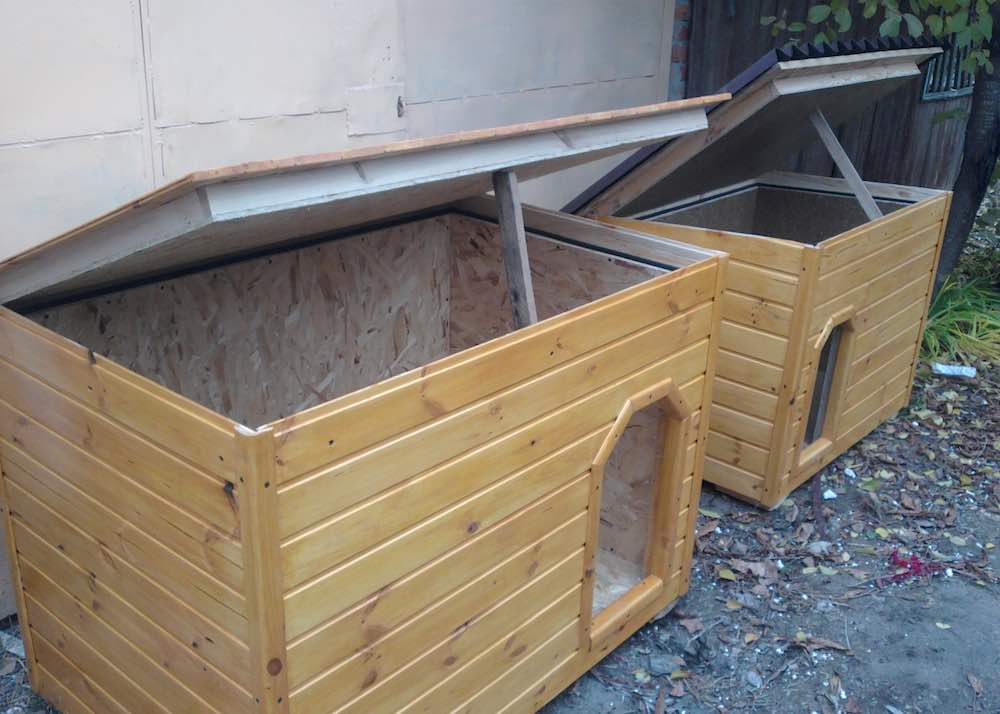
For this purpose, sometimes they simply hang an incandescent lamp in the kennel. However, a light bulb is of little help. Alternatively, panel or film heaters are used, and the most caring owners even install underfloor heating systems for their pets. Of course, any of these options is unsafe, as they require electricity.
Each method of heating a dog house has its advantages and obvious disadvantages. Panel heaters are perhaps the simplest. These are flat heating pads with a metal frame, approximately 2 cm thick and about half a meter long and tall. Their surface is heated by an electric current to 40-50 degrees Celsius, which is safe for your pet. The panel can be mounted on a wall or roof.
Such heaters:
- silent;
- do not change the composition of the atmosphere;
- do not require maintenance.
However, the idea that they are energy-efficient isn't entirely accurate: like any heating appliance, panel heaters consume a significant amount of electricity over long periods of use. However, the power regulator and temperature sensor found on many models can help save significant amounts of energy.
Film heaters are a modern option. These are very thin devices (essentially a roll of laminated film) that generate infrared rays when exposed to an electric current.
Such heaters:
- more economical;
- safe (the film itself hardly heats up);
- durable;
- are able to distribute heat evenly throughout the room without drying out the air.
However, the cost of film IR heaters is still quite high.
An underfloor heating system can be either commercially available or homemade, although installation errors can easily lead to a fire. The heating cable is installed in one way or another within the kennel floor. In addition to the cable, a thermostat is required to set the desired temperature (usually around 50 degrees Celsius). The cable, embedded in the floor, is then covered with sand, which transmits heat into the dog's home.
Read also, How to build a dog run with your own hands.
How to treat a dog house for parasites
Disinfection of a kennel isn't related to its insulation, but if a dog is bothered by ticks or fleas, it will feel uncomfortable even in a warm room. Standard, traditional methods for disinfecting a kennel include using creolin or formalin. These substances are quite dangerous for warm-blooded animals and have an unpleasant odor, so in recent years, more gentle measures have been adopted, such as special collars that repel and kill ticks and fleas. The kennel itself, however, is treated with modern acaricides and insectoacaricides.
It's difficult to recommend a specific product, as ticks and insects quickly adapt to a particular poison, and chemists are constantly refining the formula. It's important to follow the instructions strictly, observing safety precautions. Goggles and a respirator are required during treatment. The dog should only be allowed into the kennel after the time specified in the instructions has passed.
Dog owners who don't trust pharmaceutical advances try to limit themselves to folk remedies when it comes to expelling parasites.
For example, the following help against fleas:
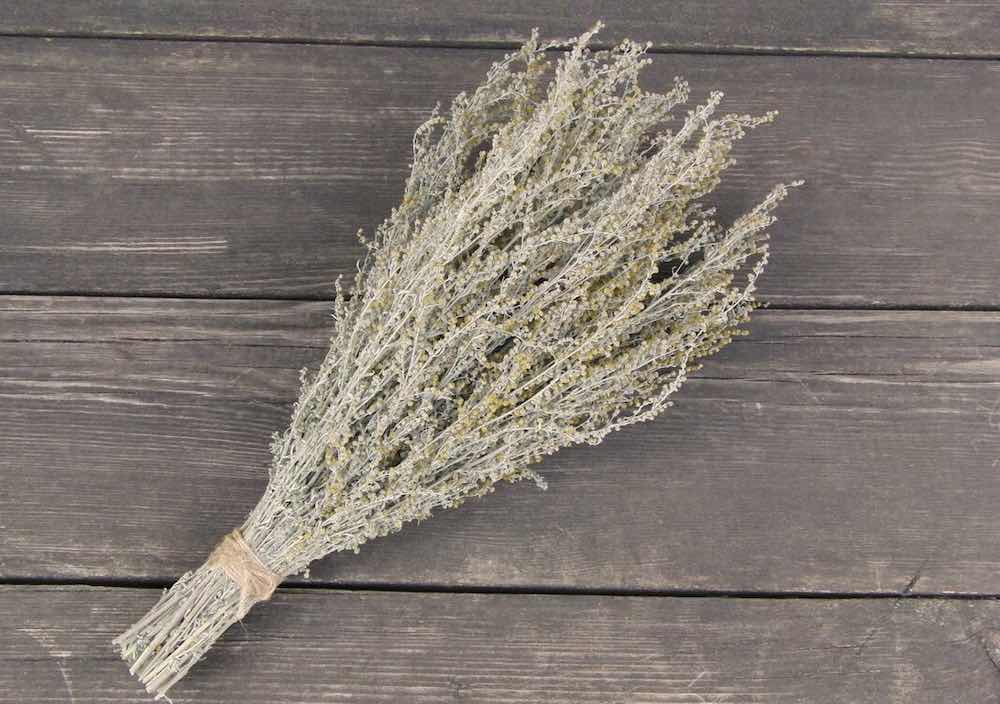
- wormwood, branches of which are hung on the walls of the dog house and periodically renewed;
- pine sawdust added to dog bedding;
- garlic, an infusion of which is used to treat the walls of the kennel in boiling water.
There are also more complex folk remedy recipes that involve the use of lavender, juniper, cedar, eucalyptus oils and other natural ingredients.
Tips and nuances
When using any heater, keep in mind that dogs can chew through the cable, so protecting it is crucial when using electric current. If the winter is not particularly harsh, it's best to avoid it.
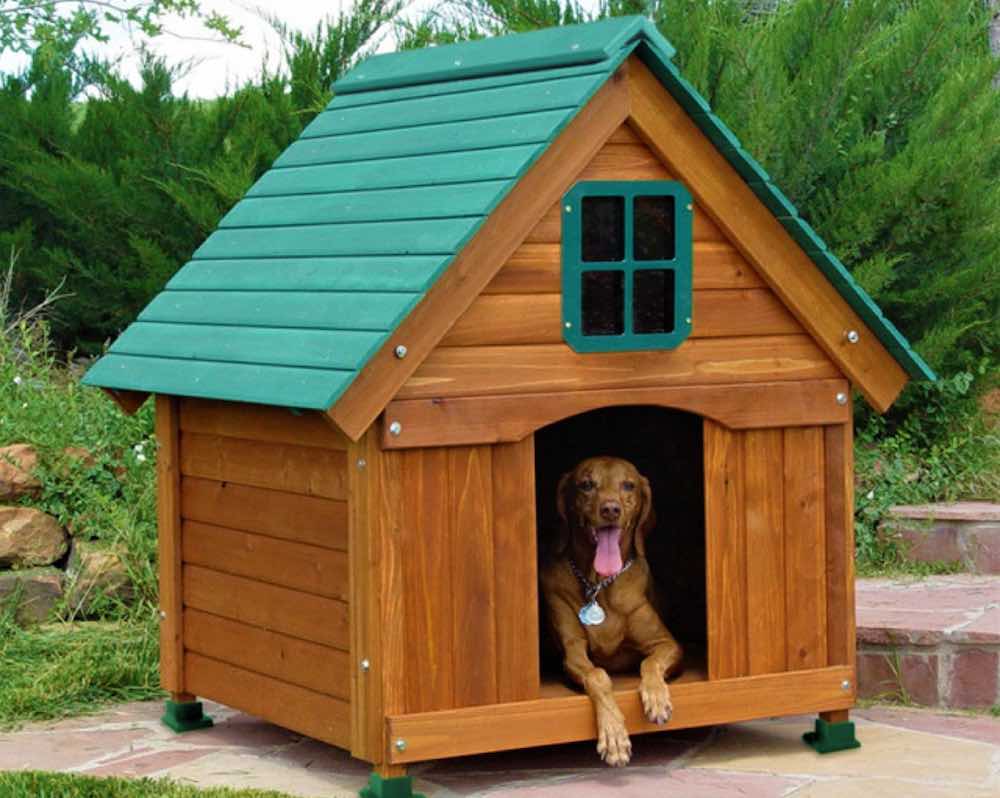
The best sawdust for use in a dog house is pine or cedar: they have a pleasant consistency and absorb moisture, and also repel fleas well.
Don't assume that insulating a dog house is expensive. One cost-effective approach is to use old pallets for construction. These pallets easily accommodate foam sheets, which are readily available in large quantities at landfills.
Dry wood shavings serve as an excellent insulator in the case of double-layer walls; they are also placed between the ceiling and the roof.
A multi-room doghouse isn't a fantasy. At the very least, it's not difficult to construct a vestibule, which significantly reduces the flow of cold air. It's important that the entrances to the vestibule and the main "room" be at an angle to each other.
Insulating a dog house is a simple task that requires minimal investment. A healthy and happy pet, though they may not admit it, will appreciate their owner's care.
Read also, How to train a dog to sleep in a kennel.