Breeders of toy dogs often face the question of whether to dress their pets in clothing. Small breeds such as the Miniature Pinscher, Toy Terrier, and others are currently very popular. These pets have smooth coats, making them more susceptible to the adverse effects of cold climates. To protect their pets' lives and health, breeders have addressed this issue by providing outerwear and footwear.
Some owners believe that today's cities treat sidewalks with various chemicals to combat icy conditions, which can be harmful to their pets' paws. Another important consideration is the dog's cleanliness after a walk outdoors in adverse weather. In this case, the dog doesn't need to be washed, and it won't spread dirt around the apartment.
Other dog owners, on the contrary, view such innovations with disdain. They believe that dressing a dog in socks and overalls is cruelty to the animal. In any case, every dog owner chooses how to provide comfort and care for their beloved pet. However, there are some breeds of toy dogs for whom clothing is absolutely essential. Without it, they can freeze, become ill, and, in the worst case, die.
Let's try to learn how to choose the "right" wardrobe for your favorite furry friend.
Content
How to choose clothes for your dog
When buying clothes for your dog, it's a good idea to take them with you and try them on at the pet store. There, you'll be able to see for yourself how well-fitting the clothes are for your pet: they should be appropriate for the dog's size and be comfortable and cozy.
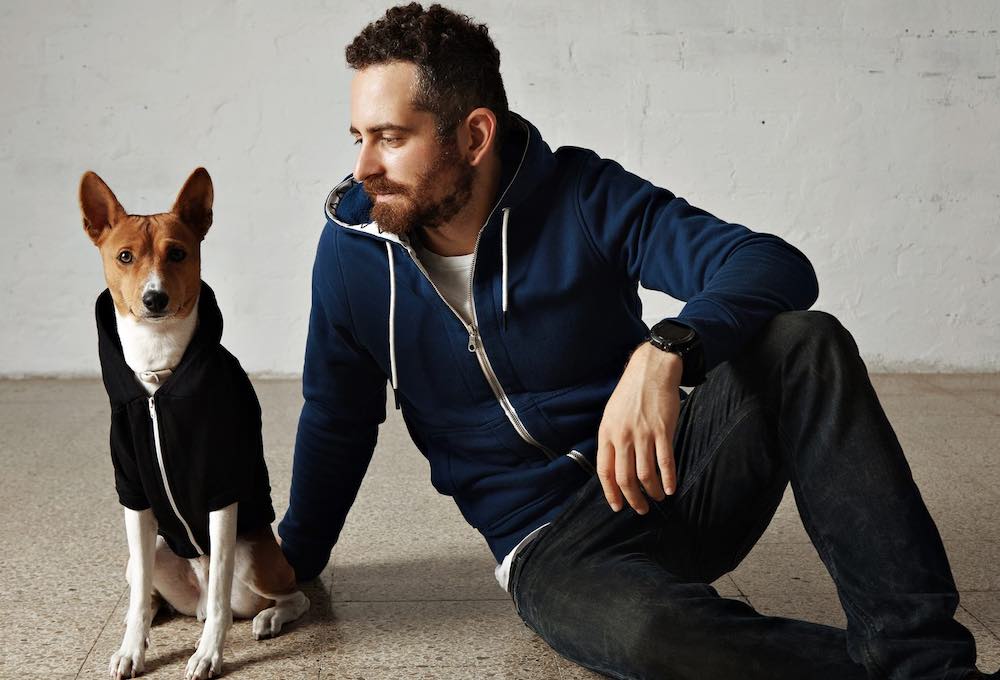
When purchasing a wardrobe online, you should pay attention to the following parameters of the animal:
- Distance from wrist to chest, from wrist to stomach.
- The circumference of the widest part of the chest and the narrowest part of the waist. Add up to 7 cm to these measurements; for dogs with long hair, add up to 10 cm.
- The size of the pet's neck at its widest point.
- Distance from the withers to the root of the tail.
When choosing clothes for your dog, it's also recommended to pay attention to the quality of the material used. This is checked by squeezing and rubbing. There should be no visible creases when pressing on the fabric.
What else is worth paying attention to:
- Poor quality dyeing of the material is prone to shedding and creates discomfort for the animal if its fur is dyed.
- It's advisable to choose an outer layer made of waterproof material. This is a key factor when choosing a wardrobe for wet and rainy weather.
- Synthetic padding is most often used as insulation material – the most convenient and practical material.
- You should also pay attention to the seams, threads, and fasteners.
The threads must be as strong as possible to withstand the animal's weight. The fewer seams on clothing, the better: stitching can rub against the pet's skin, causing pain and discomfort. In rainy weather, moisture can seep through the seams onto the dog's body, which is also unsafe.
When choosing a "walking suit," keep your dog's comfort in mind. When buying a set of several items (overalls, spare hood, boots), it's often impossible to combine them. It's best to buy these items separately.
Embellishments on clothing (ribbons, bows, chains, etc.) are also unnecessary. They are distracting and create discomfort for the pet when moving. Fasteners are best used in combination with buttons or snaps, as zippers can pinch the dog's skin or fur.
Is it possible to train an adult dog to wear clothes?
Many breeders ask whether it's possible to train an adult dog to wear a walking suit. It's possible, and sometimes even necessary—especially if it's a synthetically bred dwarf breed. However, this process will take longer than with a puppy. This is due to the animal's already established personality.
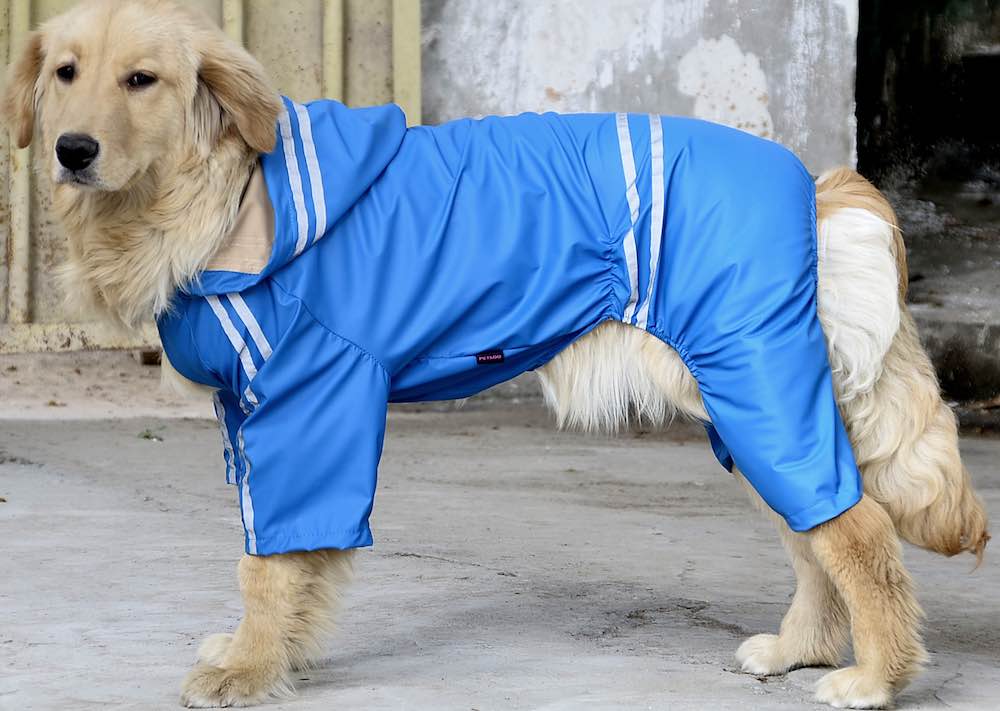
An adult dog is dressed immediately before a walk. Adoring the outdoors, your four-legged friend will quickly forget about his wardrobe, distracted by other natural objects and surrounding events.
After a while, the dog will perceive putting on the “suit” as a signal to go for a walk and will happily look forward to this moment.
The owner needs to convince the pet of the need to wear clothes, show strength, cunning and ingenuity.
Read also, How to train a dog to fetch slippers and more.
Ways to train a dog to wear clothes
There's no single algorithm for training a dog to wear clothes. It all depends on a combination of factors. Every dog, like its owner, develops its own personality over time—this is the most important factor to consider.
At the same time, dog handlers recommend adhering to the following rules:
- Work on accustoming your pet to clothes begins at 3-4 months.
- It is advisable to let the item lie in the apartment for some time and absorb household odors.
- Then, gently let the dog sniff it, "introducing" it. The pet should get used to the new object and scent. Repeat this process several times.
- After some time, when your pet is distracted by another activity, you need to put on the clothes you bought for him.
- You need to try on clothes carefully so as not to frighten the dog or cause pain.
- Be sure to praise and treat with a treat.
- Then distract the animal with a game.
It's essential to praise your dog constantly. The first time you wear the clothes, don't exceed 10-15 minutes. Then remove the clothes. After a while, repeat the process until the dog is fully accustomed to them. A puppy usually gets used to the clothes within 1-2 weeks; an adult dog will need considerably longer.
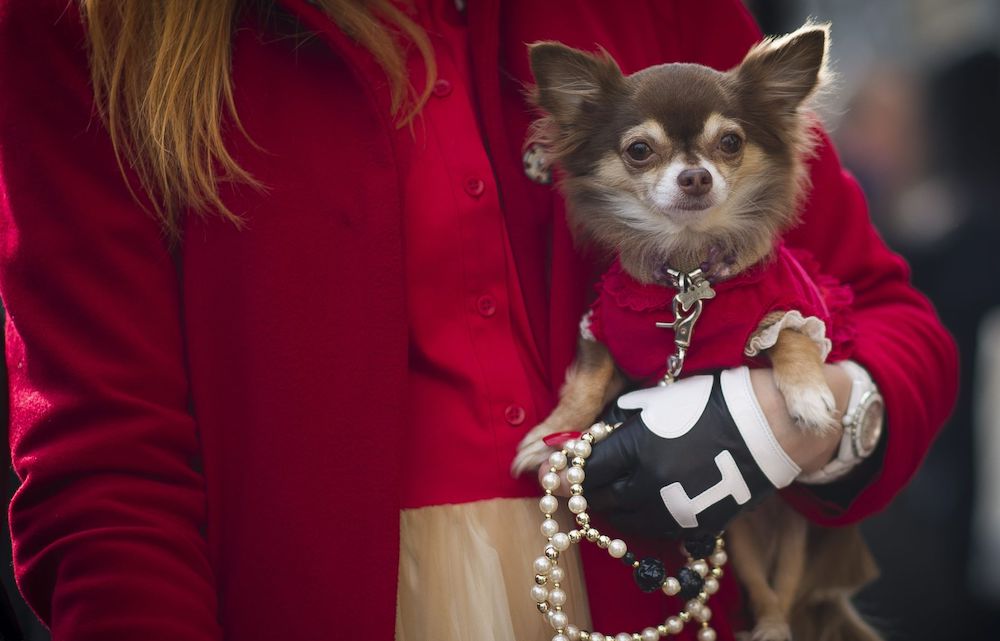
Tips and tricks on how to dress your dog
When choosing a wardrobe, you should take into account a number of nuances on how to dress a dog.
Clothing should:
- True to size or larger.
- Do not create discomfort when wearing, do not cause injuries or abrasions.
- Do not pinch the pet's skin or fur.
- Match the weather conditions.
- Protect the dog from atmospheric conditions.
It's important to choose fasteners such as buttons, snaps, and Velcro. They are the least likely to cause injury.
When accustoming your pet to clothes, make sure that it does not get hot, so the room should be cool.
When a pet tears or ruins its clothes, don't coax it or feed it, otherwise it will perceive its negative actions as reward. This behavior must be stopped and distracted by positive actions, or punished.
Winter clothing for pets should not be long. This will hinder the dog while moving.
Insulated suits are recommended for puppies, as their fur does not provide adequate warmth until their first shedding period.
Wardrobe for small breeds should cover the belly: this way, the outfit not only keeps the dog warm, but also protects it from mechanical damage (hard snow and ice).
Certain breeds of toy dogs require shoes in addition to clothing. It's recommended to buy shoes after the dog reaches 5-6 months of age. Getting your pet used to shoes is the same as getting used to clothes. Pay attention to the size of their nails as well: they shouldn't be bothersome. Increase the thickness of the "dog shoes" gradually. Your pet needs to get used to everything.
You shouldn't let your dog run around indoors wearing clothes, as this will cause him a number of inconveniences.
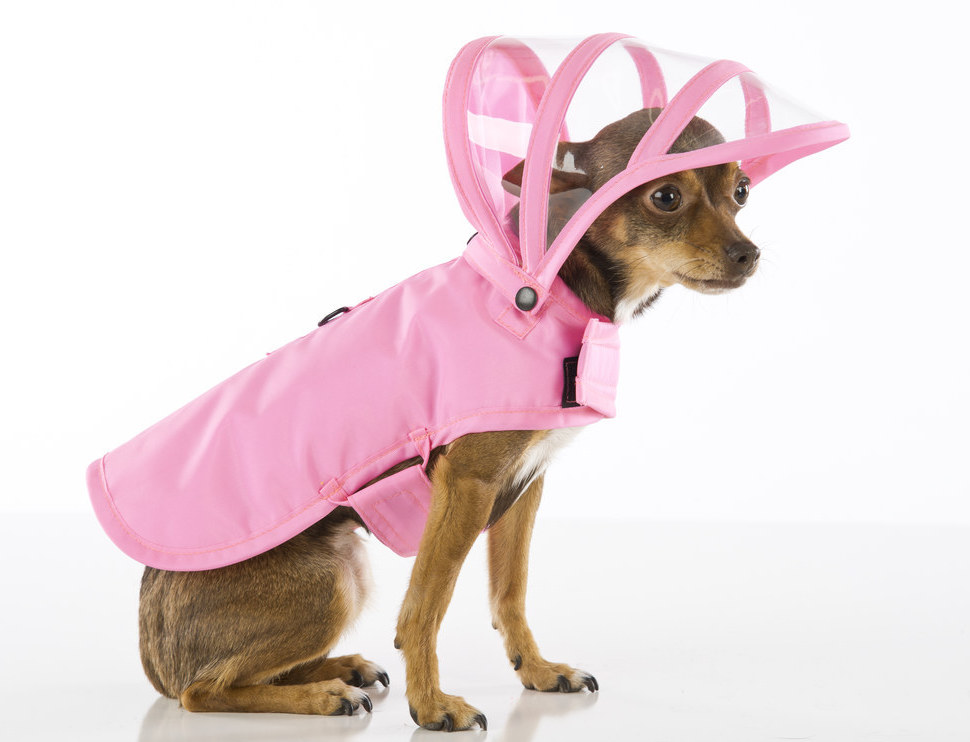
Many types of outfits are designed for aesthetic appeal. Owners want their pets to stand out from the crowd with their beautiful attire. However, these styles are often poorly designed and won't keep your dog warm during cold weather walks. To keep your pet warm and comfortable, buy clothes that fit them perfectly. There are sets on the market that protect your four-legged friend from all weather conditions and low temperatures. Fleece clothing is also available, keeping even the weakest pets warm while still offering a lighter, bulkier wardrobe.
Some small breed dog breeders prefer knitted clothing, as it stretches well and doesn't restrict their pet's movement. This clothing is easy to maintain: it doesn't wrinkle, is washable, has no seams, is lightweight, and breathable. Knitted clothing can also be combined with other materials to protect it from dust, dirt, and dry grass.
Another important point: the suit shouldn't overheat the dog, as this is also dangerous to its health. The first signs of overheating are when the pet becomes thirsty and tries to regain its temperature by using its tongue (walking with its tongue hanging out). In this case, the suit should be removed.
Whether you choose to walk your dog with or without clothing is up to you. The most important thing is that your four-legged friend is comfortable and that you don't have to worry about their health. If you decide to buy a "suit" for your dog, prioritize quality over aesthetics—good-quality, comfortable items. And remember, a single suit is enough for a dog to live a long and happy life.
Read also, How to stop a dog from marking in the apartment.