Every year, from early spring to late fall, blood-sucking parasites pose a threat not only to people's leisure time but also to their health. When heading outdoors, whether to a park, a summer cottage, a nearby forest, or a recreation center, it's important to remember to take appropriate tick repellent. Encounters with ticks are quite real and can be extremely dangerous to one's health and life. Therefore, it's much better to take precautions in advance to avoid dealing with the consequences of a bite later.
Content
What is a repellent and how to use it
A repellent is a substance that repels insects, arthropods, rodents and other pests and parasites. Such chemical-based preparations are often used to protect people and animals from blood-sucking creatures, as well as to protect residential and non-residential premises from their invasion. They are available in the form of sprays, aerosols, creams and lotions, sticks, and ointments. These products are easy to use, virtually safe, effective, and quite affordable. The effects of these products are quite long-lasting. Natural repellents are also available.
The principle of action of both natural and chemical repellents is based on keeping parasites out.
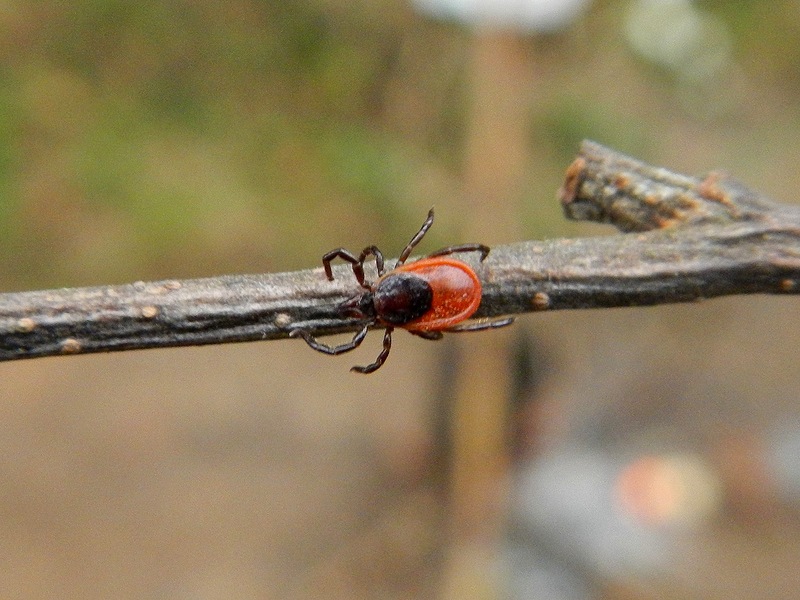
Ticks try to avoid repellents and usually crawl away.
Synthetic products of this type are based on substances such as diethyltoluamide (or DEET), picaridin or permethrin, and may also contain eucalyptus, lavender, mint and citrus oils. If you decide to buy a ready-made repellent, it is better if it contains DEET, since it is considered the most effective in protecting against ticks.Diethyltoluamide-based products are the most widely available on the Russian market. This component suppresses a person's natural odor, preventing blood-sucking parasites from perceiving them as prey.
The main advantage of using tick repellents at home is the fact that they also protect against insects (mosquitoes, midges, flies).
There are also other types of products: acaricides and insecticidal repellents. Their principle of action is different.
Acaricides are lethal to parasites, affecting their nervous system and preventing them from moving and feeding. However, they are highly toxic and must be used with extreme caution. Acaricides are recommended only for use in industrial buildings and on items located in ventilated areas, such as tents, deck chairs, armchairs, and other outdoor furniture.
Insecticide repellents have a dual effect: they repel parasites and paralyze them simultaneously. They are considered the most effective. However, they should only be applied to clothing, so other products will be needed for skin in hot weather.
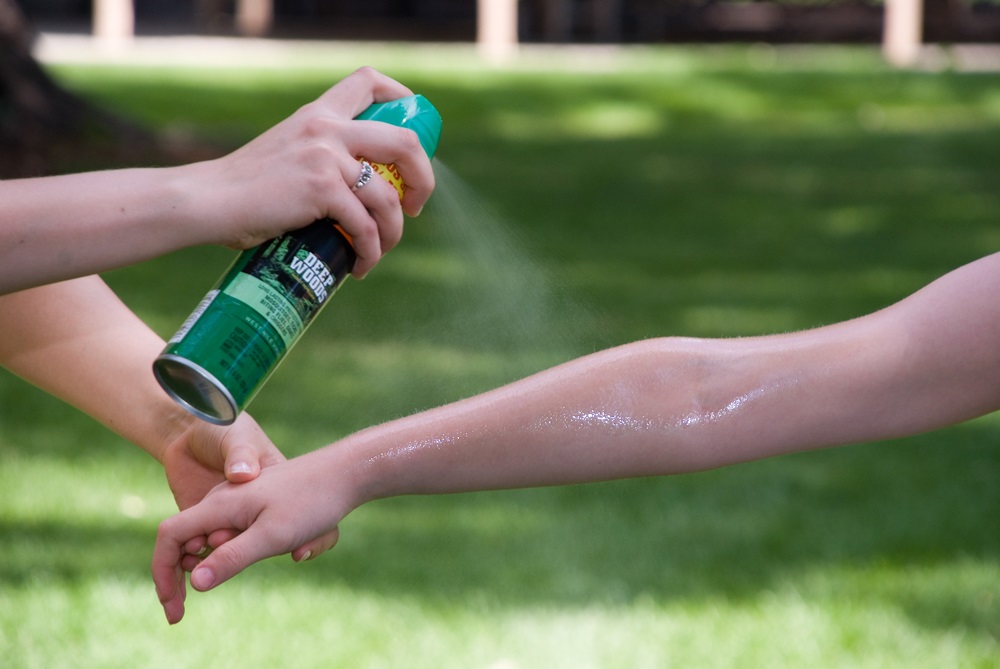
Repellents can last up to 5 days on clothing, while on the human body the average duration of protection is about 5 hours.
Types of repellents
Tick repellents will provide complete protection if used correctly. Repellents should be applied to exposed skin, clothing, and other fabric items, such as hats, tents, and protective nets. Manufacturers offer a variety of forms, each with their own specific application requirements:
- Creams, ointments, and lotions. These products can be applied directly to the skin, especially on the ankles, thighs, wrists, neck, and ears. These areas of the body are considered the most vulnerable to tick bites. On hot days, when actively spending time outdoors, you can completely cover your legs, arms, and back. However, do not rub them in too hard: creams, ointments, and lotions should be applied with gentle movements to the skin's surface.
- Sprays and aerosols. These forms of products are the most convenient: they can be applied evenly to the body and clothing, and can also be used on household items. Spray the product in a circular motion from a distance of 20–25 cm from the surface.
- Pencils. They're not very popular with manufacturers, so they're rare. They can also be applied to the skin.
- Powders. These are used to prepare a solution that can be used to treat fabric items.
If you frequently go outdoors or plan a long vacation, it's recommended to pre-treat clothing, tents, and blankets and thoroughly dry them. In general, the duration of action of each tick repellent varies, so it's important to read the instructions. After applying the products, you must thoroughly wash your hands with soap under running water (as well as before eating, since chemicals can enter the body and cause poisoning).
When choosing a personal protective product, pay attention to the label. It should say "Approved by the Ministry of Health." This guarantees that the product meets quality standards.
It's important to note that the protection time of any repellent formulation depends on the weather. Under adverse conditions, the duration of action is significantly reduced, requiring reapplication sooner than indicated on the packaging, or immediately after the rain stops.
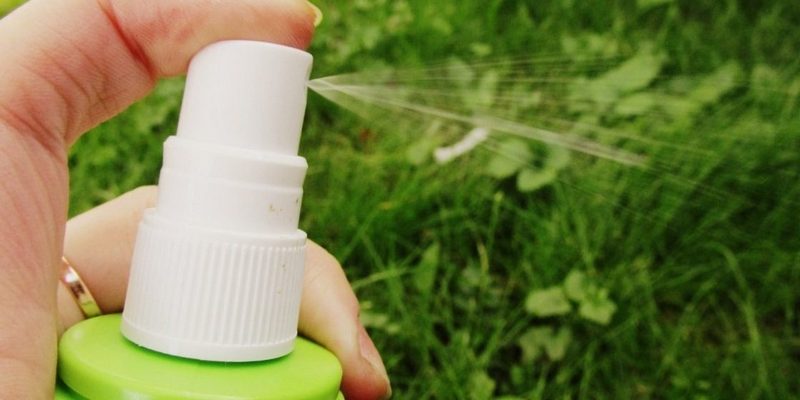
Repellents can be used outdoors: in summer cottages, recreation centers and children's camps
When using any product, it's important to avoid contact with wounds and, of course, the mucous membranes of the eyes, mouth, and nose. If this isn't possible, rinse the affected area with running water as soon as possible, and apply antiseptic (if available) to the cuts. This may cause a burning sensation, dryness, or other allergic reactions. If the victim is prone to allergies, it is recommended to give him an antihistamine (Fenistil, Suprastin, Tavegil).
A Review of Chemical Tick Repellents
All repellents differ in composition, price, and form. The higher the concentration of the active ingredient, the longer its effectiveness.
Tick repellents should be easy to apply, non-staining, and odorless. Let's look at some of the most popular and effective tick repellents.
Table: Overview of popular tick repellents
| Name of the drug | Gardex Extreme | OFF! Extreme | DEET | Biban | Picnic Extreme | Break |
| Release form | aerosol, spray | aerosol | aerosol, spray | aerosol, spray and gel | spray, aerosol. | lotion, cream. |
| Active ingredient | DEET (31%), essential oils of geranium and fir | DEET (30%) | DEET (33%) and fir oil | DEET spray and aerosol (30%), DEET gel (7%) | DEET (35%) and eucalyptus oil, which increases the protective effect and cares for the skin | DEET (7%) |
| Directions for use | can be applied to skin, approved for use on clothing (it must be treated in advance and completely dry) | can be applied to skin, clothing and equipment | can be applied to skin, clothing and equipment | The gel is suitable for application to the skin only, while the aerosol and spray are suitable for application to the skin, clothing, and equipment. | Suitable for application to skin, clothing and equipment | can only be applied to the skin |
| Protective action time | on skin - four hours, on clothes - two weeks | on skin - two hours, on clothing - five days | 4 hours | 2 hours (both on skin and clothes) | 12 hours (both on skin and clothes) | 2 hours |
| Price | about 300–350 rubles | about 250 rubles | about 140 rubles | about 120 rubles | about 250 rubles | about 120 rubles |
| Contraindications | Do not use on children or pregnant women. Nursing mothers may use the product only if their clothing is handled by another person. | Do not apply to the skin of children over three years of age or pregnant or breastfeeding women. For these women, the product may only be used on clothing, which must be pre-treated, dried, and then worn. | Not for use by children, pregnant or lactating women. | Only the gel form of the product can be applied to the skin of children over three years of age and pregnant and breastfeeding women. Clothing should be treated with a spray or aerosol by another person. Biban spray and aerosol should not be applied to the skin of children under three years of age or to pregnant and breastfeeding women. | Do not use for children under 12 years of age, pregnant or lactating women. | Approved for use on children over one year of age. |
Photo Gallery: Chemical Pest Control Products
-
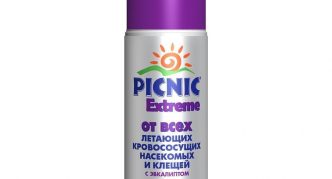
- Picnic Extreme tick spray provides a strong and extremely long-lasting repelling effect.
-
- OFF! Extreme is one of the most effective repellents for protection against annoying ticks.
-
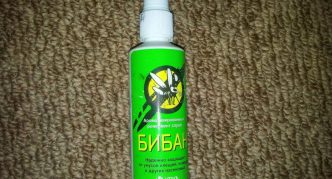
- Biban scented spray provides reliable protection against ticks.
-

- Gardex Extreme is an aerosol that effectively repels flying insects and ticks.
-
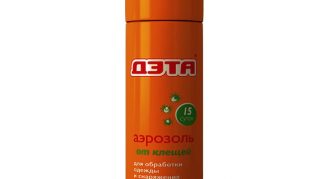
- DEET aerosol is available in two forms: for treating clothing and equipment and for application to the skin.
-
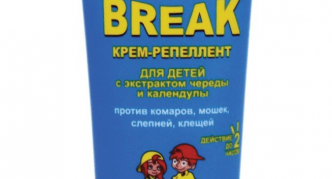
- Break repellent is available in a special form for children - a cream with calendula and string extract.
The protective effect of the repellent will be well preserved if the treated clothing is stored in a tightly closed plastic bag.
Peculiarities of drug selection depending on the category of people
Store-bought tick repellents are chemicals that can cause allergies. However, even those of us who don't suffer from such reactions can't just grab the first tick spray we find. Young children, pregnant women, and breastfeeding women are among those for whom choosing the right product requires more careful consideration.
Babies up to one year old
There are no products officially approved for use on children under one year old on the domestic market, as manufacturers are unwilling to take responsibility for a child's reaction. Therefore, to protect babies, it's best to use natural remedies based on the repellent properties of certain plants. You can treat the stroller with decoctions of these herbs, then let the fabric dry before placing the baby inside. However, it's important to understand that this method will have a very limited protective effect. Therefore, you can protect your baby from ticks with simple mechanical protection (gauze on the stroller, closed clothing, or a hat with ties).
Children under three years old
Repellents marketed for children under three years of age are not widely available (though they can be found). It's important to remember that their protection lasts significantly less than that of adult products. However, their use is necessary: it makes a child’s stay in nature practically safe.
There are several features of using repellents for children:
- Aerosol products are not recommended. Sprays are much more suitable.
- Chemicals should be applied to the skin with caution.
- Children's products, which are intended only for use on clothing, should be used by adults (they should not put the product on the child's clothing until it has dried). This type of repellent should not be sprayed directly on children, as they may inhale toxic substances.

Remember that small children are very vulnerable: their bodies can react to chemicals in the most unexpected way.
Children aged three years and older
Adult tick repellents should still not be used on children over three years of age. Their bodies are not prepared to handle the stress that can result from using strong chemicals. Special children's repellents with a gentle base are available at pharmacies and stores; these are best applied only to clothing. The clothes chosen for the walk are pre-treated and put on the child after they have completely dried in the fresh air.This type of ventilation does not reduce the repellent's protective properties, but it does help protect the child from toxic substances.
Keep in mind that each product has its own protective period. After the period expires, items must be sprayed again. Therefore, if you're planning a long walk, it's recommended to bring a change of clothes for your child to wear while the first one is being treated.
It is also important to remember that wet weather reduces the effectiveness of the protective agent. In this case, re-treatment will be required before the time indicated on the drug.
It's important to remember: Whatever product you choose, it's recommended to check your child every half hour, as no repellent can guarantee 100% protection.
Pregnant and lactating women
An expectant mother is responsible for her own health and the health of her baby, so using chemicals to protect against ticks is highly discouraged. If safety is a priority, opt for children's protective products with the lowest concentration of DEET. Furthermore, another person should handle the treatment, and the woman should only put the clothing on after it is completely dry.
Nursing mothers are allowed to use repellent on clothing. As with pregnant women, it's best to give your clothing to someone else rather than apply it yourself. After drying, wear the clothing over your underwear. For protection against ticks, nursing mothers should also choose baby products. After going outside, you should shower before breastfeeding your baby. If you need to feed your baby during a walk, remove any treated outerwear. This is recommended to avoid the baby coming into contact with chemically treated fabrics.
Scented repellents
For those who prefer to avoid chemicals, there are natural pest repellents. Several plants can provide safety.
Ticks cannot tolerate the strong odors of many herbs. Planting such plants can minimize the likelihood of these unwanted guests appearing in your garden or yard. This doesn't guarantee a complete absence of the pests, as there is a risk of them being carried on clothing and other items. The best approach is to plant the plants in small flowerbeds around the perimeter of your property, spaced 1–1.5 meters apart. This "fragrant fence" will repel ticks.
Photo Gallery: Tick-Repelling Plants
-

- Lavender is a beautiful flower that can repel ticks and delight the eye of a gardener.
-
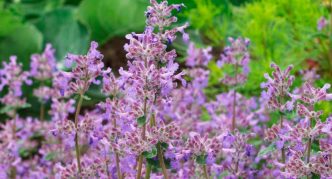
- Catnip is a perennial plant with a slight lemon scent.
-

- Marigolds will not only repel ticks, but will also decorate your garden with a variety of colors.
-
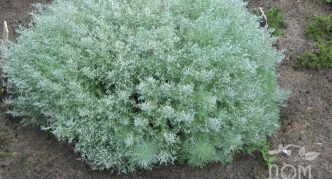
- Wormwood is a herbaceous plant that effectively repels not only ticks but also bedbugs.
-

- Geranium not only has a rather strong scent, but also a wide variety of colors.
-
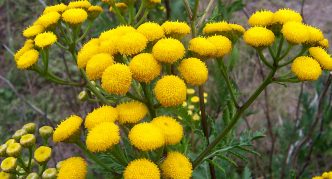
- Tansy is a perennial plant with small yellow flowers.
Quite often, it's not possible to plant repellent plants so abundantly in a garden plot. Don't worry: you can buy herbal preparations from a pharmacy and brew a concentrated decoction. Then, simply treat the grass and soil around the perimeter of the plot. But it is important to remember that water washes away the “odorous” protection and after rain the procedure will need to be repeated.
Essential oils used to protect humans from ticks
Natural repellents can also be used to protect people. Essential oils from repellent plants, of which there are many, are very convenient. Let's highlight the most effective and affordable concentrates:
- palmarosa;
- basil;
- eucalyptus;
- lavender;
- tea tree;
- cinnamon;
- geranium;
- mint;
- carnation;
- thyme.
A composition based on essential oils for protection against ticks can be prepared using several methods:
- Diluting the essential oil in a base oil at a ratio of 1:10 (regular sunflower or olive oil can be used as a base). The prepared solution has a shelf life of up to six months. A significant drawback is the oily consistency of the composition, which may not be to everyone's liking. Furthermore, contact with clothing will leave oil stains.
- Dilution in water. To do this, add 10 ml of essential oil and the same amount of alcohol to 200 ml of clean water. After thoroughly mixing, the solution is easily poured into a spray bottle. You can also soak wet wipes in it and place them near your resting place or use it on your camping gear.
- Mixing with cream. Use a fragrance-free base. Mix the oil and cream in a small container and then apply to exposed areas of the body.
Pure essential oil should not be applied to the skin as it is highly concentrated and may cause allergies, irritation or burning.

It is strictly forbidden to use essential oils to protect children under two years of age from ticks.
There is a significant drawback to using oils: they are difficult to apply to clothing, as they will leave greasy stains. Therefore, a decoction made from tick-repellent plants is suitable for fabric items. It can be easily applied to clothing and other fabric items using a houseplant sprayer.
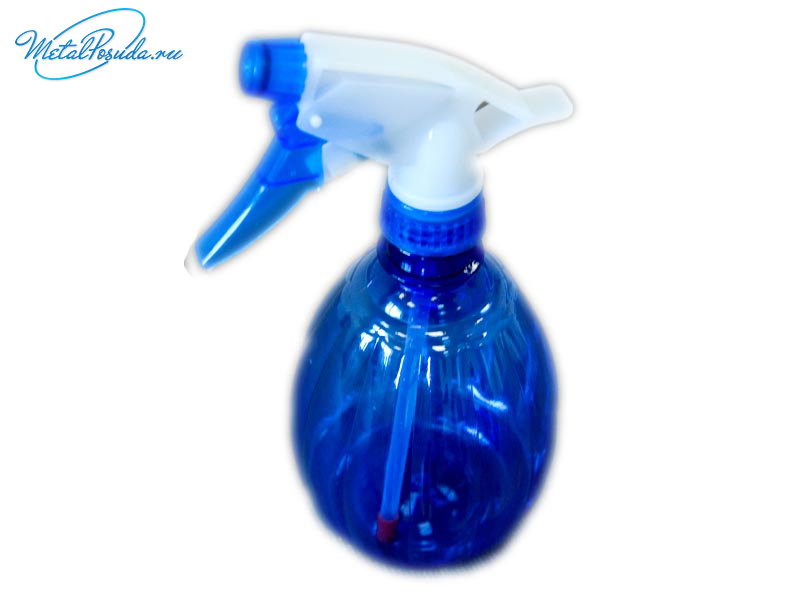
The herbal decoction that repels ticks is most conveniently applied using a spray bottle.
Note: Natural repellents last significantly shorter than chemical treatments. Therefore, re-treatment should be performed after an hour and a half to two hours.
Vanilla protection
Another effective folk remedy for repelling various biting parasites is "sweet water"—a mixture of water and vanillin. This repellent is easy to prepare: dissolve two grams of vanillin (not vanilla sugar) in a liter of water and mix well. Apply the resulting solution to skin and clothing (both adults' and children's). It can also be used on gear and strollers. Shake well before each use to ensure the vanillin is evenly distributed.
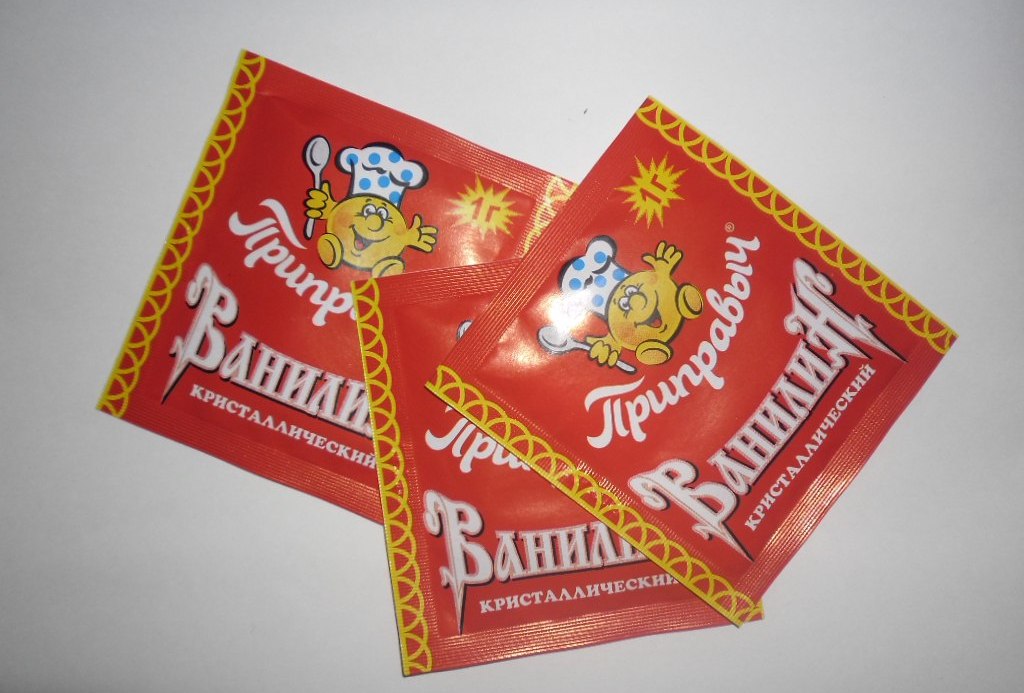
Water with vanilla is one of the traditional folk remedies for repelling flying insects and ticks.
This solution is typically used against midges. Its effectiveness against ticks has not been proven.
Contraindications and side effects
As mentioned above, it is not recommended to use chemicals as protection against ticks for pregnant women, nursing mothers, and children under one year of age.
People with certain diseases are also at risk:
- asthma (patients are prohibited from using sprays and aerosols; only the use of the product in cream form is permitted, but with caution);
- allergies of various forms;
- skin diseases (dermatitis, eczema, psoriasis);
- fresh wounds and abrasions.
In these cases, the use of tick protection products should be agreed upon with a doctor. An allergic reaction may be a side effect of using repellents. If this occurs, immediately change the treated clothing for dry, clean clothing, wash your hands and the affected areas, and take antihistamines (Suprastin, Tavegil, Fenkarol).
Never use expired products! It's dangerous!
Reviews of the use of repellents
OFF aerosol is very convenient because it can be applied to exposed areas of the body, and protection lasts for up to four hours. After application, the aerosol leaves no oily feeling on the body and does not leave greasy stains on clothing.
We've been using Gardex Extreme spray for several years now. We can't go out of town or into the woods without it. It needs to be applied outdoors; the smell is strong, but tolerable. The clothes aren't covered with film or anything else, and the smell dissipates quickly.
There are a lot of ticks in our Crimean mountains. Mosquitall tick repellent spray has been a lifesaver for us. It truly protects us from ticks and mosquitoes. We can safely venture into uncharted places without worrying about catching unexpected guests. The spray doesn't stain clothes or leave marks where it's sprayed. There's no unpleasant odor on clothing. I can't say anything about the 15-day protection. We only go on day hikes now, and we thoroughly wash all our clothes after coming home. I highly recommend it!
A simple walk through the forest from early spring to autumn can be marred by a tick bite, so don't forget about protection. However, even the most expensive and effective remedies aren't always enough to repel a hungry tick, especially one just emerging from hibernation. Therefore, no matter what protection you choose, regular inspection of your body and clothing is essential.