Retirement-aged people have their own unique characteristics. They tend to be more demanding of the conditions and external factors of their environment, are more likely to have health problems, and require the care of others. Therefore, acquiring a furry, toothy friend isn't always justified, as it entails certain hassles and difficulties. However, many need a loyal four-legged companion, while others need a companion for walks or a guard dog.
Getting a dog comes with additional responsibilities for an older person, as buying a dog means taking on a certain amount of responsibility. However, many take this step consciously and don't regret it. In our article, we'll look at dog breeds that are worth considering for seniors.
Content
Should an elderly person in an apartment get a dog?
When choosing a dog breed, it's important to consider the pet's temperament, size, and the purpose for which it was bred. In our case, it's worth considering calm, even-tempered, less physically active, and low-maintenance pets.
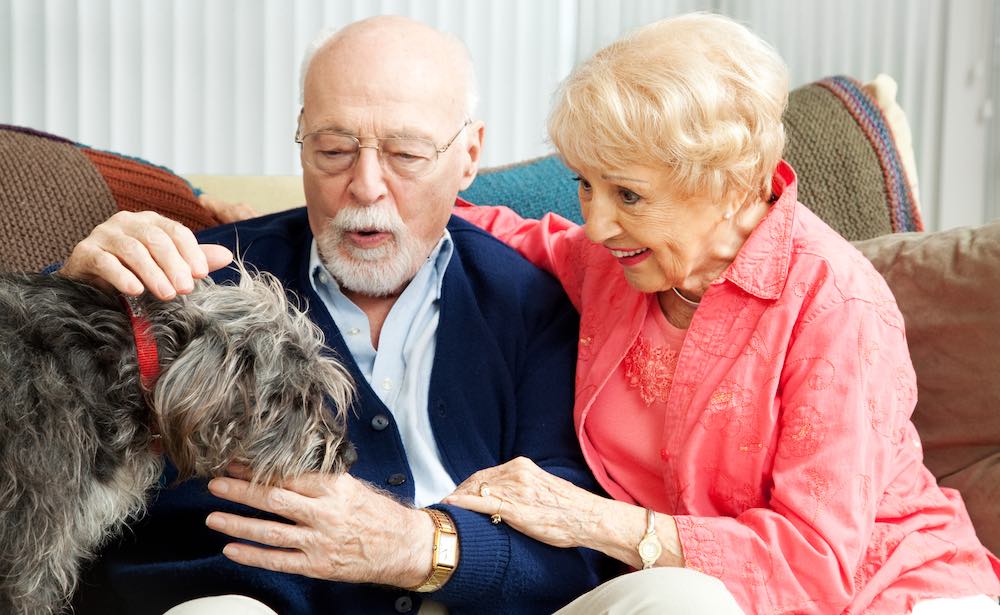
First of all, consider large breed dogs with a calm, good-natured nature – these pets are more suitable as watchdogs and guard dogs. Medium and small breed dogs are often perceived as life companions, require little attention, and are easier to care for. Naturally, they eat much less than large breed dogs.
Both a small dog and a large pet can make a wonderful friend and loyal companion, but in a city apartment, it's much easier for seniors to get a small, purebred dog—a Yorkie, a pug, or a toy terrier—or, at a pinch, a medium-sized four-legged dog, such as a cocker spaniel, a spitz, or the nation's favorite, a corgi.
What you need to pay attention to:
- Considering the low level of physical activity in retirement age, it is better to choose a dog that is not too nimble, with a calm and docile disposition.
- Aggressive and fighting breeds are definitely not suitable for pensioners.
- Dogs that are prone to shedding, or have thick, overly voluminous hair, are also not the best choice for an older breeder.
And remember that it will be much easier to live in a private home with a four-legged friend, especially for “big” dogs.
Read also: Pros and cons of having a dog in an apartment.
Top Dog Breeds for Seniors
A dog requires careful care, responsible monitoring of its health, feeding it high-quality food, and regular walks—a person of retirement age should definitely weigh the pros and cons. Large breeds are noisier and require more space, but they respond much more readily to training. Medium breeds are the best option, but they also require regular walks, plenty of freedom, and activity. Small-breed dogs are the best choice for seniors.
Small dogs require no more care than a cat:
- Walking may not be regular if you use a diaper;
- They are absolutely harmless in terms of placement and care, with the exception of breeds that require the services of a groomer;
- they require very little food;
- also a great company, but with low activity.
Large obedient breeds
There are large breeds that are nevertheless considered obedient, friendly and loyal.
Golden retriever. He has a kind and affectionate nature and will always defer to his owner. He's easy to train: you won't have to spend much time with him; he knows everything from birth; you just need to give him a chance to remember.
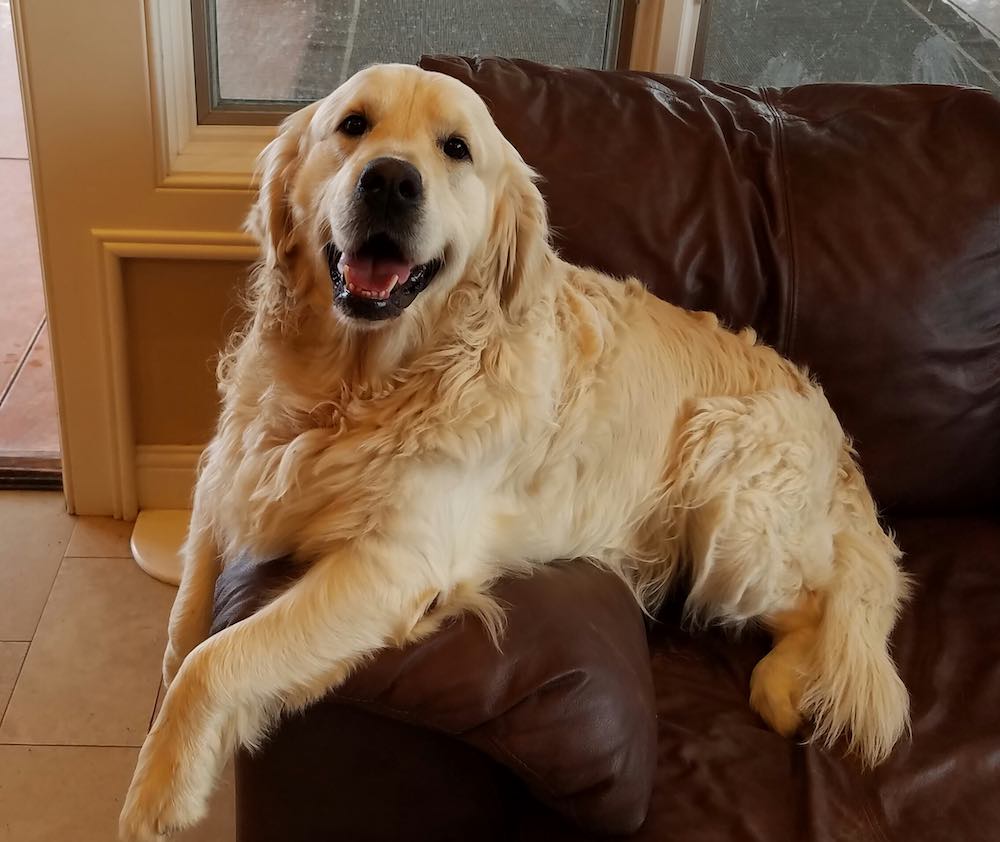
- Will always follow its owner. Nothing and no one will be left without its attention.
- He also treats other pets living with him with kindness and care.
- He loves receiving guests.
- The dog is extremely devoted to its owner.
The only drawback to owning a retriever is its long coat. But compared to all the advantages, this is a minor issue.
Labrador retrieverThese dogs are the first assistants of blind people.
- Labradors incredibly friendly, easy to train, balanced, reserved.
- They will never hurt their owner or those around him.
- When communicating with Labradors, you get the impression that they understand every human word.
- The animals' fur is not long and is easy to care for - it is enough to brush the pet once a week.
Negative traits of this breed include over-trust of strangers and a lack of fussiness about food. The latter can lead to gluttony and obesity.
Bernese Mountain DogIt is also called the Bernese Mountain Dog.
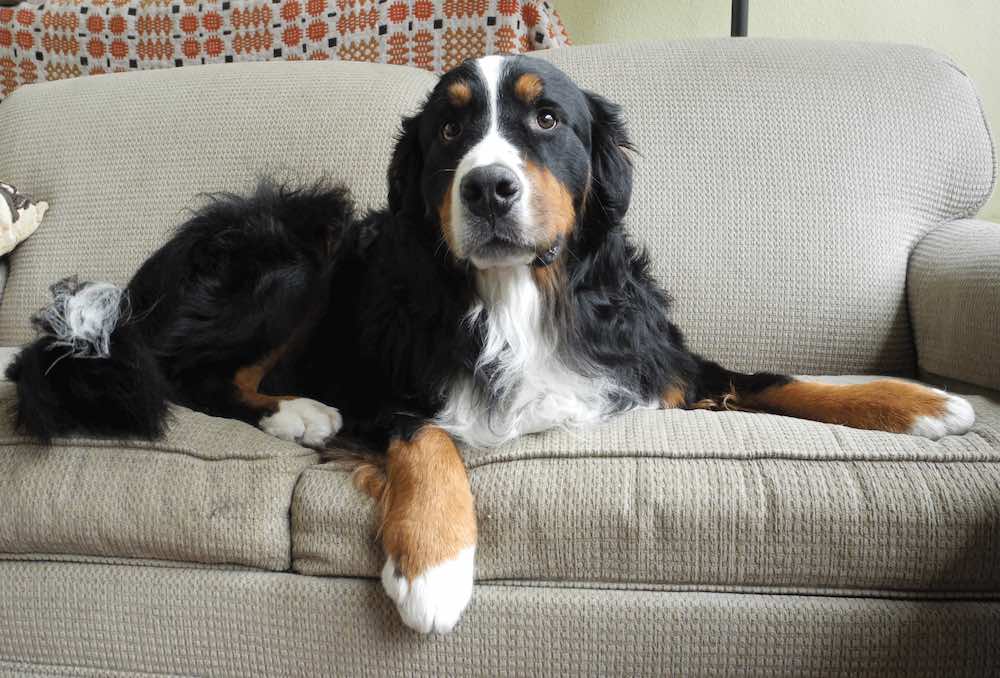
- The dog is calm and has a balanced character.
- He obeys his owner in everything and follows his commands, and is easily trained.
- With age, dogs become calmer and indifferent to long walks.
The disadvantage of keeping them is the presence of long hair, which requires daily care.
BullmastiffIt also falls under the category of large and easy-to-handle dog breeds.
- Reluctant to engage in sports activities and games with other dogs.
- He is more comfortable in a horizontal position in a warm apartment near a bowl of food.
- The Bullmastiff will never betray its owner and has a friendly disposition.
- If necessary, it can be developed into a guard dog; it is highly trainable.
- These dogs shed virtually nothing, so the owner won't be burdened with cleaning.
Four-legged friend: medium breeds
Medium-sized breeds of four-legged friends include pets with an adult weight of up to 10 kg and a height at the withers of up to 40 cm. The following animals fall into this category.
Pug. Over time, he will become a full-fledged member of the family and your favorite. He is simply made for the comfort of home.
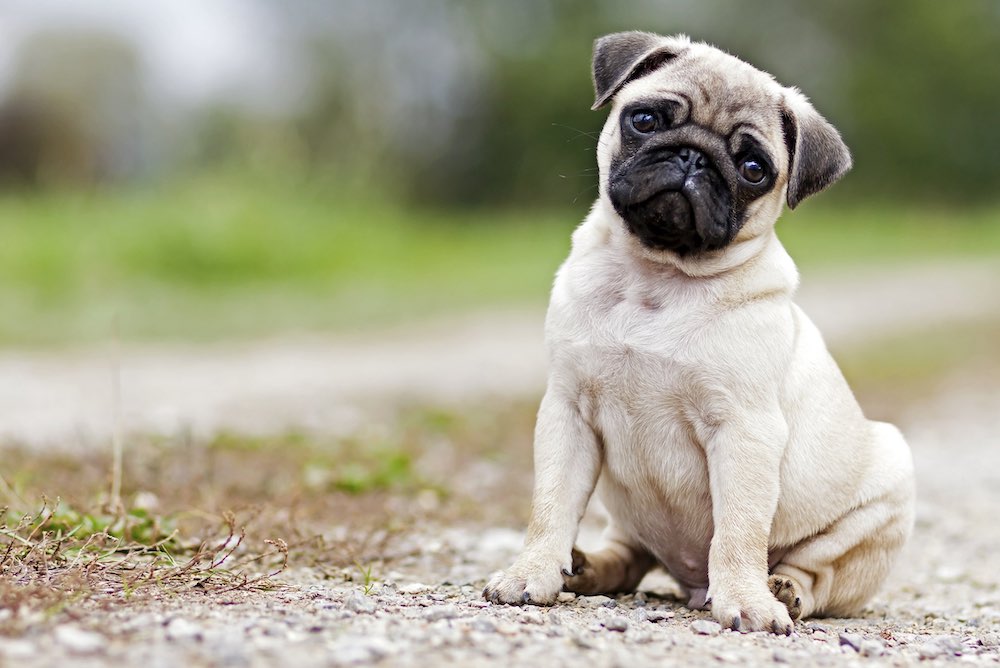
- The dog will take part in the lives of its owners and adopt their habits.
- Loves to be in front of the TV with her “person”, to greet guests, etc.
- He's not very active during walks. He won't run with other dogs or compete in agility or endurance. He prefers to walk leisurely beside his owner.
- Grooming a pug is not difficult. Their short coat is easy to brush.
SheltieThis dog is simply made for the home, although the breed was originally developed to help English shepherds. Its appearance resembles the well-known Collie (Scottish Shepherd), but in miniature.
- Quite a devoted, very obedient and kind dog.
- They will never leave their owner. One of the breed's characteristics is their distrust of strangers.
- The Sheltie also has good guard qualities.
- She needs to release her energy through play, including with her owner. Playing with her is enjoyable for people of all ages.
- These dogs love walks in the fresh air.
Nature has endowed the Sheltie with long hair, but it doesn't cause any major problems. The long hair doesn't shed; it stays on the dog and can be brushed without much difficulty.
Pocket-sized dogs that require little grooming
This category of dogs that do not require special care includes breeds such as the Pekingese, Miniature Pinscher, Shih Tzu, and the Bolognese.
Pekingese. A small dog, reaching up to 25 cm at the withers and weighing up to 6 kg, this dog has a temperament suitable for seniors.
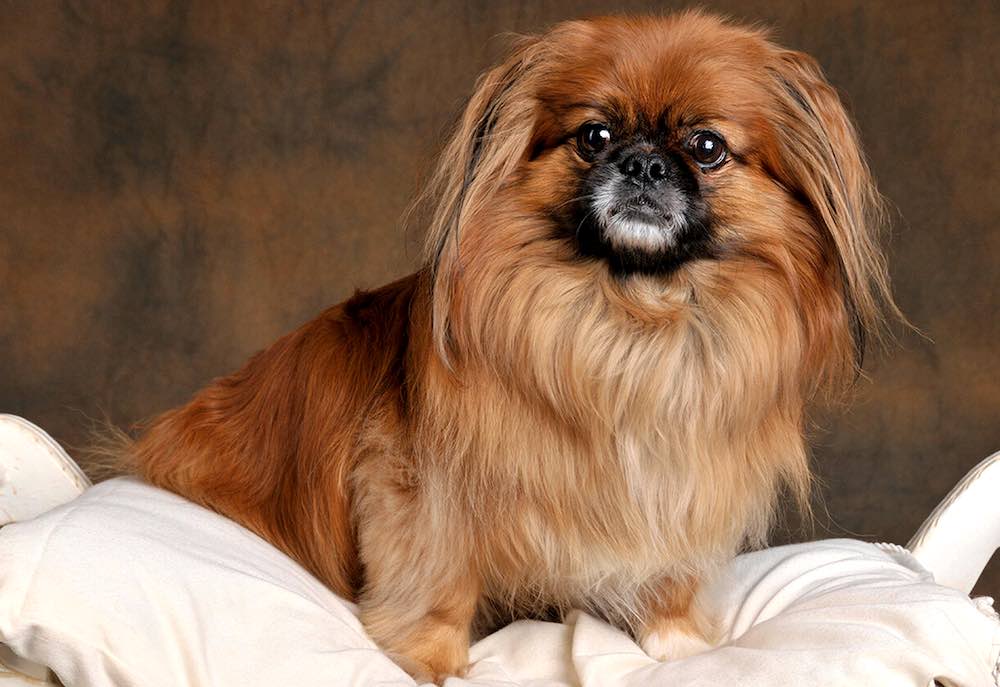
- He loves company, but he won't wag his tail at everyone he meets.
- Respects the owner and adapts to his mood.
- They're indifferent to walks and ignore sports activities. They're more interested in lounging on the couch with their owner.
The only drawback of the Pekingese is its long coat, which requires daily grooming.
Shih Tzu. This breed is the same size as a Pekingese. Their appearance will captivate anyone. Some breeders call them lion dogs or chrysanthemum dogs, all because of their striking appearance.
- Shih Tzus have a kind and affectionate nature.
- They like it when people pay attention to them.
- They require a lot of care because of their fur.
- The dogs are not aggressive and get along with other pets.
- They don't need frequent walks in the fresh air.
- Dogs often have health issues. This should be taken into account, as treatment can be expensive.
Miniature Pinscher. With this breed, an elderly person won't be bored. This dog is perfect for retirees who lead an active lifestyle.

- The Pinscher has an energetic character and requires frequent walks in the fresh air.
- A dog will keep its "retired" companion busy, and may occasionally play pranks to test your attitude. But either way, you'll be glad you have such a friend.
- The breed is quite active and courageous, and will always stand up for its owner, even if the opponent is many times larger than the pet.
- The Pinscher is easy to care for and has a smooth, short coat. Its only drawback is its sensitivity to cold and damp conditions.
Lapdog. This breed has many variations, but they are all similar in character and appearance. Bolognese are loyal and affectionate dogs.
- Interacting with them will bring a lot of joy to an elderly person. During walks, they try to stay close to their owner and always be within the pet's sight.
- They are unpretentious in food.
- Thick fur protects from cold and heat.
- The only drawback is the frequent grooming of the coat.
A Dog for an Elderly Person: Tips and Considerations
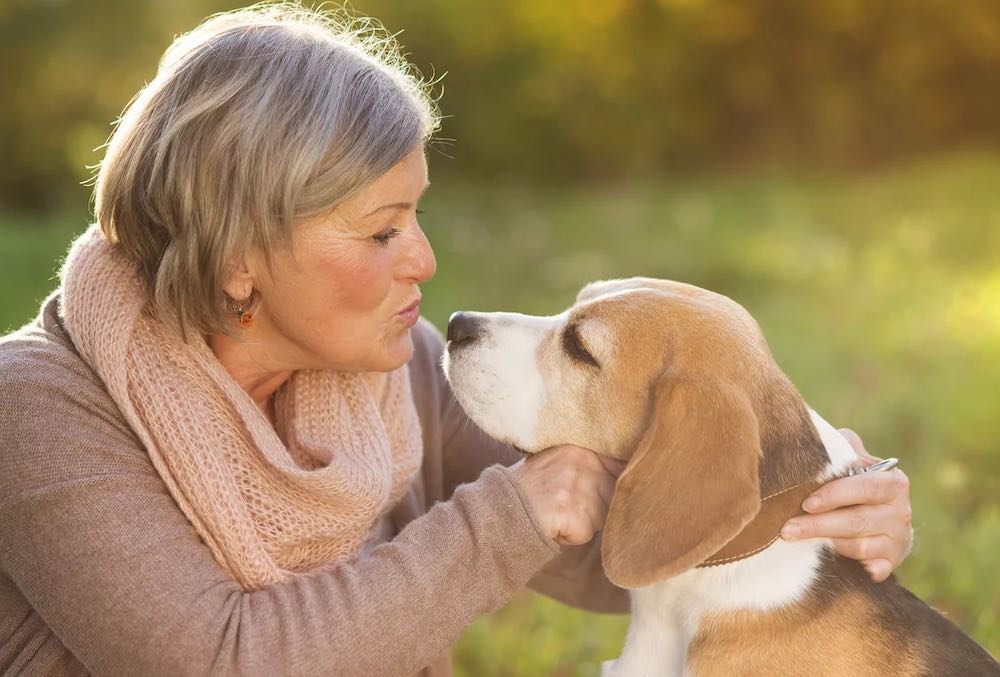
Before choosing a favorite, let's first review all the features of dogs for seniors:
- Every breed has its own health concerns. Regular veterinary visits are essential, regardless of size or breed.
- A high-quality, balanced diet isn't just about dry food or canned food. It requires a comprehensive approach. In addition to store-bought food, dogs are periodically fed eggs, boiled meat, and liver, and vegetables, grains, and dairy are added to their diet. Naturally, this entails additional costs and effort.
- Puppies are more challenging than older pets. Everyone knows that young pets require regular feeding and vitamin supplements. They're not yet housebroken and may relieve themselves in inappropriate places, chew furniture and other items, and cry and howl when left alone, even if only for five minutes. All these nuances are especially important to keep in mind when acquiring a pet for a senior. An older person often requires constant care and attention themselves and isn't always prepared to go the full distance with a young dog.
- Dogs aren't always obedient—they sometimes run away and can react inappropriately to others and various situations. It's not very pleasant when a large dog tugs on the leash. For an elderly person with poor health, a small-breed dog is an ideal loyal companion.
Grooming, vaccinations, and training are all essential if you want a well-behaved, kind, friendly, and companionable pet. Be sure to ensure that the elderly person has access to support from younger relatives (children, grandchildren). This is helpful in case they need to be hospitalized or need assistance at some point in their life.
When deciding which dog to buy, consider the senior's age, living conditions, financial resources, and, most importantly, health and mental well-being. Low-maintenance breeds are the best option, as seniors' needs and abilities don't always align. However, with the right choice of breed, a four-legged friend can be a wonderful companion, regardless of their owner's age.