For dogs
How to teach a puppy or adult dog to lie down 
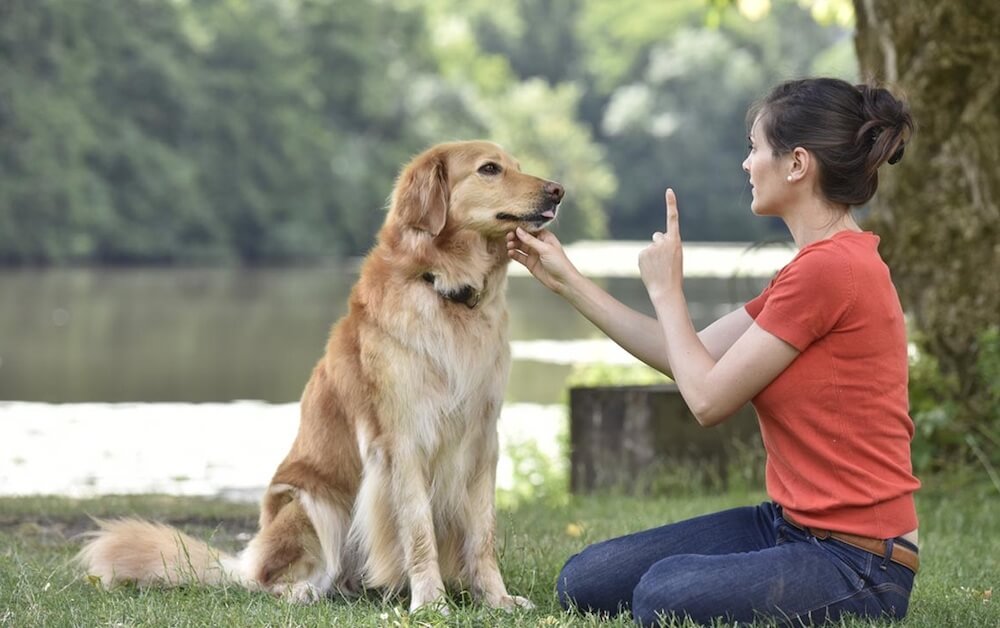
"Down" is one of the most basic commands dogs can learn, along with "sit," "stay," and "speak." These commands help establish a bond between the animal and its owner. It's best to start teaching a puppy this command no earlier than three months of age. Training methods can be varied, including rewards (treats, verbal praise) and coercion (pressure on the withers). Training can be done outdoors or indoors: the main thing is to keep the environment clean and free from distractions. Method one: training a puppy with a treat. Perform this exercise when the dog is sitting or standing. Take a treat in your hand and hold it to the dog's nose, but allow it to nibble on it. To do this, make sure your palm is facing down, otherwise the dog may snatch the food from your hand. Say "Down," and then gradually lower your hand with the treat in an arc, downwards and forwards. The easiest way to get to the treat is to lie down, i.e., follow your command. When this happens, give the dog the treat and reinforce your success with praise.Read more
Smooth Fox Terrier: Lively to the tip of the tail

Smart, friendly, quite energetic, not one to be timid, he'll find common ground with anyone and, after just five minutes of conversation, will set everything in motion—that's the Smooth Fox Terrier. It's no wonder dog breeders believe you'll never get bored with such a friend, as the Fox Terrier has long established itself not only as a hunting dog but also as a companion. This dog's personality allows it to get along easily with both adults and children, as long as you show respect for the animal. From the History of Fox Terriers: Noisy, cheerful, and lively, the Smooth Fox Terrier is a gift from the imperturbable and majestic dog breeders of England. Its history begins in the mid-18th century, when this agile little animal emerged as a "burrow dog"—they would fearlessly penetrate the earth to reach predators and drive them out of their burrows (the word "fox" means "fox"). This can be explained by the unprecedented popularity of fox hunting in England. A pack of hounds often encountered difficulties when trying to penetrate underground when the target was burrowing wild animals.Read more
How to transition your dog to dry food
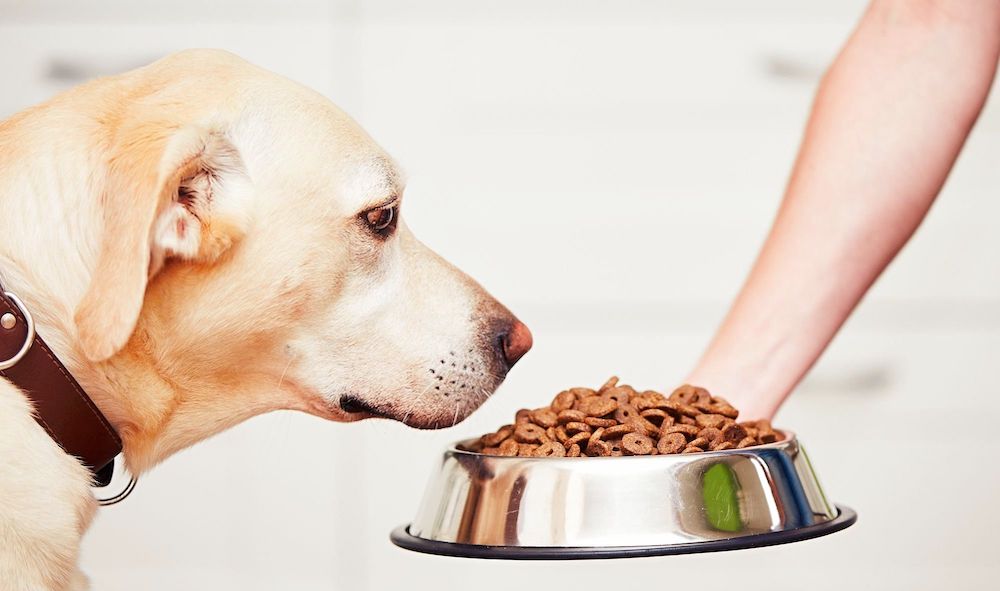
A four-legged friend's health and longevity depend entirely on a balanced and nutritious diet. Natural food (meat, cereals, vegetables, and dairy products) is healthy for dogs, but not always convenient for owners. How can I transition my dog to dry food if necessary? Is it possible to combine these two diets? Is it really possible to create a menu for my pet without limiting the diet or changing its preferences? Let's find out. How to transition a dog from natural food to dry food. The popularity of dry pet food is, in most cases, justified: the main reasons are the busy nature of dog owners, the ease of use, and the complete composition. Natural food is definitely a fresh, healthy, and balanced menu. This diet is as close as possible to a dog's natural diet. However, the process of preparing, cooking, and storing food presents challenges for today's busy people.Read more
Simple rules: cleaning your dog's ears
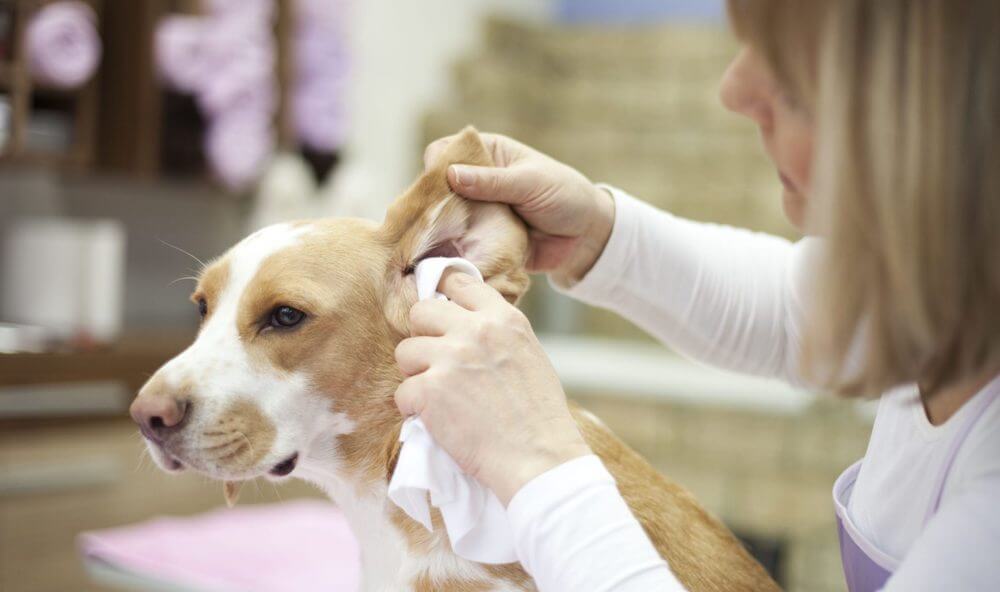
Hygiene procedures are no less important for dogs than for people. The question of how to properly care for a dog's ears sometimes arises not only for beginners but also for experienced dog owners. This is especially important if your pet has long, uncropped ears and thick, shaggy fur around the ears. All these factors can lead to a buildup of discharge. The question arises: is cleaning a dog's ears really more difficult than cleaning a person's? How and what tools are best for this? Any doubts will be dispelled once you understand the nuances of the procedure and the subtleties of our four-legged friends' physiology. Why is it important to clean your dog's ears? Cleaning the ears of pets is essential because, without regular hygiene procedures, various foreign bodies, such as bacteria and fungus, can accumulate in their ears. As a result, pets can develop otitis. Caring for a dog's ears is not difficult, especially if you have experience. To minimize the risk of potential fungal and bacterial infections and reduce the likelihood of inflammatory processes in the ear canal, it's important to regularly examine your pet. This simple procedure helps prevent health problems in dogs.Read more
Treating Your Four-Legged Friend: How to Give a Dog a Pill
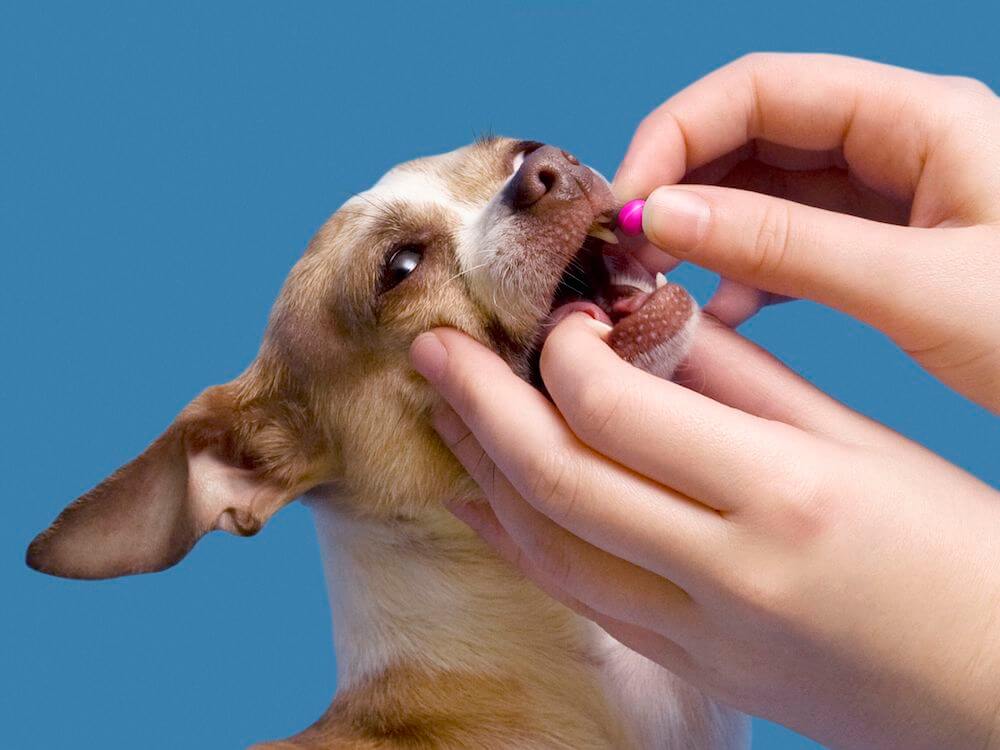
A minor ailment or a serious illness is a challenge for both pets and their owners. Pets, including dogs, rarely willingly accept medications and treatments. Therefore, administering a pill to a dog can be challenging, even if they have a docile and gentle nature. How to Properly Administer a Pill to a Dog: Giving a pill to a small-breed dog can be much more challenging than for larger dogs. Certain medication characteristics and the animal's personality influence the outcome, but equally important is who administers the medication—a veterinary clinic or the owner. If you must administer pills yourself, it's important to choose the most appropriate options to ensure proper administration.Read more