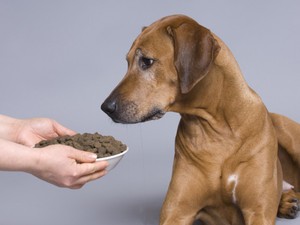
A four-legged friend's health and longevity depend entirely on a balanced and nutritious diet. Natural food (meat, cereals, vegetables, and dairy products) is healthy for dogs, but not always convenient for owners. How can you transition a dog to dry food if necessary? Is it possible to combine the two diets? Is it possible to create a menu for your pet without limiting its diet or changing its preferences? Let's find out.
Content
How to transition a dog from a natural diet to dry food
The popularity of dry pet food is largely justified: the main reasons are dog owners' busy schedules, ease of use, and a complete formula. Natural nutrition is unquestionably fresh, nutritious, and balanced. This diet is as close as possible to a dog's natural diet. However, the process of preparing, cooking, and storing the food presents challenges for today's busy people.
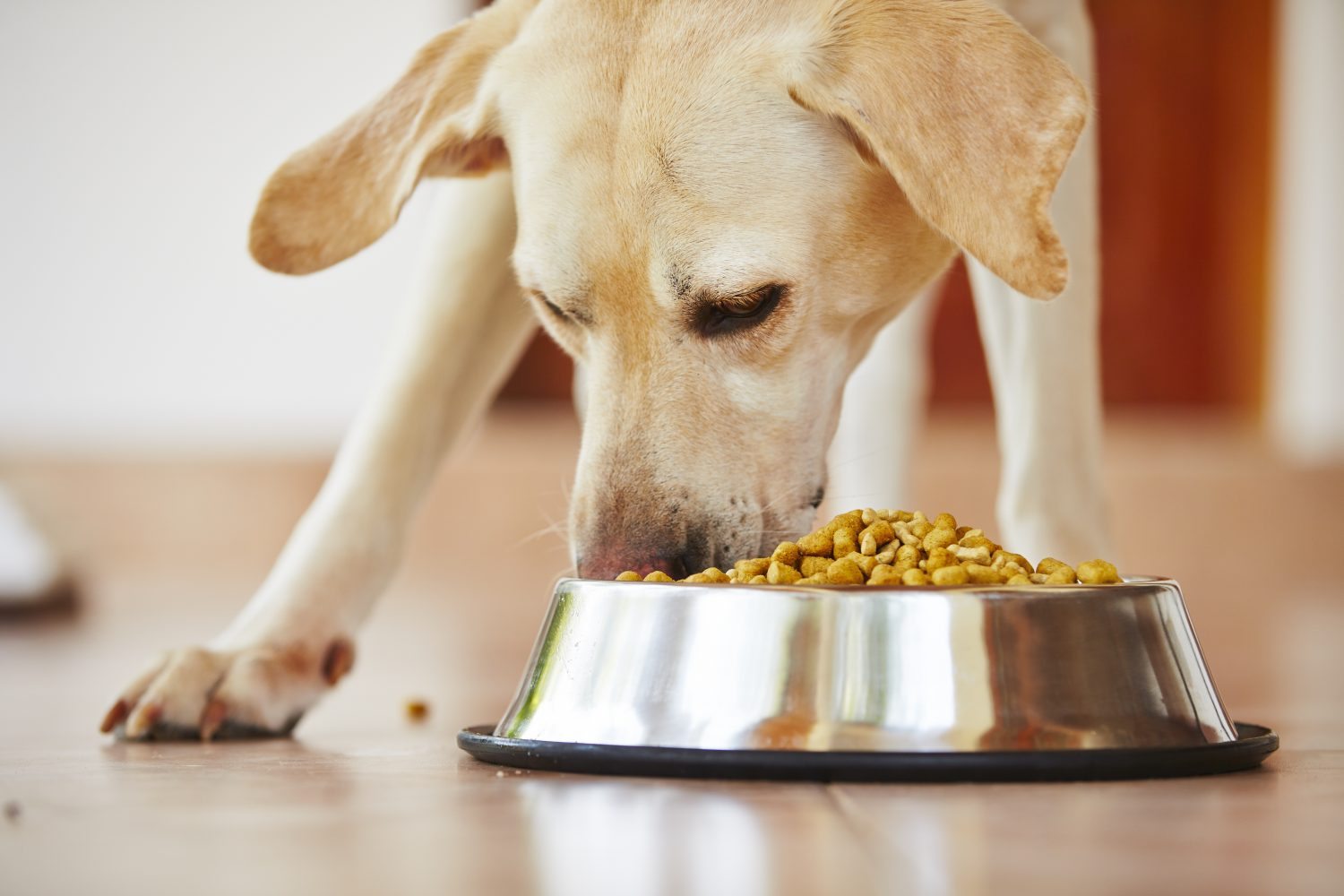
Dry food is specially formulated and manufactured food for pet dogs. It consists of kibble of various sizes and shapes, made from pure meat, offal, dried vegetables, and other ingredients. It often contains mineral and vitamin supplements. Holistic foods (made using innovative technologies and with the most suitable composition for pets) contain select meat, poultry, and fish. The composition of the food determines its class and, consequently, its price. The advantages of natural dry dog food are discussed below.
In a good (premium) food, all the ingredients are beneficial for the dog – it is a fully balanced and sufficiently caloric composition, with a rational, high-quality ratio of fats, proteins, and carbohydrates.
Its advantages:
- There are several varieties of ready-made dog food: for sterilized animals suffering from chronic diseases, granulated food for the prevention of tartar, and certain types of dry food. for older dogs, nursing bitches, allergy sufferers, elderly pets, puppies.
- Feeding natural food requires a significant investment of time to purchase products and prepare meals, and it is not always possible to provide your pet with all the necessary microelements and vitamins.
- Dry food, unlike natural food, can be stored for a long time (6-12 months).
- Feeding your pet with store-bought food makes life easier when traveling with pets, or in the event of an emergency absence of the owner.
- Dosage and ease of use are, without exaggeration, the huge advantages of granulated feed.
No refrigerator, stove, or kitchen utensils are required for preparation and storage. All you need is a bowl and the correct amount of kibble based on your dog's age and weight.
The only downsides to feeding your pet this way are: high-quality dry food is expensive and not always readily available. And most importantly, a dog accustomed to a natural diet will rarely immediately switch to another food. Therefore, the pet will need to be gradually and patiently transitioned to dry food. How can this be done painlessly and without consequences?
- First of all, a consultation with an experienced specialist is essential. They should be familiar with the dog's lifestyle, its physiological characteristics, and its age and past illnesses.
- Selection of food depends on price and composition: economy class, premium and holistic.
- Adjustments based on your pet's weight, breed, and digestive characteristics—advice from a knowledgeable expert can help avoid many unpleasant digestive consequences when switching your dog from a natural diet to dry food.
- Depending on your activity level, choose the appropriate ratio of proteins, fats, and carbohydrates. For comparison:
4.1. Economy options – up to 18% protein and up to 6-8% fat,
4.2. middle class – up to 20% protein and up to 8% fat (for pets prone to obesity and with a passive lifestyle),
4.3. high-class feed – up to 22-24% protein and up to 11% fat,
4.4. Ultra class – up to 30% protein and up to 20% fat (more suitable for active dogs). The more expensive the food, the less of it is required to meet the dog's needs.
- When transferring a dog to dry food, the natural menu and industrial product are carefully combined at first, observing the feeding norm.
- The animal should always have a bowl of water within easy reach.
- For the first 3-4 days, the pet’s menu consists of 75% old food and 25% dry food.
- From the fifth day, 50% of the old feed is diluted throughout the day with 50% of the new feed.
- After a week, natural food should make up 15% of the diet, and granules 85%.
Only after 2-3 weeks is it possible to completely replace the menu with dry granulated food.
Important! When switching to drying, you should be patient and pay maximum attention to your pet’s well-being.
At what age can a puppy be given dry food?
Dry food isn't easily digested by young puppies, so experts recommend delaying the transition to kibble for growing dogs. The earliest age to transition a puppy to this new diet is two months.
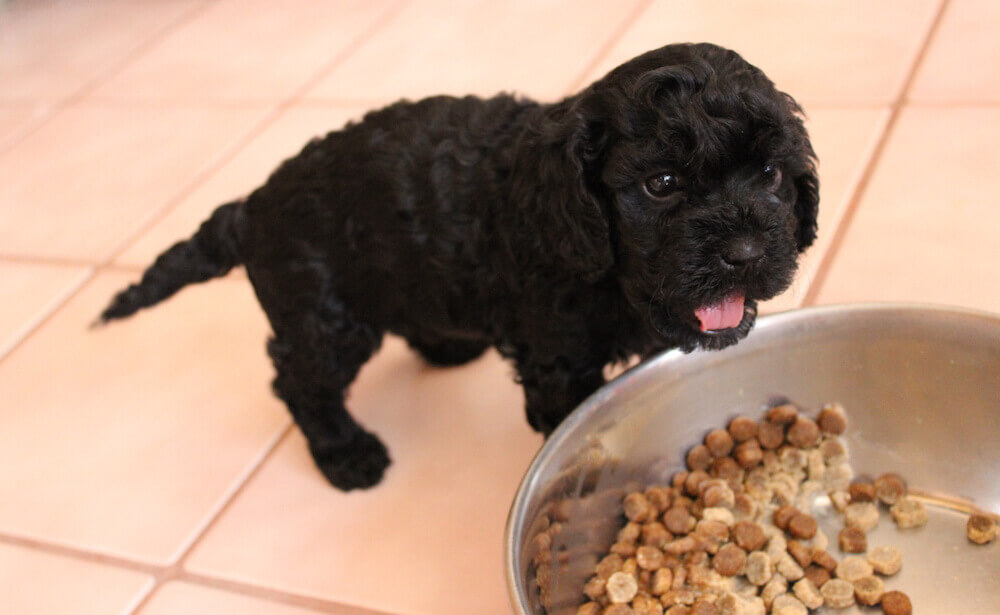
Here's how to prepare commercial food for a small pet:
- The granules must first be soaked in hot water or broth and mixed with heated liquid canned food (in a ratio of 1 part food, 2 parts liquid).
- Leave the product to swell for 20 minutes.
- Completely cooled food (temperature no higher than 35-36 degrees) is given to the dog.
- Every week, the percentage of liquid in the dry food is reduced—the dry granules are diluted 2:3, where 3 parts are liquid or canned food. After 14 days, the food is only slightly diluted with water.
- The transition to dry food takes no more than three weeks.
A full replacement of a puppy's natural diet with dry dog food occurs only when the puppy is 3-4 months old. Only by this point does the puppy's digestive system return to normal. The food is introduced gradually, according to the manufacturer's recommendations for the puppy's breed, weight, and age. The diet continues to include some natural foods, such as eggs, dairy products, boiled meat, and vegetables.
Experts recommend purchasing dry food in sealed containers for small pets, as bulk food quickly loses its nutritional value, which is especially important for growing pets.
Young animals are completely transferred to dry food at 6-7 months – after the milk teeth have completely changed.
Important! After a meal, you shouldn't run outside and play active games; the baby needs time to digest and assimilate the food.
Read also, What actions of the owner can cause a negative reaction in dogs.
Can I feed my dog dry food and natural food?
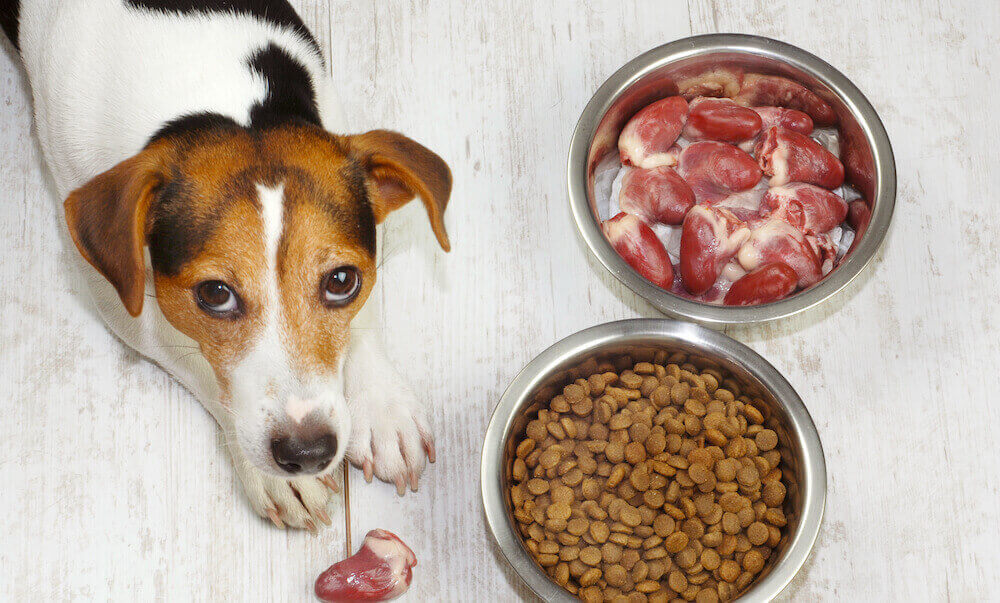
Mixing different diets gradually causes serious metabolic disturbances in pets. Pellets are digested much faster and require a large amount of moisture for proper absorption. Dry food must swell before fermentation can begin. Natural foods take much longer to digest, but the amount of fluid required for their absorption is minimal. Experts advise against mixing natural foods and pellets, as such constant dietary changes can lead to mucosal inflammation and may even cause chronic gastritis.
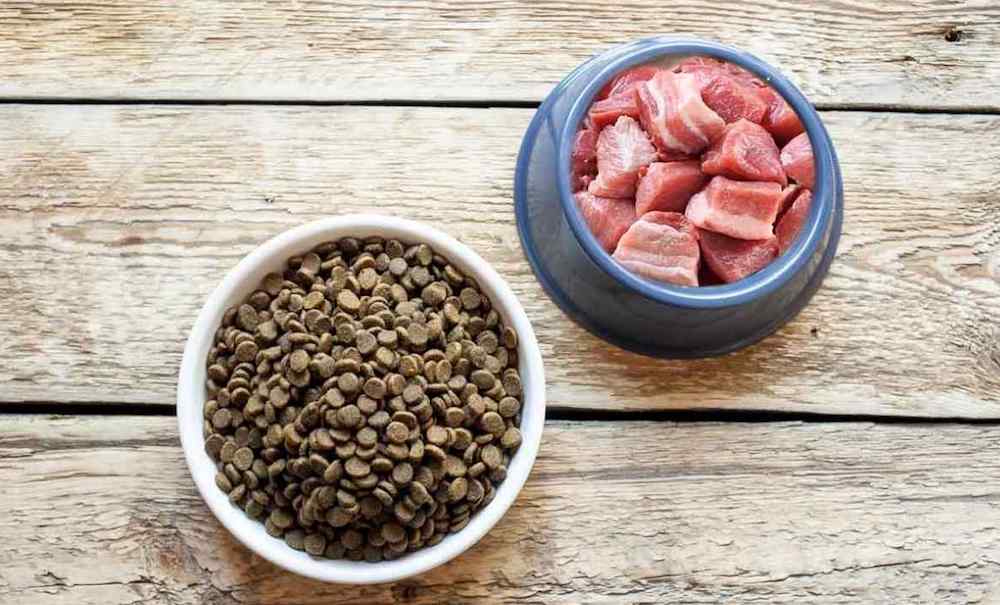
If you're itching to pamper your pet, it's best to follow the advice of veterinarians:
- Only 10-15% of the total diet should consist of natural foods—for example, a piece of boiled meat, a cracker, a boiled vegetable, or dried fruit. However, this should be done as an exception, not as part of a regular complementary feeding program.
- Experts remind that the use of mixed feeding is only possible for healthy dogs that do not have any chronic diseases.
- The duration of a mixed diet should not exceed several weeks. This means that you should transition to a varied menu, including natural foods, systematically, with occasional returns to a cutting diet.
Mixing natural and dry food in the same bowl is unacceptable, as this will lead to disruption of the gastrointestinal tract.
Can I feed my dog only dry food?
If a pet is fed high-quality, balanced dry food, it doesn't require any supplements. Dry food can be combined with wet food (preferably from the same brand and brand), with only occasional additions of natural food (at the owner's discretion) and consideration of the consequences.
Errors and nuances
The most important feeding mistake is the unintentional inclusion of foods other than dry food and water in a pet's diet. When dry food is an integral and primary part of a dog's diet, it is fully provided with all the vital nutrients it needs. Indiscriminately introducing natural foods into dry food can lead to poor health, obesity, and other problems.
What other nuances may arise when introducing pelleted food into a dog's diet?
- Dry food should never be given to puppies before they are 2 months old. Until this age, their diet consists of dairy and fermented milk products. Introducing dry food to puppies before the recommended age can lead to dental and stomach problems.
- If you fail to feed your puppy on time, it is not recommended to increase the dry food portion size next time.
- Don't neglect treats that are specially produced for dogs, but give your dog treats from your owner's table less often and don't allow strangers to feed it on the street.
- Don't forget to give your pet plenty of water if they're on dry food. This is essential to prevent dehydration, which can lead to kidney stones.
- If your pet has been eating only wet food or canned food, dry food can also be introduced in small doses. However, canned food and hard kibble should be given at different times: for example, wet food for the first meal in the morning, and dry kibble for the second meal in the afternoon. Digestion of different foods takes different amounts of time.
- If, for various reasons, you need to transition your pet from a dry diet to a natural diet, do so gradually and at different meals. Start introducing natural foods gradually, while maintaining the dry food schedule—simply reducing the dry food dosage.
- It is not recommended to mix dry food from different manufacturers - different ingredients or a predominant amount of one ingredient in dry food from different brands can cause certain digestive problems in your pet.
- Please note that commercially produced cat food is not suitable for dogs.
The right option is to choose once and for all one type of dry food, the most rational in terms of benefits and digestibility, and always stick to only this menu.
Read also, How to give a pill to a dog.