A minor ailment or a serious illness can be a real challenge for both pets and their owners. Pets, including dogs, rarely voluntarily agree to take medications and undergo treatment. Therefore, giving a dog a pill can be challenging, even if they have a docile and gentle nature.
Content
How to properly give a pill to a dog
Administering pills to a small-breed dog can be much more challenging than for larger dogs. Certain medications and the animal's personality can influence the outcome, but equally important is who administers the medication—the veterinary clinic or the owner. If you're treating your dog with pills yourself, it's important to choose the most appropriate options to ensure proper administration.
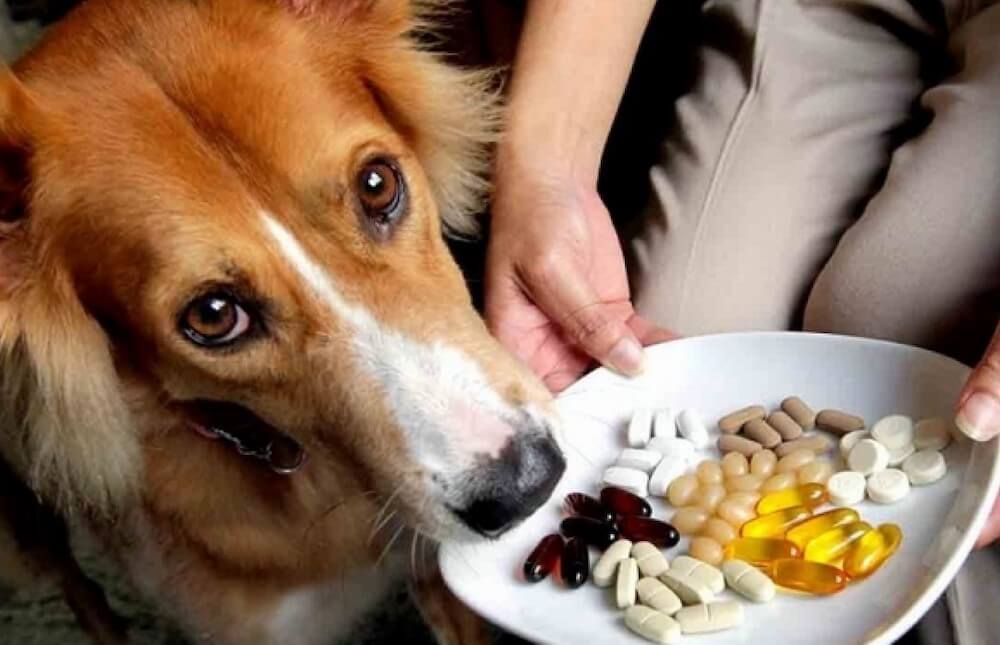
There are several ways to feed a pill to your pet:
An introducer (pill injector) or pill lance, similar in appearance to a syringe but with a soft rubber tip, is a special device for administering medications orally to pets. This device comes in a variety of shapes, sizes, and manufacturers, and can be reused multiple times.
If the dog immediately notices the trick and spits out the pill, or if a powder is to be administered, the medication can be crushed. This method is especially effective if the dog is hungry. The medication should be crushed into a fine powder or crumbs with a spoon and mixed with a small amount of sticky food (cottage cheese, porridge, stew, or ground meat).
Not all medications can be crushed, so sometimes it is necessary to feed a tablet to a dog in this way: a suspension is prepared from the tablet medication - dissolved in a small amount of water (5 ml) - and administered using an introducer or a spoon.
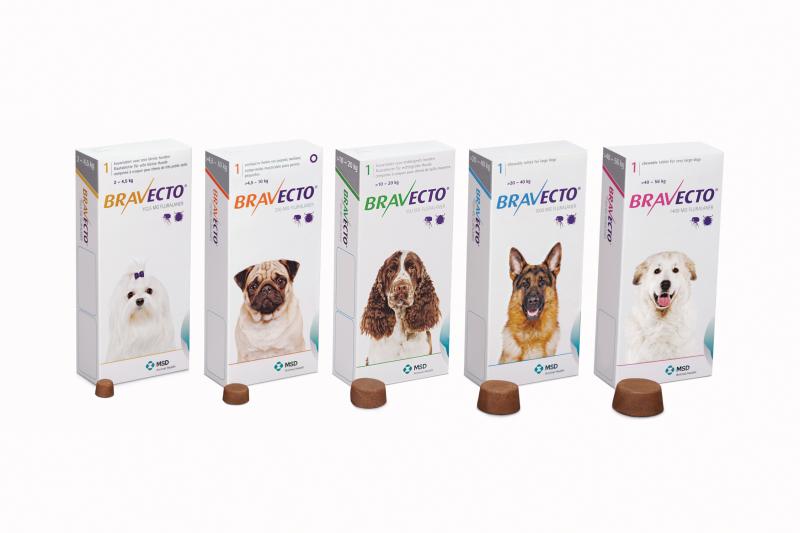
The easiest way to feed a pill to a dog without using any improvised means is with a treat. Use a favorite treat: hide the medicine inside, either whole or crushed.
It's much easier to administer a suspension to a dog than a tablet or capsule. However, tablets are a more common dosage form in the veterinary industry.
The step by step process is presented below:
- Before administering the pill, the owner should make sure that the animal is in a calm state.
- You need to prepare the medicine in advance - the rustling of a pill blister and the owner with a jar of suspension will most likely arouse the dog's suspicion.
- Carefully read the instructions and recommendations of your veterinarian.
- The dog's head is held from above with the left hand. If the dog has a long nose, the upper jaw is pinched between the thumb and index finger of the right hand to feed the pill. If the dog has a short nose, the pet's head is held like a cat's.
- The muzzle is slightly thrown back and the upper jaw is pulled upward.
- To feed a tablet or capsule, place the medication as far back on the tongue as possible, then immediately close the mouth.
- You can encourage your pet to swallow the medication in the following ways: massage the dog's neck to trigger the swallowing reflex, or blow on its nose.
After oral administration of the tablet, the animal should be offered water - it should be readily accessible.
Read also, How to trim a dog's hair at home.
How to feed a dog a deworming pill
Helminthiasis prevention in domestic dogs is recommended once every 30-40 days. Tablets are usually administered for both therapeutic and preventative purposes.
Administering medication to a dog can be difficult because these medications are bitter. When administering medication to your pet, it's best to dilute it with a sweet liquid. This will help mask the bitter taste as much as possible. It's best to purchase specialized deworming medications for dogs (for example, meat-flavored ones).
There are some specifics to treating your four-legged pets for worms. Without understanding the specifics of treatment, you can make irreversible mistakes:
- To properly administer medication to a pregnant dog, it's best to treat her for parasites during the second half of pregnancy. To avoid complications, it's best to perform this procedure under the supervision of a veterinarian.
- Puppies' first deworming is performed at 3-4 weeks of age. It's easier and more effective to treat young pets with a deworming suspension.
- When a nursing bitch needs to be given an anthelmintic, the tablet should be given no earlier than 2-3 weeks after the birth of the litter.
- Deworming is considered essential before vaccination—giving a dog a deworming pill during this period ensures maximum protection against worms. Therefore, vaccinating a pet infected with worms can have serious consequences.
- Most deworming medications are available separately for small and large breed dogs, as well as for puppies. This allows you to choose and administer a pill appropriate for your pet's weight and age. All such medications are given to your dog in the morning on an empty stomach.
How to Properly Give Your Dog Allergy Medication
For long-term control of itching and allergy symptoms, there are a variety of medications available in tablet, capsule, and spray form. It's best to follow your veterinarian's recommendations, as they determine whether your dog should receive a tablet or suspension, or whether urgent treatment (injections or IVs) is needed. Treatment, nutritional adjustments, and seasonal skin parasite prevention are tailored to your dog's individual needs.
How to properly give an antihistamine to a dog:
- Allergy medications are given to pets at any time of the day, regardless of food intake.
It is recommended to give antihistamines with food. - When using allergy tablets, consider your pet's age and health. These medications are not always recommended in tablet form for nursing or pregnant females.
Antihistamines are available in both capsule and tablet form. Dogs tolerate allergy medications intended for humans well (for example, Suprastin, Tavegil). However, it's important to remember that the appropriate treatment is always determined by a specialist.
Your veterinarian will likely recommend antihistamines specifically designed for dogs. They have fewer side effects, are safer, and guarantee successful allergy treatment when used with symptomatic therapy.
How to give a dog a pill or capsule if it won't eat
Most often, if it's impossible to feed a tablet or capsule to a dog with a treat, or if a peeler is unavailable, the medication is administered intramuscularly (intravenously) or rectally as a suppository. If a specialist has prescribed tablets and the dog refuses to eat, you won't be able to administer the required dose with food. In this case, it's recommended to use special veterinary flavored tablets. If an introducer is unavailable, it's recommended to dissolve the tablet and administer it orally using a regular syringe (without a needle) into the pet's mouth.
How to give pills to a small breed dog
A small four-legged friend can't handle a solid medication or capsule—a pill peeler can help you properly administer a pill to a small breed. However, there are times when a special device isn't readily available. The most convenient way to feed a pill to a small dog is to offer a "dummy" pill, disguising it in their favorite food, or to give the tablet in crushed form, mixed with food or water—this will prevent the dog from choking.
It's safer to perform all procedures with the puppy wrapped in a blanket or small quilt—especially since small dogs are so small. This will prevent the pet from becoming unruly, as its movements are limited, and prevent it from scratching its owner, even if the pill is administered through an introducer.
Read also, How to train a dog to wear a muzzle.
How to give a dog medicine with a syringe
When you need to give a dog a pill, a syringe is an excellent alternative to a pill puller. This device is usually readily available. Furthermore, a regular medical syringe is more cost-effective than new-fangled introducers.
How to properly administer medication to a dog using a syringe:
- The dosage is determined in advance according to the instructions and recommendations of knowledgeable experts. To give the tablet to the dog, the drug is crushed into powder.
- Add water to the prepared mixture, using the syringe's volume (5-10 ml). This depends on the dog's breed and age: a small syringe is recommended for a puppy, while a larger syringe is suitable for a large-breed dog.
- The medicine is considered ready for use if the tablet is completely dissolved in the liquid.
- The syringe is freed from the needle.
- The liquid is drawn into a syringe and injected between the pet's cheek and teeth.
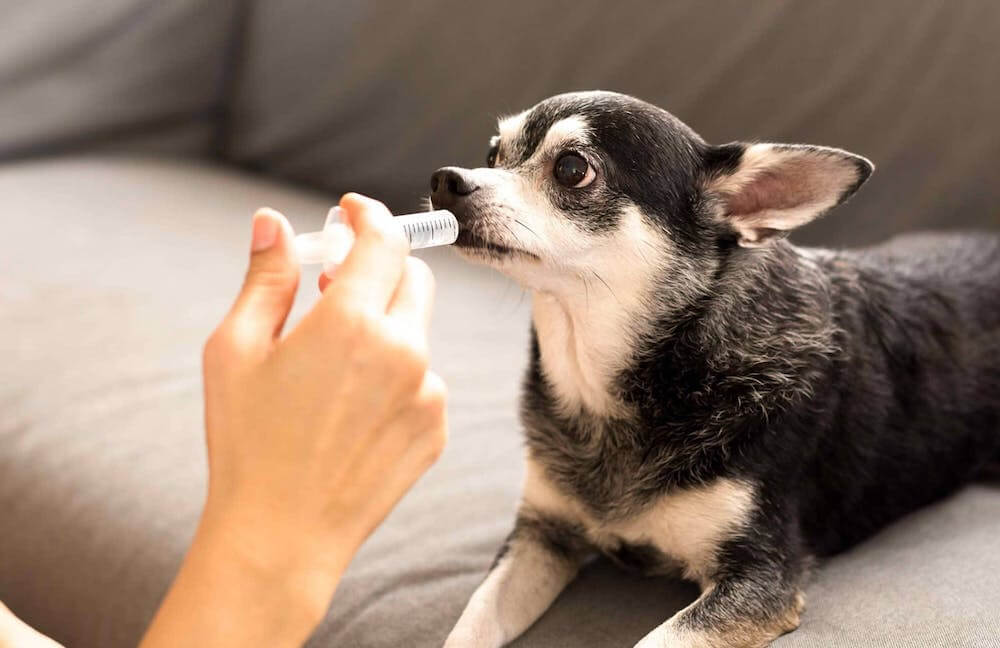
The dog's mouth is compressed to ensure the medicine has been swallowed. After this, the animal should be given something to drink.
How to give powdered medicine to a dog
Most medications available on the veterinary market come in tablet and suspension form, and sometimes capsule-coated medications are available. However, not all medications can be dissolved in liquid. Therefore, it's often more convenient to administer a tablet to your dog in powder form. To do this, you'll need to convert the tablet form into a powder or remove the contents of the capsule.
How to treat four-legged friends with powdered medications:
Ready-made or pre-prepared powder can be easily combined with your pet's favorite food.
To properly administer medication to a dog, the medicine is mixed with cottage cheese, pâté, grated cheese, minced meat, or thick porridge—it all depends on the dog's gastronomic preferences.
The "patient" will happily devour the decoy containing the medicinal powder, without even noticing the trick. After the procedure, the dog should be given something to drink.
What medications should not be given to dogs?
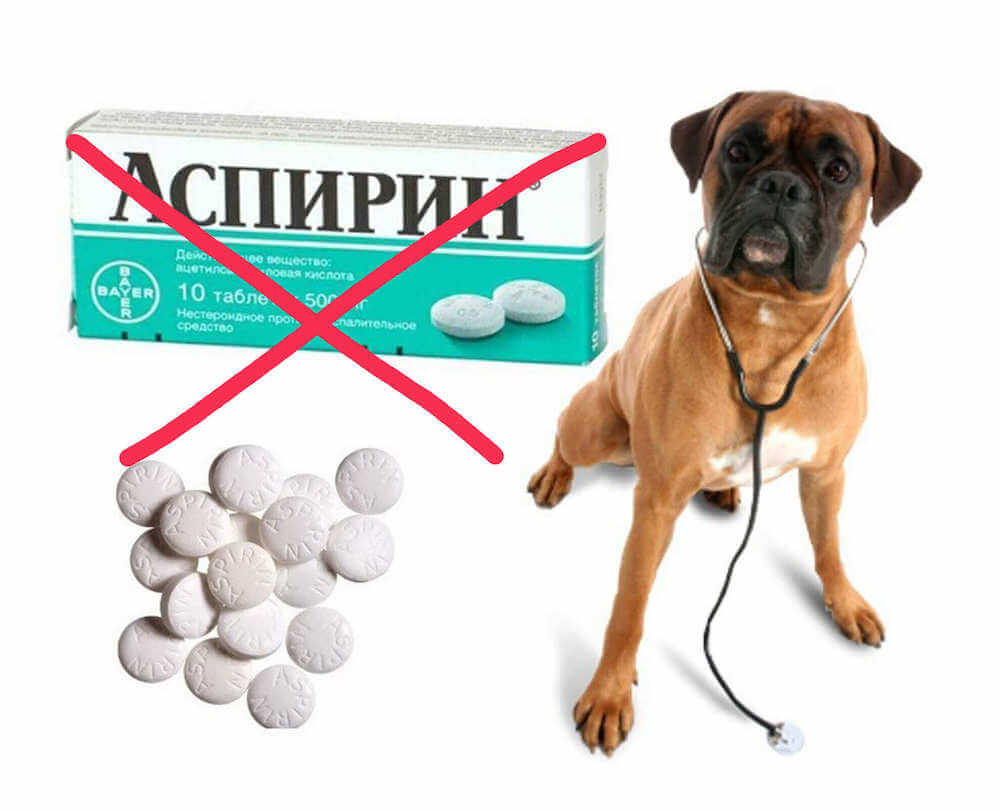
It is not recommended to treat dogs with medications purchased from a regular pharmacy, especially without a specialist's recommendation. Only exceptional medications are acceptable for treating pets—only a veterinarian knows how to properly administer medication to a dog.
Even if you don't have a first aid kit at hand at the right moment, you shouldn't resort to treating dogs using the following remedies:
- ibuprofen and paracetamol, all other phenol-containing drugs;
- aspirin and its analogues;
- no-shpa;
- nonsteroidal anti-inflammatory drugs;
- corticosteroids (Dexafort, Prednisolone, Dexamethasone);
- various sedatives, even those based on natural ingredients.
Only a veterinarian can prescribe appropriate treatment and select the dosage form and dosage – then the treatment will be effective and safe.
An important point is that the entire procedure should take place in a friendly, non-pressured environment. Your four-legged friend will appreciate your care and will behave compliantly. Any caring owner can administer medication to their dog correctly, but the key is to do so wisely and responsibly.
Read also, Can you feed a dog raw meat?.