We all know from childhood that we're responsible for the animals we've tamed. Especially for our little furry friends, who can't imagine life without a human by their side. It's important for any pet to receive not only love and attention from their owner, but also proper care: good nutrition, regular haircuts, and baths. Grooming a dog at home isn't as difficult as many people imagine. In this article, we'll explain the intricacies of dog grooming at home.
Content
What dog breeds need grooming and why is it necessary?
Almost all long-haired dog breeds require grooming. Grooming is essential for both pets participating in competitions and shows, as well as for house dogs that only leave the house or apartment for walks.
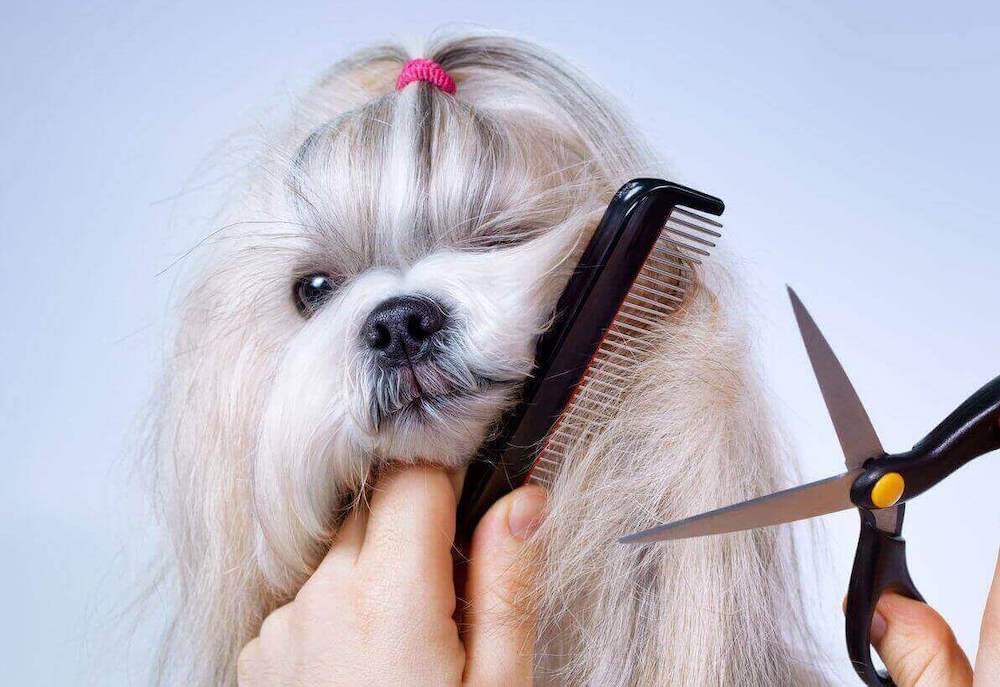
There are a number of reasons for this: for show dogs, it's primarily aesthetic, and for other dogs, it's hygienic. A trimmed coat makes a dog feel more comfortable (especially in summer) and less likely to get dirty outdoors. A short coat also makes it easier to spot parasites if they appear.
Here are some dog breeds that need grooming:
- Shih Tzu;
- Chow Chow;
- Poodles;
- Terriers;
- Spaniels;
- Retrievers;
- Poodles;
- Bolognese
Whether or not to groom a dog, regardless of breed, is always the owner's decision. Therefore, this list is far from exhaustive.
How to trim a dog's hair with scissors
If you've already decided to groom your dog, it's time to get down to business. There are several ways to do this. The simplest and most common is to use scissors. Before you begin, it's important to prepare your work area to ensure the grooming process is quick and convenient for both owner and pet.
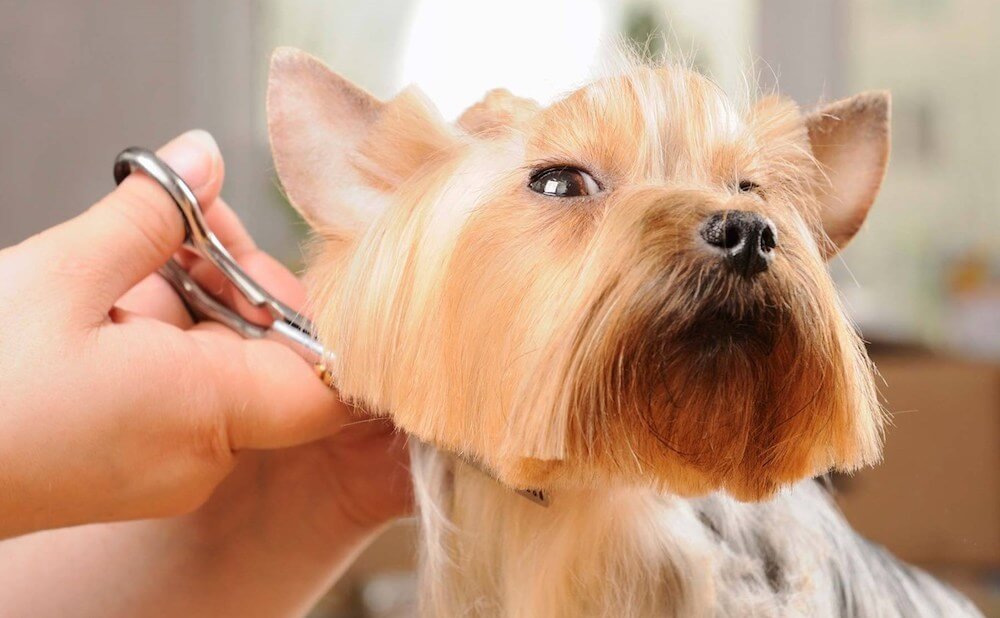
One of the most important aspects is lighting. It should be bright, illuminate the entire work area, and be as natural as possible, making the grooming process more comfortable. Another important factor is the height of the surface. Prepare a comfortable spot for grooming—it shouldn't be too low or too high. Also, lay out all the scissors and combs in advance. It's important to note that you shouldn't use regular household scissors or specialized grooming tools to groom your dog. You need to purchase specific grooming scissors and combs.
To ensure your dog is calm during the grooming process, be sure to take it for a walk, wash it with shampoo and conditioner, brush it thoroughly, and offer it water.
Once the dog is washed and combed, you can begin grooming. Start with the key areas—the ears, paws, and the fur around the eyes. When moving on to the muzzle, cover the dog's mouth with your hand to prevent it from causing harm if startled. Only once the grooming is complete can you move on to the body.
The grooming process itself is simple—you just pull the fur out by hand and trim a few centimeters. Owners should be very careful when grooming the body to avoid damaging the genitals or nipples. For the same reason, it's not recommended to trim too much fur—getting the scissors too close to the dog increases the risk.
Grooming with a clipper
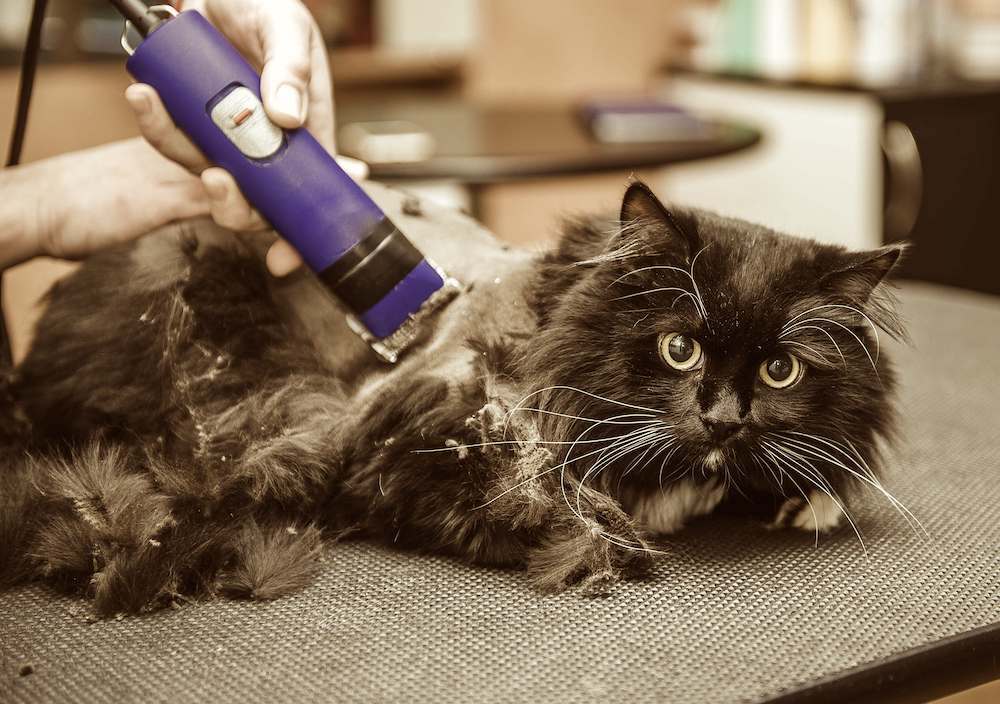
Neither household scissors nor human clippers should be used to groom a dog's coat. Grooming clippers are sold in specialized stores; they are the only ones suitable for grooming dogs. Human clippers can cause harm to the dog, removing too much hair, leaving bald spots, and damaging the skin or body.
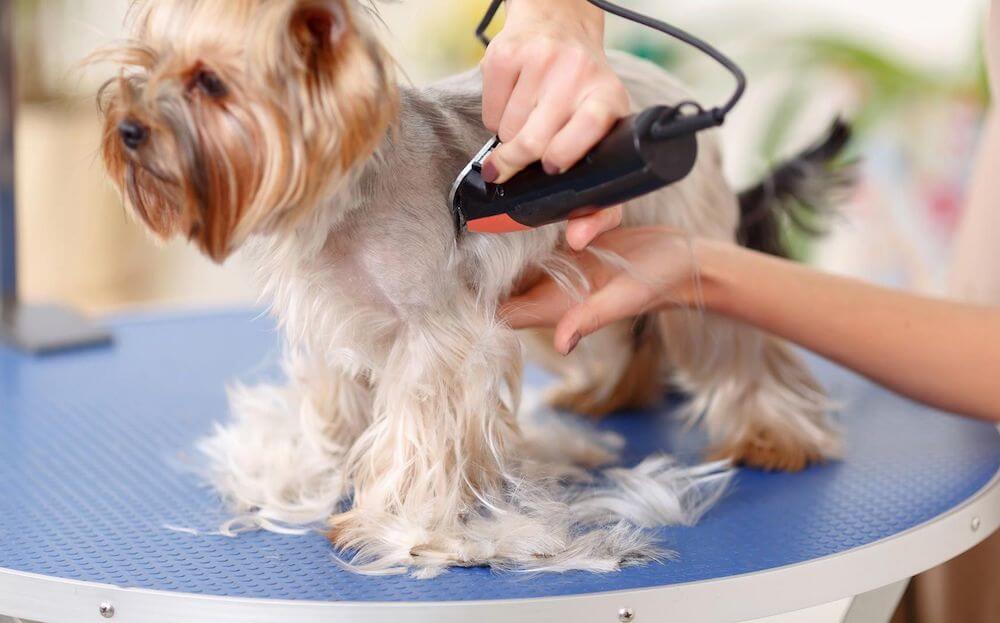
The preparation phase for the procedure is similar: ensure proper lighting and a comfortable surface, bathe the dog, and prepare it for grooming. The only difference is that it's important to read the instructions for the specific clipper beforehand, as they provide specific recommendations for using the specific device. The clipper should be moved gently along the skin, avoiding any pressure. If the dog has any skin folds or wrinkles, use your hand to smooth the skin before trimming the area. Otherwise, there's a high risk of causing harm to the dog.
When choosing this grooming method, it's important to understand that it's not the easiest. Mastering the art of using electric tools (especially on animals) takes time. Therefore, it's important to accept that you may not get the perfect haircut right away. If you're new to grooming, it's best to start learning how to cut dogs with scissors.
Secrets to trimming your dog's fur if it won't let you
Dogs almost always dislike grooming, and this is understandable. Many animals dislike their owners' touch in general, let alone when their owners bring sharp objects close to their bodies. It's difficult for animals to immediately understand that a person is doing this with the best of intentions. Furthermore, dogs may have psychological trauma that triggers their fear of grooming, causing them to bark, bare their teeth, and even bite.
However, any difficulties can be overcome, and here are some ways to do it:
- Try to quickly determine the cause of the fear and adjust the situation accordingly. For example, if the dog is frightened by strangers, it's best to ask everyone to leave the room. If the noise from clippers is the issue, consider grooming the dog with scissors.
- Administer sedatives of varying strengths. Please note that this method should only be used if you cannot determine the cause of the dog's anger and the haircut is urgent.
- Put a muzzle on the animal.
- Use restraints that will allow you to calm your dog's movements and groom safely. When choosing restraints, choose high-quality models made of soft materials that won't cause pain to your pet.
All of the above methods apply to situations where it's impossible to delay the grooming. If there's no rush, and your dog reacts very negatively to the grooming procedure, it's best to analyze its behavior and work on overcoming its internal fears.
Modern groomers say there are three reasons why dogs may behave aggressively during grooming: fear, nervousness, and an attempt to dominate. Each of these causes has its own solutions without the need for additional treatment. These include using a calm voice, petting, or working with a dog psychologist.
Can you trim a dog's whiskers?
A dog's whiskers (called vibrissae, by the way) are also hair, just of a unique type. While many dogs have this hair only on their muzzle, dogs with a wolf-like appearance have it all over their bodies. A key feature of whiskers is that, unlike regular hair, their roots have nerve endings that connect to a specific part of the animal's brain. Simply put, whiskers act as antennae, helping the animal navigate.
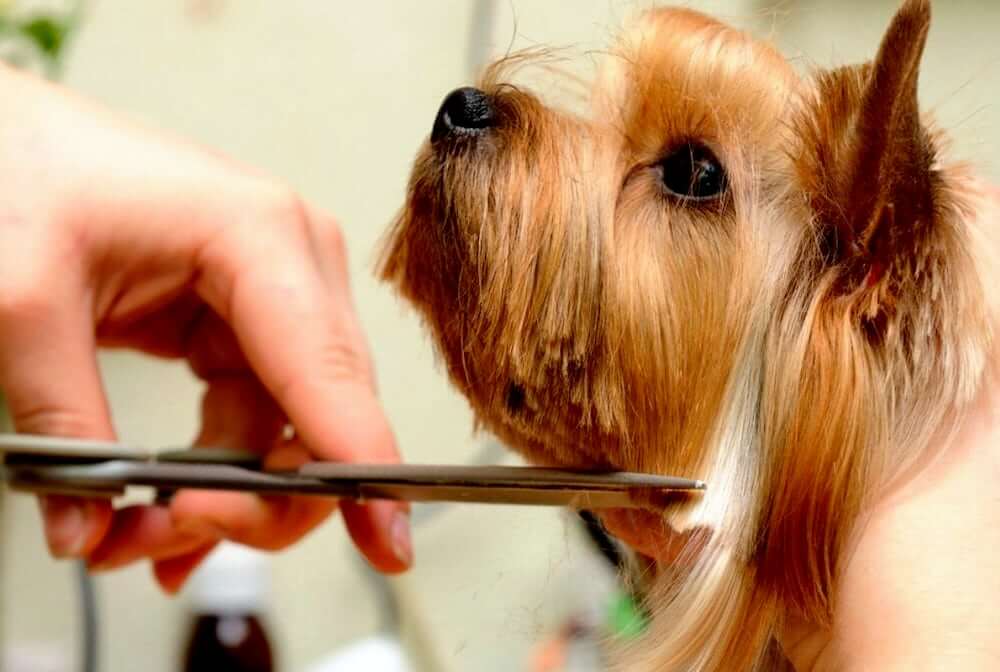
Many dog trainers claim that whisker trimming is a relic of the past, like tail and ear docking. For dogs that live in private homes and frequently roam over large areas, this procedure can be harmful: they lose the ability to quickly and reliably find their way around. However, it is believed that whisker trimming is not a dangerous procedure for animals that live in apartments.
However, there's one rule that applies to all dog breeds: puppies under two months of age should not have their whiskers trimmed. At this age, the animal's nervous system is not yet fully developed. Removing whiskers can prevent the dog from developing its most important skill—the sense of smell—as it grows.
Mostly, whiskers are trimmed on dogs participating in shows, because it is not possible to give the muzzle an aesthetic appearance without affecting the whiskers.
The decision of whether or not to trim a dog's whiskers, as well as whether its coat needs trimming at all, is up to the dog owner. However, whiskers sometimes fall out on their own. This requires an urgent visit to the veterinarian, as whisker loss indicates a health problem.
There's currently no definitive answer to the question "to trim or not to trim?" But, as we said at the beginning, we are responsible for the animals we've tamed. Nothing is more important than a healthy dog, so we don't recommend experimenting with trimming your pet's whiskers.
How quickly does a dog's hair grow back after a haircut?
Every dog's hair grows at its own rate. This is influenced by many factors: the condition of the coat, the animal's overall health, and care. On average, it takes about six months for any dog's hair to grow back to its normal length after being completely shaved.
To ensure your dog's coat grows back beautifully and doesn't require a new haircut after a couple of months, follow these post-haircut grooming guidelines:
Frequent brushing and regular bathing with a special shampoo and conditioner will keep your pet's fur tangle-free, comfortable, and looking its best.
Results
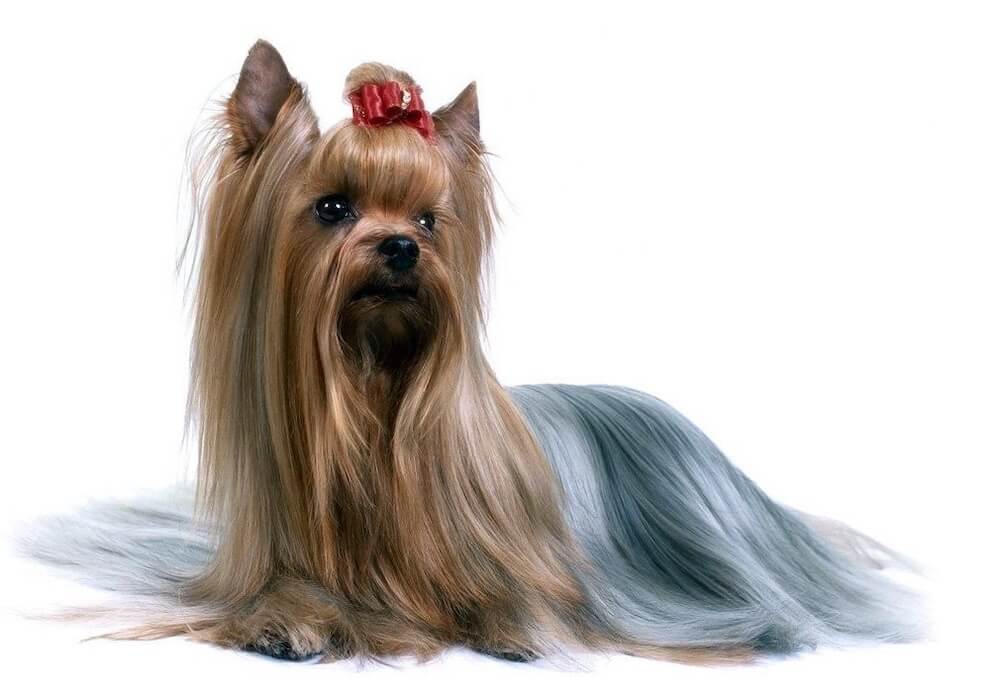
Grooming your beloved dog at home is not at all difficult: you just need to buy a few special grooming equipment, learn a few rules, and prepare your animal physically and psychologically (if necessary).
You've already learned the rules in this article, so rest assured that you can handle this challenging task and always have a well-groomed and happy pet.
Read also, How to care for an older dog.