Cat grooming isn't often necessary, but if it is necessary, it's quite difficult to do at home. It's understandable that a cat won't appreciate such a procedure, so owners prefer to entrust their pets to professional groomers. However, these services aren't available everywhere, and there are situations when urgent intervention is required, forcing the owner to resort to clippers. It's advisable to research the matter in advance, as the need to groom a cat can arise unexpectedly.
Content
Is it possible to cut cats' hair?
Obviously, if the article's topic asks "how?", the answer to "is it possible?" is assumed to be yes. However, things aren't that simple. Cats differ not only in breed but also in personality. They live in different environments and often get sick. Therefore, grooming a cat isn't always advisable; there are times when it's necessary, but there are also situations in which grooming is strictly not recommended.
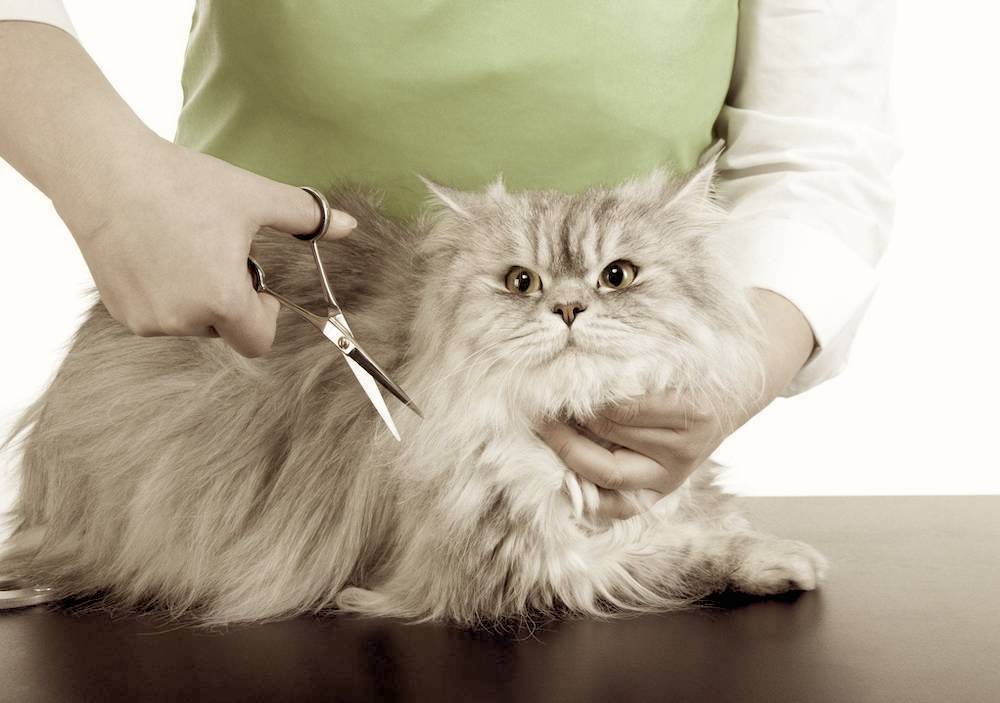
There are three types of haircuts:
- HygienicIt's periodically performed on long-haired cats. The procedure is aimed at preventing the formation of tangles and hairballs in the animal's digestive tract (stomach). This often occurs during shedding. Grooming also helps combat parasites such as ticks and fleas.
- MedicalThis procedure is necessary when skin conditions arise. Treating wounds, ulcers, and other skin problems is much easier if the hair around the problem area is trimmed.
- Aesthetic (model)This is the case when grooming is done solely at the owner's whim; there's no other reason for it. It's long been proven that removing hair doesn't help cats cope with heat; instead, they require adequate water. Grooming also won't reduce the risk of allergies for owners.
Therefore, the decision about the need for a haircut is based on the situation.
It is usually required if:
- It is impossible to get rid of tangles by washing and combing;
- no time for regular pet care;
- the cat got dirty with something that can't be washed off;
- the pet is shedding excessively or has ectoparasites.
In any case, intervention should be minimal: complete shaving is performed only in exceptional cases. Old, sick, and overly aggressive animals are eschewed. In fact, the procedure is completely unnecessary for long-haired breeds. Animals naturally shed excess hair on their own: for example, by rubbing against corners, shedding, licking themselves, and shedding some hair naturally.
How to trim a cat's hair at home with clippers
It's best to have a cat groomed by a professional, but the opposite situation also occurs: a pet is more likely to trust its owner than a stranger. At home, grooming should be done on a table cleared of all objects, with a non-carpeted floor. It's usually much easier to have an assistant, someone already familiar to the cat, assist. Treats will be helpful to calm the cat during the lengthy procedure.
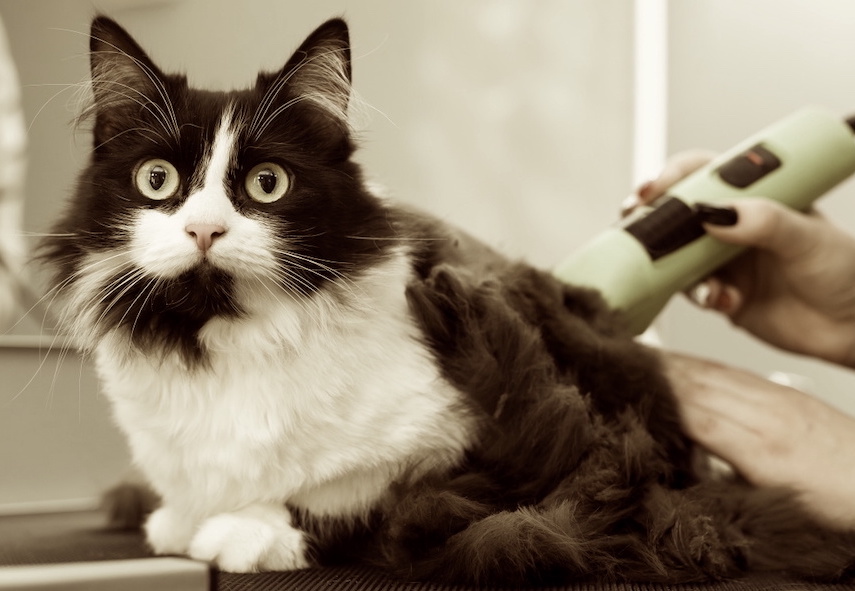
For the simplest grooming needs, a clipper is sufficient, but not just any clipper. Human clippers aren't suitable for cats: they lack the power. For a small area, a manual clipper is best, while an electric clipper is best for a full groom. A clipper with a short haircut requires up to 15 watts, while a long-haired cat requires at least 45 watts.
In addition to the small animal clipper itself, you will most likely need:
- trimmer for hard-to-reach areas;
- mat cutter (easily replaced with blunt-ended scissors);
- thinning scissors.
Additional items to prepare include a towel, a disposable diaper, a comb, cotton wool, and hydrogen peroxide or iodine tincture. The "hairdresser" and assistant are advised to wear rubber gloves.
You should know the rules that cannot be broken:
- Under no circumstances should the paws, tail and head be shaved bald: these are the locations of important receptors for the animal;
- a haircut session should not last more than 10-15 minutes: after this, the cat needs rest, and the clipper needs time to cool down;
- 1-2 cm of hair must be left on the skin (except for areas near the wound) (the limit is 3-5 mm);
- The blade must be periodically lubricated and never pressed too close to the skin.
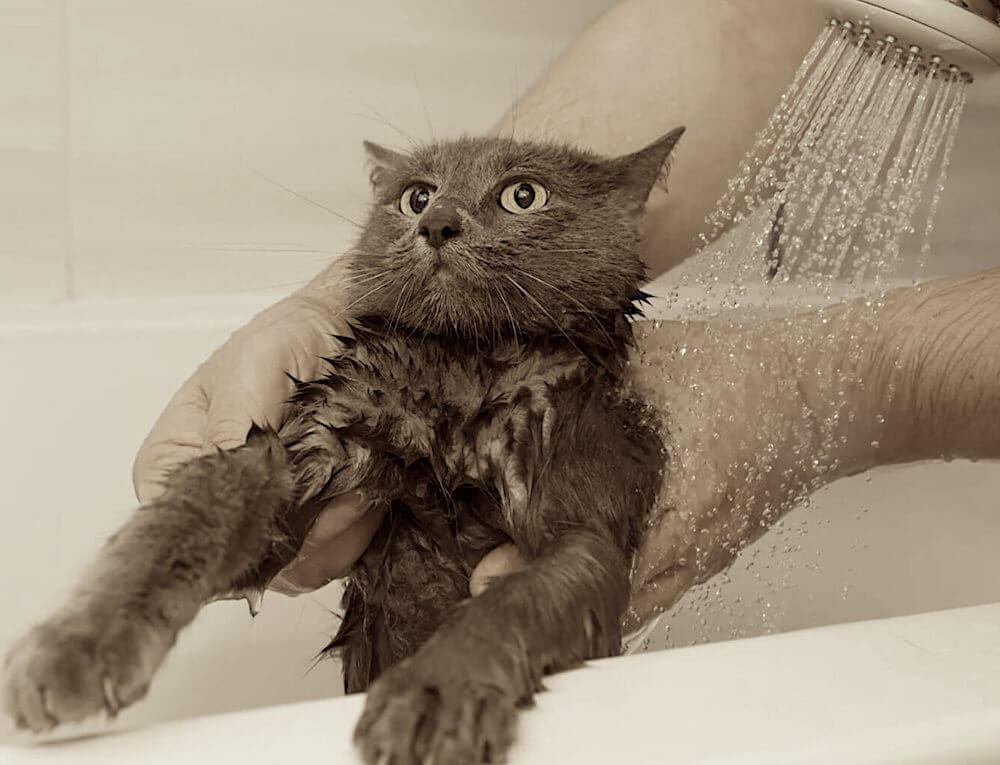
It is advisable to bathe the cat a couple of days before the haircut (except in cases of non-removable mats).
The haircut procedure itself is performed in the following sequence:
- The animal is secured to a table, preferably in a lateral position. The assistant's job is to press the animal's paws to the surface.
- They try again to remove the tangles by combing and untangling them. If this fails, they cut them out with a mat cutter.
- Comb the fur thoroughly.
- The trimmer is used to treat hard-to-reach and intimate areas.
- Use a clipper with a guard of at least 3 mm for the main part of the procedure. Starting at the sides, continue down the back, and finish on the stomach, guiding the clipper along the fur and periodically lubricating the guard.
- The procedure is completed by trimming the fur with thinning scissors.
This is a brief description of the process; sometimes it may need to be modified or supplemented. For example, it's advisable to show timid cats the tools beforehand, and before the session, such animals are encouraged to use various methods: petting, reassuring, and feeding them their favorite food.
Brushing your cat before a haircut can be tricky. You may need a slicker brush first, then a fine-tooth comb. Brush the fur from head to tail. Avoid eyebrows and whiskers. A conditioner spray is helpful for detangling tangles, and a fine-tooth comb should be used only after hairballs have been removed.
There are many different haircut "models", but even the simplest procedure has a specific purpose.
For example:
- trimming the belly helps prevent tangles;
- Treatment of the anal area serves to maintain cleanliness;
- Trimming the hair all over the body reduces the amount of "garbage" in the house during periods of intense shedding.
The most famous cat haircuts have descriptive names:
- lion;
- puma;
- broom;
- sheepskin coat.
For example, to create a "lion" look for a cat, the cat's back is shaved almost completely, removing the fur from the base of the tail to the head, against the grain. The paws are then stripped bare. All existing hair is left on the head, neck, and the very tip of the tail. The tail is often improvised: completely shaved, tasseled, or pom-pom-like. However, none of this has anything to do with hygiene; it's more the owner's preference than the pet's.
After grooming, wash the animal thoroughly with cat shampoo. After washing, remove excess water with a large, soft towel. It's best to dry the pet with a hairdryer while brushing, but avoid using too much heat. It's important to prevent water from remaining in the ears.
Read also, How to collect urine from a cat.
How to cut a cat's hair if it won't let you
Grooming a cat that won't let you have it is not easy, but sometimes it's necessary for medical purposes. When the grooming isn't urgent, the cat is slowly prepared for the procedure beforehand. Any trick is used: from petting and heartfelt conversations to giving the cat the tastiest treats. Before grooming, an aggressive cat is always given a protective collar to protect it from its teeth.
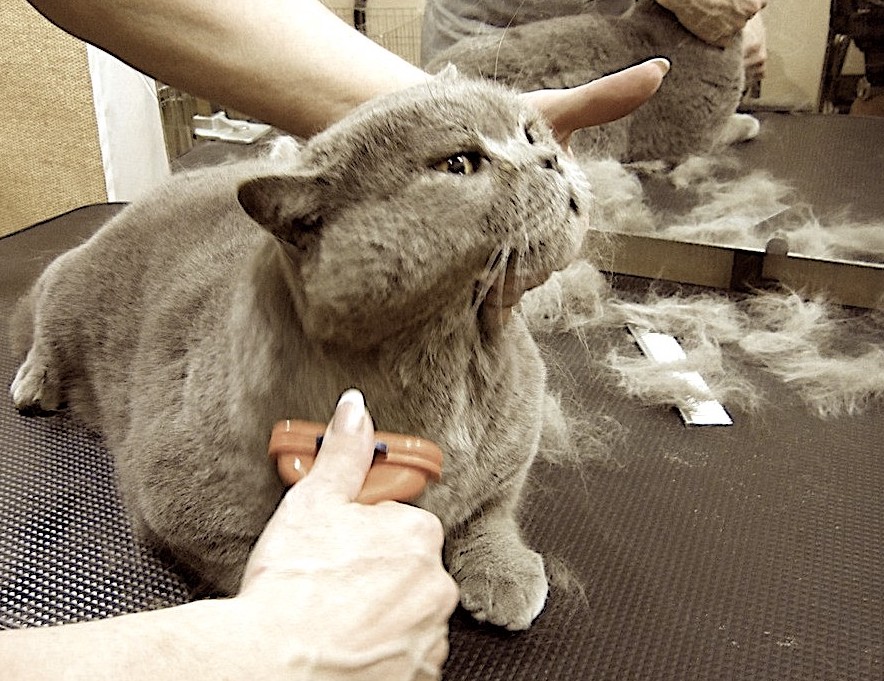
When simple measures fail and a haircut is necessary, the cat is sedated: a veterinarian will recommend relatively harmless herbal formulations. General anesthesia is used only in exceptional cases: when the cat is aggressive or has large, dangerous mats containing dirt and parasites. Of course, anesthesia is performed by a veterinarian, usually in a clinical setting.
When cats shouldn't be groomed
There aren't many absolute prohibitions on grooming cats: the benefits and harms of the procedure should always be weighed against each other.
It is advisable to think about the advisability of a haircut in three cases:
- The cat is acting extremely nervous. This is especially dangerous for older and sick animals. Sedatives are generally far from safe for them, so it's best to avoid extreme measures: brush the animal more frequently and gradually trim any mats with scissors.
- Preparing for a cat showNew hair can have completely different properties: coarseness, length, and even color. Trimming can negatively impact show results.
- Warm season. Summer grooming is highly discouraged, as the fur serves a protective function, protecting the skin from UV rays and drafts. A grooming session is, of course, performed if necessary. Your cat may need a blanket or even sunscreen afterwards.
Of course, if a cat has a bleeding wound, the hair around it is trimmed, despite such restrictions.
Read also, How to clean a cat's nose.
Tips and nuances
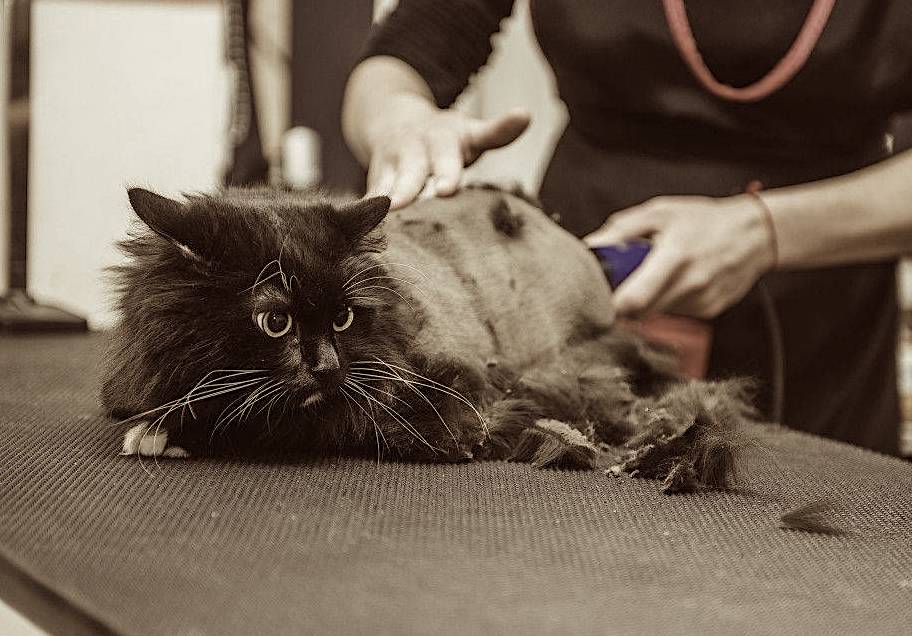
When grooming, it's worth considering the advice of veterinarians and experienced cat owners:
- It is essential to use special lubricant for cutting tools;
- Cutting the hair too short causes a lot of discomfort to the animal;
- Not only touching the skin with the blade, but also pressing on it with the machine carries the risk of injury;
- perhaps, during the haircut process you will need breaks not for an hour or an hour and a half, but even for a couple of days;
- The whiskers and fur on the tips of the paws are sensitive organs, with the help of which the cat navigates, so they are not touched at all;
- In case of cuts, immediately treat the areas around them with iodine or hydrogen peroxide.
Haircuts should not be done too often: no more than 2-3 times a year.
Cat grooming requires specialized clippers, the power of which depends on the animal's coat length. However, only the simplest cases require additional tools; a home groomer will also need scissors. It's best to consult a professional, but if the owner and pet have a trusting relationship, home grooming is perfectly acceptable.
Read also, How to brush a cat's teeth.