Sometimes a cat may develop symptoms that may indicate problems with the urinary tract/bladder.
For example, it could be:
- change in color, darkening and the appearance of foreign impurities in the animal’s urine;
- pungent smell;
- painful urination (accompanied by loud meowing);
- incontinence (the cat begins to go to the toilet outside the litter box);
- lack of urination.
These symptoms may indicate kidney failure, urinary tract obstruction, infections, bacteria, stones, kidney or urethral inflammation, and other issues requiring veterinary attention. Different symptoms can indicate different conditions, but a visit to the vet is necessary in any case. The vet will likely order a urine sample. In this article, we'll discuss how to collect urine from your cat.
How to collect urine from a cat – basic methods. What is cystocentesis?
At home, urine is most often collected in a basin or urine bag. In a clinical setting, cystocentesis and catheterization may be used.
Cystocentesis is a procedure that involves puncturing the bladder and abdominal wall to collect tissue. This procedure ensures sterility and can be performed from any position (standing, lying on its side, or lying on its back). However, it can be quite challenging to calm the animal and keep it still.
Catheterization is used when an animal is unable to urinate on its own: a catheter is inserted into the bladder. This procedure is only used in extreme cases due to the high risk of infection. Anesthesia is sometimes used, but it can be done without it.
Tray
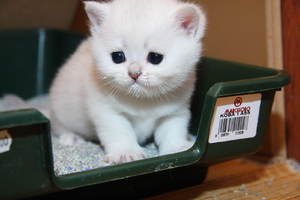
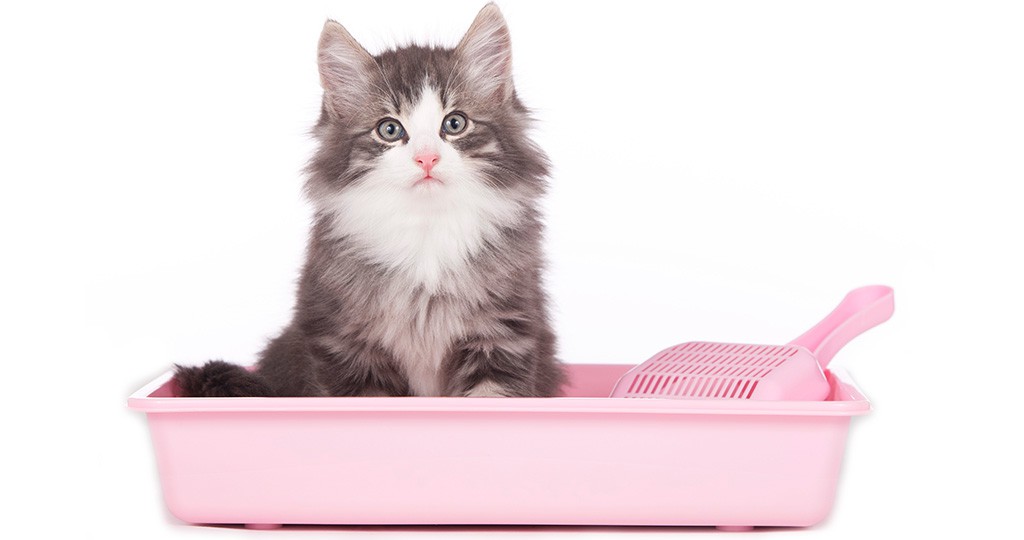
The most logical and simple method is to collect urine in a tray. However, it's crucial that it's clean. You can disinfect it with rubbing alcohol, which dries quickly and leaves no odor. Afterwards, the urine can be collected using a syringe.
The only problem is that not all cats are willing to use a litter box without litter. In this case, special kits can be used.
Special set
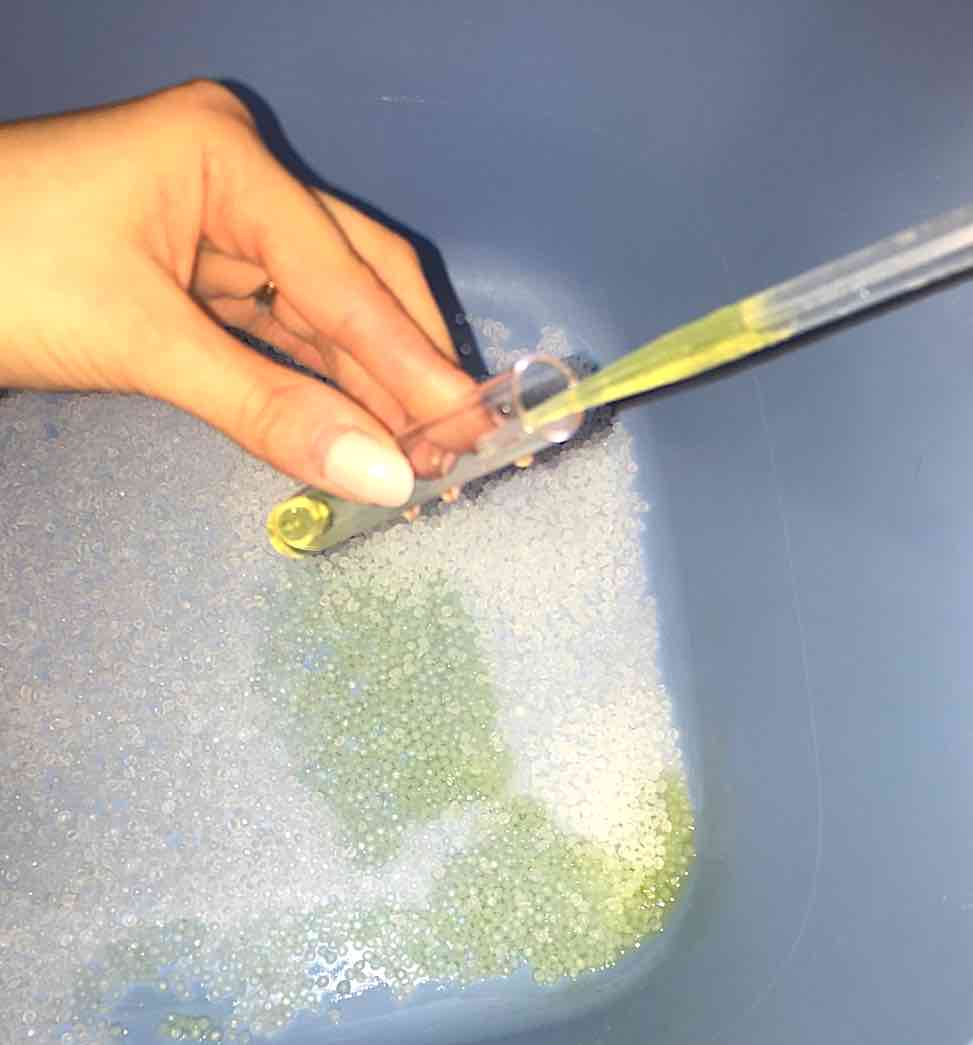
These kits contain hydrophobic sand or special urine-collecting crystals that mimic regular litter but do not absorb urine or change their composition.
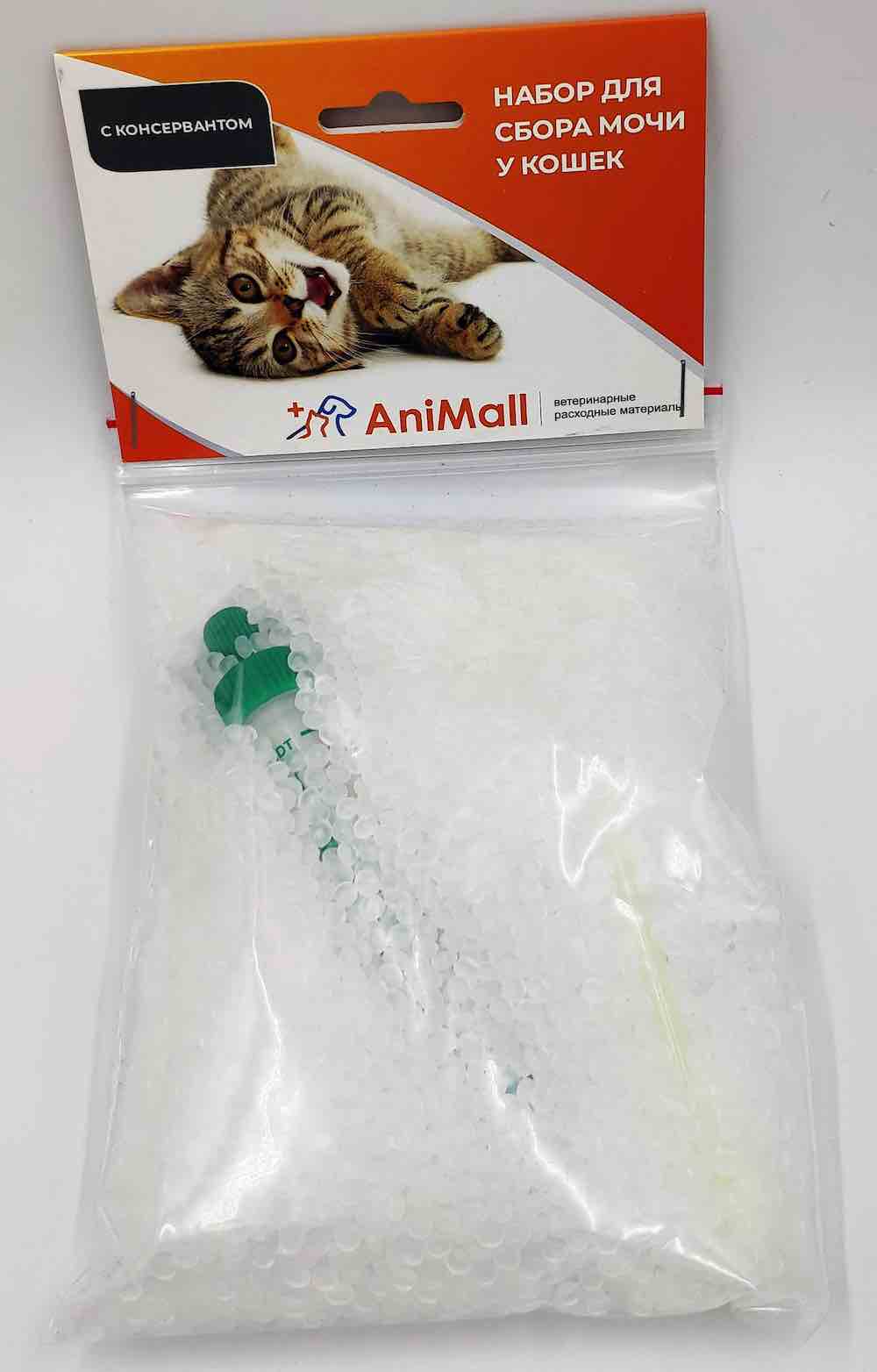
The kit typically includes a syringe/dropper and a sterile container. This can be purchased at a veterinary pharmacy, or less commonly at a pet store. Boiled and dried aquarium fish gravel can be used instead. However, such gravel should not contain any chemicals.
You can also find test strips for measuring urine pH in veterinary pharmacies.
Collecting urine from a cat using a pediatric urine bag
Another option for collecting urine from a cat involves using a urine collector, such as a children's one.
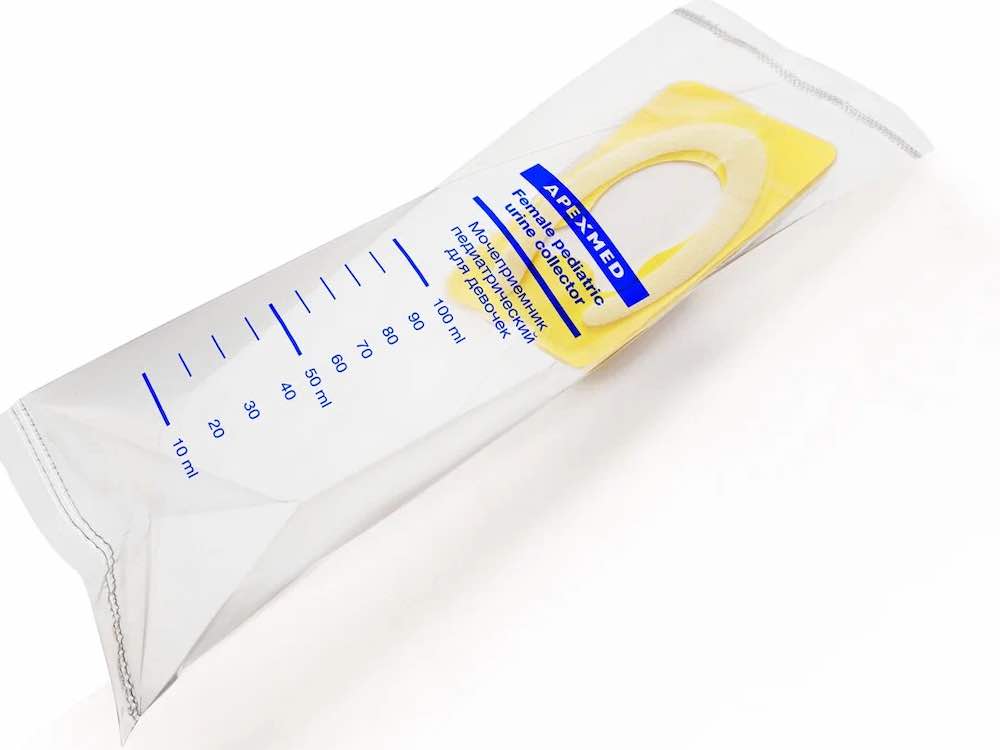
Need to:
- disinfect your hands;
- unpack the device;
- treat the edges of the tank with adhesive;
- fix it in the genital area.
Keep in mind that the animal will be unhappy and will try to take it off, so you need to put a diaper on top.
Once the urine collector is full, it must be carefully removed and the urine poured into another container.
Read also, How to clean a cat's nose at home.
What you shouldn't give your cat before collecting samples
If your pet is taking diuretics before the urine collection, it's best to discontinue them 1-2 days beforehand. Just make sure to consult your veterinarian beforehand. Avoid foods that change the color of your pet's urine (such as beets) for a few days before the test.

Read also, Do cats get coronavirus?.
Tips and nuances
It's generally accepted that it's best to collect urine in the morning—the kind that has accumulated in the bladder over a long period. This will eliminate daily fluctuations. For more accurate results, it's best to test within two hours of collecting the sample. Urine can be stored in the refrigerator for no more than 24 hours. Therefore, don't delay transporting it. If urine is left in a warm place or exposed to light for too long, the cellular elements will be destroyed, which could lead to false test results.
Cat urine is collected in a disposable, sterile plastic container with a lid. These can be purchased at a pharmacy or veterinary clinic. Sterile containers help prevent many negative effects.
If your cat uses a bathtub or sink instead of a litter box, clean them thoroughly, but do not use household chemicals. Rinse thoroughly and cover the drain with clean plastic wrap to create a recess, or use a bathtub stopper. The same plastic wrap can be placed under the toilet rim if your cat uses it for urination. Collect the waste using a sterile syringe without a needle.
Please note that traces of household chemicals alter the characteristics of urine. Typically, at least 25 ml of sample is required for analysis.
While collecting pet urine isn't the easiest task, it's certainly possible. The easiest way is to collect it from a clean litter box, but you can also do this with a urine bag.
Read also, How to brush a cat's teeth.