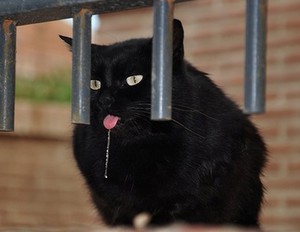
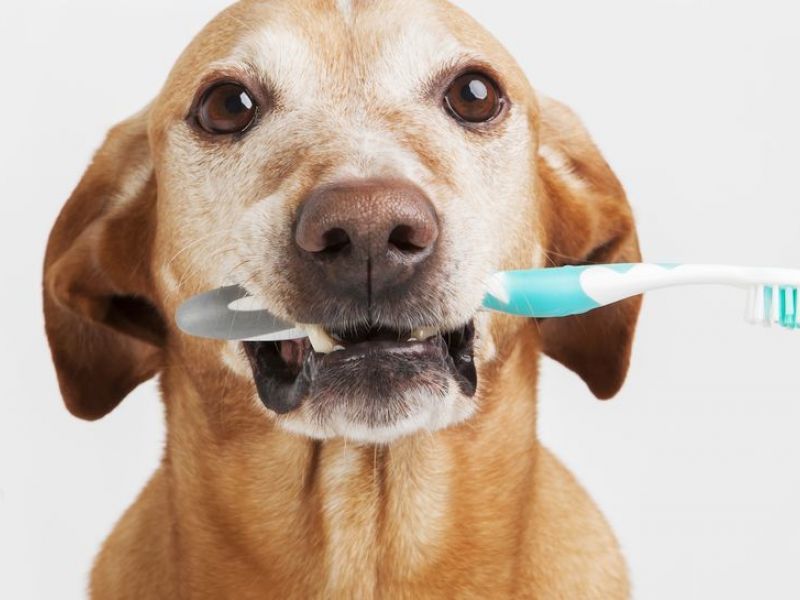
Cat owners often wonder about their pet's oral hygiene. In the wild, animals take care of their own teeth and don't suffer from dental problems, but this isn't the case for domestic cats. Experts say brushing cats' teeth is both possible and necessary. After all, our furry friends suffer just as much from tartar and gum disease. This is due to their diet and lifestyle.
The latter is fundamentally different from the living conditions of wild cats. The needs of domestic and wild animals also differ.
Today, we'll explore the importance of dental hygiene for cats, learn how to brush your beloved cat's teeth at home, and learn how to train your furry friend to brush their teeth.
Content
Do you need to brush your cat's teeth?
A cat doesn't really need bathing or nail care, but its ears and teeth are weak points.
When should you be concerned? If your pet's tooth enamel has yellowed, partially darkened, or if there's inflammation in the gums—they're swollen, red, and there's bad breath.
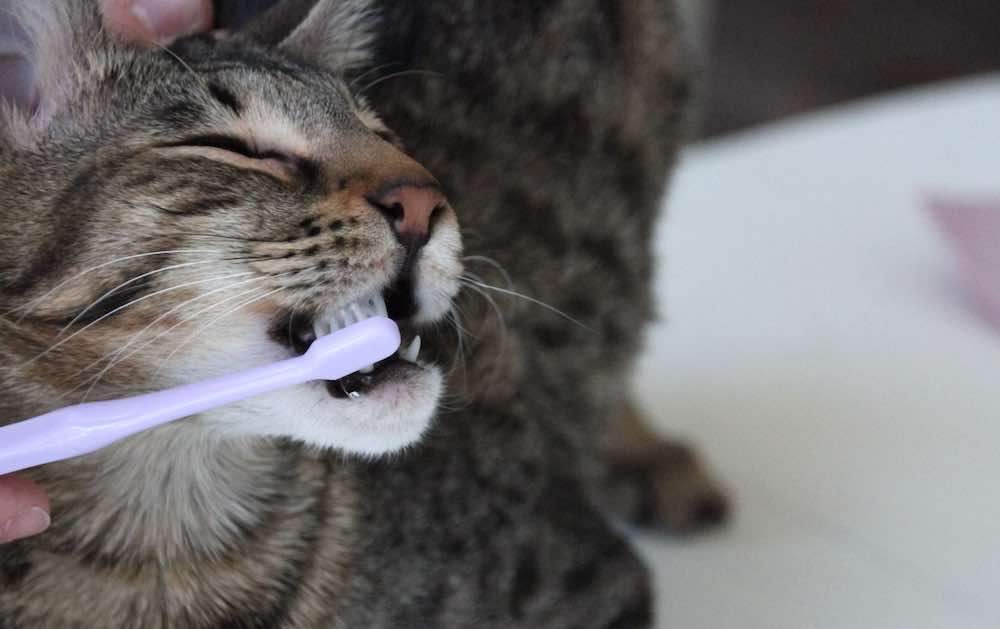
As funny as it may sound, many cats require daily dental brushing, or better yet, several times a day. It's best to teach them dental hygiene from puppyhood. Why is it so important to brush your cats' teeth, and what are the dangers of poor dental hygiene?
- Modern domestic cats' diets consist of freeze-dried treats or regular homemade food. In the wild, felines eat hard food, which partially solves the plaque problem. Outdoor cats, who enjoy eating rodents and birds and grass, also have fewer problems. Domestic cats need to brush their teeth and remove tartar themselves.
- When plaque forms on teeth, bacteria and pathogens accumulate in the oral cavity. This leads to the development of periodontitis and gingivitis, and gums bleed—again, just like in humans. But while humans can resolve dental issues with a dentist or orthodontist, cats simply lose their teeth in old age. A toothless cat is a hungry cat.
- Pulpitis is another problem that causes inflammation of the soft tissues of the pet’s oral cavity.
- An unpleasant putrid smell from the mouth.
- Mineralization of plaque results in the deposition of tartar, which leads to dental diseases and, consequently, metabolic disorders in the animal.
The consequences of poor oral hygiene include a general deterioration in health, loss of appetite, gastrointestinal problems—basically, nothing pleasant. Therefore, keep an eye on your cat's teeth and don't be lazy about doing five minutes of dental cleaning at least a couple of times a week.
Read also, Can cats eat raw food?.
Pet toothpaste: How to brush your cat's teeth at home
A cat's hygiene routine should include a special pet toothpaste, available at veterinary stores, and a toothbrush—just like a human toothbrush. A specialized toothpaste recommended by a specialist is essential. Regular human toothpastes are unsuitable for two reasons: they contain fluoride and require thorough rinsing, which cats are unable to do.
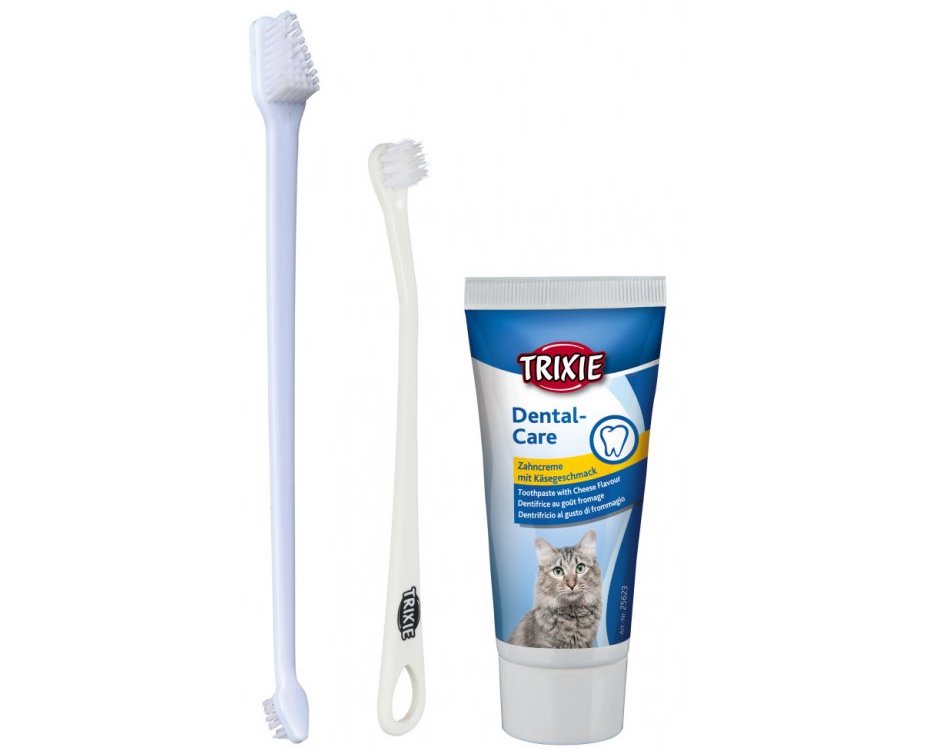
How to brush your cat's teeth:
- Bristle brushes – look like regular brushes, but have shorter bristles specifically for the cat’s oral cavity.
- A finger-sized massage brush designed for pets.
- A standard children's toothbrush from a regular pharmacy (it is smaller than an adult one).
- An alternative to a brush is a cotton pad or cotton swab soaked in chlorhexidine.
When choosing a toothpaste or gel, choose one specifically designed for removing plaque from cats. These products are gentler, come with special flavorings (liver, chicken, or beef), and contain no refreshing or minty ingredients. They have a pleasant aftertaste and are safe for pets.
Veterinary clinic specialists may also recommend professional teeth cleaning for your pet:
- UltrasoundIt's safe and completely painless. The enamel is then fluoridated.
- Mechanical method. This isn't just brushing teeth, but gently and evenly scraping away plaque from the cat's enamel. Disadvantages: time-consuming and labor-intensive.
- Consultation on nutrition and prevention of dental problems.
You can use disinfectant solutions for cats' oral cavity, so-called "liquid toothbrushes." The solution is added daily to the cat's food as drinking water and is safe for health, provided it is used in the correct concentration. This solution helps remove plaque from tooth enamel and partially whiten it.
Experts often recommend buying your cats treats—crunchy pads for cleaning teeth.
The most convenient, but not the most cost-effective, way to care for your pet's oral health is to visit a veterinary dentist every six months. The dentist will assess the condition of your pet's teeth, clean and disinfect them, and provide expert advice. Disadvantages: it's expensive (the average cost is no less than a dentist visit for the owner) and time-consuming—at-home care is easier and quicker.
Read also, What grass can be given to cats?.
Brief instructions and recommendations
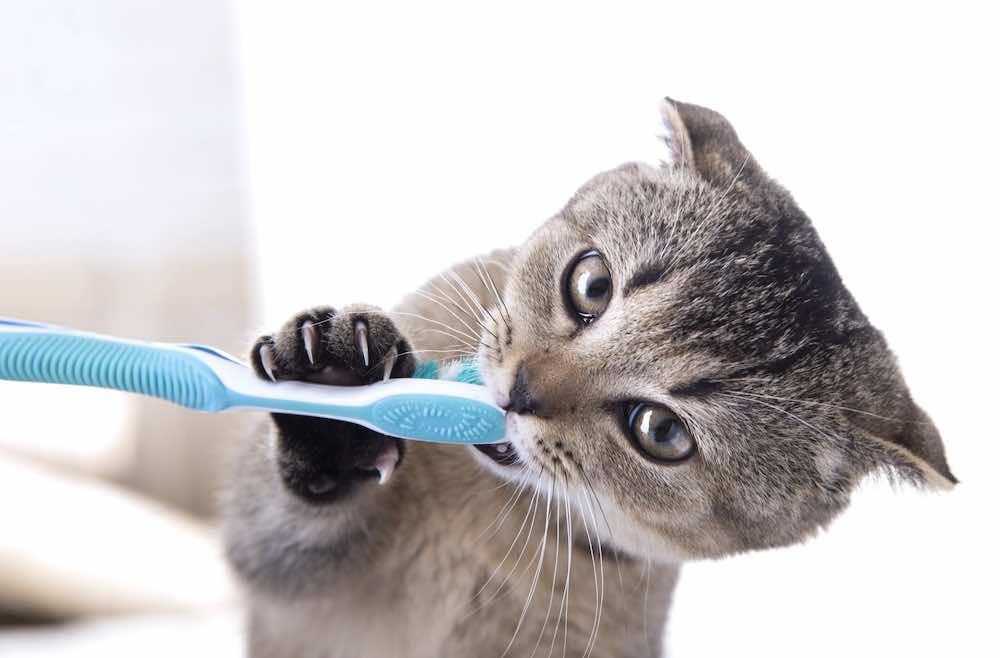
Cleaning your cat's mouth isn't difficult: your cat will happily chew on the brush, and the added flavors and aromas are just as appealing as store-bought dry food. Prepare toothbrush cleaners and a toothbrush (or cotton pad) in advance.
But first, make sure that the cat is not aggressive towards you:
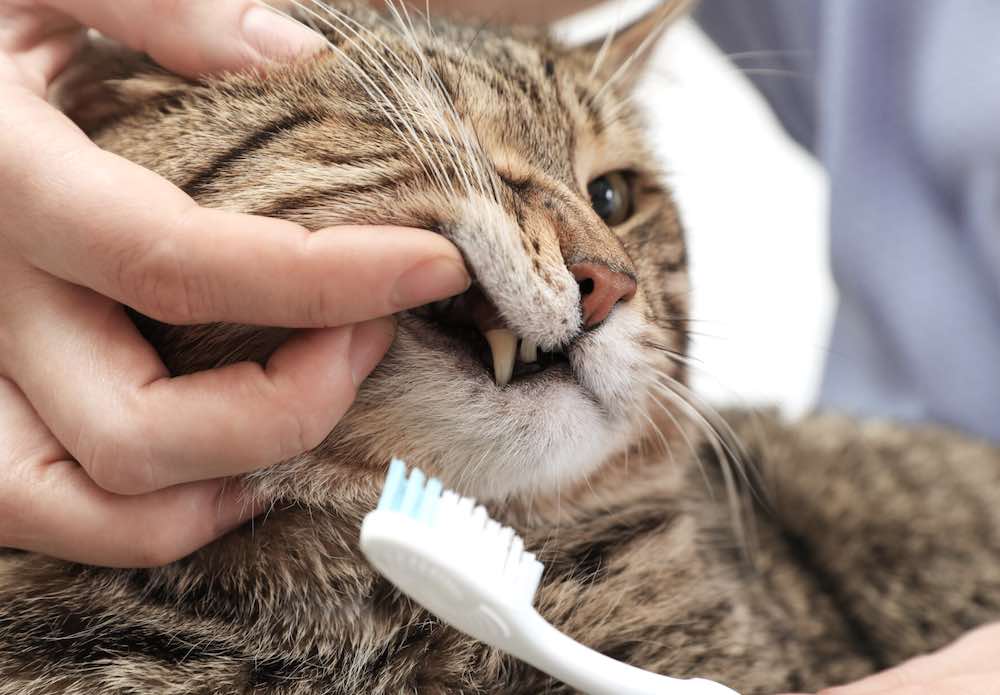
- Get the cat comfortable with you: pet it, speak in a soft voice, and sit it on your lap.
- Lightly fix the head and gently pull the lip.
- Move the brush smoothly (without pressure or sudden movements) up and down the tooth enamel.
- It is enough to devote 5-10 minutes 2-3 times a week to cat’s oral hygiene procedures.
- Use quality materials.
- All manipulations should not cause discomfort to the pet - and it will stop being afraid of dental hygiene procedures.
- If your cat is aggressive and not ready for the brushing process, don't force it; put it off until tomorrow. You'll save yourself the stress, as brushing your cat's teeth isn't a vital procedure.
How to train a cat to brush its teeth
It's a matter of habit—you can get your cat used to any procedure, but it takes time and regularity. To ensure your cat doesn't become aggressive during the procedure, you need to engage them. A toothpaste or gel with an enticing food flavor, soft bristles on the brush, a friendly approach, and a positive attitude will all help make the procedure tolerable, even if not your cat's favorite.
Try to brush your teeth every day, at least during the training period, this should be done regularly.
Feed the animal beforehand – 2-3 hours before dental procedures.
Get your kitten used to handling from a young age. As soon as all the permanent teeth appear (they are replaced at 6-7 months), begin brushing their teeth.
If you're absolutely unsure whether your cat is tame or friendly, wrap it in a blanket and put on rubber gloves for safety. Your friendly tone and calm will set the animal up for a favorable outcome. Over time, your cat will begin to view this event as a normal part of life.
Brief conclusions
Important: When performing dental procedures, do not raise your voice or use force – this will permanently discourage your pet from participating in dental procedures:
- Experts recommend using sprays – it’s convenient and practical.
- Preventative foods labeled dentaL are an alternative to dental brushing. However, it's best to alternate brushing and feeding. The current range of domestic and imported products offers a wide variety of affordable foods that meet requirements and standards.
- Don't forget to feed your cat cartilage and soft bones from vertebrae and chicken necks. It's also helpful to include grated raw vegetables (such as carrots) in their diet – choose based on your pet's gastronomic preferences.
- Special toys have been developed for cleaning kittens' baby teeth. Kittens often chew on things as their first teeth change to permanent ones. Large, soft rubber toys (to prevent swallowing) are a great option. They don't hurt gums, relieve itching, and partially clean enamel.
- A varied natural diet also reduces the risk of dental problems in cats.
- Avoid feeding bony fish or large, sharp cattle bones to your cat, making sure they don't injure their mouth or create conditions conducive to bacterial growth in the mouth.
Veterinary experts recommend visiting a cat dentist at least once a year – tartar is easier to combat in the early stages.
Inadequate dental care in cats can lead to unpleasant oral diseases, foul odor, gastrointestinal problems, and overall longevity and health issues. If you love your furry friend, you'll likely have the extra time to devote to their hygiene routine.
Over time, this will become a tradition and won't be a burden for either you or your cat, and the results will definitely be worth the effort. Don't be lazy or afraid to take care of your cat's teeth—they'll only be grateful.
Read also, How to train a cat to wear a harness.