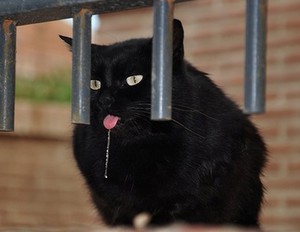
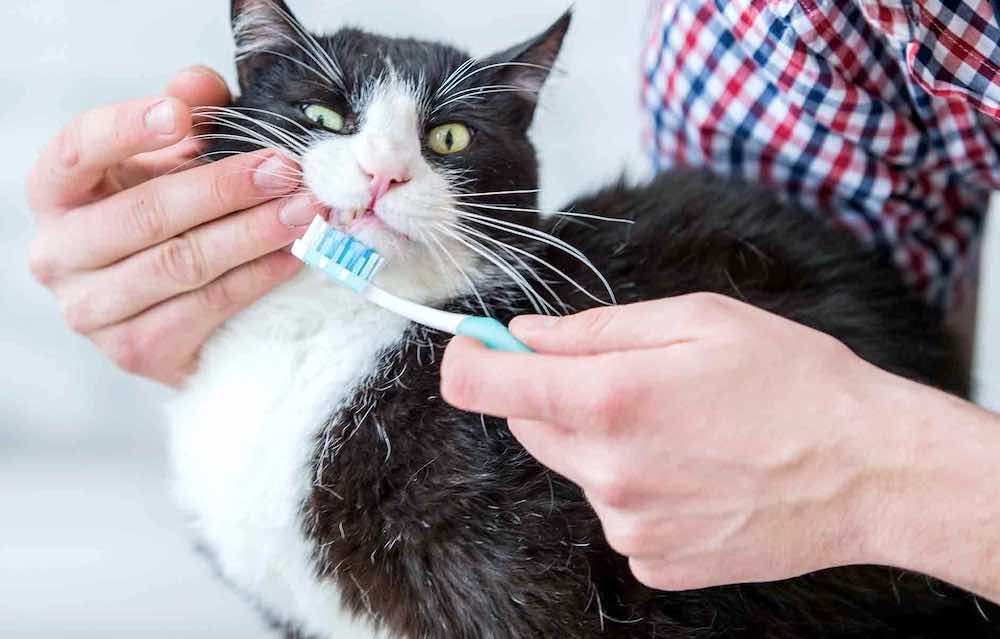
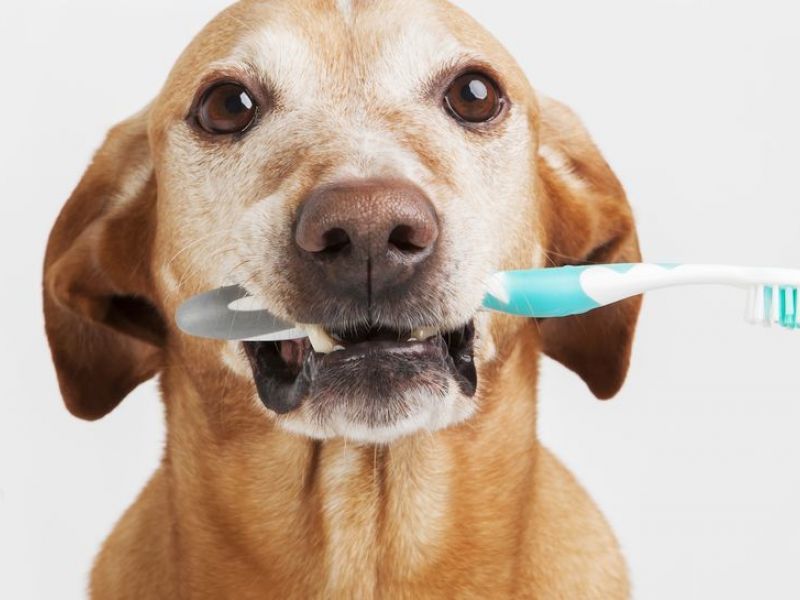
If you don't care for your pet properly, you may encounter one unpleasant problem: dog breath. Our article will tell you how to get rid of this problem and make you and your friend happier.
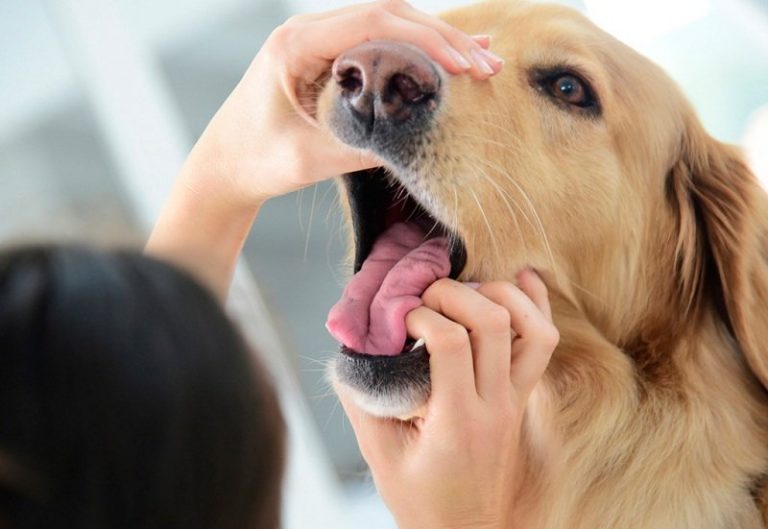
Changing teeth in dogs
It's important to note that bad breath in dogs is a sign of oral disease. Therefore, we will carefully examine this aspect of canine physiology.
20-30 days after birth, a puppy's first teeth—baby teeth—emerge. With proper jaw development, there should be 28 baby teeth (equal numbers above and below): 4 canines, 12 incisors, and 12 molars (premolars). Canines emerge first, then incisors, and then premolars. Research this and closely monitor the teething process: if there's any deviation from the "schedule," consult your veterinarian.
After 4-6 months, it's time for the baby teeth to be replaced by permanent ones. This process lasts about two months. The dog has 42 permanent teeth, outnumbering the baby teeth. All teeth are divided equally on both jaws, with the exception of molars, which have two more on the lower jaw. The incisors are the first to appear, followed by the molars and premolars at about five months, and the canines of the lower jaw, followed by the upper jaw canines. By this time, the dog should no longer have any baby teeth left.
During this period, owners need to pay special attention to their puppy's oral health, as teething can cause bad breath. While teething is usually a normal occurrence, there's always a chance something could go wrong. It all depends on the dog's breed and its individual characteristics, so a veterinarian consultation is a good idea.
Keep a close eye on your puppy's jaw: sometimes a permanent tooth begins to erupt actively, while its baby predecessor hasn't yet made room. Such "conflicts" cause a lot of pain and suffering for the dog, so if you love your friend, be attentive and vigilant.
Here are some tips for owners:
- Give your puppy as many different rubber bones and toys as possible (during the period of teething, there is often a desire to chew on something).
- Increase your puppy's protein intake and protect him from unwanted stress, such as moving, traveling, and long, tiring walks.
- If you notice any deviations in your puppy's behavior or health, contact your veterinarian.
Food gets stuck between teeth
Food particles left in a dog's mouth are one of the main causes of tartar formation. Tartar is a hard plaque composed of food debris and calcium phosphates. If the dog's health is not maintained and these deposits are not removed, an unpleasant odor develops.
Disease prevention:
- Taking care of your dog's nutrition means ensuring it has enough solid foods (carrots, apples, cartilage, and bones). However, it's important to remember that not all bones are suitable for dogs—consult your veterinarian and only allow your dog to chew on acceptable foods. These foods require thorough chewing. This helps remove plaque from the teeth.
- Regular teeth brushing helps maintain oral health for both humans and dogs. Unlike humans, however, dogs don't need this procedure every day. For our four-legged friends, brushing their teeth once a week is sufficient.
How to water a dog
Drinking water might seem like the easiest part of caring for your pet. However, it's important to remember:
- Water should be filtered. Dirty tap water is a breeding ground for germs, which in turn cause unpleasant odors.
- A dog should always have access to water. If a pet can't wash down its food, food particles will remain in its mouth, which, as we've already discovered, causes tartar.
- The bowl from which the dog drinks (and eats) must be clean.
Incorrectly selected diet
Nutrition is undoubtedly important for your pet's health. For proper development, a dog must consume the right amount of protein, fat, carbohydrates, and essential vitamins and minerals. Preparing food that contains all these components in the right proportions is extremely difficult. Therefore, we recommend feeding your dog a specialized food.
Prepared food will not only help your dog develop properly but also reduce the likelihood of bad breath. Natural foods, such as meat, contain a lot of protein, and sometimes too much protein can cause bad breath because the body doesn't have time to process it. Another cause is a dog's lack of exercise.
Ways to get rid of the smell
Above we looked at the main reasons for the appearance of bad breath in dogs.
Let's draw some general conclusions and formulate some "tricks" that will help prevent trouble:
- Brush your dog's teeth with special products about once a week; get your pet used to this procedure from puppyhood.
- Check for yellowish plaque (tartar) and seek veterinary help if necessary.
- Treat your dog to rubber squeaker toys and bones, especially during teething.
- Add enough solid food to your dog's diet.
- Keep water and bowls clean; remember, your dog should always have the opportunity to freshen its mouth with water.
- Replace natural meat with ready-made balanced food - an abundance of natural protein causes an unpleasant odor.
In this article, you've learned about the most common causes of bad breath in dogs and how to eliminate it. Love your friend and take care of them, and your pet will say a joyful and grateful "WOOF!" from a sweet-smelling mouth.