Anyone who decides to get a dog should remember that pets require care and attention. Your four-legged friend will need more than just feeding and walking. Regular hygiene procedures are essential for their health. A pet's oral cavity requires special care, so owners need to know how to brush their dog's teeth.
Why brush your dog's teeth?
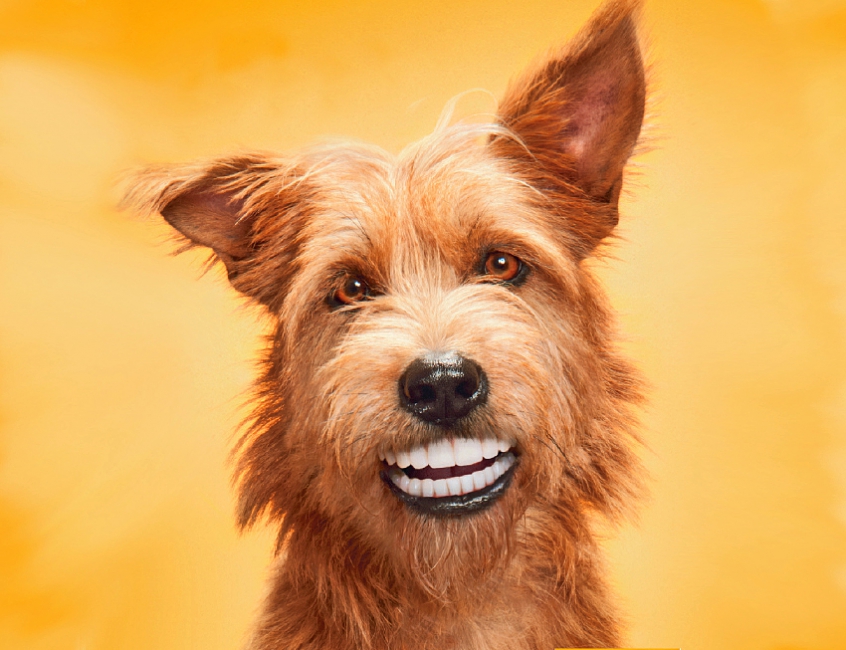
Tartar injures the gums and can also cause the neck of the tooth to become exposed.
Some people believe that dogs don't need their teeth brushed. However, this is a misconception. In fact, this procedure is essential for pets. This is especially true for small toy breeds, which are not genetically predisposed to living in the wild.
Food debris, saliva particles and bacteria form plaque on your pet's teeth. If you don't clean your mouth regularly, tartar will form in place of plaque, which is almost impossible to remove without professional help. This condition threatens a number of unpleasant and dangerous consequences for the health of your four-legged friend.
The pet develops an unpleasant putrid odor from the mouth, and the gums bleed. In severe cases, periodontitis and gingivitis develop. The dog has difficulty chewing, and teeth begin to loosen and fall out.
Poor oral hygiene can also lead to osteomyelitis, which spreads the infection through the pet's circulatory system. Scientists have also proven a link between dental hygiene and heart disease. Oral problems increase the risk of heart disease in pets.
Pet toothpaste and powder
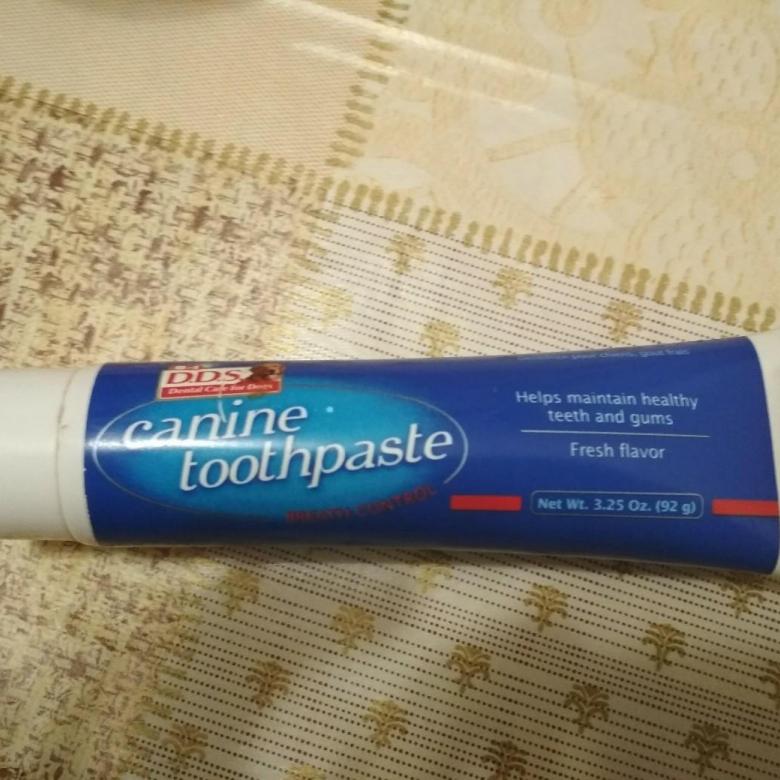
Toothpaste for dogs should be edible and also approved for use by nursing or pregnant bitches.
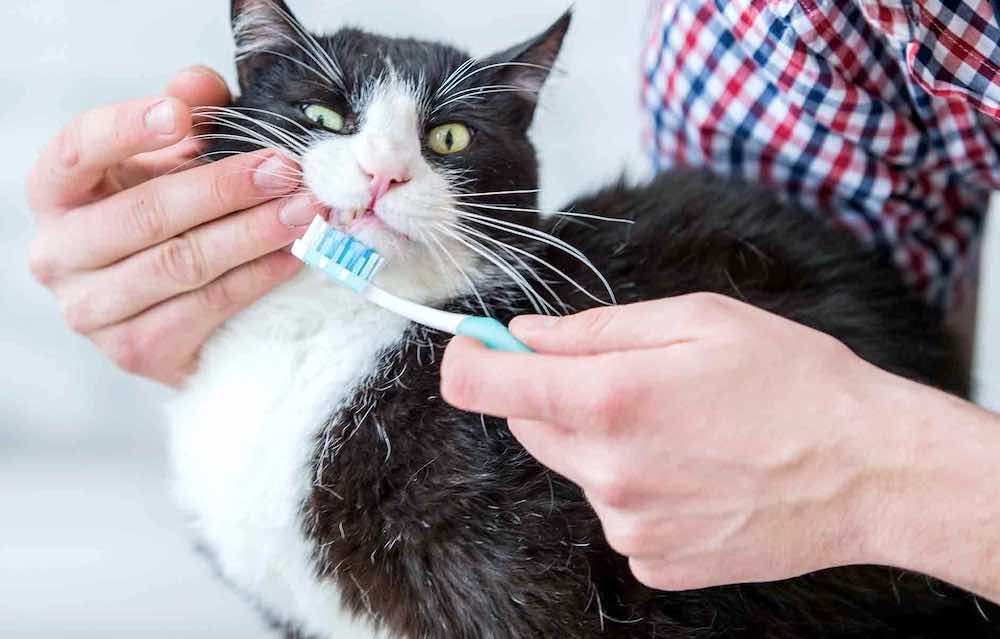
Oral care products for your four-legged friend can be purchased at a veterinary store. The same goes for toothbrushes. They come in a variety of sizes. Some prefer finger-mounted brushes. If you don't have a special dog toothbrush handy, you can temporarily use a regular toothbrush, but be sure to use one with soft bristles to avoid damaging your pet's gums. You can also wrap a piece of bandage or gauze around your finger, apply the toothbrush, and remove plaque.
In veterinary stores you can see all kinds of toys and special food for cleaning teeth. Chewing on these treats is actually good for your dog. This removes some plaque and massages the gums. However, this does not guarantee oral health. Toys and special dog treats like toothpicks do not relieve the owner of the responsibility for maintaining oral hygiene.
Some people use tomato paste to remove plaque or simply give their dog a whole tomato and then brush their teeth with a special toothpaste. Experienced dog owners say this "old-fashioned method" produces good results.
Can I use human toothpaste?
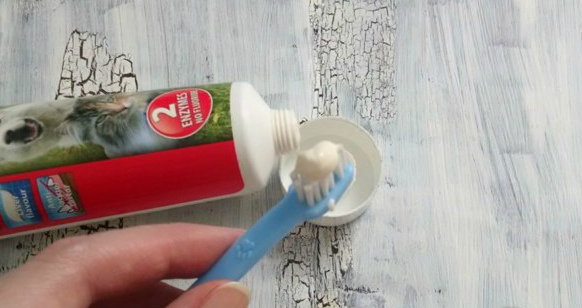
Flavorings in toothpaste give the composition a pleasant taste for the dog.
Human toothpaste and powder should not be used for this purpose. The ingredients in these products are unsuitable for pet oral hygiene, and fluoride and other additives are toxic to pets. Furthermore, pets are unlikely to enjoy mint- or fruit-flavored toothpaste. They'll prefer a special product flavored with beef, liver, or fresh bone. As a last resort, chalk with lemon juice can be used for pet oral hygiene.
How often should this be done?
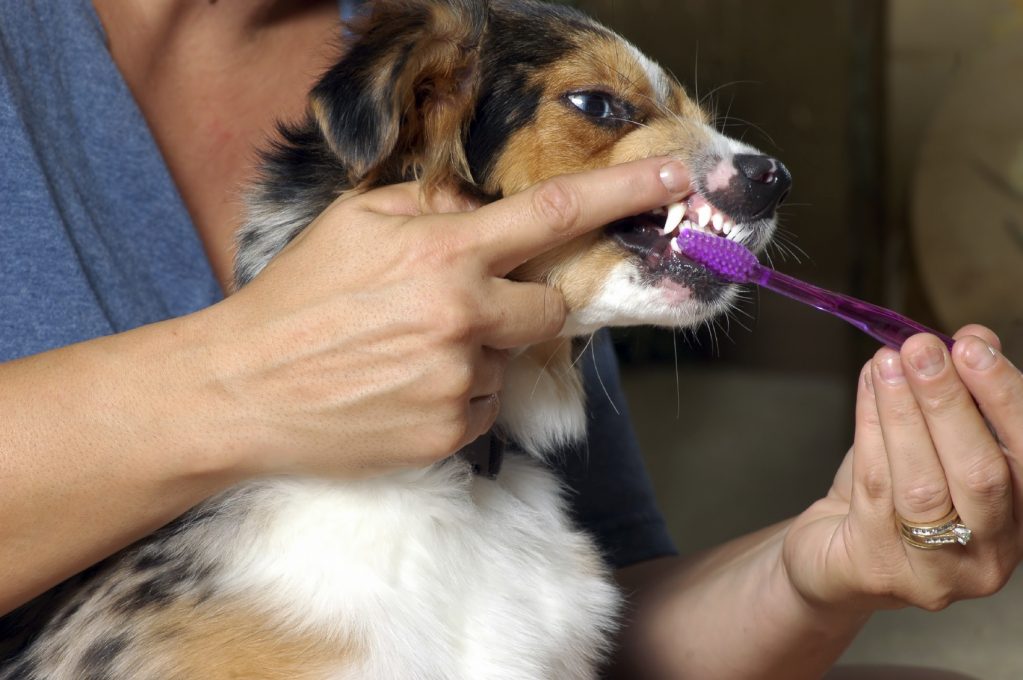
Before brushing your dog's teeth, you need to sit him down, massage and pet his face, establish contact and eliminate fear.
While humans need to brush their teeth once or twice a day, pets don't need such frequent hygiene procedures. This is due to the unique structure of their jaws. A dog's canines aren't as close together as a human's, so food particles don't get trapped in the mouth.
The best option is to clean your pet's mouth at least once a week. For small breed dogs, it is advisable to perform the procedure more often - every three days. Such animals are especially prone to tartar formation.
Considering an adult dog has 42 teeth, and it's recommended to spend about 10 seconds brushing each, the entire procedure will take no more than 7 minutes. It's quite easy to select them, and the reward will be a healthy pet.
How to brush your dog's teeth at home: step-by-step instructions
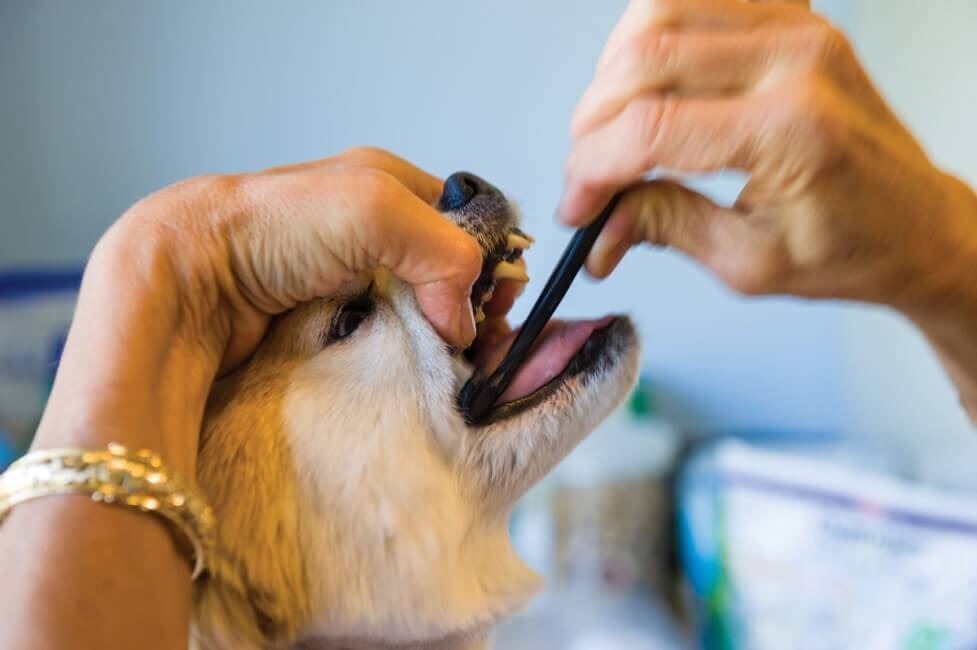
It is advisable to make brushing teeth a fun activity that will entertain the dog and lift its spirits.
You can care for your pet's oral cavity yourself at home. However, it's important to know how to properly perform the procedure and what products to use.
Cleaning your four-legged friend's teeth consists of several stages:
- Let your pet sniff the paste applied to a brush or a finger wrapped in gauze.
- Carefully open the jaw and lift the animal's upper lip, first simply running it over the teeth and gums.
- Brush your teeth one at a time, from the outside, moving in one direction.
- If your pet doesn't resist, move on to the inside of the teeth. This area requires less attention, as the dog cleans the inside of the teeth with its tongue.
- Reward your pet with a treat.
If the dog is too resistant, you should not refuse the procedures. In this case, you will have to turn to professionals. Veterinary assistance will also be needed in advanced cases where tartar has formed or the animal's gums bleed profusely during the procedure.
In addition, even with timely home care, professional cleaning using special equipment is recommended once every two years.
How to train your pet
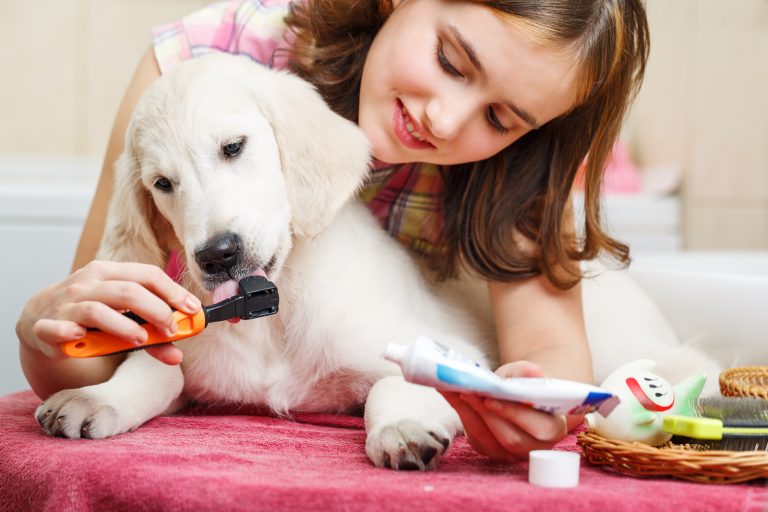
If your dog absolutely refuses to have his teeth brushed, offer him a synthetic bone.
Although dogs' baby teeth are replaced by permanent ones at four months, it's important to begin oral care from an early age. This is essential to acclimate your puppy to proper hygiene. Baby teeth can be brushed without toothpaste, but your four-legged friend will already be accustomed to the procedure.
It's recommended to brush your dog's teeth after play or a walk. This way, your pet is as relaxed as possible and has no strength to resist. Afterwards, you can reward your dog with a treat, but only if they've endured the brushing without any problems. If your four-legged friend doesn't allow you to finish the brushing, they're not given a reward.
During the procedure, the owner should be careful not to frighten the pet with sudden movements or loud noises. Teeth brushing should be associated with something pleasant for the dog; otherwise, cleaning the furry friend's jaw will become a real challenge.
Video
Oral hygiene is an important procedure for maintaining your pet's health. Anyone can do it themselves. The key is to show love, patience, and care for your four-legged friend. Over time, your pet will get used to this procedure, and it will become as familiar a ritual as a walk.