Hygiene procedures are no less important for dogs than for people. The question of how to properly care for a dog's ears sometimes arises not only for beginners but also for experienced dog owners. This is especially important if your pet has long, uncropped ears and thick, shaggy fur around the ears. All these factors can lead to a buildup of discharge. The question arises: is cleaning a dog's ears really more difficult than cleaning a person's? How and what tools are best for this? Understanding the nuances of the procedure and the subtleties of our four-legged friends' physiology will dispel all doubts once and for all.
Content
Why is it necessary to clean a dog's ears?
Pets need ear cleaning if only because, without regular cleaning, various foreign bodies, such as bacteria and fungi, can accumulate in their ears. As a result, pets can develop otitis.
Caring for your dog's ears is easy, especially if you have experience. To minimize the risk of fungal and bacterial infections and reduce the likelihood of ear inflammation, it's important to regularly examine your pet. This simple procedure helps prevent health problems in dogs.
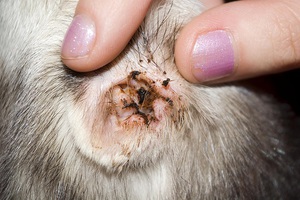
Another indication for ear cleaning is the parasite Otodectes cynotis, a specific mite that infests the external auditory system of dogs. The signs of ear mites are similar to those of otitis. However, there is a difference: if a dog has a "squishing" sound in the ear, the parasite cannot be present, as this insect lives exclusively in an environment with 100% air access. Dry, black, pinpoint discharge in the ear indicates an infestation. Treatment is carried out with acaricidal medications, but beforehand, the pet's ears should be thoroughly cleaned using the technique described below.
Read also, Can you bathe a dog in hot weather?
How and what to use to clean a dog's ears at home
It is necessary to clean your pet's ears at home regularly throughout its life. To achieve the desired effect, experts recommend using veterinary earwax removal products for dogs or natural herbal infusions prepared at home:
- For example, lotions from the veterinary pharmacy dissolve dirt and earwax, which can be removed by massaging, using a wet wipe, or by the dog shaking its ears;
- For four-legged dogs belonging to long-eared breeds, it is recommended to use a special powder that has a drying effect: first clean the auricle with the product, and then apply the powder;
- Herbal infusions have an antiseptic and wound-healing effect (decoction of string, birch buds, calendula), they are used in the same way as lotions.
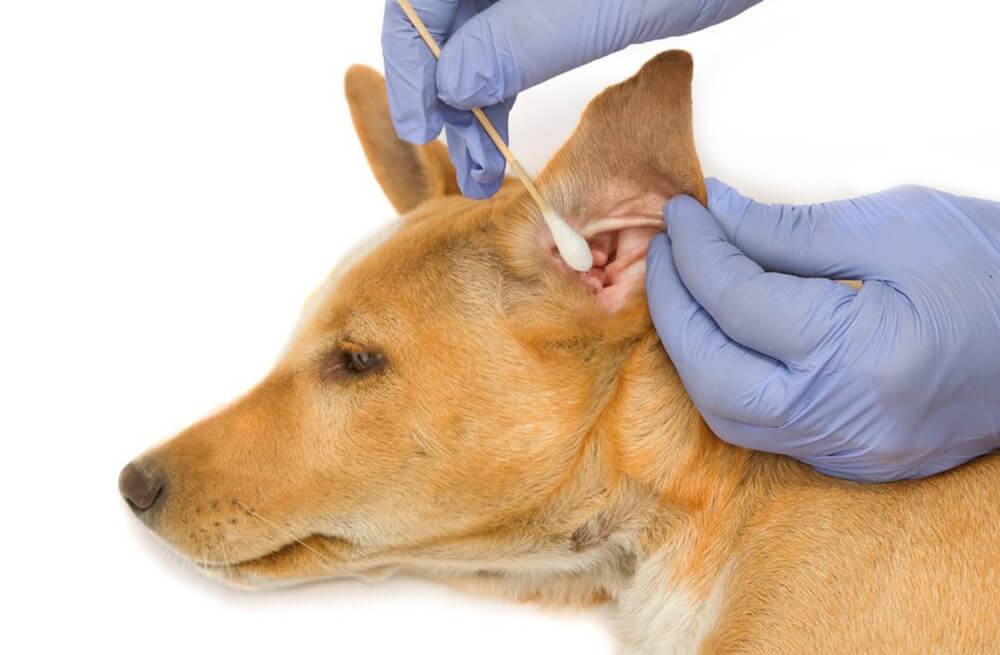
Regular ear care isn't difficult and doesn't require professional assistance. The procedure should be performed carefully and slowly. Prepare the necessary supplies in advance: cotton wool, cotton swabs, or cotton pads (to dry the ears after applying lotions), wet wipes or disposable tissues for cleaning the ears, and special dog ear care products (lotion, chlorhexidine, peroxide, powder).
How to do it correctly?
- The first steps are to build the dog's trust and get it as relaxed as possible. It's important that the dog doesn't become nervous.
- We straighten the auricle and clean the entire surface of the outer ear with a soft damp cloth (if it is a hanging ear, especially thoroughly).
- We fill the ear canal with a special solution (pre-warmed in a water bath to room temperature).
- Massage the outside of the ear for a few seconds – a squelching sound inside the pet’s ear will indicate that the wax is actively softening.
- We clean the folds of the auricle using cotton swabs.
- Thoroughly dry the visible parts of the ear with a cotton pad or cotton wool – this is the final step in caring for your dog’s ears.
The owner of a four-legged friend should be attentive to the skin surfaces of the outer ear - if redness and ulcers are visible on the ear opening, you should carefully wipe the irritation with a cotton pad soaked in any anti-inflammatory ointment (zinc or Levomekol), to which you have added a pinch of boric acid.
Important: If your pet yelps or becomes aggressive after you begin cleaning, stop cleaning. Your dog may have deep wounds or injuries in their ears, which will require veterinary attention.
If a dog is healthy, experts recommend avoiding any medical procedures at all. Maintaining proper hygiene and paying close attention to the dog's mood are sufficient – neglected ears will inevitably lead to illness, which will immediately impact the dog's appearance and behavior.
Can you clean a dog's ears with hydrogen peroxide?
Minor, non-bleeding wounds and minor redness that don't clearly bother your pet can be cauterized locally with hydrogen peroxide (a 3% solution available from a pharmacy). In other cases, don't experiment. The best option is to consult a veterinarian for an accurate diagnosis. After that, it's easy to determine whether preventative ointments are sufficient or whether treatment is required.
Can I clean my dog's ears with chlorhexidine?
This natural antiseptic, like hydrogen peroxide, is very commonly used in everyday life and is often used as a simple ear cleaner for dogs. It is used to cauterize wounds, treat cuts, and often disinfect pets' ears.
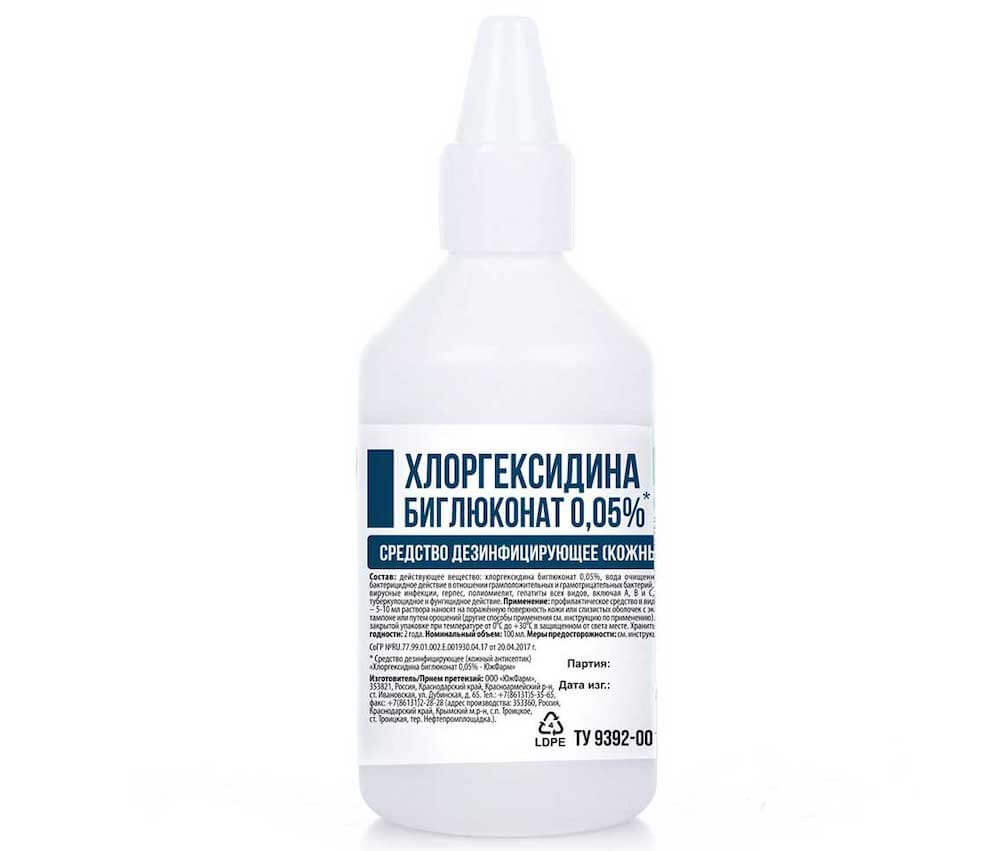
Veterinary experts strongly recommend using the product only in exceptional cases: when a dog owner notices signs of skin inflammation during grooming. In this case, a few drops of chlorhexidine can be placed in the ear canal and gently massaged. Afterwards, the pet requires an examination and comprehensive treatment. The antiseptic is not intended for preventative use, as it dries the skin and can cause allergic reactions if used unsupervised.
How to clean a dog's ears when they have otitis
Cleaning a healthy dog's ears by rinsing them is unlikely to be necessary. Sometimes, veterinarians prescribe rinsing the ears with special disinfectant solutions for ear congestion or wax buildup. This procedure is indicated for ear infections accompanied by purulent exudate. However, in more severe cases, a specialist will most often perform these procedures.
How to clean a dog's ears with otitis using irrigation?
- First, prepare a medicinal solution (hydrogen peroxide or furacilin – prepared according to your veterinarian's recommendations) for rinsing the ear canal. The temperature of the solution should not exceed 35-36 degrees Celsius.
- You need to take a regular medical syringe, definitely unused, - a convenient volume of 20 ml, remove the needle.
- Draw up about 2 ml of solution and fix the dog’s head to the side.
- Place the syringe shallowly on the side of the back wall of the ear and slowly inject the liquid solution, 1 ml at a time.
- Cover your ear with a small towel or disposable handkerchief and turn your head to the opposite side.
- Return the animal's head to its original position, use a cotton swab to wipe the area around the ear canal, removing any accumulations of pus from the outside.
After the procedure, the pet is not allowed to go outside in cold weather for 6 hours; in summer, this can be limited to 2 hours.
Read also, How to cut a dog's hair.
Errors and nuances
Proper ear care is essential – any hygiene errors can have unpredictable consequences. If dirt and wax regularly accumulate in the ear, or if your pet is anxious, bothered by the ear, or shaking its head, this isn't always a sign of dirty ears. It could be a sign of an infection or bacterial disease. It's a misconception that ear cleaning frequency depends on the breed. The frequency is generally the same – every 10 days.
What are the specific features of the "ear procedure" for dogs of different species and breeds?
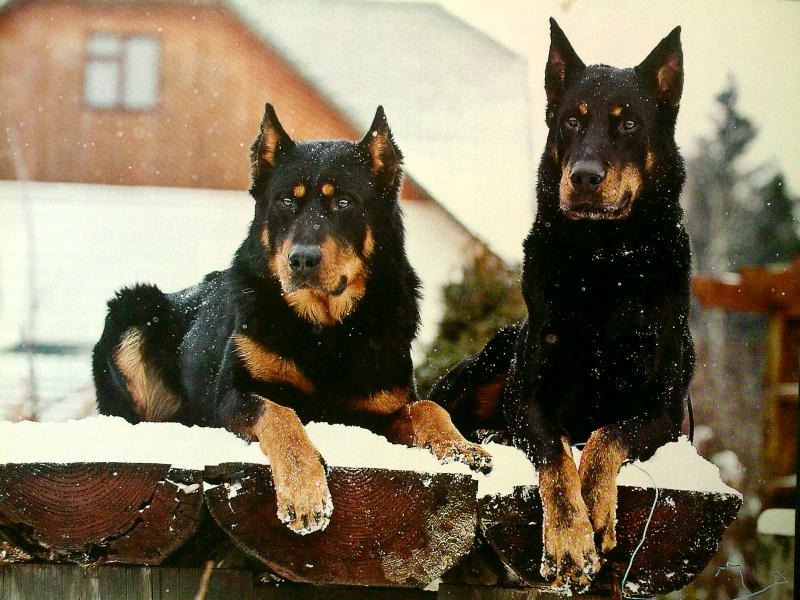
- Thus, service and guard dogs require ear cleaning almost every two weeks. This is a specific aspect of maintaining the breed's watchdog qualities.
- Pets with long, thick fur inside the ears require even more frequent ear wax monitoring. This isn't difficult for owners—just a five-minute inspection every 7-10 days is sufficient. Excessive hairiness inside the ears of Papillons, Bobtails, Pomeranians, Poodles, and Yorkshire Terriers interferes with ventilation and creates favorable conditions for the growth of harmful microorganisms. Even a common mastiff or Newfoundland will have hearing problems if the breeder doesn't provide the necessary care and neglects timely and regular ear care.
- Basset hounds have long, heavy ears that hang down to the ground—five minutes isn't enough. So, you'll have to wash the entire surface first before attempting to clean the sink.
- Breeds with short ears (for example, dachshunds) do not require such frequent intervention - it is enough to check their ears once every 3 weeks.
- Active yard dogs require more meticulous attention—their ears require not just periodic cleaning, but also a thorough inspection for ticks, wounds, and other damage.
The animal's age and lifestyle should be taken into account. For example, a puppy's ears should be cleaned when it's sleepy and inactive—after a long walk or meal.
What other rules are there when cleaning a dog's ears?
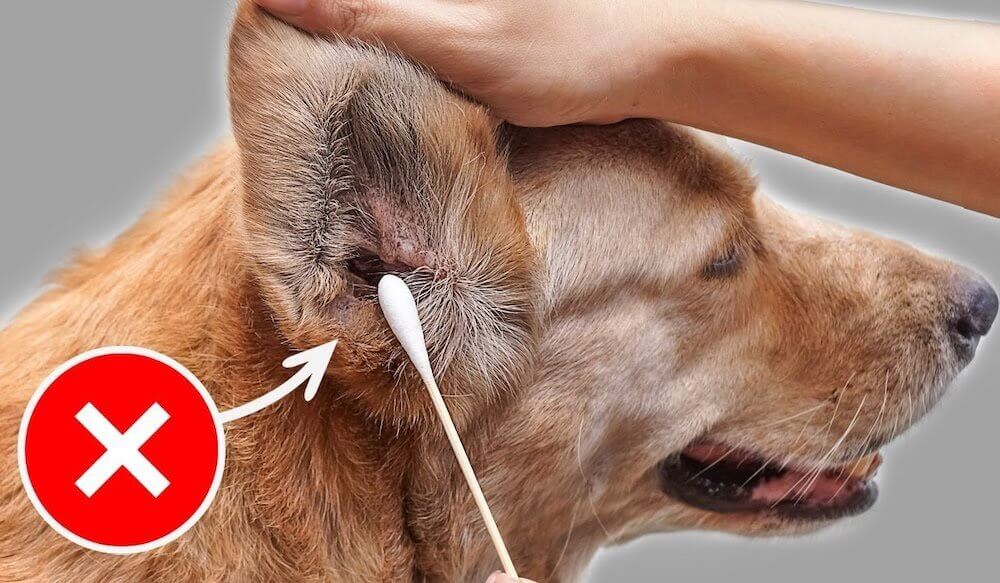
- It is absolutely not recommended to use cotton swabs for deep cleaning of pets' ear canals;
- Gauze or cloth wrapped around a finger isn't the best option for ear care; thread residue and fluff can stick to the inner surface of the ear, and removing them can be much more difficult than simply cleaning the ear. This method is unsafe—you can inadvertently damage the animal's delicate skin.
- You cannot use oil extracts, baby skin lotions, ethyl alcohol, treat the ears with gel, soap, shampoo, especially vinegar essence or special ear drops for people - the animal will inevitably get a burn or irritation;
- It is forbidden to demand that your dog comply with the procedure with a harsh voice - any emotional behavior and shouting will form an unpleasant association with grooming in your pet, so it is better to avoid harsh and strict tones.
It's important to accustom your dog to regular ear cleaning while still a puppy. Experts recommend doing this even without the need for it – brushing the fur, checking the teeth and eyes, inspecting the ears, and cleaning them immediately if necessary. From puppyhood, your pet will view this procedure as an obligatory and necessary process, trusting and obedient, perceiving all actions as genuine care and concern. Caring for a dog's ears is much easier than it seems – pets respond gently and docilely if the procedure is done promptly and carefully, and if generally accepted rules are followed.
Read also, How to give a pill to a dog.