 Cat owners may encounter various illnesses in their pets. Symptoms include bad breath and excessive salivation.
When a cat develops an unpleasant odor from the breath (ammonia, putrid, or acetone-like), it indicates an imbalance in the body. This problem is medically known as halitosis.
Content
What does bad breath and drooling mean in a cat?
The causes of unpleasant odor may include diseases of the oral cavity or teeth, such problems are more typical for cats from 1 to 3 years oldIn older individuals, these problems are compounded by abnormalities in the functioning of internal organs. In animals under one year of age, halitosis is rare, but it does occur.
What should I do if my cat smells rotten, like acetone or something foul?
If your pet's breath smells like urine, it could be due to diabetes. If the odor is foul or putrid, it could indicate problems with the esophagus, stomach, or intestines.
A musty smell may indicate cheap dry food, which can cause stomach and intestinal problems. In this case, switching to natural food should help.
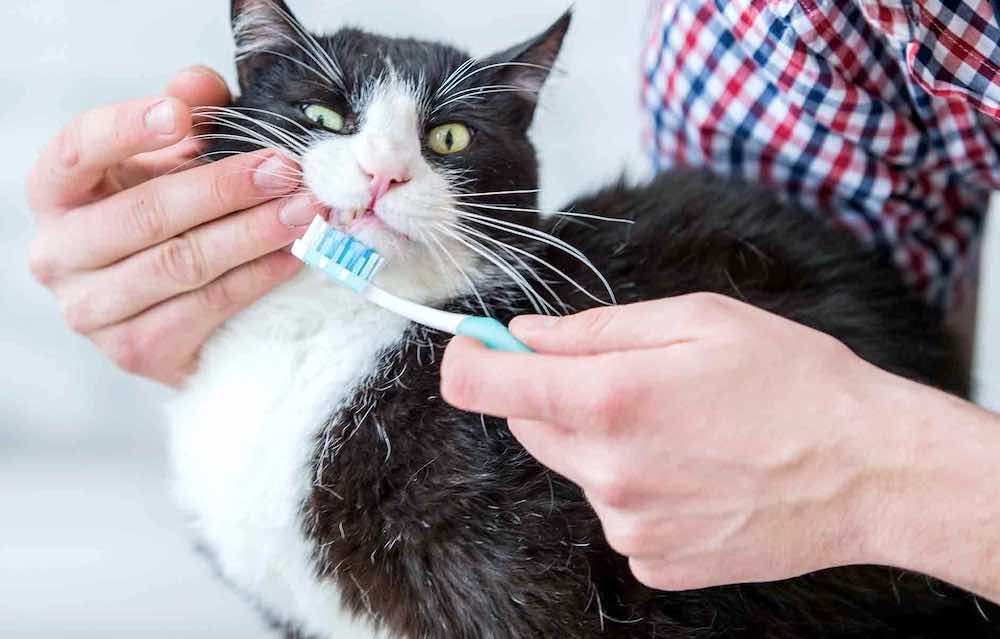
When caring for your cat, remember to brush its teeth. If a foul odor develops, take it to the veterinarian to determine the exact cause and then receive the necessary treatment.
What to do if your kitten smells like rotten fish or rotten eggs
 In most cases, the appearance of such odors is associated with dental and oral diseases. In this case, it's necessary to treat plaque and tartar buildup in the teeth, and, if necessary, the oral cavity as well. If there are lesions in the oral cavity, they can be treated with any antiseptic medications (miramistin or chlorhexidine).
This treatment is usually performed by a veterinarian. For normal oral health, ongoing preventative care is essential, including regular dental brushing, which should be introduced from an early age. This will help prevent decay in the cat's mouth.
Bad breath as a sign of worms
To prevent bad breath caused by worms, it is sufficient to carry out preventative and regular parasite control.
What to do when there is an unpleasant odor and drooling from the cat's mouth?
Any cat in a normal state does not have any odors, but if there is one, then there are some problems.
Cheap dry food leads to illness. When the odor is caused by such food, the pet's diet should be more balanced or switched entirely to natural food.
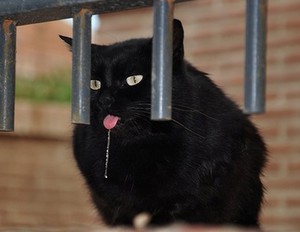
If drooling occurs and saliva with a foul odor is released from the mouth, it may indicate a foreign body or stomatitis. A foul odor can also result from a viral infection, which can be caused by kidney failure. In such cases, consult a veterinarian and switch to a special food for your cat. For any illness, treatment and necessary medications are prescribed by a veterinarian.
What does a cat's bad breath mean? when changing teeth, after feeding, during the labor and postpartum period, in chronic renal failure?
Bad breath in a cat's mouth may indicate an abnormal cycle of teeth shedding from baby teeth to permanent teeth. Baby teeth may also remain, while permanent teeth have already grown in, causing an abnormal bite. Food getting stuck in the teeth can also contribute to decay, which can cause bad breath. If there are extra baby teeth that haven't fallen out, consult a professional for their removal.
No direct connection has been found between the development of oral odors in cats during pregnancy and the postpartum period. Therefore, consult a veterinarian.
If chronic renal failure is present, your cat's mouth will smell like ammonia or urine. Consult a veterinarian and then feed your cat Renal Special. Contraindications for this food include growth, lactation, and pregnancy. The food should be given for six months, then re-evaluated. If the problem resolves, discontinue feeding. If the treatment is unsuccessful, the cat is switched permanently to this food.
Why does my cat's breath smell like acetone?
If a cat owner notices the smell of acetone coming from their mouth, it could indicate diabetes. This condition is characterized by increased water consumption and frequent urination.
The cat's drool is like clear water, in drops.
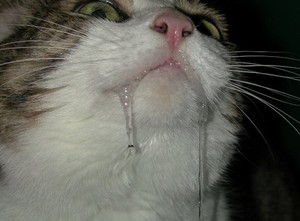 With increased salivation, a cat will notice a wet chin, throat, and fur. The cat will frequently swallow saliva, rub its face against furniture, and groom excessively. Long fur will mat and become matted. The bedding will become covered in wet spots. This could indicate other problems. Excessive salivation is a sign of an underlying medical condition that should be diagnosed as soon as possible. Among the common medical conditions in cats is clear drooling. corresponds to most diseases, except rabies.
With rabies, salivation will be foamy, but this can also occur after taking a bitter medicine. When a cat has rabies, it drinks little, retreats to dark places, and avoids bright light, as it can cause eye pain. During this period, the cat becomes aggressive or apathetic. This is fatal for the cat, but the animal can also infect humans through a bite, which can have serious health consequences. Therefore, if you notice foamy saliva, consult a veterinarian to determine the nature of the disease.
Causes of drooling in cats
If your cat experiences excessive salivation, it's important to understand the underlying causes. These can be physiological, psychological, or pathological.
Physiological
 From the body's reaction to food. Looking at food can stimulate the secretion of gastric juices and the activity of the salivary glands. This process can also occur while eating.
- When showing affection to an animal, a salivary reaction may occur.
- If you take a bitter-tasting medicine (anthelmintic tablets, No-shpa), you may experience excessive salivation.
- When feeding new food, excessive salivation may occur.
 From the body's reaction to food. Looking at food can stimulate the secretion of gastric juices and the activity of the salivary glands. This process can also occur while eating.
Psychological
- As a result of the animal's nervous tension, a strong flow of saliva occurs.
- Riding on public transport when the animal is stressed or motion sick causes this manifestation in the body.
- Severe stress in animals occurs due to prolonged contact with children.
Pathological
There are so many reasons for this that it's practically impossible to avoid a veterinarian. These include:
- Viral infections. This period is characterized by a fever, increased thirst, nausea, and excessive salivation. Sometimes, a cat with a viral infection will develop foul breath.
- In case of poisoning (from garbage, street food, chemicals, chocolate, medicines and other products).
- Dental disease and oral problems. This can be noticed if the cat chews food very carefully. There may also be a foreign body in the mouth, which may be accompanied by a protruding tongue. In this case, the cat should be taken to a veterinary clinic.
- Digestive problems will cause excessive salivation, which is usually accompanied by a putrid odor.
- Saliva from the mouth often indicates the presence of helminths in the cat's body.
- If a cat has an allergy, it may drool.
- In cases of cancer, there may be a bad smell and increased salivation.
- As a result of the premature loss of milk teeth in a kitten, bad breath and salivation occur.
Diagnosis of drooling in cats
When there is bad breath or there is a bad smell from the mouth protruding tongue with active flow of saliva, this means that it is necessary to carry out diagnostics in order to subsequently carry out the correct treatment.
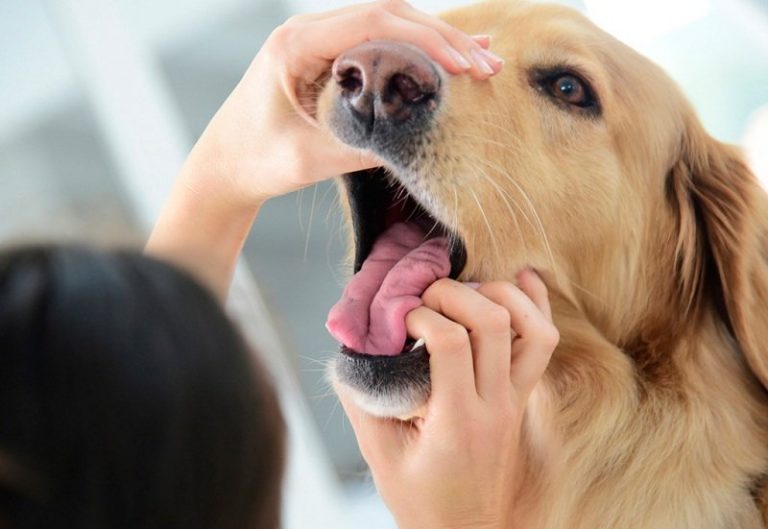
- The veterinarian first examines the oral cavity to detect foreign bodies.
- The second rule is to examine the tongue and teeth for inflammation in the oral cavity, chips, and wounds.
- They do an X-ray and ultrasound in case of a foreign object stuck in the esophagus.
- To determine helminths, blood and stool tests are taken.
- To identify problems with the genitourinary system, a urine test is performed.
 The veterinarian first examines the oral cavity to detect foreign bodies.
Prevention of hypersalivation in cats
Drooling from the mouth in cats called hypersalivationPrevention is necessary to prevent the disease.
- From an early age, a kitten needs to be accustomed to having its teeth and tongue brushed.
- To combat fleas, special drops should be made so that they fall on the withers as far away as possible from the possibility of licking the product off with the tongue.
- A visit to the veterinarian will help prevent pathological salivation.
If hypersalivation occurs without a cause, consult a veterinarian. Even if your cat seems fine, excessive salivation indicates underlying health issues. Therefore, only a veterinarian can make an accurate diagnosis and prescribe treatment.