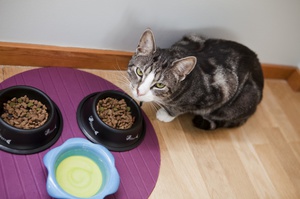
It's no secret that cats' distant relatives, living in the wild, eat raw meat and thrive. Experts recommend a mixed diet for domesticated cats—dry food and natural products (milk, cottage cheese, boiled fish, cereals, and eggs). But what about raw meat, you ask? Is it really forbidden to feed raw food to cats?
Meat, fish, and raw eggs are a source of protein and amino acids, which are essential for a pet's complete diet.
Do cats really need this kind of food, how to create the right menu, and what should not be included in the pet's diet – let's talk about this.
Content
How much food should a cat eat?
Domestic cats may ignore a half-empty plate. Others, on the contrary, are accustomed to devouring everything without a sense of proportion, especially their favorite foods. This happens because the animal has a certain algorithm ingrained in its subconscious. First, a cat is afraid of going hungry, so it may not touch the food if there's only a small amount. Or, conversely, it may eat for two—it all depends on temperament and habit. Sometimes cats ignore food offered to them. This happens with an unfamiliar menu, when the pet isn't hungry and is accustomed to eating on a schedule.
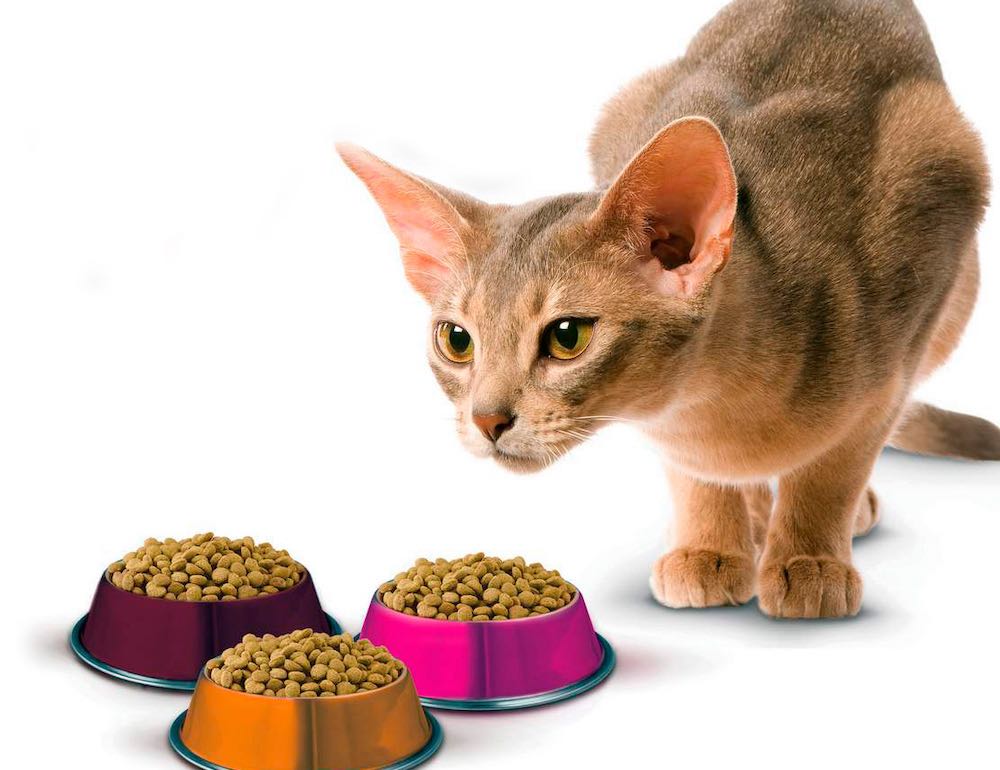
How much food do cats actually need? These pets are known for their unusual temperamental approach to food, with a tendency to eat a certain amount of their usual food—a nuance of feline nutrition. They rarely overeat, are picky eaters, and easily eat very little if they are regularly fed their favorite treats.
A few variations of a complete diet are quite enough for your furry friend:
- If a cat is accustomed to dry food or canned food, its indifference to natural products is completely justified - this is natural.
- Growing kittens are fed 4-6 times a day, and adults, as a rule, after 8 months are transferred to 2 meals a day.
- A cat's diet should include proteins, fats, carbohydrates, trace elements, and fiber. Proteins should make up at least 75-80% of the diet.
- Meat and fish are staples in a cat's diet, but they should be processed. Ideally, 60% should be prepared as semi-finished foods (dry food or canned food) and 40% should be cooked or raw.
Offal is also suitable for feeding cats, but canned meat products should not be overused.
Can cats eat raw eggs?
Raw eggs are a source of vitamins, macronutrients, and amino acids. The benefits are obvious. However, cat owners are often afraid to feed their pets raw eggs for fear of infecting them with salmonella. This is a completely justified risk. But if you have access to free-range eggs and are confident in the quality of the product, why not? Simply whisk the egg lightly—your cat will eat both the white and the yolk.
If raw eggs are unavailable for various reasons, be sure to offer your furry friend boiled eggs. For young kittens, a single yolk is acceptable; it can be mixed with liquid porridge or any dairy product. For adult cats, a boiled egg and cut into pieces is sufficient. Experienced breeders note that cats may not even touch a whole egg—or the animal must be very hungry for this to happen.
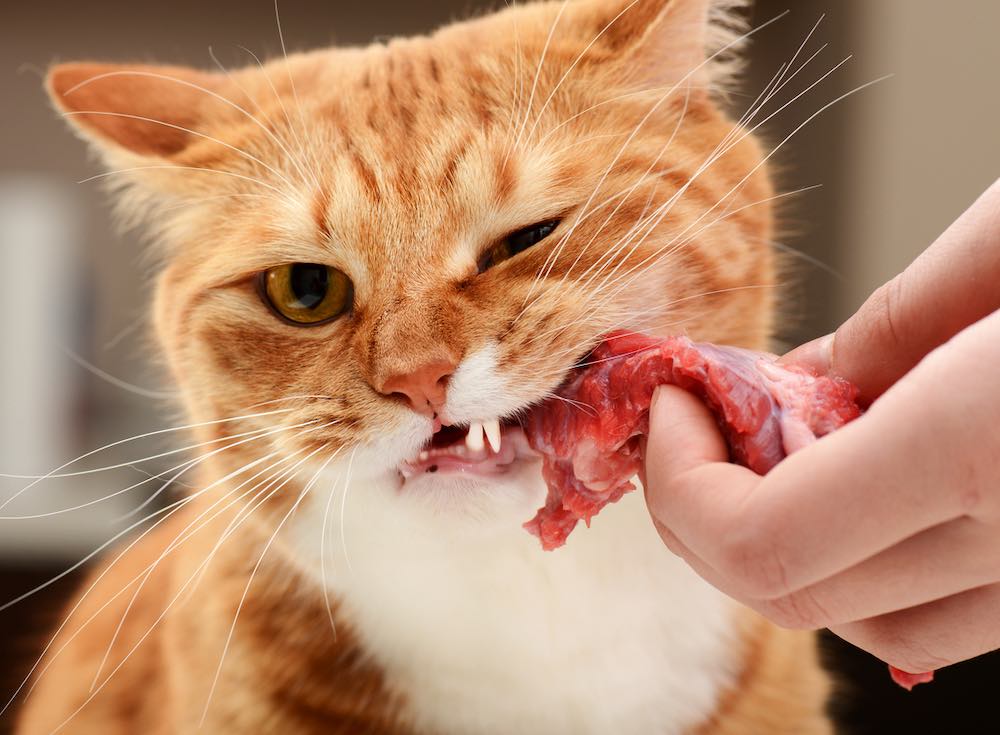
Can you give your cat raw meat?
In fact, it's possible and necessary. After all, unprocessed meat is rich in vitamins and a full spectrum of amino acids and fats. However, due to fear of worms, cat owners rarely include raw meat in their cats' diets. We recommend introducing your cat to a healthy diet and supplementing their diet with raw meat. However, it must be kept in the freezer for at least 72 hours beforehand.
Most often, cats are fed boiled meat: beef, turkey, rabbit, quail, limited lamb and veal, and chicken - if there is no allergy - are excellent.
- Cats should not be given salted or smoked meat.
- You shouldn't spoil your pets with sausages, canned food and other semi-finished products.
- Chicken feet and poultry in particular are fed with caution due to the small bones.
Read also, How to feed a cat natural food at home.
Can a cat eat raw liver?
It's hard to underestimate the importance of this by-product in pets' diets. Liver contains a balanced complex of micro- and macronutrients, animal protein, as well as hematopoietic iron, phosphorus, amino acids, and magnesium. Moreover, raw liver is considered the most beneficial. Many breeders fearlessly include this delicacy in their pets' menus, and their furry pets generally enjoy it.
But beyond its benefits, this product has its drawbacks. It's a high-calorie food and difficult to digest. Being a filtering organ, raw liver can be infested with helminths, and it's also quite toxic.
So, should you feed your cat liver or not, especially since the benefits are so obvious? It's okay, but proceed with caution:
- Liver in a cat’s daily diet should not exceed 15-20%.
- Serve only boiled liver. To preserve its beneficial properties, cook it quickly—bring it to a boil, then remove from heat after 10 minutes.
- Include in your diet no more than 1-2 times a week.
- Beef and veal liver are preferred; poultry liver is considered less beneficial. It's best to avoid pork liver, as it's too fatty. And only buy high-quality products for your pets—the same as you would for yourself.
- When choosing liver, make sure that the offal is fresh: with a dense, shiny structure and a rich burgundy-brown color.
The liver is chopped into pieces to prevent choking. It can be mixed with grated carrots, porridge, or well-cooked grains.
Keep in mind that experts do not recommend feeding liver to cats with allergies, obesity, gastrointestinal issues, or diabetes. It's best to replace this healthy food with another product with a similar composition, but less fatty and less digestible.
Can cats eat raw fish?
Almost all cats love fish and fish products. It's quite healthy, moderately caloric, and often their favorite food. This love of fish comes from the feline family's ancestors. However, some pets completely ignore it in any form. Most likely, the cat wasn't introduced to fish from puppyhood, or its diet is perfectly balanced and doesn't require fish supplementation.
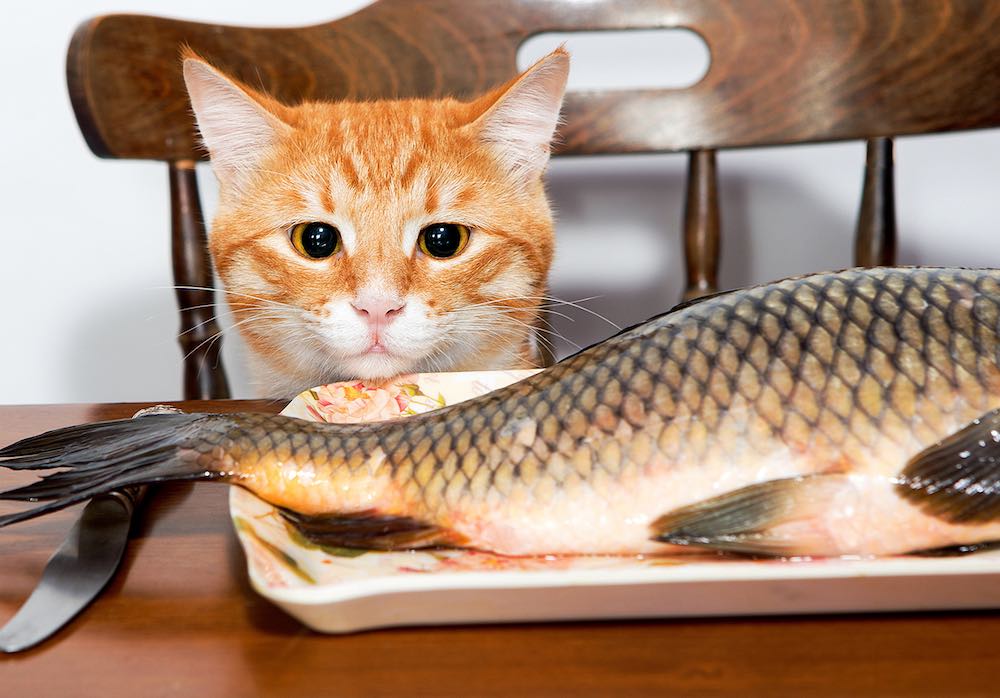
So, can cats eat raw fish? To do this, you need to know the ingredients and weigh the pros and cons of such a diet.
Cats are best fed boiled fish. However, raw fish is also beneficial in its own way. Experts recommend feeding raw fish no more than 2-3 times a month, after freezing it for several days (this doesn't affect the chemical composition).
Raw fish is dangerous because it can be a source of diseases and worms. It's also oversaturated with fat, phosphorus, magnesium, and iodine, which can, for example, lead to hyperthyroidism. Some components of fish interfere with the proper absorption of iron, which is also not very beneficial.
Boiled fish retains fewer beneficial amino acids, polyunsaturated fatty acids, and macronutrients, but poses fewer health risks. Boil fish for no more than 10 minutes.
How to properly prepare fish for your pet:
- If we decide to include raw fish in the cat’s menu, we freeze the product for 3-4 days, then defrost it.
- Before cooking or feeding raw fish, remove the scales and cut off the heads and sharp fins.
- Boil the product for no more than 10-15 minutes, without salt or spices.
- Large boiled fish are cut into pieces and freed from large bones. Smaller fish can be fed whole.
For older kittens, try to separate the boiled semi-finished product from the bones and mix it with porridge or vegetables.
The most ideal, in terms of complete nutritional composition, fish for cats include chum salmon, trout, halibut, pink salmon, whitefish, and omul—all lean varieties. If high-quality, affordable, and nutritious seafood is unavailable, consider canned fish made from these ingredients.
Can I give my cat dairy products?
This is perhaps the most beneficial and beloved product for cats. It's a surefire hit: a healthy, complete supplement and a highly sought-after treat. It's unlikely there's a cat that doesn't love milk and dairy products.
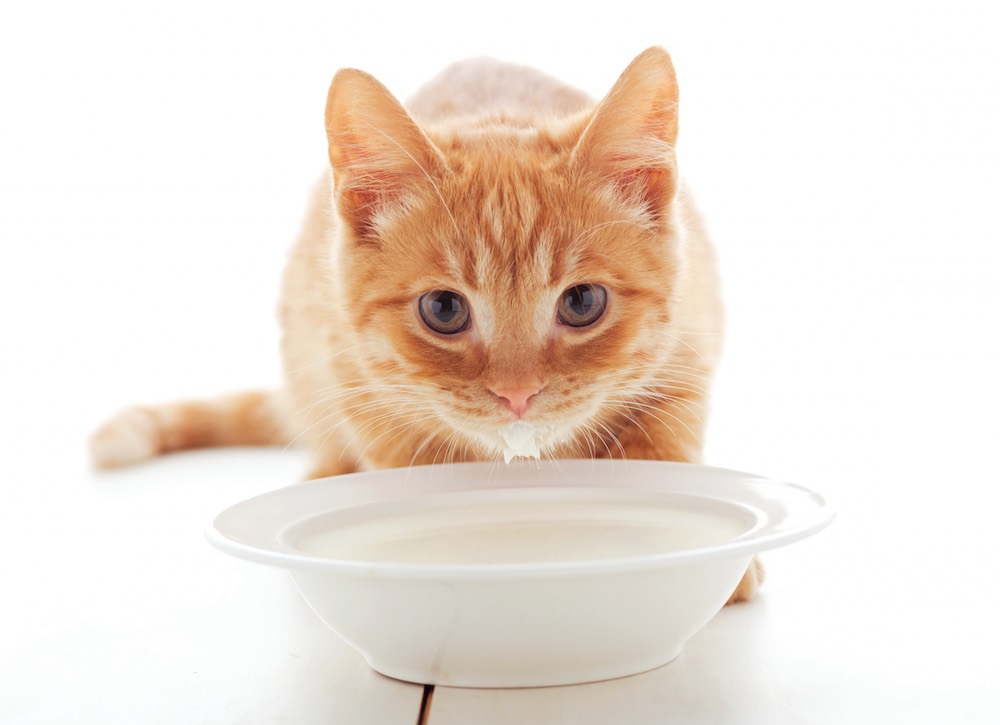
But there are some nuances in feeding cats this essential food:
- Fermented milk products are much healthier than fresh milk. Feed your pet cottage cheese and kefir 2-3 times a week. Sour cream or fermented baked milk (fermented baked milk) should be given sparingly (due to their high fat content).
- Milk can be given to your pet almost every day, depending on its preference.
- It is useful to feed cats porridge made from whole cow's milk.
- Cats eat unsalted cheese and fermented baked milk with pleasure.
It's generally accepted that introducing milk into a pet's diet is not recommended if they are on a balanced, complete diet consisting of dry food. However, if your pet prefers dry food, don't deny them the pleasure. However, be sure to monitor their stool and overall well-being.
List of raw foods strictly prohibited for cats
Here is a list of foods with restrictions:
- Cats should not be fed cooked bones - chicken, fish, large and coarse bones of cattle.
- Boiled eggs are high in cholesterol and are not suitable for cats prone to constipation or gastrointestinal issues. It's not recommended for older cats to include them frequently. It's best to feed a single yolk, lightly soaked in milk.
- Raw liver has a laxative effect, which is especially true for pets with digestive problems – you should not give this product raw.
- Raw fish. Worm infestations are a common cause of regular feeding of raw fish, especially freshwater fish. We feed cats either boiled or frozen fish. Feeding mackerel and scomber is not recommended (they contain toxic histamine). The following types of seafood are considered unhealthy for pets: raw herring, capelin, blue whiting, and Baltic herring.
- You shouldn't give cats condensed or powdered milk.
Read also: Natural versus dry cat food.
Brief conclusions
A complete cat diet has a balanced and rich composition.
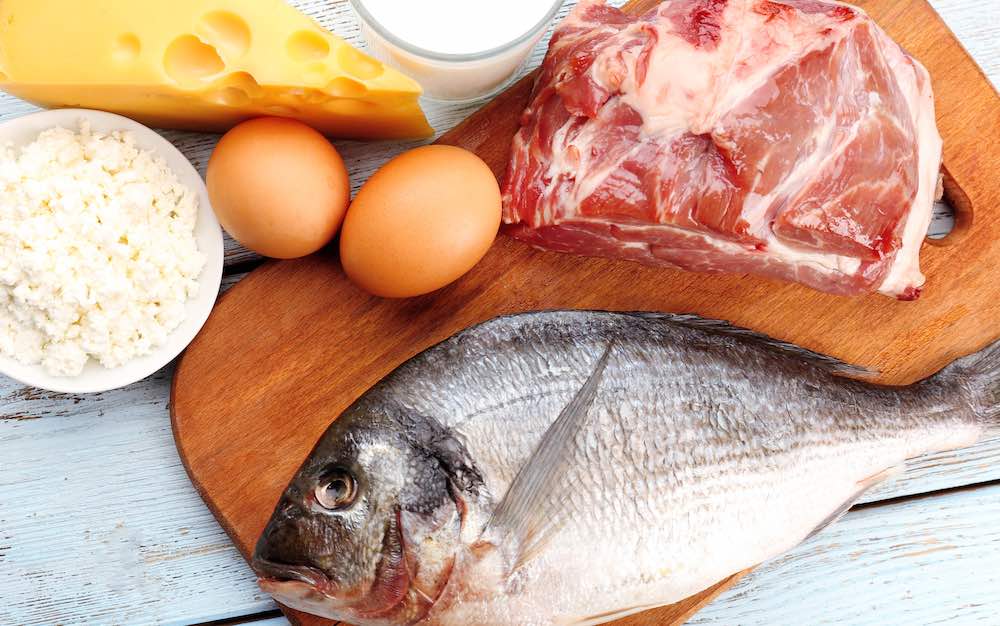
Includes both raw and processed foods:
- Cats need raw meat, fish, liver, and eggs. However, it's important to monitor the quality and quantity of the food, feed it sparingly and infrequently, and monitor your pet's reaction to the food.
- If you decide to feed your cat raw offal, meat or fish, freeze them first.
- Milk and dairy products are very beneficial for cats, but don't overdo it.
- Alternate boiled and raw foods to avoid overloading your gastrointestinal tract.
- To prevent helminthiasis, deworm your cat at least twice a year.
- Any new product should be introduced regularly, but not too frequently. If your pet experiences gastrointestinal upset, allergies, or other unusual symptoms, consult a qualified specialist.
Cats can and sometimes should be fed raw foods. Without them, they won't receive the full amount of natural and easily digestible vitamins, macronutrients, and micronutrients in their diet. But this must be done wisely, in reasonable quantities, and according to certain guidelines.