 Pet nutrition is a significant responsibility for pet owners. When it comes to properly feeding a cat, there are no further questions. Everything is important: the pet's response to various foods, the feeding schedule, and the chosen diet.
If you know how to properly feed your cat, your pet will be strong and healthy, grow quickly, and delight you with their cheerful and active behavior. A properly fed cat is immediately evident in their physical activity, well-balanced instincts, and shiny, thick fur.
Content
Feeding a cat at home: features, regimen and composition
 Cat nutrition, like that of humans, is subject to many factors. First of all, we're constantly bombarded with cat food advertisements and expert opinions, many of which are almost entirely marketing ploys. Moreover, cats don't care at all about the attractive packaging or the shape of the food itself, and flavor enhancers and various additives are even harmful. Like any living creature, they can be detrimental to metabolism and life. the cat needs nutrients, which she receives from food. These include carbohydrates, proteins, vitamins, fats, minerals, and a number of other elements found in both various types of prepared foods and natural foods.
Like people, pets differ in age, personality, health, body composition, food preferences, and lifestyle. Some prefer dry food, some prefer canned food, and some require specialized food tailored to their individual needs. Not to mention, generations of cats have grown up in homes and thrived on a diet of natural foods.
So, there's no single correct answer to the question of what's best to feed a cat. But there are some guidelines that allow you, or rather, together with your cat, to determine the type and amount of food it needs.
Feeding a newborn kitten
This is probably the only question about kitten nutrition that you might not know the answer to—the mother cat knows all about it. But sometimes it's important to be informed, especially when you have to do it yourself. Feeding a newborn kitten:
 Newborn kittens feed exclusively on their mother's milk, and this continues until they are 1.5 months old. Until then, you likely won't be able to adopt a newborn kitten from a breeder.
- But sometimes a mother cat rejects her kittens or, for some reason, is unable to nurse them. The kitten will need to be fed with a bottle or even a syringe (without the needle, of course) if the newborn kitten is unable to nurse on its own.
- Special formulas are made for kittens that replace their mother's milk. They are available at pet stores or veterinary hospitals, and their composition is optimally balanced.
- Cow's milk is not suitable for kittens, at least not in its pure form. Cat's milk contains nine times more protein than cow's milk, so pure cow's milk for kittens is mixed with goat's milk, egg whites are added, and the milk is strained and heated to 31-36°C.
- You should bottle feed your kitten 24/7, every two hours. But watch their behavior closely: if they don't fall asleep after feeding, continue to meow, or try to suck your finger, they're probably still hungry and need a larger portion.
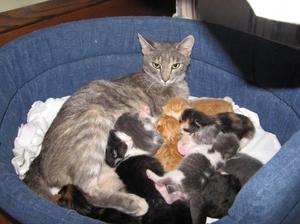 Newborn kittens feed exclusively on their mother's milk, and this continues until they are 1.5 months old. Until then, you likely won't be able to adopt a newborn kitten from a breeder.
When the newborn is a month old, feeding the kitten will become easier. Over time, he will feed himself learn to drink from a saucerA kitten over a month old should be fed only six times a day, with cottage cheese and other dairy products added to its diet, followed by finely chopped cooked meat. From this point on, provide the kitten with constant access to water. Offer a little of everything, and monitor its behavior and bowel movements.
What and how many times should you feed a cat?
Adult cats, aged six months or older, eat less frequently, but in much larger portions. The feeding schedule and number of meals will depend on the pet's habits, food composition, lifestyle, and body weight. there are general rules, based on which it is very easy to determine how many times a day you need to feed your cat:
- Cats require a large amount of amino acids, so a meat-based diet is much more suitable for them than a diet based on fermented milk products, vegetables, and cereals. The higher the content of high-quality protein in a pet's diet, the more strength and energy they will have, and the longer they will feel full.
- Contrary to popular belief, adult cats don't particularly enjoy milk, and many even refuse it altogether. Milk often causes stomach upset in cats.
- Cats enjoy fish, but they don't really need it. However, they do need taurine and vitamin A, which are found in both meat and fish. Let your cat choose whichever they prefer. However, don't feed them raw foods, as they can be contaminated with parasites.
- A couple of times a week, feed your cat eggs, liver, and a small amount of cereal (oatmeal) to replenish vitamin B.
- Cats often show interest in foods that are unusual for them, such as sauerkraut, flour products, and fruit. Don't stop them; let them try them—they're likely just curious about the new taste and won't ask for such unusual foods again for a while.
- Adjust feeding times so your cat receives approximately the same amount of food 2-3 times throughout the day. This approach allows you to feed your pet in the morning, during breakfast, and in the evening, before bed. Make sure your cat has access to water throughout the day.
- The total amount of food can be calculated taking into account that an adult weighing approximately 6 kg should receive 160-210 g of protein and 55 g of carbohydrate supplements every day.
- Therefore, taking into account your personal schedule, create a feeding schedule for your cat by dividing the total amount of food by the number of meals.
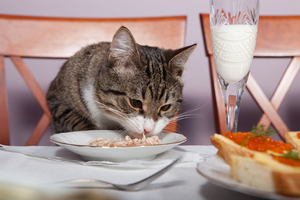 Cats require a large amount of amino acids, so a meat-based diet is much more suitable for them than a diet based on fermented milk products, vegetables, and cereals. The higher the content of high-quality protein in a pet's diet, the more strength and energy they will have, and the longer they will feel full.
If you need to be away from home for more than a day, ask friends to feed the cat several times a day and replace its drinking water. If you'll only be away from home for 24 hours, then leave extra foodso the cat eats it slowly (adult cats don't overeat or eat after they're full). In these cases, it's convenient to sprinkle dry food; it's very filling and won't spoil at normal temperatures.
Prepared cat food or natural food?
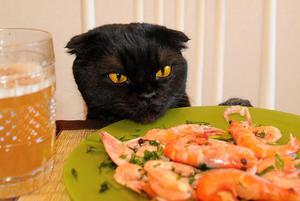 Some breeders say it's best to feed cats natural food. However, others disagree, advocating only commercially prepared foods. While those who favor prepared foods often prefer canned wet food, others recommend only dry food. Here's how to avoid confusion and determine which food is best for your cat: natural, canned or dry?
Feeding canned food
Cat food in portioned bags and jars is absolutely balanced and can replace all other products in the pet's menu. rich in minerals, vitamins and fiber For good digestion. However, this doesn't apply to all brands: the cheapest foods often contain little meat and a lot of fiber, which doesn't satisfy a cat. If you decide to feed your pet prepared wet food, which is naturally quite simple and convenient, be prepared to skimp on it. Calculate the amount of food based on the package instructions and your pet's weight.
Feeding dry food
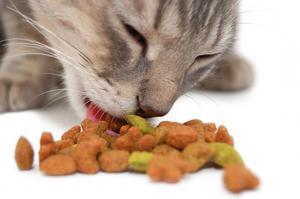
Some cats prefer dry food to anything else, and owners love it for its ease of use and storage. Feeding your pet dry food is very cost-effective, easy, and hygienic. But is it worth it? Definitely yes—if you buy it. good premium foodBudget dry foods contain bone meal, salt, and other ingredients that overload a cat's liver and digestive system. Dry food requires a large amount of water to be properly digested, so cats on this diet drink more frequently than usual.
Feeding natural food
Natural food is, after all, the most accessible way to feed cats. It's also the right way to feed your pet, as long as you avoid feeding them bones, fatty meats, cold cuts from the refrigerator, and raw fish. Turkey, chicken, lean red meat with a few vegetables, and cereals are all well-received by cats. Occasionally, you can offer cottage cheese, milk, boiled egg and kefir – but there is no need to make these products the basis of your cat’s menu.
Experience has proven that mixed feeding is the most economical option for cats. In this case, you feed your cat canned or natural food throughout the day, and give a handful of dry food as a treat or before bed. There is no need to avoid dry food completely., as they help remove tartar and stimulate thirst in animals, which is very important for cats with sensitive genitourinary organs.
Feeding a neutered cat
Neutered and spayed cats prone to urolithiasis and excess weightThis is due to changes in the cat's hormonal balance and metabolism, so feeding after these interventions is different than before surgery:
- Immediately after anesthesia and surgery, the cat may have no appetite, but you should ensure that water and light food are always available: meat pâté, soft ground meat, or soft wet food, as recommended by the doctor.
- Pets will be able to eat normally as early as the second day after surgery—this is considered a sign of normal recovery. Don't give your cat more food than is recommended for its weight, even if you feel like pampering it.
- Pets who have undergone surgery are strictly prohibited from receiving dry food that is not specifically designed for therapeutic nutrition. This taboo is due to the sensitivity of the cat's urinary system.
- There are specialized dry foods for spayed and neutered cats with urolithiasis. They are salt-free and don't pose a risk of developing stones, and they also provide preventative benefits.
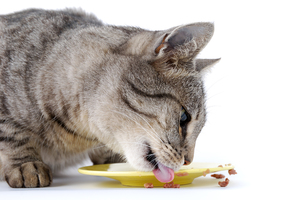 Immediately after anesthesia and surgery, the cat may have no appetite, but you should ensure that water and light food are always available: meat pâté, soft ground meat, or soft wet food, as recommended by the doctor.
It's impossible to say exactly how to feed a cat with urolithiasis, as a veterinarian must formulate a feeding menu based on the test results. Therefore, it's best to simply prevent the disease from developing and formulate a proper diet for the cat after surgery, and regardless of the procedure. Do not overfeed the animal It's just as important as feeding them on time. Listen to your pet's preferences: if your cat won't eat dry food, don't force it; instead, offer natural food, or vice versa. Only in this way can you truly establish a bond with your cat and ensure a healthy and long life for them in your home.