Cats are rightly considered one of the cleanest pets, so owners only need to follow basic hygiene guidelines. However, in some situations, cleaning their pet's nose may be necessary. Many felines readily accept this procedure, but others will resist. In these cases, this brief procedure can prove difficult and tedious.
In this article, we'll provide effective tips to help clear your cat's nose.
When does a cat need to have its nose washed?
There are only a few reasons to clean a cat's nose—most often, pets groom themselves well. The exception is Persians or other brachycephalic breeds. These animals have unique characteristics, such as a flat nose and facial folds. They require regular inspection and care, including cleaning and drying the nose to prevent moisture accumulation.
Also at risk are:
- cats that have recently had a respiratory infection;
- cats in crowded conditions;
- pets that regularly go for walks outside;
- older animals (from 7 years old).
Sometimes a cat's nose becomes coated with dry mucus—this can be caused by allergies or viral or bacterial infections. This can cause the cat to stop cleaning itself, requiring its owners' help.
In addition, a cat can get dirt on its nose while outside, eating, or using the litter box.
First, make sure your pet is unable to clean itself. Signs of this include congestion that persists for several days, crusting around the nose, or a dark coating inside. A sign of this is when your cat vigorously licks and rubs its nose with its paw (combined with sniffling and congestion). If you don't help your pet promptly, the cat will scratch its nose with its claws. Otherwise, the nasal wound will become inflamed or become covered in thick, difficult-to-remove crusts.
If your cat's eyes are watery, it sneezes and/or there is purulent or bloody discharge coming from its nose, or if the animal experiences pain when you touch its nose, contact your veterinarian.
Other signs of pathology may include:
- deformation of the face;
- wheezing;
- profuse discharge of mucus.
This could be allergic rhinitis, an infection, or another dangerous condition that cannot be cured on your own by rinsing and cleaning the nasal cavity.
Read also, How to brush a cat's teeth at home.
How to clean a cat's nose of dirt, snot, and other discharge
An animal's nose is very sensitive, and it is not surprising that cats are extremely reluctant to let their owners touch it, let alone perform procedures on it.
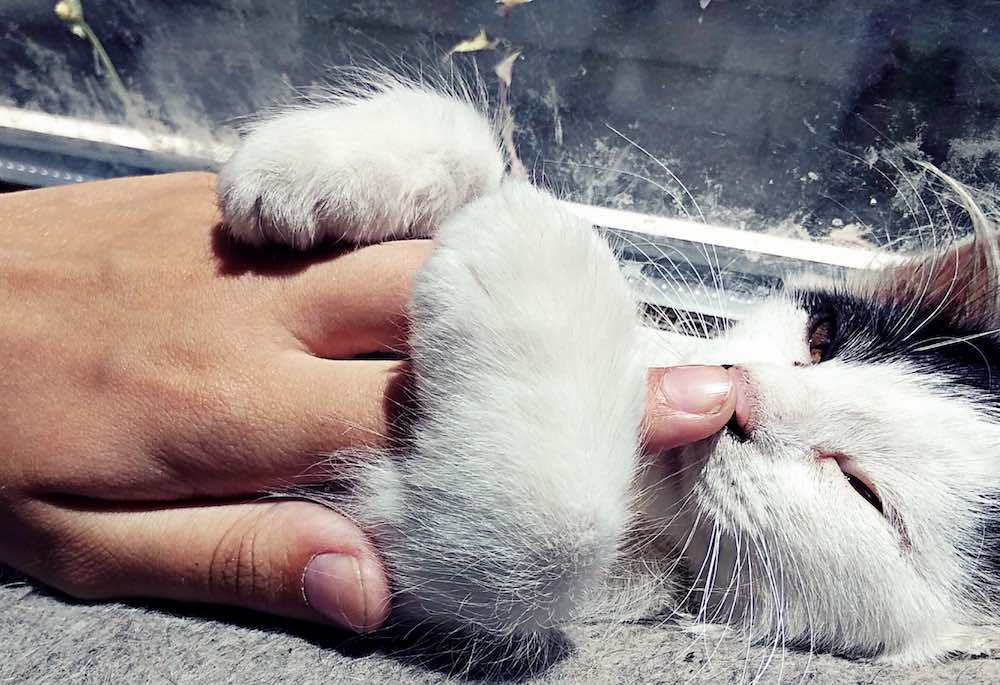
First, establish contact with your pet. Hug them and try to keep their head still, but don't squeeze too tightly. You can try wrapping your cat in towels to protect yourself from scratches if they try to escape. Another option is to use special fabric traps. Try to calm your pet down—if you forcefully groom them when they're scared, it will be even more difficult next time.
It's crucial to choose a suitable location—preferably well-lit and with a high table. It's best if the cat is at the owner's belly level. Many prefer to perform this procedure in the bathroom, with the cat sitting in the sink or on the owner's lap. However, it's best to avoid confined spaces. It's also important to have everything you need to clean your cat's nose within easy reach. This will help you complete the procedure as quickly as possible, without having to search for equipment.
What you will need
Most often, room-temperature water or saline solution and sterile gauze are sufficient. A 0.9% sodium chloride solution is readily available at a pharmacy or veterinary supply store, but make sure it's within its expiration date.
Additionally, you may need:
- a terry towel to wrap your pet;
- cotton pads and swabs with a limiter;
- 1-2 ml syringe;
- a treat for the cat after the procedure.
Cleaning rules
First, prepare your pet by trimming its nails or placing silicone caps on them. It's best to do this at least 1-2 days before the wash, rather than immediately before.
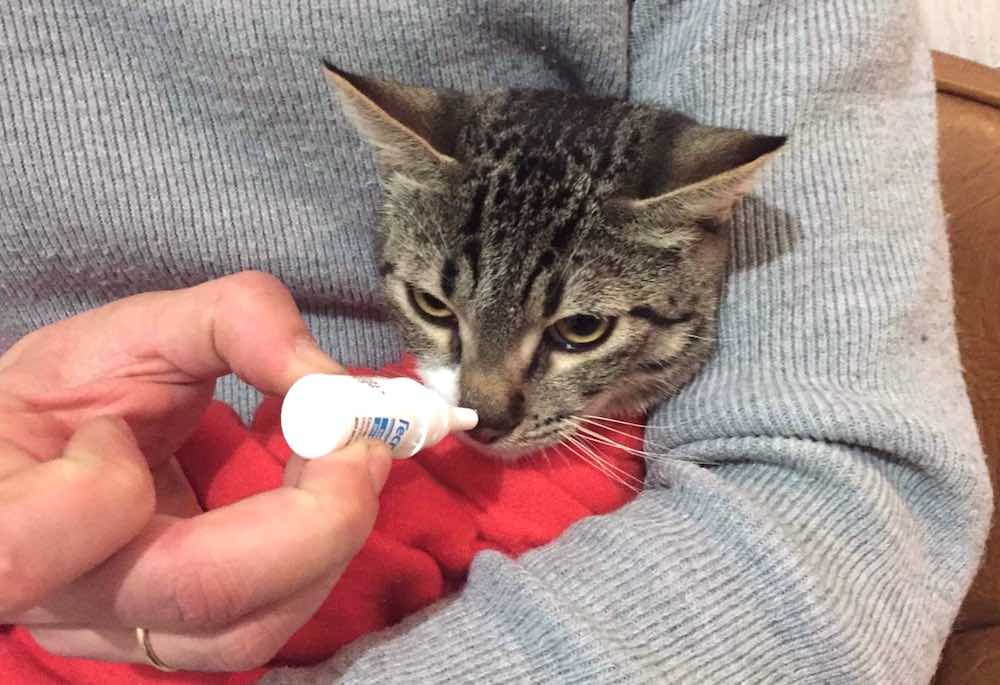
It's best to do everything under the supervision of a veterinarian the first time, but if that's not possible, you can probably handle it yourself:
- Immobilize the animal and try to calm it down; you can give it a treat. The animal's paws should not move apart.
- Find a comfortable position. It's important to relax and avoid any sudden movements.
- If you feel you can't cope, get an assistant to hold the animal.
- Human nasal rinses should not be used on cats—only those from a veterinary pharmacy. Also, solutions containing salt, baking soda, or iodine are prohibited for cats, as they can cause allergies or swelling.
- First, inspect your pet's nose and soften any crusts on the lobe and around the nostril. Simply apply a cotton ball for a few seconds and move it from the outside to the inside to remove any debris. This should be done before rinsing to prevent bacteria from entering the nasal passages. If water doesn't help, use natural sea buckthorn oil (dark and opaque)—it's safe for cats and effectively softens crusts.
- Fix the pet's muzzle in a horizontal position or place it on its side, pulling it by the withers, but not throwing it back.
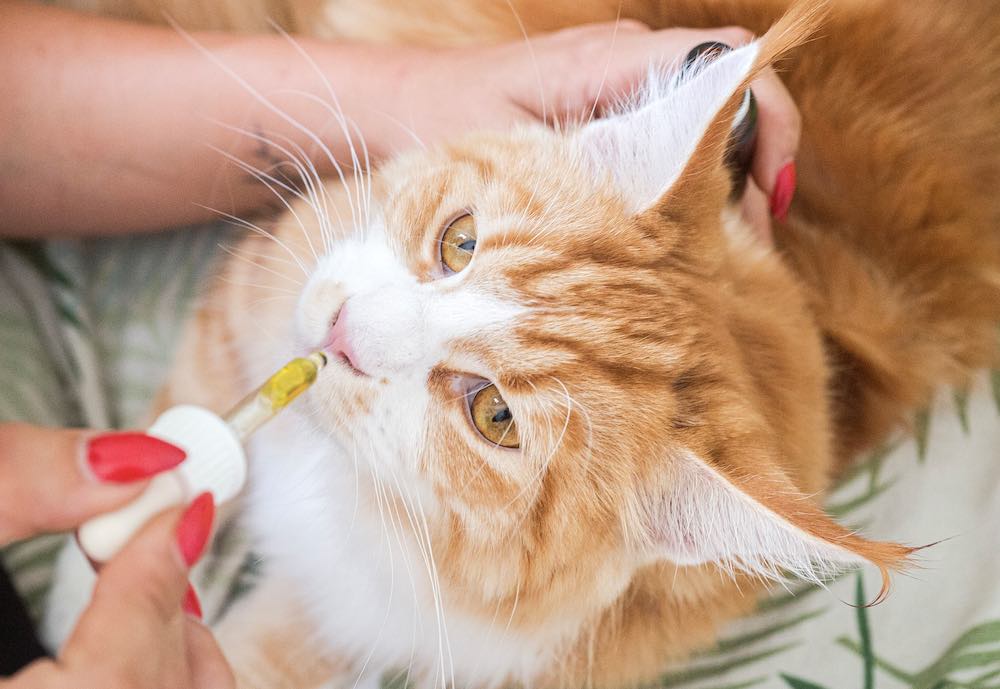
- Take the prepared syringe (without the needle) and place the tip near your nostril, but don't insert it too deeply. Just enough to allow the liquid to enter the nostril.
- When pressing the plunger, make sure that the solution enters the nasal cavity evenly and in small portions, so as not to frighten the animal.
- If you are using gauze, gently draw it through the center of your nose from the bottom up without pressing on it.
- Once you've finished with one nostril, allow your cat to inhale and sneeze to bring the dirt to the surface.
- Rinse both nostrils in this way.
- Try not to touch the cat's whiskers - he won't like it.
- Next, remove excess moisture by blotting the nose with paper towels. Avoid applying too much pressure. The main goal at this stage is to remove moisture to prevent the cat from catching a cold, especially if the room is cold. Use unscented and dye-free towels.
- You can put saline solution in your nose (1 g of salt per 100 grams of boiled water) - this will help prevent the proliferation of microbes.
- Finally, treat your cat with its favorite treat. It's best to perform this procedure before meals—this will help the animal cope with stress.
It's often necessary to rinse the nose of newborn kittens. A single drop of saline solution is sufficient. However, keep in mind that this is dangerous in the first few days of life. Fluid can enter the kitten's lungs, increasing the risk of pneumonia.
If the kitten is wheezing, sucking poorly, or has mucus visible near its nose, drop some saline solution from a pipette and immediately remove it with a syringe.
Read also, How to give a cat an enema.
How often can you wash a cat's nose?
There's no exact schedule for nasal irrigation for cats. Healthy cats (not brachycephalic breeds) will handle nasal hygiene on their own, without any help from their owners. However, if you see symptoms that indicate your cat is having difficulty breathing and is unable to (or unwilling to) manage the problem on their own, rinse your pet's nose.
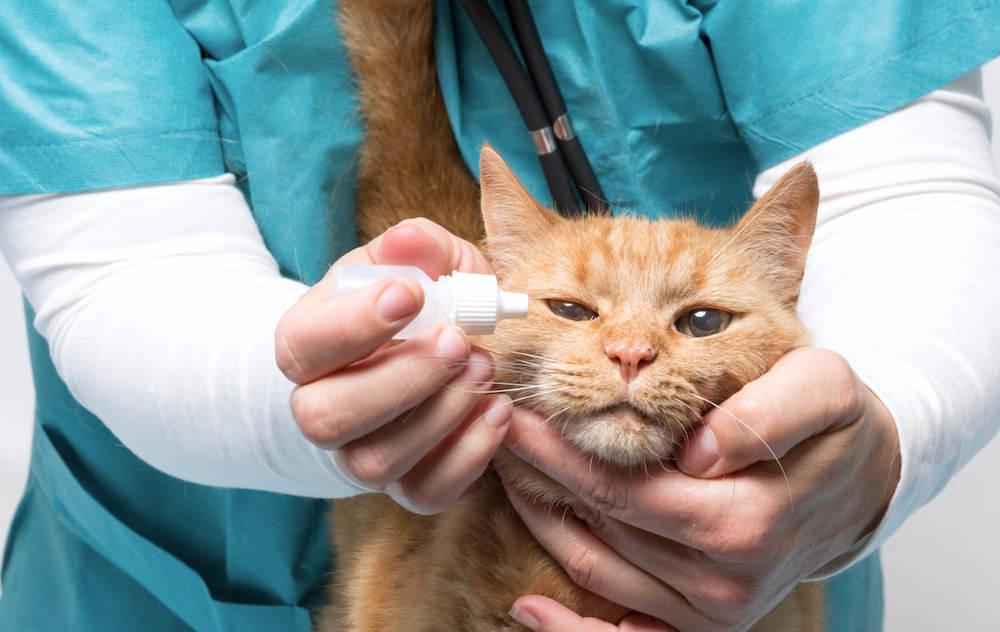
This can be done at home if you follow all the rules and recommendations. However, keep in mind that if serious symptoms appear, rinsing and instillation may not be enough. In this case, you should immediately contact a specialist, as your pet may have a serious illness that requires immediate treatment.
Read also, How to give a cat an injection.