Dehydration, poor diet, and hairballs often cause constipation in cats. These pets suffer from digestive problems just as much as humans. In this article, we'll discuss how to help your cat, specifically how to properly administer an enema. If there's no veterinarian nearby, owners will have to manage this themselves—and our step-by-step instructions will help.
Content
When should a cat be given an enema for constipation?
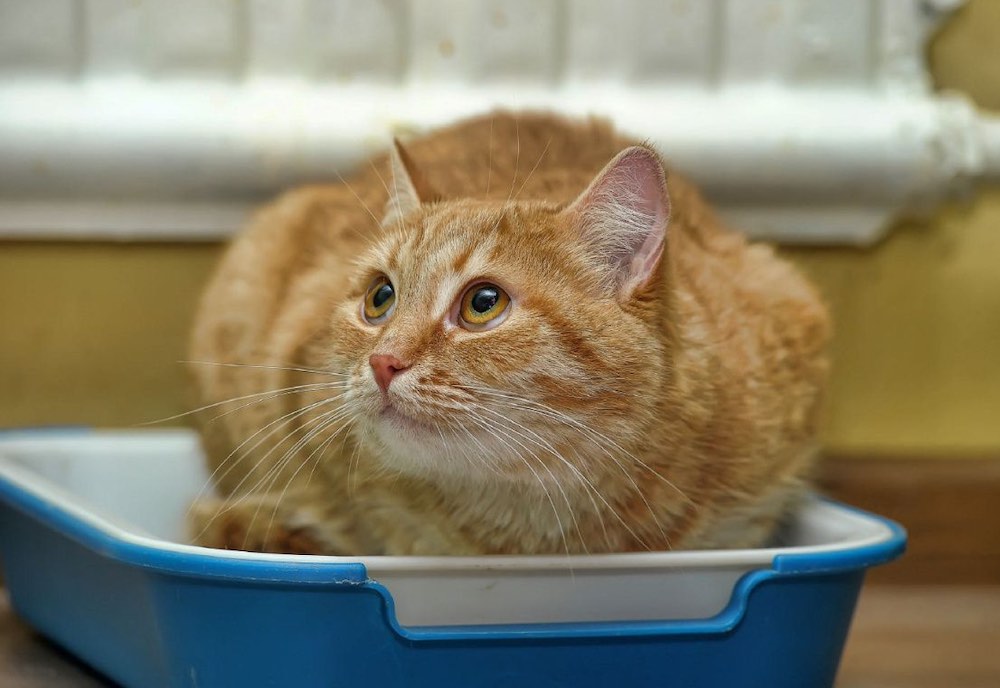
The procedure may be prompted by various obvious symptoms of constipation, as well as a general deterioration in the pet's condition:
- A prolonged absence of stool—in cats, up to 3-4 days. Or, stool may be present, but it is visually abnormal for a healthy animal.
- The cat's general health is alarming - there is no appetite, the cat is lethargic, goes to the toilet, but the feces are excreted in small quantities.
- A tight belly, discomfort caused by any touch to the abdomen - the cat itself will show you through its behavior that something is wrong.
- The animal cannot defecate on its own – the cat meows, behaves unnaturally, there are attempts to go to the toilet, but without success.
- Vomiting and malaise – the cat lies down and doesn’t even approach food, there has been no bowel movement for several days – the pet’s health is clearly alarming.
When you shouldn't do an enema
Despite certain symptoms indicating that a cat needs assistance with bowel movements, there are some contraindications to the procedure. It's difficult for owners to diagnose the problem themselves, but it's important to know: in exceptional cases, enemas are contraindicated.
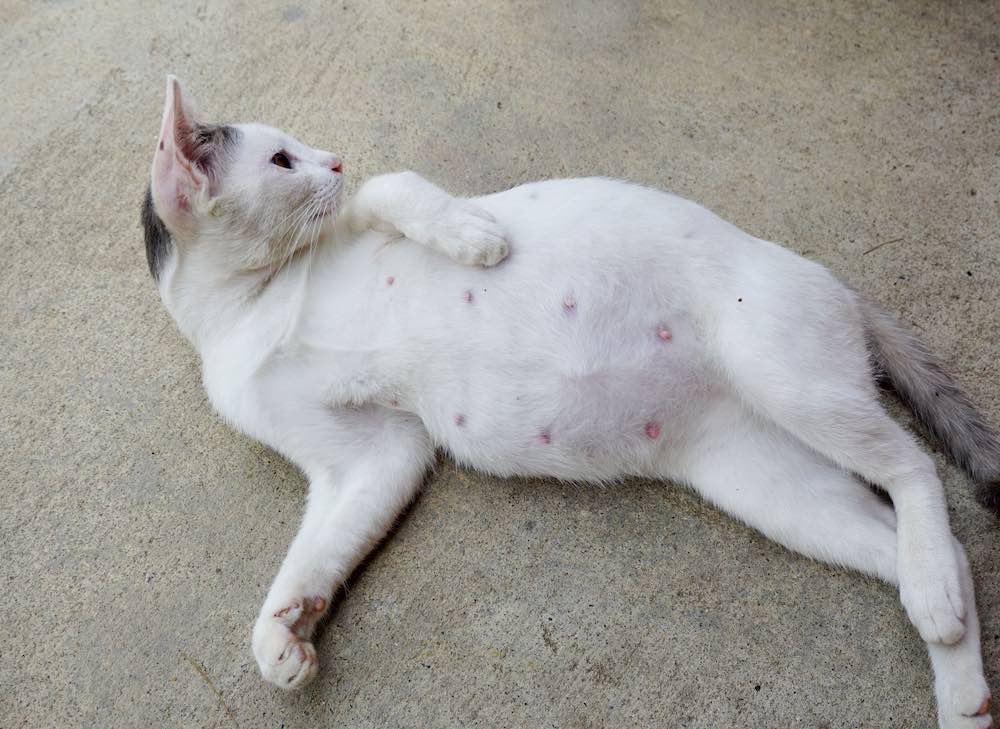
Here is a list of situations where this procedure can harm your pet, even if he needs it:
- Any bleeding of internal organs (for example, intestinal volvulus).
- Pregnancy in a cat is also a contraindication for an enema.
- Advanced helminthiasis.
- Anal fissures are a visual issue and can sometimes be caused by constipation.
- Inflammatory processes of internal organs.
- Any oncological processes.
The procedure is also contraindicated in cases of seizures, loss of consciousness, shortness of breath, or severe vomiting. Any inflammation, bleeding, or other serious illnesses are always contraindications for enemas in cats. In any case, if such symptoms are detected, the procedure should only be performed after consultation and under the supervision of a specialist.
How to give a cat an enema for constipation correctly – step-by-step instructions
The procedure itself doesn't seem all that complicated. However, it's important to understand that any medical intervention will make your cat wary and react strongly. It's important to prepare for the procedure in advance and avoid upsetting your pet with a loud voice or unusual behavior. If your cat trusts you and feels safe, administering the enema shouldn't be difficult. The key is your mindset: focus, act confidently, and carefully.
Step one: prepare the necessary tools
Veterinarians recommend beginning the procedure only with the assistance of an assistant. This procedure is unpleasant for any animal. Considering we'll be administering the enema to an adult pet, it's best to do it with assistance.
We will need:
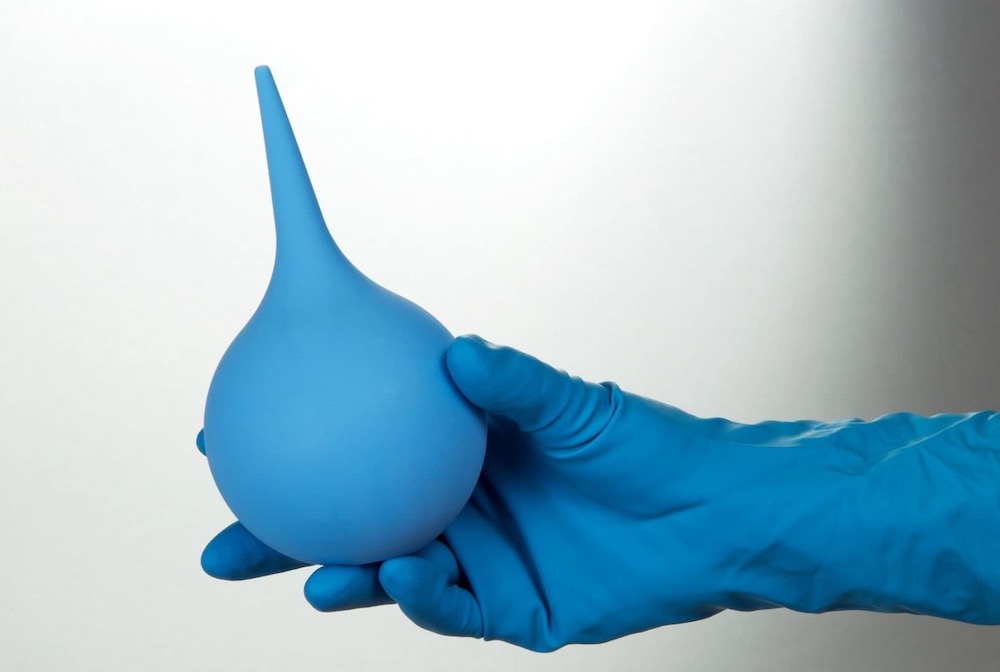
- A small 100 or 200 ml syringe with a rubber tip. If the syringe is larger, prepare exactly 150-200 ml for administration. A hard plastic tip can cause pain for the cat even at the very beginning of the procedure, and there's no guarantee that it will be done quickly and correctly.
- Thick rubber gloves.
- A plastic basin – to make it easier to fill the syringe (you may need to do this twice if it doesn’t work the first time) or another container with warm water (26-32 degrees).
- Rags, old newspapers or absorbent disposable diapers - to cover the floor in the "treatment room".
- Vaseline for lubrication – approximately 3 grams for an adult pet and 1-1.5 grams for a kitten. You can also use glycerin or baby cream if nothing else is on hand.
- Water thermometer. Hot water (over 40 degrees Celsius) can cause spasms in severely intoxicated cats.
- The ready-to-use solution for injection is water with a few drops of apple cider vinegar or petroleum jelly.
- A tray in which the cat can defecate after the procedure.
Step two: preparing the solutionWe give a cat an enema with Microlax and more.
An important stage on which the effect depends.
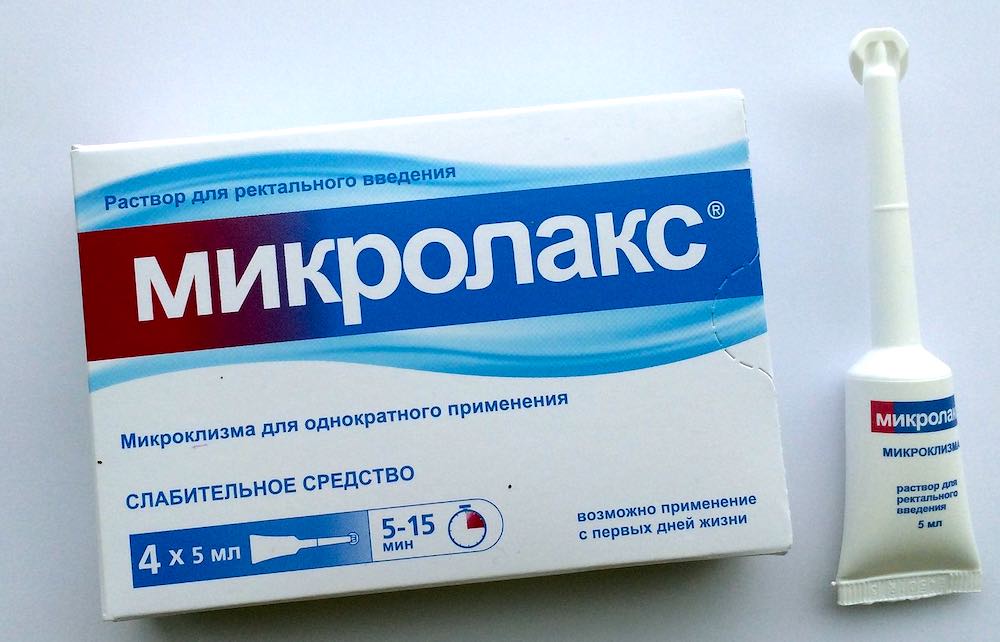
The animal will not react to the composition, but experts note that different solutions affect fecal resorption differently:
- Saline solution. Half a teaspoon of regular salt or a level teaspoon of coarse sea salt will do.
- GlycerolA dose of 3-5 ml per 150 ml of water is sufficient – use in conjunction with a cleansing procedure. It is effective in relieving constipation in pets, but frequent use is not recommended.
- MicrolaxA harmless, effective, and relatively inexpensive medication. One syringe (5 ml) is used. For a kitten, 1.5-2 ml is sufficient.
- Herbal infusionsThe most common option is a chamomile infusion. Typically, 100 grams of the dry herb mixture is added to 1 liter of water, brought to a boil, and steeped for 2-3 hours. Afterward, it is heated to 25-30 degrees Celsius and inserted into the rectum.
Experts also don't rule out the possibility of using over-the-counter medications to treat constipation in cats. For example, Duphalac is a completely safe lactose-based medication. The recommended dosage for an adult cat is 0.5 ml per 1 kg of body weight. This viscous, sweet-tasting medication is administered twice daily and is easily administered orally using a needle-less syringe.
Read, How to safely give all types of medications to your pet.
Step three: preparing the cat and performing the procedure
The animal should be calm. Ideally, after sleep. The entire process is simple. Carefully secure the cat in a blanket or large towel so that it cannot injure you with its claws if it becomes aggressive.
Next, you should follow the sequence:
- The air is expelled from the syringe and the prepared solution is drawn into the bulb. The tip of the device is lubricated with Vaseline (any baby cream, glycerin, or vegetable oil) to facilitate insertion.
- The tip of the bulb syringe is gently inserted with a back-and-forth motion to a depth of no more than 2 cm. For kittens, the tip of the syringe should be inserted no deeper than 1 cm. Veterinarians recommend marking the tip with a marker or covering the area with tape. This will ensure that the animal is not inconvenienced.
- Slowly, without forcing, introduce the liquid inside.
- Don't let your pet out – after an enema for constipation, your cat should cover its anus with its tail. Restrain your pet and don't let it escape.
It will take at least 10-15 minutes for the feces to dissolve. Then, place the cat in a basin or litter box for natural defecation. Sometimes, it may take several hours for the bowel movement to occur. This is a natural process, depending on the density of the feces and its quantity.
Nuances that must not be forgotten:
- The maximum volume of liquid for administration is 300 ml.
- After the procedure, it is also recommended to examine the stool for any blood. If blood is detected, inflammation or serious illnesses in the animal cannot be ruled out.
Next, you should temporarily transfer the cat to a dietary diet: include pureed pumpkin and sunflower oil in the diet.
What not to do
It is recommended to carry out the procedure on your own only after consultation with a specialist:
- Also, don't choose your own enema mixtures. While one solution may be suitable for a cat, the same mixture might not be suitable for use in a baby.
- If it is visually determined that no fluid is entering the intestine, stop the procedure immediately. This may indicate that the stool is very thick, possibly containing hairballs. This can also be a sign of an internal tumor.
- If the animal begins to violently resist, don't use force. Giving or injecting a sedative will make the procedure much easier.
Important: if after 1-2 treatments the animal still has difficulty defecating and only water comes out, contact a specialist immediately.
Brief conclusions
The process is unusual and painful for the cat, so it is not recommended to begin the enema without preparation.
Here are the basic tips:
- We carry out the procedure on an empty stomach, preferably in the morning.
- We use only the recommended solution in the dosage that can be administered according to the weight and age of the pet.
- Microlax is the easiest and safest way to give an enema. But be sure to read the instructions before using it.
- Remember that constipation can be caused not only by clots in the stool, but also by congenital anomalies or inflammatory diseases.
- If an enema doesn't help, be sure to listen to your veterinarian's recommendations, or better yet, visit a clinic (for an ultrasound and tests).
- Natural products, including fermented milk products and vegetables, cannot be excluded from your pet’s menu.
- Special premium canned foods that stimulate peristalsis are excellent for regulating the gastrointestinal tract. Probiotics and supplements are equally effective.
Remember: an enema is a simple but very serious procedure that can either help or harm. This express method can alleviate the consequences of gastrointestinal problems, but it does not address the underlying cause.
Therefore, when beginning a bowel cleanse, approach everything responsibly. If the administered solution does not help your cat empty its bowels, it's best to promptly seek professional advice. Be sure to monitor your cat's well-being after the procedure.
But if the cat, on the contrary, has diarrhea, Read how to treat it at home.