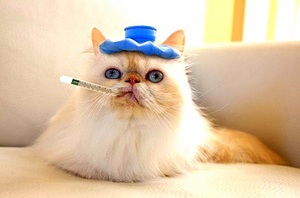
Often, trying to give a cat medication ends with scratched hands and stress for both parties involved. But there are three ways to outsmart your pet.
Use a blanket
Animals need medication not only when they're sick. Veterinarians recommend deworming your pet twice a year, regardless of whether they live indoors or outdoors. But here's the problem: explaining this to a cat is impossible.
It can be difficult to handle a cat alone, even if it's just feeding it a pill or giving it a medicine. Ask someone else in the household to help:
- First, you need to restrain the cat. A towel or blanket will do. Gently wrap or swaddle the cat, being careful not to damage its limbs or cause pain. Only the muzzle should be free.
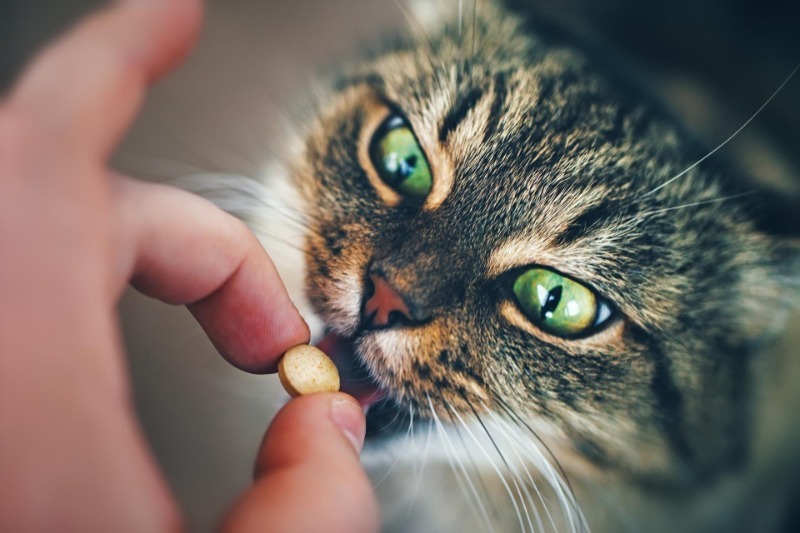
- Have an assistant gently hold the cat. Open the cat's mouth and place the pill in it. Try to insert it as close to the back of the tongue as possible. Then, gently but firmly close the cat's mouth, lift its head, and stroke the area under its neck. You need to make sure the cat has swallowed the pill. Touch its nose—cats usually lick their nose after this gesture, indicating the pill has been swallowed. Pour a little water between the cat's teeth and cheek to help the medication pass into the stomach. After this, you can release the cat.
If no one is nearby, you'll have to do this entire procedure yourself. After wrapping the cat in a blanket, place it on a table or shelf of a suitable height. Giving the pill with one hand is awkward, so use your left elbow to gently support the cat and use your fingers to pry open its jaw. Don't apply too much pressure, or it may break free and hide. After the pill is administered, unwrap the cat, pet it, and reassure it. This is very stressful for the cat.
Put medicine in food
A more humane way to give your cat medication is to put the pill in their food. You can also mix the medication in by crushing it first. If the medication is bitter, this won't work. Try rolling the pill into a pâté ball or ground meat; this will prevent the bitterness from spreading, making it more likely for the cat to swallow the medication. Before giving the pâté ball with the pill, treat them with a few pâté balls without the pill. This will help build their trust.
Read the instructions carefully. Some medications should not be mixed with food, while others should be taken on an empty stomach.
Through a special syringe
Pet stores sell a special syringe-like device called an introducer. You place a pill inside, and use the plunger to push the medication down the cat's throat. If your pet is calm, this device will easily administer the medication.
To administer liquid medication, syrup, or suspension to your pet, you can use the special dispenser included with the medication. Use it to inject the medication between the teeth and cheek, then cover the mouth with your free hand for a few seconds to prevent leakage. Afterward, give your cat a treat, unless instructed otherwise. A regular injection syringe, without the needle, can be used instead of this dispenser. Insert the tip of the syringe between the cat's teeth and administer the required dose.
If your pet is afraid of various devices, you can do without them. Mix the suspension or medicated powder with sour cream or meat sauce and apply it to your pet's nose in several coats. After each application, allow your cat to lick its nose. Use a small amount of food so that it's used up in one go.
A one-time dose of medication won't cause any problems for the cat or its owner. However, if the veterinarian recommends long-term treatment, you'll need to be patient, as the procedure will become more difficult with each dose. Avoid raising your voice at your pet, as this is already very stressful for them. Ask the vet to show you how to administer the medications correctly and safely.
If you're still unsure of your abilities or don't want to ruin your relationship with your pet, seek help from a veterinarian—a specialist can easily perform such procedures. Remember, never give your pet medications prescribed by "well-meaning people" or a random online article. Always consult with your veterinarian before beginning treatment.