 Almost all cat owners periodically encounter constipation, a rather unpleasant affliction. Constipation primarily affects older cats, but it can also affect otherwise healthy young cats, and even newborn kittens.
Constipation is the absence, difficulty, or insufficient emptying of the bowels, which leads to a large accumulation of hardened feces in the colon, which causes unpleasant and often painful sensations for the pet, and over time can lead to rather tragic consequences.
Faeces that are not expelled in time poison the body and may lead to general intoxication, the load on the excretory organs—the stomach, kidneys, and liver—increases. Over time, progressive poisoning from decomposition products can disrupt normal cardiac function, leading to death.
Content
The main symptoms of constipation in cats
The most important symptom of constipation is bowel obstruction, which leads to difficulty passing stool and hardening of the stool. What constitutes constipation? Most often, a healthy cat has a bowel movement once a day, less commonly once every two days. In this case, when bowel movements are delayed If it's another day, it's safe to say constipation has occurred. The cat may meow pitifully and make frequent unsuccessful attempts to use the litter box or simply a secluded corner, trying to relieve the discomfort.
But it also happens that the cat constantly goes to the toilet, but at the same time defecation is difficult, the intestines are not completely emptied, the feces look like small, dense nuts or, conversely, very liquid. In this case, chronic constipation can be considered.
The most common symptoms of both chronic and acute constipation are 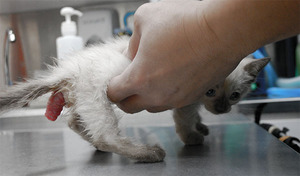 lethargy, lack of appetite in cats, sometimes vomiting and nauseaSome pets refuse to eat and begin to lose weight, and some stop licking themselves.
Constipation is not a disease, but rather a symptom, so to effectively help your cat, you first need to identify and, if possible, eliminate the causes of constipation.
Causes of constipation in cats
Very often, the causes of constipation are explained by the sex or age of the pet:
- Constipation is not as common in cats as in male cats;
- In older animals, peristalsis works much worse than in young animals.
Problems with defecation are sometimes caused by an unbalanced daily diet of a cat: a lack or absence of fiber in the animal’s daily menu, insufficient water or eating bones, low amount of protein.Chronic constipation is sometimes caused by stress. pet.
But the cat, one way or another, needs to be shown to the veterinarian, since irregular, painful bowel movements or Constipation can also have more serious causes, which are associated with neurological and orthopedic disorders, and disorders of the internal organs.
Thus, during the examination the veterinarian can identify:
- Orthopedic problems that prevent the cat from assuming the required position for defecation;
- accumulated clumps of swallowed hair (trichobezoars) that require surgical removal;
- megacolon – deterioration of intestinal motility along with a significant increase in its size;
- strictures – cicatricial narrowing of the anus;
- inflammatory processes, perineal hernia, tumors, hyperplasia, and some other diseases that the cat owner may not even be aware of;
- the entry of a foreign body into the digestive system.
In a veterinary clinic, additional examination methods are performed:
 Ultrasound of internal organs;
- blood tests;
- X-ray examination.
 Ultrasound of internal organs;
If your cat has not eaten for several days, your veterinarian may prescribe an intravenous drip to prevent dehydration.
How to help a cat at home?
If, for certain reasons, constipation occurs periodically in a pet, then, first of all, it is necessary to learn how to deal with constipation at home. To begin, You need to pay attention to the following drugsVaseline oil, Duphalac, and Lactusan are used. These medications help soften stool and facilitate its passage through the rectum. Using castor oil for this purpose is not recommended, as it often causes significant pain in cats.
Vaseline oil is given to animals orally several times a day. The dosage is determined individually, taking into account the pet's weight. It is advisable to consult a doctor about this matter.But if this isn't possible, you should start with a minimum dosage of 6 ml and monitor the results. An adult cat weighing approximately 7 kg requires approximately 50-60 ml of Vaseline oil.
It is best to give the oil on an empty stomach, as there is a high risk that the cat will vomit after eating the food. The oil must be drawn into a syringe (naturally, without a needle) and with a confident and quick movement, pour it into the cat's mouth, trying to hold the syringe slightly to the side so that the oil goes straight into the throat, bypassing the tongue.
Unlike various vegetable oils, Vaseline oil is hardly absorbed in the stomach, so there's no need to replace it with, say, sunflower oil. Moreover, excessive consumption of vegetable oils by cats often leads to liver problems.
Therapeutic treatment of constipation
 Most often, difficult bowel movements (or their complete absence) are treated with therapeutic drugs that soften the stool. For example, the most popular such laxative for cats "Lactusan." This medication belongs to the class of prebiotics and is a source of lactulose. It restores beneficial microflora in the intestines while simultaneously protecting the body from toxins and suppressing pathogenic ones.
This product provides detoxification and reduces the penetration of carcinogens into the bloodstream. Lactusan gently relieves constipation by activating rectal peristalsis.
Another laxative commonly used for cats is Duphalac. This medication also contains lactulose. It stimulates peristalsis and is gentle. Duphalac takes effect several days after administration. This is because it passes through the gastrointestinal tract, reduces blood ammonium ion concentrations by more than 30%, and inhibits intestinal absorption of toxins. The dosage of any drug is determined by a veterinarian. taking into account the physiological characteristics of the cat, as well as in accordance with the recommendations of the instructions for use of the drug.
Lactusan, Duphalac and other medications that contain lactulose are given to the animal orally several times a day. The dosage is selected taking into account the weight of the animal. (0.5 ml per kilogram of total weight); for an adult cat, the dose is typically 2.1–2.6 ml. Other laxatives must be prescribed by a doctor and used strictly according to the instructions.
 Another effective medication is Prelax children's syrup. It also contains lactulose and can help resolve constipation in cats. the syrup has excellent taste properties, so cats eat it with pleasure. The syrup can be mixed with dry food.
Sodium Picosulfate is also considered an effective drug, but its use must be agreed with a veterinarian, since only he can correctly determine the dosage and frequency of use in a particular case.
Another medication recommended for relieving constipation is magnesium sulfate. To use it, dissolve half a packet in water and give it to your cat. Not all animals consume this product calmly., as it is quite bitter. Draw the solution into a syringe and carefully pour it into the animal's mouth. The medication immediately relieves pain, and after approximately 6 hours, the laxative effect begins.
Traditional methods of treating constipation
You can try folk remedies to relieve constipation, such as diluting condensed milk with raw water. This mixture has a similar effect to castor oil. normalizes the emptying of the animal's rectum and softens fecesMicro enemas with a solution containing lactulose, such as Lactusan, are also helpful. These enemas can help your pet manage constipation on their own.
In case of persistent bowel movements, it is recommended to treat the cat in courses with medications that normalize the microflora of the rectum.
 In particularly difficult cases, when there are obvious signs of intoxication of the body, and it is not possible to overcome constipation at home, there is a need for a deep cleansing enemaHowever, this requires a visit to an animal clinic, as it involves a rather complex rectal lavage, which may require more than 7 liters of water.
Prevention of constipation
Preventing constipation in cats does not require much effort and generally comes down to the following:
- Periodically give your pet cleansing phytomines to remove hair. These can be purchased at veterinary pharmacies or pet stores. These medications contain lecithin, typically available in tablet or paste form, and are used for preventative purposes and to relieve the effects of acute constipation. In addition to lecithin, phytomines often contain herbal extracts that normalize gastrointestinal function and reduce inflammation. Use phytomines according to the instructions on the packaging.
- Brush your cat regularly to help remove excess hair. This is especially true for long-haired breeds, which are more likely than other breeds to suffer from hairballs.
- Provide your cat with constant access to fresh drinking water, especially when the animal's diet includes dry food.
- Make sure your cat's daily diet contains the necessary amount of fiber and protein. Steamed oat or wheat bran, one tablespoon per day, can be used for fiber. Stewed or boiled vegetables and grain cereals should be a must. If your cat enjoys pumpkin, it's an excellent laxative: one tablespoon of boiled pumpkin daily, added to any meal, can help relieve persistent constipation.
- Don't neglect regular checkups with your pet's doctor; this can help prevent illnesses that can lead to constipation.
- Exercise is another very important factor that helps prevent constipation and improve bowel movements. If your cat isn't allowed to roam freely outside, consider purchasing special exercise equipment or toys to encourage more exercise.
 Brush your cat regularly to help remove excess hair. This is especially true for long-haired breeds, which are more likely than other breeds to suffer from hairballs.
Well, that's probably all the most important information about such an unpleasant ailment as constipation in cats. Let these simple tips and recommendations, as well as love and attention to a pet can help you maintain the health and vitality of your four-legged friend.