 Every pet owner should be alert if their pet becomes constipated. It's naive to think that it will resolve itself over time. At the first sign of this condition, you should find out whether it's truly constipation or just your cat's infrequent bowel movements.
If everything points to this problem, then know that it can be caused by a variety of reasons. And here it is important to know what you need to do. You should not self-medicate Don't treat constipation in a cat if you have no idea what's causing it. Otherwise, you won't help, but rather harm your pet. It's possible that it could be a symptom of another, more serious condition, and your incorrect actions could lead to its death.
Content
Causes of constipation in cats
Most often, constipation in cats is caused by improper nutrition. However, this doesn't happen immediately, but rather over time. the disease develops over a certain period of time, so you should constantly monitor any changes in your pet's condition and behavior.
 Stress. In this condition, an animal may exhibit several uncharacteristic symptoms: vomiting, diarrhea, constipation, and clumps of hair loss. In such a situation, the well-known folk wisdom that all illnesses stem from nerves is particularly effective.
- Ingested hair. All cats eat their hair, but it's not always completely eliminated. Cats typically regurgitate it in small clumps. However, if hair gets into the intestines, the hairs, due to their length, harden into solid masses and block the digestive tract. This negatively impacts digestion, resulting in difficulty evacuating feces. If the animal reaches the point where feces are no longer eliminated, poisoning occurs due to the accumulation of large amounts of absorbed toxins. Long-haired cat breeds are particularly susceptible to this.
- A foreign body in the intestines. Such a foreign body could be a simple bone. Often, owners, when feeding their pets fish or meat, don't bother to remove small bones, thinking the animal will chew them. But sometimes, cats inadvertently swallow inedible objects.
- Pathological processes in the intestines. This can include inflammation, problems with innervation, or problems with blood supply. All of this leads to disruption of intestinal function, resulting in impaired peristalsis, and food can no longer move normally.
- Growths in the intestines or anal sphincter. These can also interfere with normal bowel movements. Constipation in cats can also be caused by diseases of the paranal glands.
- Metabolic disorders and the diseases they can trigger. Among the most common are urolithiasis, obesity, and diabetes.
- Helminths. This risk is especially high if the owner doesn't regularly take measures to prevent infestations. When adult worms appear in the body, they can easily block the intestinal lumen. This can lead to intestinal obstruction in cats.
- Infectious diseases. These cases occur very often in cats exposed to a pathogen with a tropism for the tissues of the digestive tract. If you notice diarrhea or constipation in your cat, be aware that this is often one of the first signs of a developing disease. Other symptoms may subsequently develop, allowing your veterinarian to make a more accurate diagnosis.
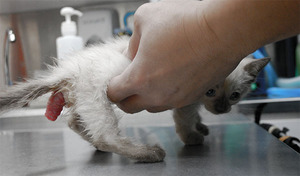 Stress. In this condition, an animal may exhibit several uncharacteristic symptoms: vomiting, diarrhea, constipation, and clumps of hair loss. In such a situation, the well-known folk wisdom that all illnesses stem from nerves is particularly effective.
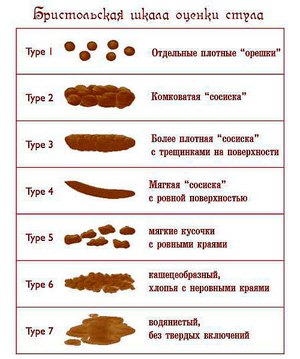 Metabolic disorders and the diseases they can trigger. Among the most common are urolithiasis, obesity, and diabetes.
Symptoms of constipation in cats
You can tell if your cat is constipated by: your cat goes to the toilet very infrequently, about once every three days, and the feces are small and dry. Each time The cat is making plaintive sounds on the litter box, is experiencing anxiety, dry feces can damage the rectal mucosa and anal sphincter. This suspicion can be confirmed by the presence of blood in the stool. Also, the cat's condition can easily indicate difficulty with bowel movements.
But you should clearly distinguish constipation from infrequent toilet visits. In some situations, cats simply have infrequent toilet visits due to their body's specific needs.
Types of constipation
Experts distinguish two types of constipation:
- A bowel movement in which feces are expelled in the form of very small, "dry" pellets. However, most of the feces remain in the body.
- Constipation prevents the animal from naturally eliminating feces. In such cases, the feces become so compacted and dried that human assistance is required.
Treating a cat suffering from constipation
Even if you suspect that your kitten is constipated, you should only begin treatment after consulting a doctor. Not knowing how to act in such a situation, you can easily harm the animal. In the best-case scenario, this could result in the development of other dangerous diseases, and in the worst case, intestinal rupture and death.
 There are various ways to treat constipation in kittens, but to choose the right one, consult a veterinarian first, as contraindications must be taken into account. First, it's important to understand the cause of the constipation. If the cause is helminths, the cat will need deworming even after spaying. If the disease is caused by a virus or bacteria, special medications are prescribed.
When constipation in a cat is caused by adhesions or intestinal obstruction, only surgical intervention can help the animal. It is not possible to carry out treatment without a veterinarian., as you can easily misdiagnose and only harm your cat. Without knowing the exact cause of constipation, you won't be able to cure it, and you'll be dealing with it for a long time.
- Putting a kitten on a special diet, which contains a high amount of fiber. The benefit of this diet is that it helps soften stool and facilitate its elimination. However, this diet has a certain drawback: the animal begins to resemble a "gas factory," causing an unpleasant odor in your apartment. Another unpleasant consequence of this diet is flatulence, which is harmful to the animal due to the accumulation of large amounts of gas in the intestines. In this condition, the cat will experience severe pain due to the distended intestines pressing on the organs, which adversely affects their functioning.
- Adding 2 drops of vegetable oil to your dietThis measure is very effective in softening stools and making them more frequent. However, there is one drawback: the oil can negatively impact liver function. Therefore, this treatment is not suitable for an elderly or sick animal. This experiment should also be avoided on young cats—with a healthy liver, they can live much longer.
- LaxativesThese medications should be given to kittens in combination with medications that help restore beneficial microflora. Duphalac and Lactusan, for example, have this effect. However, proceed with caution: before deciding on this, you should discuss the matter with your veterinarian. It's possible that circumstances may arise that prevent your cat from receiving laxatives. You can also learn the correct dosage and frequency of administration.
- EnemaEven if you think it's easy, you shouldn't do it at home. If you've never given an enema before, you could easily cause pain to your kitten, and in some cases, you could even accidentally injure the rectum. To avoid any discomfort, it's important to not only correctly determine the volume of the liquid being administered but also select the right temperature.
- Vaseline oilThis is one of the safe and easy to use remedies, which is described below.
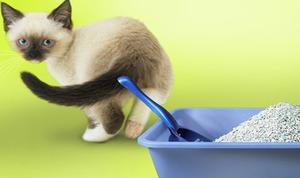 EnemaEven if you think it's easy, you shouldn't do it at home. If you've never given an enema before, you could easily cause pain to your kitten, and in some cases, you could even accidentally injure the rectum. To avoid any discomfort, it's important to not only correctly determine the volume of the liquid being administered but also select the right temperature.
Vaseline oil for constipation in cats
It's a common belief that Vaseline oil is effective for kittens with constipation. However, despite being considered a folk remedy, it should not be used without a veterinary examination. A specialist must first determine the optimal dosage., depending on the size, age, and weight of the animal. The standard dosage is 5 ml, administered several times a day. Keep in mind that Vaseline should not be used in combination with other oils. Such a mixture can cause irreversible damage, as the cat's liver simply cannot cope with such a load.
The treatment regimen using Vaseline oil focuses on softening the stool. Vaseline oil has the ability to coat the intestinal walls, which helps the animal relieve itself without significant discomfort.
Conclusion
If you have a cat in your home, you should be attentive to it from the very first day of its arrival. You should especially monitor how often it goes to the toilet, since If constipation occurs, this may already indicate some kind of disturbance in the functioning of her bodyYour cat's recovery depends on what you do. If you suspect this, don't try to treat the kitten yourself. Even if you've heard of a similar case and know the proper course of action, you still shouldn't take such risks.
You're unlikely to know what exactly caused the constipation, so you could easily harm your cat. Besides, if you haven't had to treat constipation before, you're more likely to harm than help your pet. Therefore, your first step should be to take your cat to the veterinarian, who, after an examination, will be able to make a more accurate diagnosis and prescribe an effective treatment program.