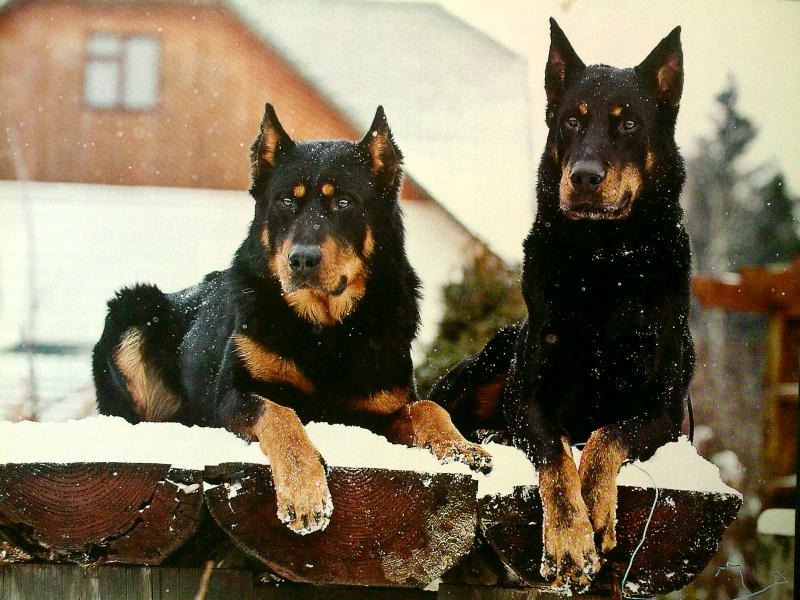
A muzzle is an important and useful item in every dog's wardrobe, regardless of breed. For certain breeds, the use of a muzzle for the protection of others is regulated by law: these include large and medium-sized aggressive breeds. For some breeds, a muzzle is more of a safety feature: small and medium-sized dogs are often guilty of picking up food from the ground.
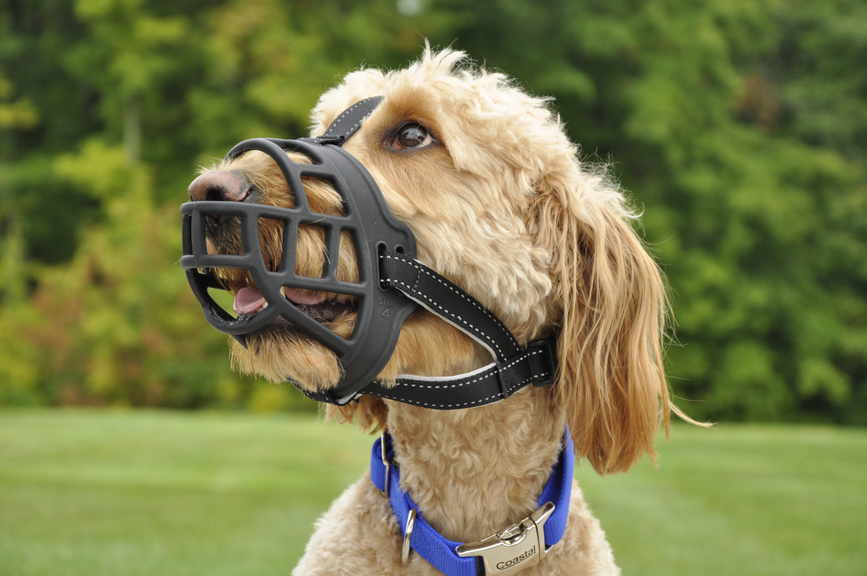
There are several types of muzzles for different breeds and different applications. The materials used also vary.
| Material | Type of muzzle | Dog size | Purpose |
| Metal
| Basket | Large 26-50 kg, Average 11-25 kg. |
|
| Leather | Basket, deaf muzzle | Large 26-50 kg, Average 11-25 kg | |
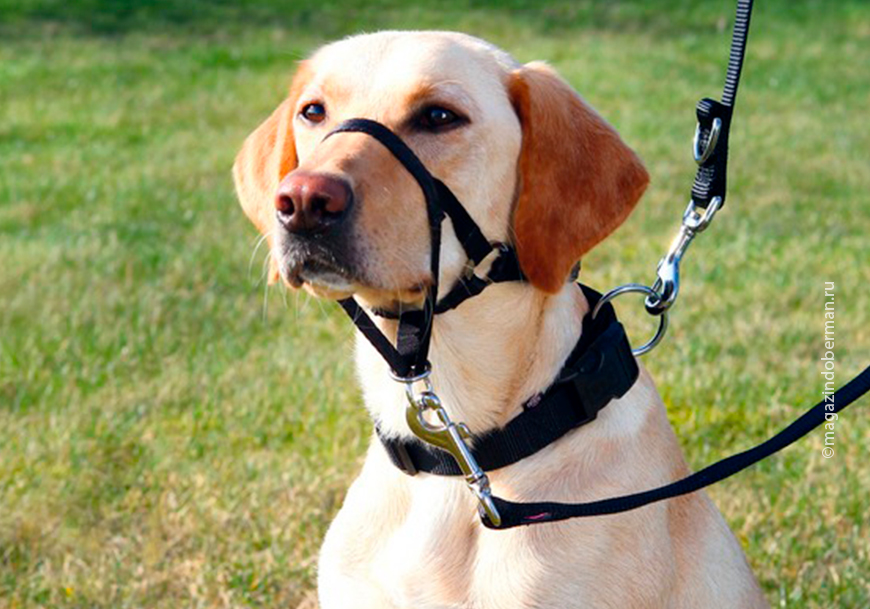
| Nylon | Cone-shaped halter | Average 11-26 kg Small 4-10 kg Dwarf up to 4 kg |
|
| Plastic | Basket, duckling | Large 26-50 kg, Average 11-25 kg Small 4-10 kg |
|
How to train a dog to wear a muzzle?
Many dog owners disapprove of muzzles, claiming that they make dogs uncomfortable and cause them pain. However, a trained dog perceives a muzzle as something worn on the muzzle in the same way as a leash around the neck.
How can you properly train your dog to wear a muzzle without feeling uncomfortable?
- It's best to begin training your dog after teething, no earlier than 5 months. This age is considered optimal for starting obedience training.
- It's best to train an adult dog to wear a muzzle under the guidance of a dog trainer or experienced dog handler. The dog should be healthy, calm, and active.
- In muzzle training, as in any other training, consistency and consistency are essential. It's essential to repeat the same actions regularly and in the same way.
- Training should have only positive associations and end with positive reinforcement.
- The owner must be calm and confident. It's important to use all forms of encouragement—treats, words, and physical contact.

Stages of training a dog to wear a muzzle
- Acquaintance.
The dog should sniff the muzzle and examine it. One or several days are enough to establish the familiarity.
Important! Don't let your pet chew or play with this item. It's not a toy!
- Training.
- Method 1. Take a dog treat, put the muzzle on your dog, and push the treat through the muzzle. Remove it. Repeat several times, saying the command. Each time your dog calmly takes the treat through the mesh, praise it verbally and physically.
- Method 2Place a treat in the center of the muzzle, at the edge. Bring it toward the dog's muzzle. Repeat this process, placing the treat further and further into the muzzle. Each time the dog reacts calmly to the muzzle and eats the treat, praise it.
In both cases, gradually increase the time the dog wears the muzzle. Start with just a few seconds. When the dog no longer fears the muzzle, fasten all the straps and Velcro. Remove it. Reward. This stage can take anywhere from one day to a week, depending on the dog's temperament and the owner's consistency.
- Fastening.
Your dog's first outings with the muzzle on will be short. Increase the time spent wearing the muzzle each day. After a few days, stop removing it. Consider new walking routes: this will keep your dog interested and less likely to notice the muzzle.