Old age in dogs varies depending on the breed, size, and genetics. On average, old age begins at 7 years of age. A dog's metabolism slows, activity decreases, and the animal requires special care.
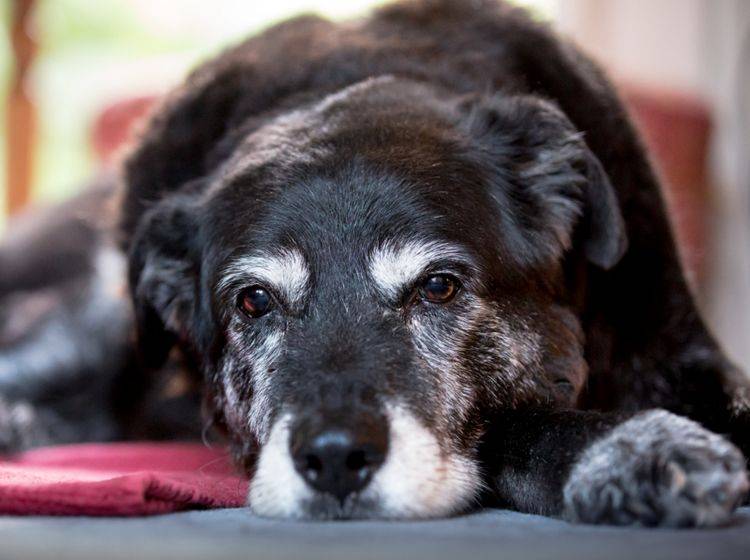
Signs of aging in dogs
Older dogs experience changes in their body and behavior:
- Vision and hearing impairment. Many dogs develop cataracts as they age. As for the ears, hearing loss is a common problem. This can be caused by inflammation or clogged ears, so it's best to consult a veterinarian.
- Joint problems. These manifest as a change in gait. The dog places its paws carefully. To prevent arthritis and paralysis, supportive therapy and a proper regimen are necessary.
- Changes in behavior. The pet may become lethargic or aggressive, and may not respond to commands.
- Development of chronic diseases.
- Decreased activity. Older animals spend more time at rest.
- Decreased immunity.
If your dog's behavior worsens, avoid scolding or punishing them. If health problems arise, take your pet to the veterinarian to prevent further illness and complications.
Feeding an older dog
As dogs age, their metabolism slows and their calorie requirements decrease. Increased protein should be included in their diet. Overfeeding an older pet is important, as this can lead to excess weight gain and gastrointestinal problems such as constipation or diarrhea.
Dog food should be selected based on the animal's age. Commercially prepared foods contain beneficial micronutrients. Vitamin supplements are needed when feeding natural food. A veterinarian can help you choose a diet based on your dog's health and physical characteristics. If necessary, they can prescribe appropriate vitamins or supplements.
Peculiarities of caring for an elderly dog
Older dogs become less active, but they still need exercise. They need to be taken for walks to maintain muscle health, and vigorous play and exercise should be limited. Kidney and gastrointestinal function decline with age. Inadvertent bowel movements are common, so dogs should be taken outside more frequently.
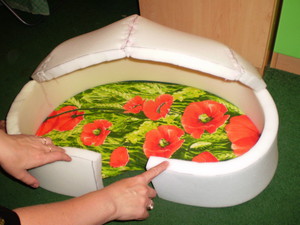
It's best to dress your pet during walks in damp and cold weather to prevent colds. At home, provide a comfortable bed on the floor. As dogs age, jumping onto a chair or sofa can become difficult. There are special orthopedic mats suitable for animals with joint problems.
An older dog should be seen by a veterinarian twice a year. Most illnesses can be prevented or their progression can be halted, preventing complications and prolonging the pet's life.
Dogs need to be bathed more frequently, brushed regularly, and have their nails trimmed. As they age, self-grooming becomes more difficult. To prevent dental problems, brush them regularly and provide dental toys and treats.
Old age is not a death sentence for a dog. Proper care, nutrition, and attention will ensure a long and happy life for your pet, and regular veterinary visits will prevent health problems.