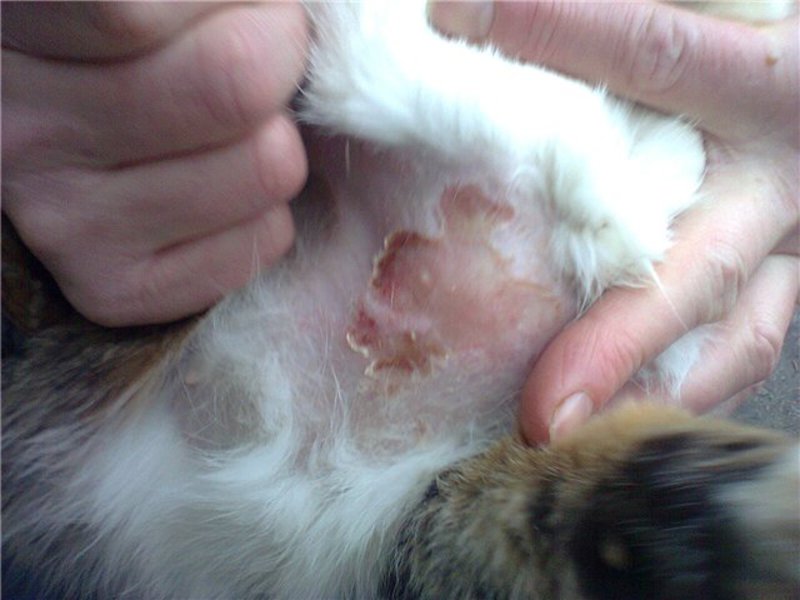
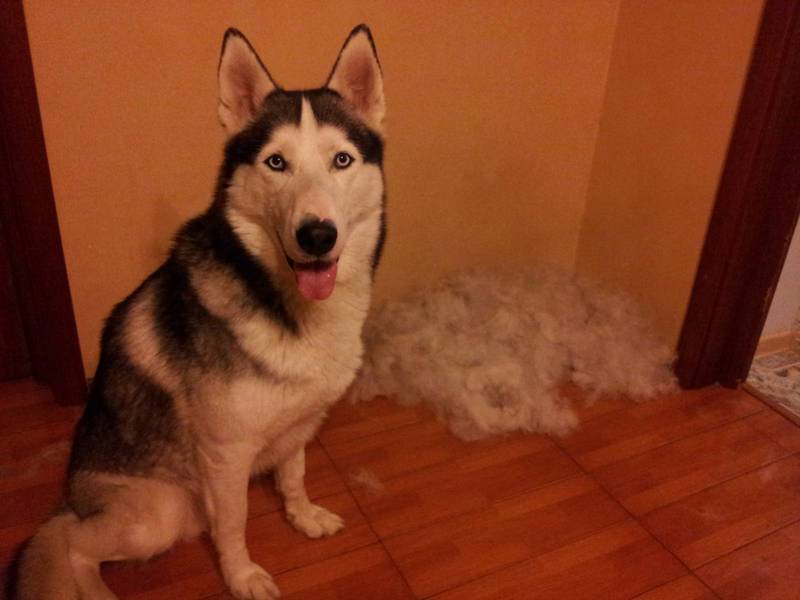
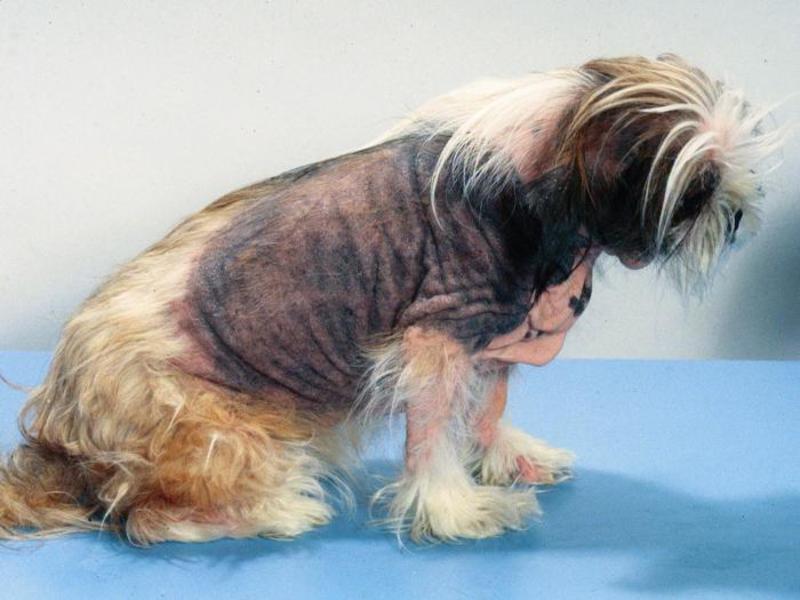
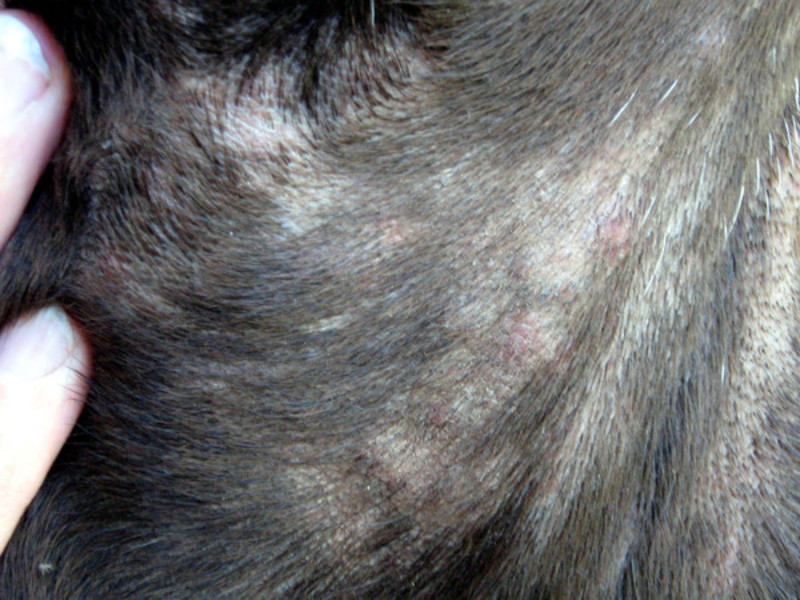
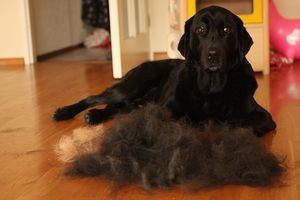
 A dog is not only a devoted friend and guardian, but also a pet that requires constant care and attention. Every dog owner knows that occasional hair loss is simply a sign of seasonal shedding, so there's no need to worry. However, what should you do if your pet starts losing hair before this period begins? This could mean your pet is ill and needs help. A healthy coat should be smooth and shiny; if not, you should immediately contact a veterinarian or have a doctor come to your home.
Content
Why does a dog lose hair? Causes and photos
Has your pet started losing hair? Don't worry right away. The hair loss may be caused by physiological factors.
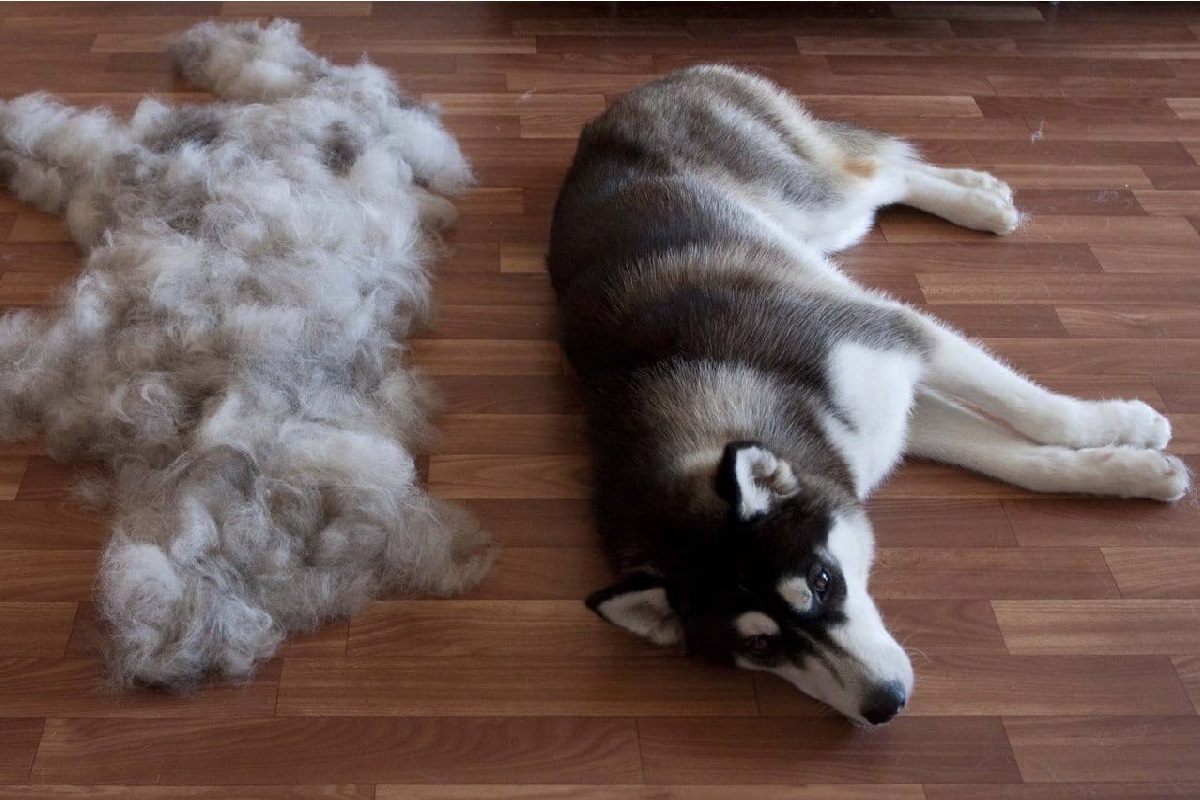
MoltingTypically, this process occurs in dogs no more than twice a year. This is especially noticeable in long-haired breeds. Thinning of the coat is also observed in older animals.
But if hair loss occurs unexpectedly, it's a reason to visit the veterinarian. Some owners try to "help" their pets themselves by using human hair loss medications. However, first and foremost, it's essential to determine the underlying cause of the hair loss, which only a specialist can do. After all, various underlying conditions can be behind the hair loss, and it's crucial to detect them early. Secondly, human medications are completely ineffective on dogs.
Every owner of a four-legged friend should know that the main indicator of an animal’s health is the condition of its coat.
Causes of hair loss and why dogs start scratching themselves
There may be several reasons for hair loss in dogs (other than physiological ones):
 the presence of pathologies and complex diseases;
- incorrectly formulated diet;
- decreased immunity;
- presence of allergic diseases;
- hormonal imbalances;
- improper care;
- lack of vitamins and minerals.
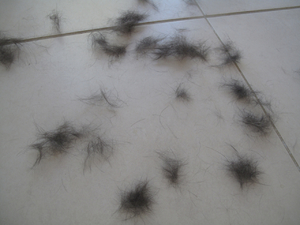 the presence of pathologies and complex diseases;
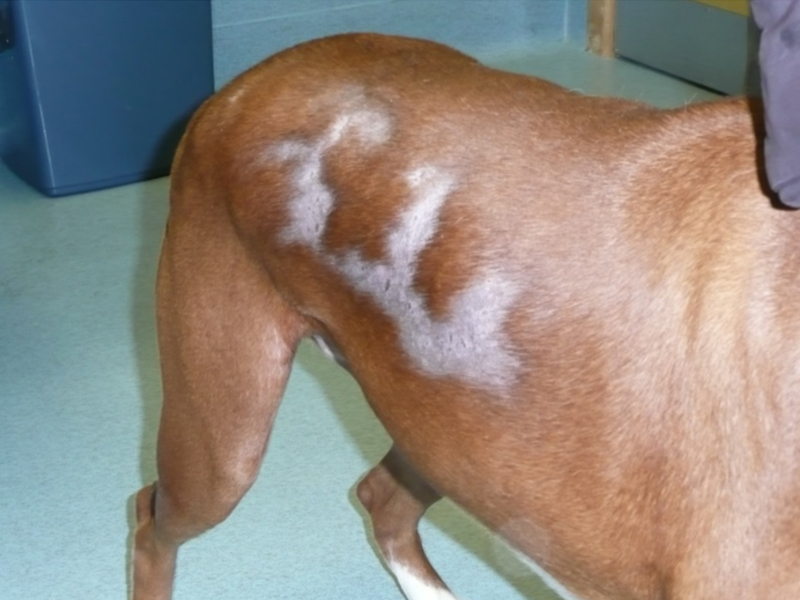
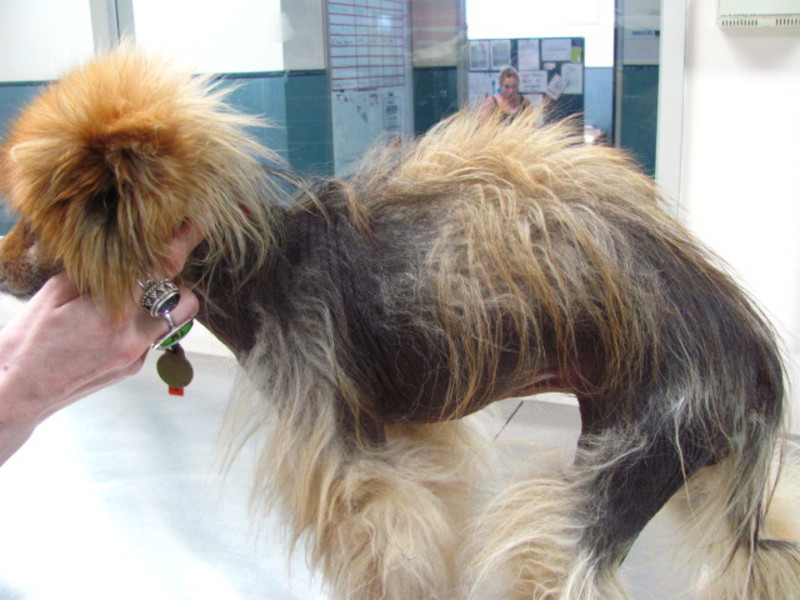
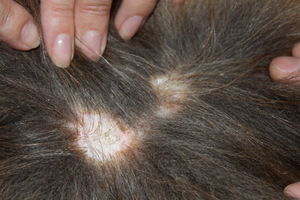
To determine the underlying cause of hair loss, the owner should pay attention to the bald areas: if they are randomly distributed, the cause is non-hormonal; if hair loss is symmetrical, it could indicate hormonal imbalances in the animal's body.
Diseases associated with hormonal imbalance
Hypoestrogenism (estrogen deficiency). This condition most often affects spayed, middle-aged female dogs. With hypoestrogenism, the animal experiences severe hair thinning, initially in the genital area and gradually spreading throughout the body. At the same time, new hair growth slows significantly. Against this background, you may notice the dog's skin becoming very soft and delicate.
Hyperestrogenism (excess estrogen). Dog breeders commonly believe that this condition only affects females, but this is not true: hyperestrogenism can also affect male dogs of various breeds. The condition is characterized by severe hair loss near the genitals, swelling of the foreskin in males, and a sharp enlargement of the vulva in females. All of these changes are caused by hormonal imbalances in the reproductive system.
Hyperadrenocorticism or Cushing's syndrome. This condition is characterized by severe hair loss all over the animal's body. This is caused by an excess of cortisol, one of many hormones. In some cases, hyperadrenocortism can be triggered by the use of certain steroid medications.
In addition to severe hair loss, Cushing's syndrome is characterized by the following clinical signs:
- sagging and swollen belly;
- constant thirst, causing too frequent urination;
- sudden weight gain.
In addition, a relapse of some infectious diseases is possible.
Hypothyroidism The disease is characterized by a severe deficiency of thyroid hormones. The dog's fur becomes brittle and begins to fall out excessively. Additionally, there is sudden weight gain without any apparent cause. The animal becomes lethargic, apathetic, and refuses physical activity. A decrease in the body's immune system is also observed.
Growth hormone deficiencyThis condition typically affects male dogs during puberty. The following breeds are most commonly affected:
- Dutch Wolfspitz;
- bitter oranges;
- Airedale Terriers;
- boxers;
- poodles;
- Chow Chow.
 Dutch Wolfspitz;
Non-hormonal factors influencing hair loss
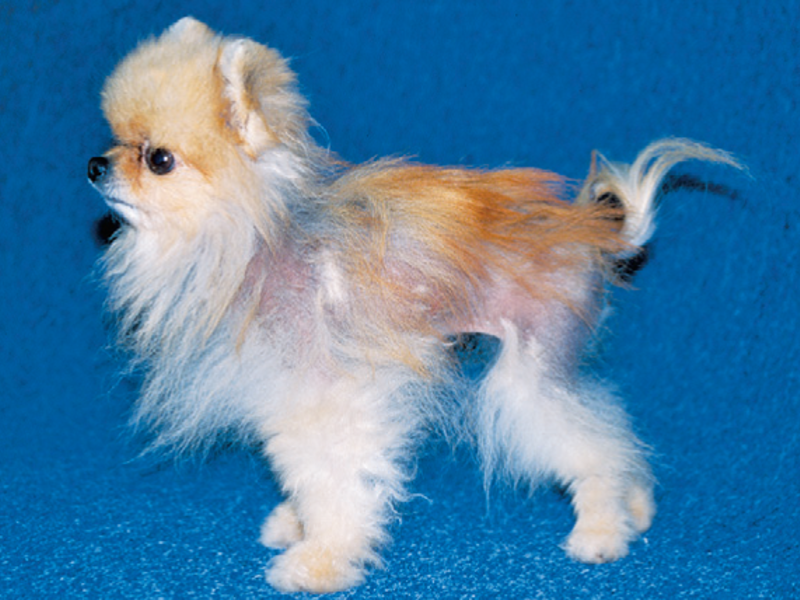
Age-related or seasonal moltingEvery dog owner knows this reason for hair loss. The extent of shedding typically depends on the pet's breed and coat type. Some breeds are characterized by excessive hair loss during shedding season. For example, the Pomeranian, which loses a huge amount of hair and develops light-colored bald spots. This condition is normal and shouldn't cause any concern for the owner. However, to avoid skin problems, it's important to provide proper grooming and brush your pet frequently during this period.
In females, molting can be not only seasonal but also time-specific, such as immediately after birth or during the estrous cycle.
Severe stress Excessive hair loss in dogs can also be caused by a change of owner, a move to a new apartment, a visit to the veterinarian, etc.
Dog owners should be careful when choosing cosmetics, which can also trigger unplanned shedding.
Acanthosis nigricans This condition is characterized by active hair loss on the ears and armpits. Affected areas become greasy and begin to emit a strong, unpleasant odor. Predisposition to acanthosis nigricans also depends on the pet's breed. Dachshunds are most often affected.
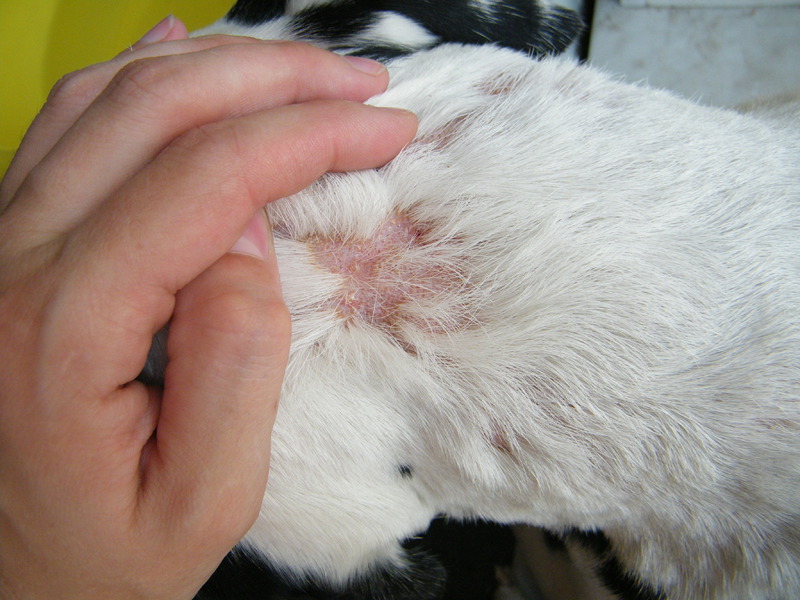
Allergy (Food and non-food). Pet owners believe that allergic reactions in dogs are rare. However, experience shows this is far from true. Food allergies can be triggered by introducing new, previously unexposed foods into the diet. Even small amounts of these can cause bald spots, itching, and rashes. Furthermore, under certain circumstances, even familiar foods can trigger an allergic reaction. An inadequate response can result in atopic (allergic) dermatitis. Non-food allergies are caused by certain substances and components in the environment, as well as cosmetics.
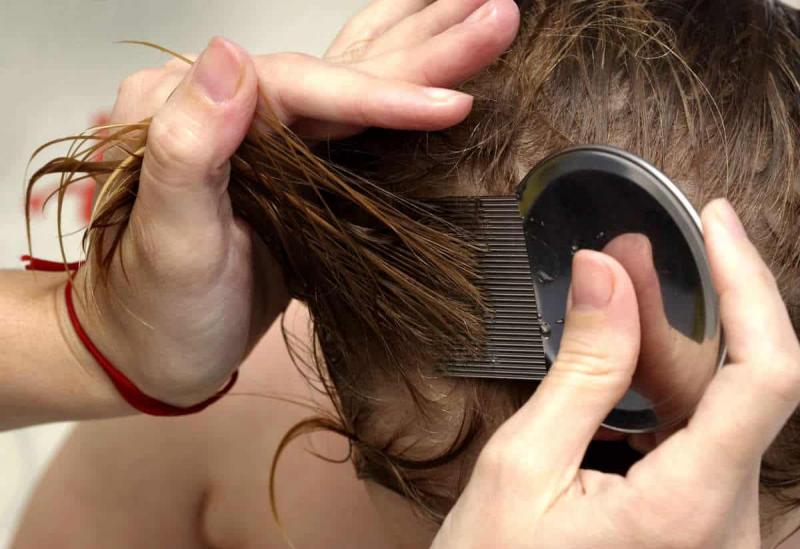
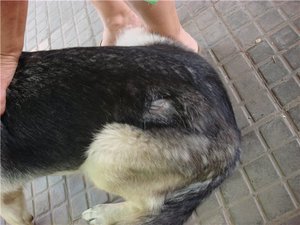
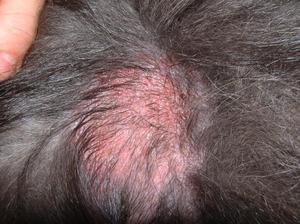 ParasitesTicks, fleas, lice, and even worms can also cause hair loss. Since scabies (sarcoptic mange and demodicosis) are caused by mites, this disease is parasitic. Demodicosis most often affects young and middle-aged animals. Therefore, puppies experiencing uncontrollable hair loss are first checked for this disease. The main symptom is severe itching. The mite can infect dogs of any breed, but bull terriers and shar-peis, as well as animals with weakened immune systems, are more susceptible to demodicosis.
As for the location of affected skin areas, they typically occur on the dog's abdomen, hind legs, eyelids, and lips. Bald patches can be up to several centimeters in diameter. If the itching and hair loss are ignored for a long period of time, the number of bald patches can increase dramatically, and the affected areas themselves can also expand.
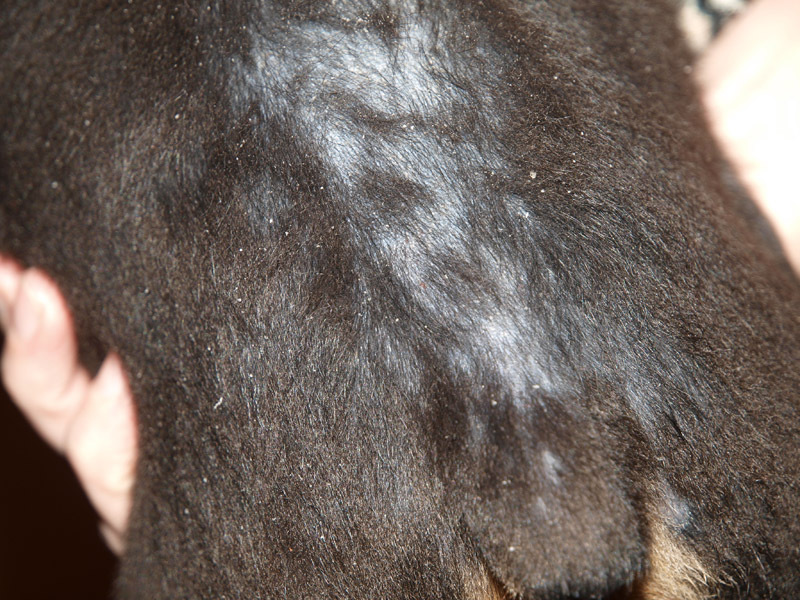
Color mutation alopeciaThis condition most often affects Dobermans, hence its other name, Blue Doberman Syndrome. It is characterized by severe hair loss all over the animal's body. The dog's coat appears moth-eaten, and numerous papules and pustules form on the skin.
Bacterial skin infectionsMost often, pyoderma occurs due to a pet's weakened immune system.
Fungal (yeast) infectionsThese diseases often cause hair loss. Ringworm is particularly dangerous, affecting not only pets' fur but also easily spreading to humans. These infections primarily affect areas with increased moisture (skin folds, armpits). Breeds most susceptible to ringworm include bulldogs, shar-peis, and all types of dogs with numerous skin folds. Additional symptoms of a fungal infection include an unpleasant, repulsive odor emanating from the affected areas, as well as increased oiliness of the skin.
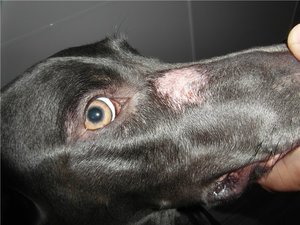
 Solar dermatitisBald spots are usually localized on the dog's face. This condition most often affects animals with poorly pigmented skin in the nasal area. In addition to causing hair loss, solar dermatitis is also dangerous because it can lead to a wide range of autoimmune problems and skin ulcers.
Seborrhea — better known as dandruff. It can be a secondary condition and can also cause hair loss.
Severe zinc deficiencyArctic and northern breeds are most often affected by this condition. Zinc deficiency causes increased hardness of the skin. In some cases, scaly skin may form, as well as cracks in the dog's paw pads.
Sebaceous adenitisThe main symptom of the disease is bald patches, symmetrically distributed on the pet's neck, back, head, and face. Poodles are more susceptible to this condition than other breeds. Adenitis can lead to infection of the hair follicles.
VitiligoThe disease causes hair loss due to decreased skin pigmentation. Rottweilers and Belgian terriers are the breeds most susceptible to this condition.
If any of the above diseases are detected, you must immediately contact a veterinary clinic, where a doctor will examine your pet and determine the next course of treatment.
Treatment
 In addition to medications, your veterinarian may prescribe the following vitamins:
- vitamin D (fish oil);
- zinc chelate;
- amino acids;
- B vitamins.
All these drugs are part of a special vitamin complex.
In any case, if you're faced with the problem of your pet's hair loss, don't panic. Timely assistance, along with modern detection techniques, will restore your handsome pet's locks, curls, and ringlets, and he'll continue to delight you with his beautiful coat.