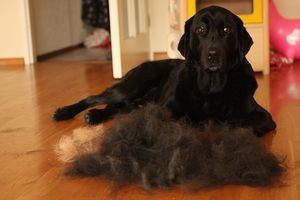
Dog owners have long been accustomed to their dogs' seasonal shedding in the fall and spring. This is due to changing weather conditions: their coats change from thick to lighter and vice versa. But what if your dog suddenly starts shedding out of the blue, especially out of season? This could be a sign of something wrong with your dog, and it should be addressed immediately.
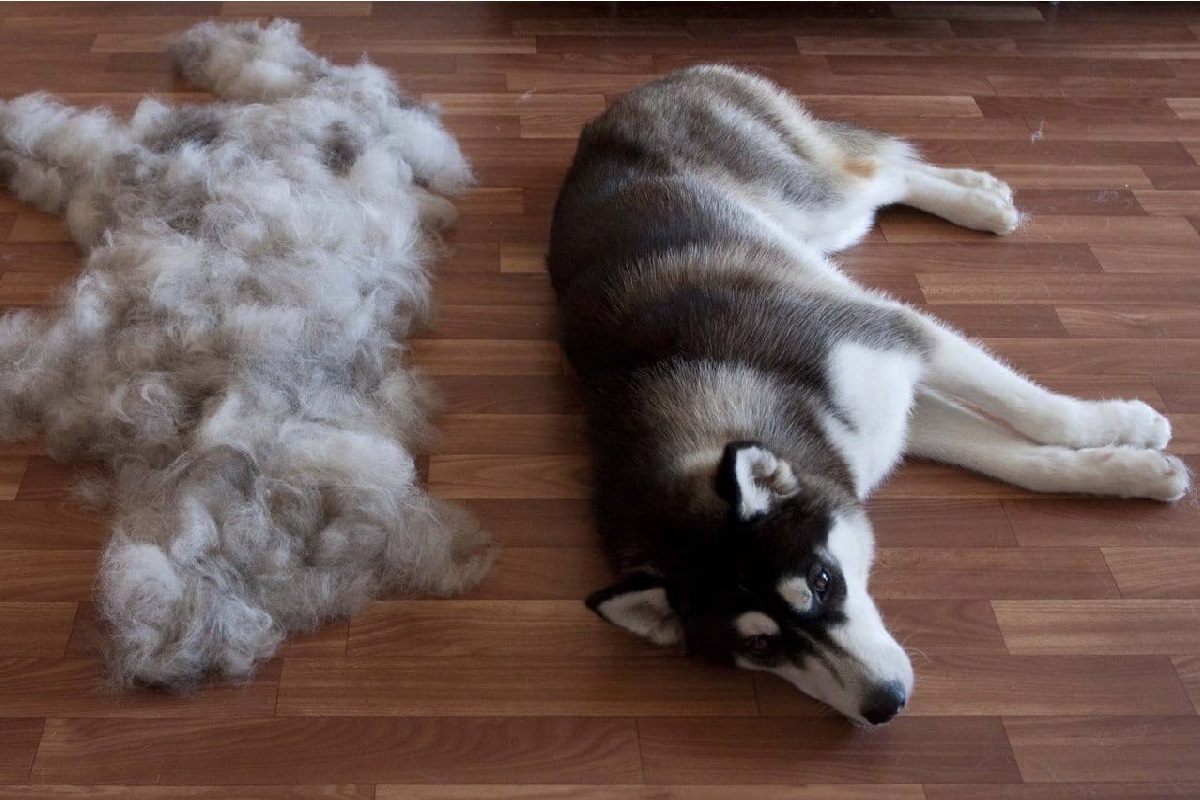
Hormonal imbalance
If you notice your dog's hair loss is limited to certain areas, it's likely a hormonal imbalance. Common hormonal disorders in dogs include:
- Thyroid pathology, or hypothyroidism, is a condition that only affects overweight and elderly dogs. Along with hair loss, you may notice a deterioration in coat quality, skin hyperpigmentation, and a slow pulse. This condition is treated with a course of synthetic hormones used to treat the thyroid gland.
- Pituitary dwarfism. This condition is quite rare. It results from a severe deficiency of growth hormone. Symptoms include hair loss on the back and abdomen. Additionally, the animal stops growing by 3-4 months. Treatment involves hormonal supplementation.
- Cushing's syndrome. This condition causes hair loss anywhere on a dog's body. The pet also experiences increased thirst, urination, and behavioral problems. The skin also suffers, becoming inflamed and cracked. The dog becomes inactive, constantly lying down, and eats very little.
- Hyperestrogenism. As the name suggests, this condition is characterized by an excess of estrogen. This condition doesn't necessarily affect only female dogs; males are also susceptible. In addition to hair loss on the sides and abdomen, other symptoms of hyperestrogenism include swelling of the vulva and nipples in females, testicular swelling in males, rough skin, and increased earwax production.
- Hypoestrogenism (insufficient estrogen production). It can only occur in female dogs with a history of gynecological problems. Symptoms include hair loss in the groin area and thinning skin. This condition can be treated with estrogen injections.
Stress
Dogs are very sensitive and affectionate animals, which means they often experience stress. This can be caused by:
- moving
- change or death of the owner
- the appearance of a new pet in the house
- strong fright
- recently suffered illness.
Severe stress can cause a dog to become overly agitated or, conversely, lie idle. Frequent howling or urinary and fecal incontinence are also symptoms of stress. The dog may begin to behave very strangely, may start eating non-food items, or become aggressive toward everyone around it. It's worth noting that dogs under stress often eat very little, or become nauseated by food, and may refuse to play, even their favorite games. Stress is treated with sedatives.
Allergy
Allergies occur not only in humans but also in dogs. These can be reactions to food, cosmetics, dust, paint odor, and a host of other irritants. Allergies can also cause clumps of hair loss in pets. Other allergy symptoms include:
- rash all over the body
- itching
- problems with stool
- lacrimation
- scratches from constant scratching.
Once the cause of the allergy is determined, the dog may be prescribed antibiotics, antihistamines, and glucocorticosteroids. If the dog has scratches on its body due to constant itching, a healing ointment should be applied.
Fungal diseases
In case of fungal disease in dogs you can notice:
- peeling and inflammation of the skin
- festering wounds
- deterioration of wool quality
- hair loss in large quantities.
If you notice these symptoms in your pet, it's likely a fungal infection, such as ringworm, microsporia, or trichophytosis. These infections can be treated with antibacterial medications and special vaccinations that help the dog fight the pathogen. Incidentally, puppies under one year of age are more susceptible to the disease than adults.
Dog owners often perceive hair loss as harmless and completely normal. However, it's important to pay close attention to your beloved pet and, at the slightest sign of additional symptoms, immediately contact your veterinarian.