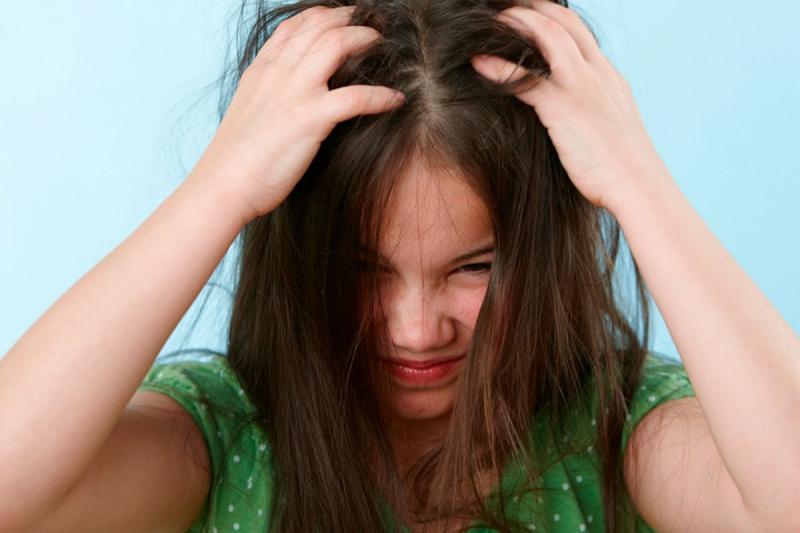
From ancient times to the present day, humanity has suffered and continues to suffer from such tiny insects as lice. While the proliferation of these "pets" during the cave age is understandable (at least due to a basic lack of hygiene), their continued prevalence in the 21st century, despite all the benefits of civilization, can only indicate one thing: these parasites, while small, are extremely resilient. Therefore, the question of how to combat them remains relevant to this day.
Content
The advantages and disadvantages of fighting lice and nits with folk remedies
Today, there are many different methods for removing lice. These methods can be divided into three categories: chemical, mechanical, and folk remedies. We'll discuss the latter now. But before we describe the various recipes, let's look at the advantages and disadvantages of folk remedies.
So, the undoubted advantages of grandma’s recipes are:
- minimum side effects, since most methods use only natural products: berries, decoctions, salt, oils, etc.;
- compatibility, thanks to which it is possible to use several methods of removing these parasites at the same time;
- the availability of methods, since most of the necessary ingredients are available in every home or can be easily found at an affordable price.
To be fair, it is necessary to mention the existing shortcomings of folk methods of lice removal:
- The time required for complete parasite removal is, unfortunately, longer than with chemical treatments, so patience is required.
- Consistency. Using traditional recipes requires repeated procedures to achieve the desired result.
Recipes for getting rid of pediculosis using folk remedies
Let's look at several treatment options for this condition. We'll try to understand the effectiveness and safety of traditional remedies.
Recipes based on natural oils
Applying various oils to the skin affected by lice and nits cuts off oxygen, which in turn kills the parasites. Furthermore, the rich, intense aroma of essential oils repels insects. If you add lemon juice or vinegar to them, it will have a detrimental effect on the nits, as the resulting acidic environment destroys their shell and makes it easier to remove from the hair. In addition, essential oils have a beneficial effect on the beauty of hair and nourish the skin.
There are many recipes for treating lice using this remedy. Before preparing the necessary mixture, it's necessary to select a base oil, preferably one with a light texture so as not to clog pores. These include:
- apricot;
- peanut;
- grape;
- jojoba;
- hemp;
- almond;
- peach.
Some carrier oils are suitable for fighting head lice on their own:
- olive;
- burdock;
- coconut.
The most universal recipe is the following:
- Take a base oil.
- Add essential oil in a 2:1 ratio. The total volume of the mixture should be enough to apply to the scalp and the entire length of the hair.
- Apply the resulting mixture to the scalp using a cotton swab.
- After this, distribute the mixture over the entire length of the hair.
- Place a plastic bag or cap over your head. This is necessary to create an oxygen-starved environment.
- Leave everything for 1.5–2 hours.
- Remove the cap and thoroughly comb all hair with a fine-tooth comb, removing insects and nits.
- After all the manipulations, wash your hair with shampoo, to which you can add a few drops of tea tree oil, which will enhance the effect of the mask.
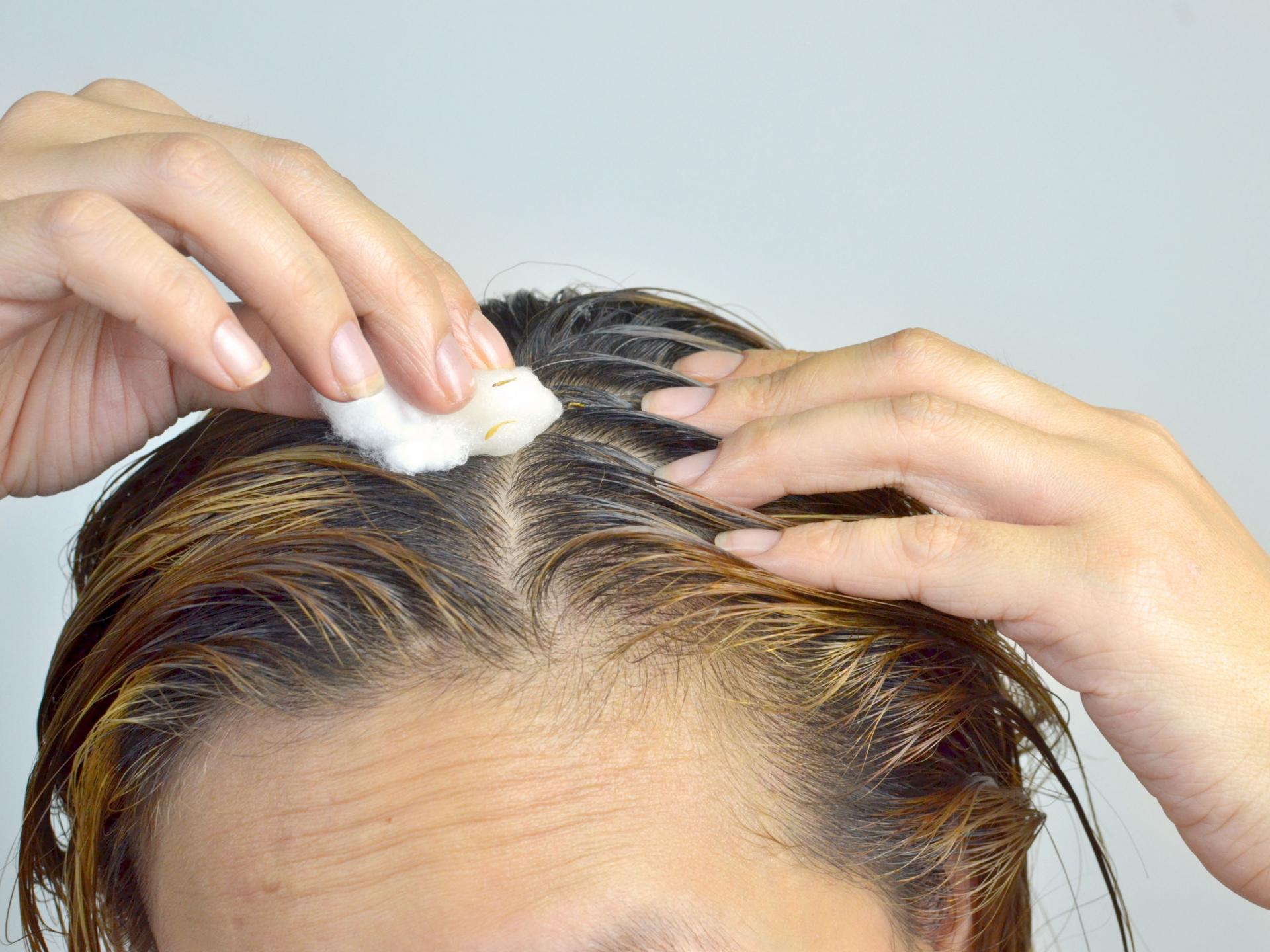
Essential oil is one of the most harmless remedies for getting rid of lice.
Important to know: This method is ineffective as a standalone treatment and should be used as an adjunct to the main method of removing lice and nits.
The aroma of the oils repels parasites, so if you apply it to the temples and back of the head (necessarily with a base oil), it will help prevent head lice infestations during epidemics, for example, in schools or kindergartens.
It's important to remember that any concentrate can cause an allergic reaction. Before using this method, conduct a sensitivity test. To do this, apply the resulting mixture to the inside of your elbow and leave it on for 2-3 hours. If no redness, irritation, or itching occurs, you can proceed with the instructions above. For children under 12 years of age, it is better to use only those oils that do not require dilution. In any case, buy them only in pharmacies and read the instructions before use.
Reviews on the use of essential oils to solve the problem
I know anise oil is a good thing, but you can't get enough of it, especially for long hair. It's not really practical.
So, I bought some tea tree oil and added a few drops to all my shampoos (just in case): adult and baby. I mixed it up. The smell is an acquired taste, but we all washed our hair with these shampoos. We didn't actually get infected.
Apply a drop of rosemary oil behind your child's ears and to the back of their neck—it really does repel lice. Add rosemary oil to shampoo.
Essential oils alone won't get rid of lice. They shouldn't be used as a standalone or sole treatment. It's better to use them as a preventative measure.
Getting rid of lice with laundry soap
The alkali contained in laundry soap has a detrimental effect on parasites, while relieving itching and discomfort in those suffering from pediculosis.
To ensure that laundry soap helps get rid of lice, you need to:
- Apply generously to damp hair, paying special attention to the roots. It's best to use a soap with the highest percentage of fatty acids—72%.
- After application, wrap your head with cling film or a plastic cap.
- Cover the top with a towel.
- After 30-40 minutes, rinse your hair thoroughly with water and then comb through with a fine-tooth comb. This procedure should be repeated 3-4 times a week, but combing out lice with a fine-tooth comb should be done at least twice a day.
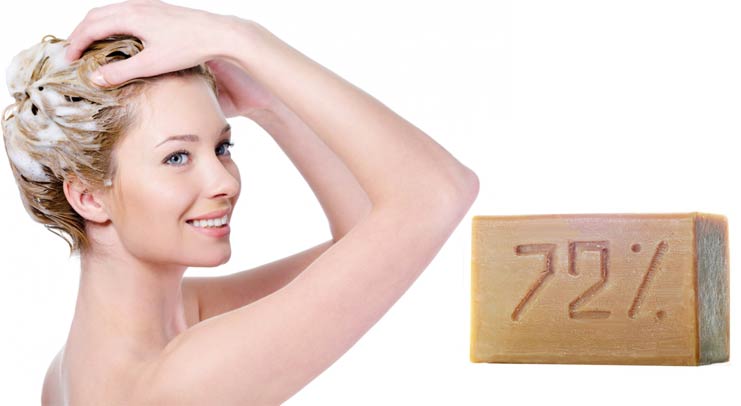
Don't forget that laundry soap dries out your scalp.
Laundry soap, like the previous remedies, is not 100% effective in the fight against pediculosis. But it is an excellent assistant in solving related problems: it soothes itching, dries and disinfects small wounds, and soothes the skin. The alkali in this soap damages the protective shell of nits and the chitinous covering of lice.
Frequent use of this product can cause the following problems: changes in the pH balance, allergies due to essential oils and other fragrances added to the soap, and the destruction of the skin's natural microflora. Therefore, daily use of laundry soap is not recommended.
Reviews on using laundry soap to solve the problem
Laundry soap won't help against lice. It's better to buy a proper lice treatment at the pharmacy.
Before shampoos, we used to wash our hair with laundry soap, but that didn't get rid of lice. A special product is better.
Found it? Shampoo your head. Wash. Dry. Comb. Shampoo again for 10-15 minutes. Dry again, then comb. The lice were alive, but now they're dead. The adults are gone. We remove the nits... In the evening, shampoo again twice, drying in a warm place (no hair dryer) and combing in between (trying to remove as many nits as possible). Then apply oil again. And so on for a week. If possible, about nine days. This is how our grandmothers got rid of lice, only instead of shampoo they used laundry soap (which, by the way, enhances the effect).
Laundry soap is a safe but not very effective remedy for fighting head lice. It is better to use it after the main treatment instead of shampoo to soothe the skin and relieve itching.
Getting rid of lice with turpentine
Turpentine has long been known as a remedy for many ailments, including lice. Turpentine-based ointment is a relatively inexpensive treatment for pediculosis.
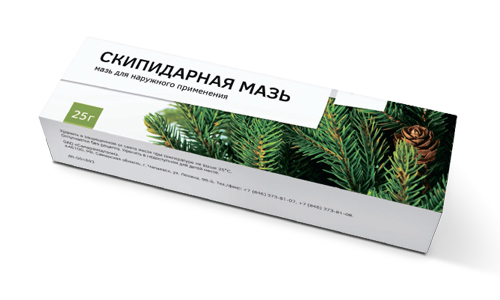
Turpentine ointment is an undeservedly forgotten, but effective remedy for fighting pediculosis.
The procedure for getting rid of lice using turpentine ointment is as follows:
- Massage into scalp and hair. The amount of product used will vary depending on the length and thickness of your hair.
- You need to put a plastic bag or film on your head.
- Wrap in a towel and leave for 2 hours.
- Comb the strands thoroughly with a fine-toothed comb to remove all nits.
- Rinse your hair thoroughly. Repeat the procedure after a few days.
This product has one significant drawback: it is difficult to rinse off and leaves an unpleasant odor. After treating pediculosis with turpentine ointment, the hair should be thoroughly washed with shampoo twice with the addition of any aromatic essential oil.
Do not use if pregnant or in children. Before use, be sure to read the instructions included with the ointment; they contain comprehensive information.
Reviews on the use of turpentine ointment to solve the problem
I smeared it with turpentine ointment, covered it with a towel for two hours, and all the lice died (and there were tons of them). The nits were still alive, but they came off easily.
Neither chemicals nor folk remedies (turpentine ointment) helped in the fight against lice. I ordered a comb.
There's a tried and true remedy—turpentine ointment! The directions don't mention anything about removing lice, but it's a proven method! And it costs pennies! My mom used to treat us when we were kids, and a year ago, my daughter brought it home from school, and we were cured right away!
...I found a tip to use turpentine ointment. I used about a tube and a half for each head... And the nits come off very easily; apparently the ointment softens them... That's how I got rid of lice from three long-haired nymphs in one go. Cheap, easy, and effective.
Turpentine ointment can be used in the treatment of pediculosis. This product is non-toxic, and therefore the method is safe, but it is worth remembering about individual intolerance.
Lemon Juice Recipe for Head Lice Treatment
Lemon is a versatile remedy for treating illnesses, whitening skin, and caring for hair and nails. It's no surprise that this fruit can also help get rid of head lice. Lemon juice is best used as a complementary remedy in the fight against parasites.
So, to get rid of head lice:
- Take three lemons.
- Cut them into slices.
- Fill with one liter of water.
- Boil for 15 minutes.
- Apply along the entire length of hair.
- Lemon can be used in conjunction with other lice treatments. To do this, rinse your hair with the resulting infusion after washing your hair and following all other treatments.
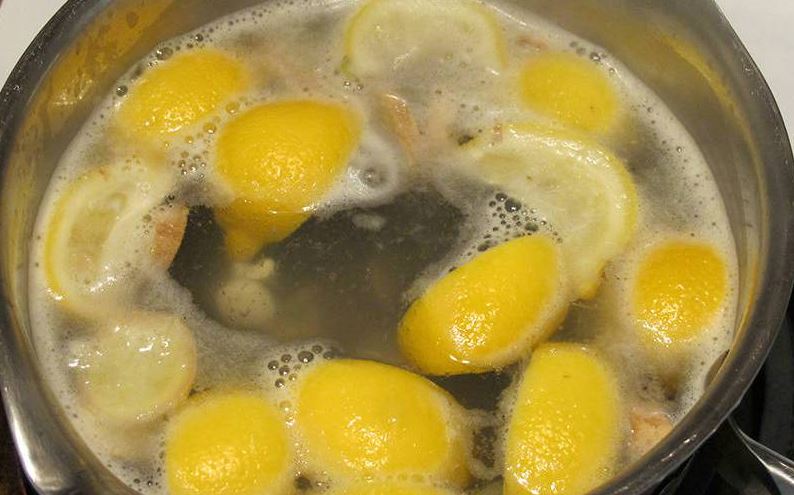
Lemon infusion simply and easily removes nits at home and is used as an additional method of treating the disease.
It's important to remember that lemon juice contains a high amount of acid. Therefore, this remedy is not completely safe. Large amounts of citric acid corrode the skin, and if it gets into scratches and cracks, which are inevitable with lice, it will cause a severe burning sensation.
Keep in mind that the patient may be allergic to lemon or citrus fruits. In this case, this method should not be used. Lemon juice is not recommended for children under 12 years of age, as their skin is more delicate and sensitive.
Feedback on using lemon juice to solve the problem
Lemon juice is effective against nits. After removing the insects, apply it to your hair and cover it with a plastic bag (like a cap) for half an hour. Repeat this several times if necessary.
And this hair mask: lemon juice breaks down the nits' adhesive, and they fall off the hair... Then I combed through it with a fine-tooth comb and that's it, I didn't find any more nits or lice, either living or dead.
... lemon juice softens the egg shell, and this is also not a cure, but a palliative.
Lemon alone won't be very effective against lice, but it will definitely help kill nits. Therefore, like many other folk remedies, citric acid should be used as an additional method for treating pediculosis, for example, by rinsing your hair with it.
Using henna to remove nits
The chemical composition of henna softens the sticky substance that holds nits to the hair, making them easier to remove.
To get rid of lice you need to:
- Boil water.
- Take a glass bowl and pour henna into it.
- Pour boiling water over the powder until you get a mass resembling thick sour cream.
- Leave the mixture to cool for 10 minutes.
- Add natural ground coffee (non-granulated) to henna in a 1:1 ratio.
- Cover your shoulders with an old towel or other cloth to avoid staining your clothes.
- Apply the mixture to strands of hair, starting from the roots and working along their entire length. It's best to use a sponge or hair brush.
- Leave for 20–30 minutes.
- Take a fine comb and comb through all your hair.
- Remove nits.
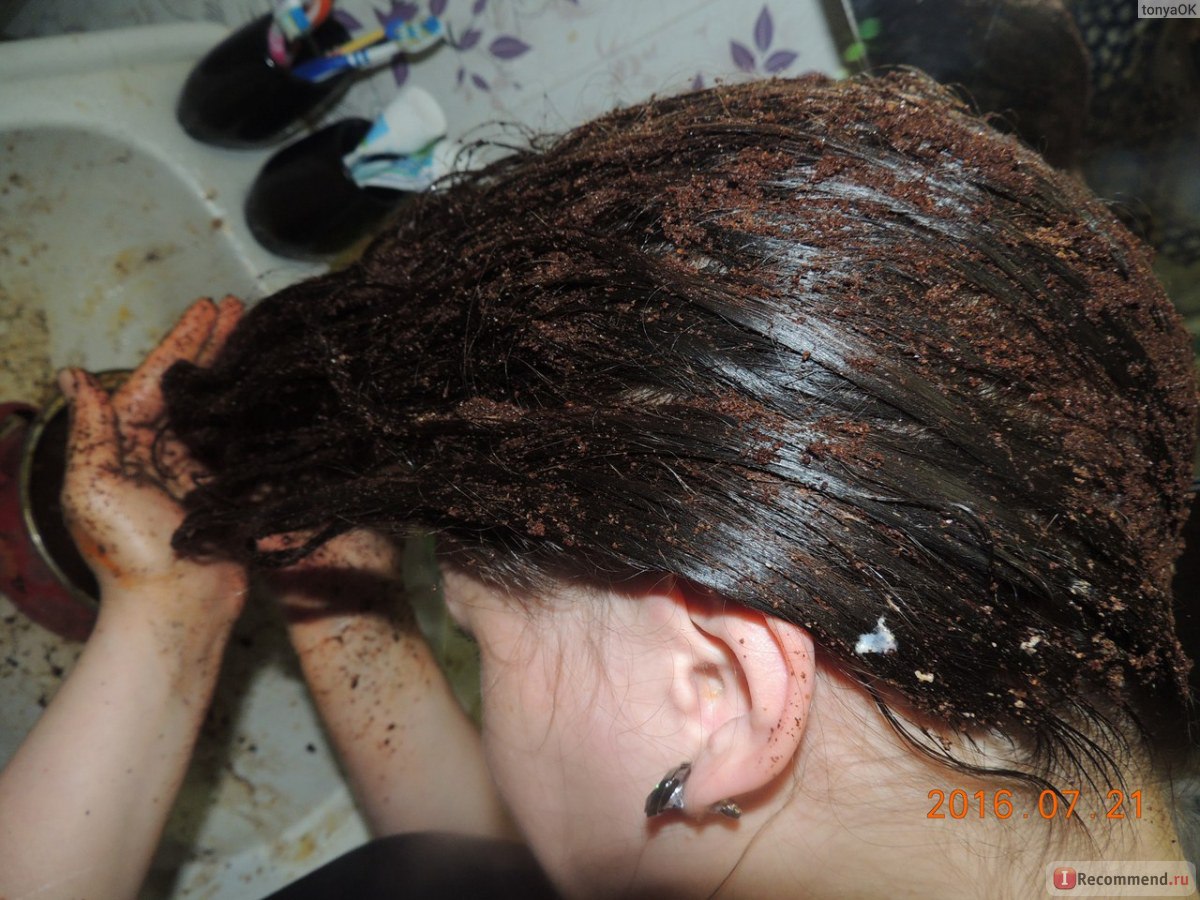
Henna is more often used to get rid of nits rather than the lice themselves.
This method isn't 100% effective. Since the nits are firmly attached, they're difficult to remove.
It's important to remember. Henna dyes your hair, which isn't ideal for everyone. However, if you were planning to dye your hair anyway and just happened to get lice, you can combine the cosmetic procedure with a treatment, at least to reduce the number of nits.
If you have light-colored hair, the coloring results may be unpredictable, so don't experiment. Henna is considered safe, but individual intolerances should be taken into account.
Reviews on the use of henna to solve the problem
Mix henna and ground coffee 1:1. Then apply the mixture to your hair, starting from the roots and working along the entire length. Now, take a comb or fine-toothed comb and begin combing. The trick is that after the acid has exposed the nits, they don't stick very well to the hair, and the clumps formed by the henna and coffee remove the nits. The result wasn't 100% successful, but the number of nits has significantly decreased.
My mom dyed my hair with henna when I was 5 years old and the lice were gone 🙂
No! This is complete nonsense! Lice are such nasty things that many lice treatments don't work, and this one's just henna... (I know firsthand; unfortunately, my job involves fighting them.)
As reviews show, the results of using henna are mixed. This remedy can be considered ineffective in the fight against lice.
Treatment of pediculosis with kerosene
Kerosene has been used for a long time to get rid of lice. It's quite aggressive, so caution is required when using it.
- Before use, the substance must be diluted with vegetable oil in a ratio of 1:10.
- Apply the resulting mixture to the scalp and distribute along the entire length of the hair.
- Put on a plastic cap.
- Wrap with a towel or scarf to keep warm.
- After two hours, wash your hair with shampoo.
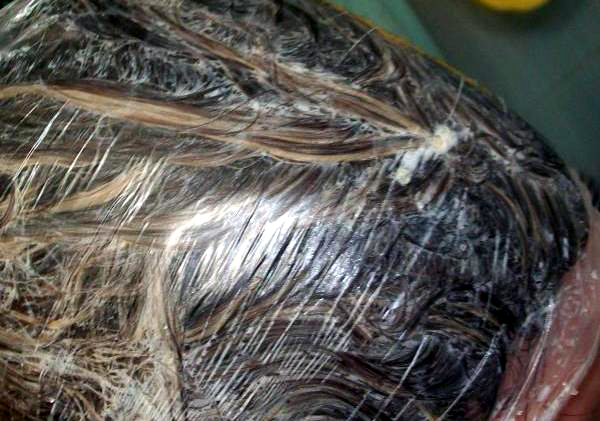
Kerosene remains one of the most popular methods for removing lice.
Kerosene leaves an unpleasant odor and damages hair, so it's best to add a couple drops of any aromatic essential oil to your hair wash. Choose one that's commonly used for treating lice.
It's important to remember. Kerosene is flammable and should be used away from sources of ignition. Do not use kerosene on children under 12 years of age, as their skin is still very delicate and more susceptible to burns. Pregnant women should also avoid using it, as there is no data on the potential effects on the fetus.
Kerosene is indeed effective in combating nits and lice. However, it should be used only in extreme cases, when no other treatments are available and none are readily available. This method is very damaging to the hair, but that's only half the problem. Pediculosis is accompanied by itching, which leads to skin damage, small cracks, and wounds. If kerosene comes into contact with damaged areas of the skin, it causes a burning sensation and pain. However, the majority of online reviews are about kerosene. Opinions range from positive to extremely negative. The debate is not about its effectiveness, but about its safety.
Reviews on using kerosene to solve the problem
Kerosene them, kerosene! (c) I'm serious, by the way. Back in my early childhood, my mom used to make me a "hair mask" with a 1:1 mixture of kerosene and vegetable oil. The first time was enough, but to be on the safe side, Mom did another preventative treatment and slightly changed the proportions in favor of kerosene. I remember it like it was yesterday—sitting in front of the TV and peeling off bits of skin from my ears. But at least we saved my long hair, and it lasted until the school doctor had to check it out.
For the second month now, I've been washing myself and my older children with all the pharmacy ointments and sprays, and the only thing left to do is treat them all with KEROSENE!!! Once, when I was about 12, my mother saved my long hair with it, and on the very first use!
When I was a child, they used two methods to get rid of it - the quickest way is to smear your head with kerosene, all the evil spirits die in one go, but washing it off takes a long time and is unpleasant, and then you stink of it to no end.
I had lice in the 7th grade, and so did another classmate. My mom washed my hair with kerosene, we called an ambulance, it burned all the skin on my scalp.
Using kerosene is an effective but dangerous method. It's better to turn to other methods rather than risk your health.
Vinegar to get rid of lice
A word of caution: pure vinegar is dangerous to your health! Especially the essence. Be careful! To use it safely as a lice remover, you need to dilute this acid with ordinary water. Before using the vinegar solution, apply a small amount to the inside of your elbow and observe your skin's reaction. If there are no signs of irritation or discomfort within 10 minutes, proceed with the procedure without fear.
It's important to ensure respiratory safety. To ensure this, the procedure should be performed in a well-ventilated area or outdoors (if it's warmer). You can get rid of lice with vinegar as follows:
- Prepare the room. Open a window or vent to ensure adequate ventilation. If it's warm outside, perform the procedure outdoors.
- Prepare the solution. The proportions are as follows: dilute the essence (70% or higher) 1:16, table vinegar (9%) 1:2, and apple cider vinegar 1:1. A concentration of 4–5% acetic acid is safe for the skin.
- Dip a comb in the vinegar solution and comb through your hair strand by strand, periodically dipping the comb in the mixture. You can also use a sponge. It's important to touch your scalp as little as possible. Focus on your hair.
- Wrap your head in cling film or put on a plastic cap and tie a warm scarf over it. It's important to not only create an oxygen-free environment, but also raise the temperature under the film above 36°C. oC.
- Keep the bandage on your head for at least an hour, or longer if you don’t feel any discomfort.
- Immediately after removing it, thoroughly comb your head with a fine comb to remove all nits.
- Then wash your hair or rinse thoroughly. Repeat this procedure for 2-3 days until the lice are completely gone.
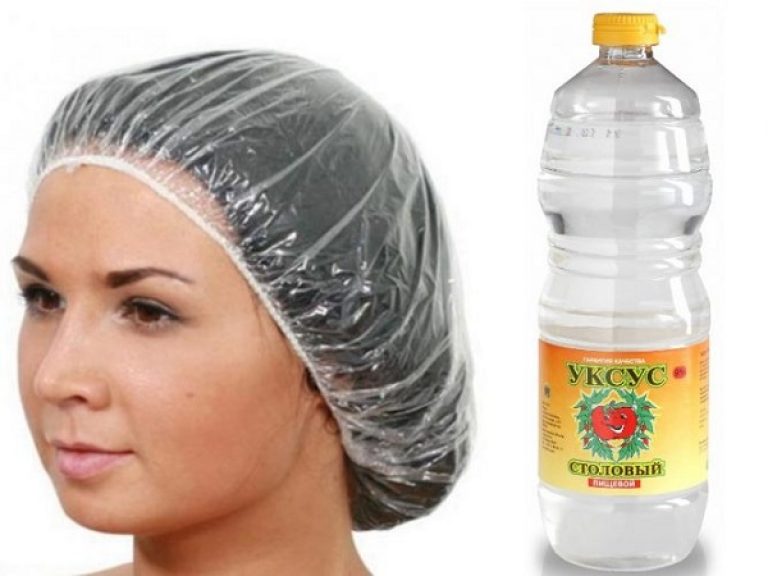
Vinegar must be used diluted to treat head lice.
Vinegar gets rid of adult lice and is quite effective against nits, as it corrodes the protective shell of the eggs and softens the adhesive that attaches the parasites to the hair. By breaking down the adhesive, the acid makes nits easier to comb out. It should be used with extreme caution and always diluted with water. It is important to remember that vinegar causes a strong, even unbearable burning sensation if there are scratches or wounds on the skin surface.
There is a risk of chemical burns. Vinegar pores are dangerous to the eyes, so do not use on young children (under 5 years) to avoid irritation of the mucous membranes of the eyes. Individual intolerance to the components of the liquid may cause an allergic reaction. Before using the method, test the prepared solution on the bend of your elbow.
Reviews on using vinegar to solve the problem
I brought it home after swimming in the quarry when I was a child. I combed it every day and rinsed it with water and vinegar. It was okay, everything died, and I didn't have to trim the long hair. But you have to comb it with a VERY fine comb.
Nadezhda, thank you so much! I did as you said. I soaked my hair and scalp in vinegar. She screamed that the smell was terrible and that it stung her eyes, but I made her wait 20 minutes. Then I washed her hair several times with shampoo and spent an hour combing her hair. A lot of dead lice and *** came out. The next day, I examined her hair and it seemed to be fine, but maybe because of the vinegar, it became shiny and silky.
As a child, I got rid of lice by smearing vinegar on my hair, then putting a bag on it for a while, combing out the nits, and then trimming my hair to make the process easier. I don't know where they got the recipe from. But I do remember that after removing the bag, the lice stuck to it showed no signs of life.
I'm telling you how to remove all the nits for free. My daughter had some in elementary school once, she brought them back from camp. Take any vinegar, I used apple cider vinegar, apply it to your washed hair after using the treatment. Give it a little boost, and all the nits will be gone on a fine-toothed comb. I found the recipe online myself.
I had lice when I was a child, my mother used to kill them with vinegar. Vinegar on gauze and in a bag on my head, they all suffocated there.
Vinegar can be used as a remedy for head lice, but caution must be exercised.
Recipe using cranberry juice
This method involves using large quantities of cranberry juice, so you need to stock up on enough berries. The pulp remaining after squeezing the juice can be boiled and the resulting decoction taken internally to strengthen the immune system, which will also contribute to a speedy cure for pediculosis.
To get rid of lice using cranberries you need to:
- Take a couple of handfuls of northern berries and carefully squeeze out all the juice (it’s better to grind everything in a blender).
- The resulting drink should be rubbed into the scalp until the hair roots are moisturized.
- Put on a plastic cap or cling film.
- Place a thin headdress or tie a scarf on top.
- You need to wait until your hair is completely dry. This will take a long time, so it's best to do the procedure at night.
- In the morning, thoroughly comb your head with a special comb and remove the nits.
The course of treatment is one week.
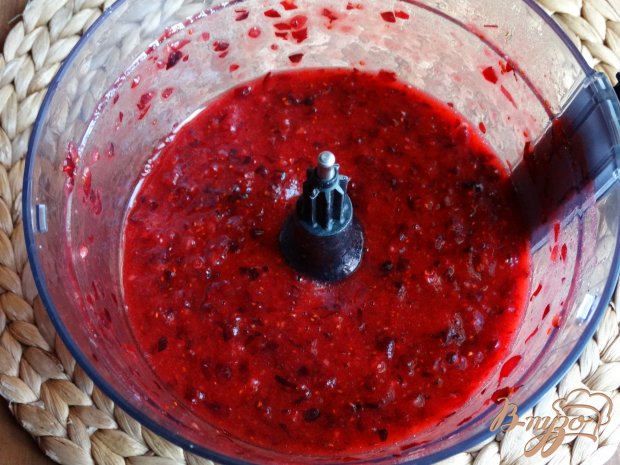
Cranberry is one of the oldest and most effective remedies against pediculosis.
Cranberry juice is best used in the early stages of an infestation, as it contains acid that penetrates into small wounds and scratches. Unfortunately, these are bound to develop due to itching within a day or two of the lice's appearance. It is the acid that corrodes the nits' chitinous covering and kills the mature lice.
Cranberry is a non-toxic berry, but individual intolerance to the chemical components of the plant may occur. Do not use this product if you have an allergy.
Reviews on using cranberries to solve the problem
I know there's a recipe with cranberry juice. It's the safest and best remedy for lice. Take some cranberries, squeeze the juice through cheesecloth, and rub it thoroughly into your hair and tie it up. Both lice and *** will die. This is a proven remedy.
Using cranberry juice kills the nits and washes them out of your hair easily. I didn't remove the bag three times, though. I also blended the cranberries, which was easier. Cons: my bleached hair was dyed, but not for long; and the bathtub darkened in places (it wasn't new, so there were some rough spots, so they darkened). I used masks twice during the treatment and still had to remove the nits by hand.
We had the exact same problem. I was looking for a safe remedy because my child had a lot of moles on his head. Believe it or not, cranberry helped us. It turns out it's a folk remedy for lice ))). When I tried it myself, I didn't believe it would work, but the results are simply amazing.
I crushed some cranberries and applied the mixture thickly to my hair, then covered my head with a plastic bag, then a towel, and left it like that for about 40 minutes or a little more. To consolidate the results, I also dyed my hair with ammonia-free hair dye (especially since I needed to). All of this combined produced positive results.
Cranberries can be used to combat lice and nits. While not 100% effective, they are still quite effective. In addition, cranberry juice is a source of vitamins for hair, so it will be beneficial for your hair.
Getting rid of lice with vodka or alcohol
This method requires dexterity and speed. Since alcohol vapor evaporates almost instantly, you'll need an assistant. It's best to use pure alcohol, but if you don't have one, vodka will do. When working with alcohol solutions, breathing becomes difficult, so you need to have an extended tube or wear a mask. It is the inability to breathe in an environment with abundant alcohol vapors that helps destroy lice and get rid of pediculosis.
To get rid of lice using alcohol or vodka, you need to:
- Ensure free access of air to the room or go outside (if it is a warm season).
- Wear a mask or use a mouthpiece to breathe safely.
- Soak a cotton pad in vodka and apply quickly to your hair in the amount needed to thoroughly moisturize all strands, paying special attention to the roots.
- Then quickly put on a plastic cap or cling film.
- Tie a scarf or towel tightly on top to prevent the alcohol from evaporating.
- Leave the compress on for half an hour.
- After 30 minutes, remove the bandage, be sure to thoroughly comb the hair with a fine comb to remove the nits.
- Wash your hair.
Take precautions when using a vodka compress
This method can be dangerous, first of all, for the respiratory organs. This product should only be used by adults, provided they observe the following precautions: ensure safe breathing, avoid using pure alcohol to avoid burns, and perform the procedure in a well-ventilated area or outdoors. Alcohol pores irritate the mucous membranes of the eyes, so do not use on children (under 5 years of age).
Reviews on using vodka to solve the problem
So, two months later, when I was completely exhausted, I read somewhere about a method that actually worked. I poured a generous amount of vodka over my hair, pulled a plastic bag over it, and sat there for half an hour. Then I rinsed it all out. I repeated the process five days later. And it was all gone. Good luck!
Put on a bag or disposable cap, and a towel on top. Try a vodka compress. We actually got rid of the cancer with Greek vodka! 🙂 But after a month of combing and buying all sorts of products, I even scoured the internet for folk remedies! This method really worked.
Apply alcohol (vodka) to your head and wrap it in plastic and a towel. Leave it on for about half an hour and then wash it off with shampoo. Repeat after 3 days.
It's better to apply vodka, put a bag on your head for 10 minutes, and then wash your hair. I did the same for my daughter, it doesn't sting or hurt and doesn't damage her hair, and all the lice die after one application. I then applied it again a week later as a preventative measure and that's it.
The vodka recipe is effective against both adult lice and nits. However, caution is essential.
Getting rid of lice with mayonnaise
As with oils and alcohol, this recipe gets rid of lice by suffocating the insects.
To get rid of lice using mayonnaise, do the following:
- Apply generously to your scalp.
- Distribute the product along the entire length of the hair.
- Put a rubber cap or cling film on top, and then a scarf.
- Leave it overnight. The oxygen-free environment you create will kill all the lice.
- In the morning, comb your hair thoroughly with a comb.
- Wash your hair and then be sure to remove all nits.
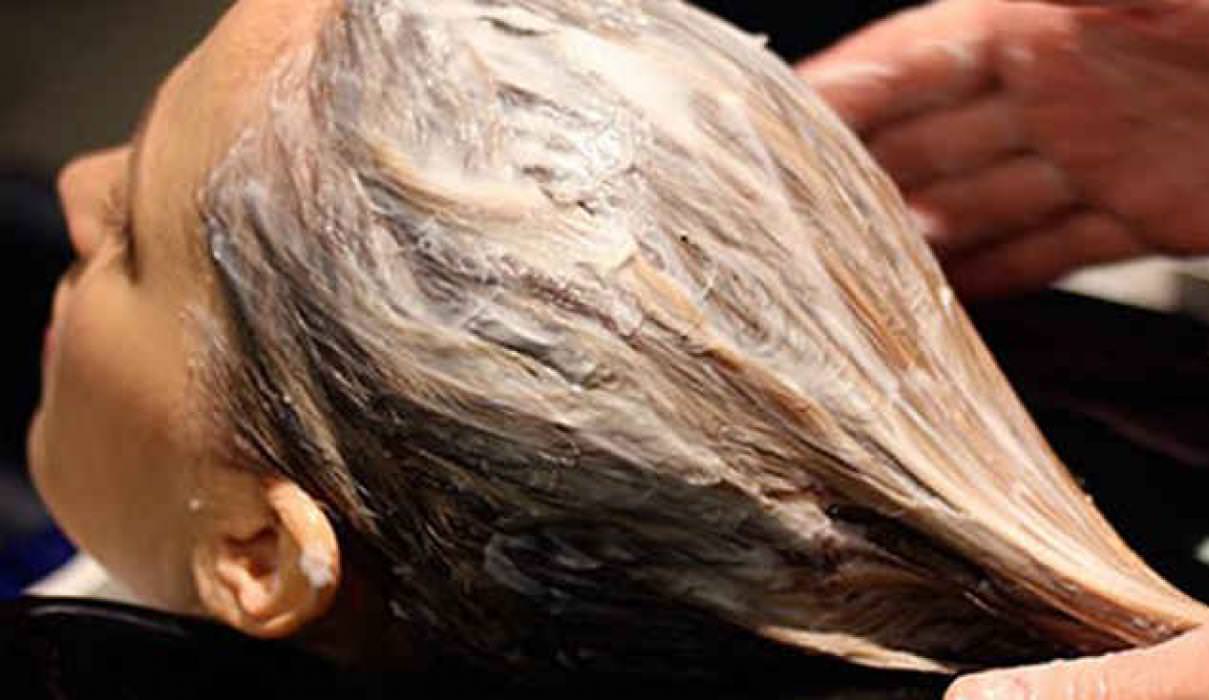
A remedy made from mayonnaise sauce can be safely used to treat adults and children.
Mayonnaise contains acid (acetic or citric), which destroys nits, and it also contains oils and fats, which impede air access, resulting in the death of the lice. This product is harmless and safe for hair and skin. There are no contraindications for children or pregnant women. Do not use mayonnaise if it contains ingredients that cause allergies.
Reviews on using mayonnaise to solve the problem
And how they die in an acidic environment! Before they were treated with mayonnaise, they cracked, but after they were treated, they were all dry and didn't burst! I've tried it many times; my kids often bring them home from school and kindergarten. I've had enough of these bastards to know what to use to get rid of them.
Rub your head with mayonnaise, then put on a plastic cap and wrap it with something else, and sleep like that. The idea is that all the lice will suffocate, then you comb them out. The main thing is that this mayonnaise turns out to be like a hair mask :), my daughters' hair has become simply amazing, just like they show in the commercials :)
Cover your hair with grease and mayonnaise or a similar substance. Theoretically, this will suffocate the lice and nits, although there is no scientific evidence that this method works.
Which of these methods are suitable for children?
Children's skin and the body as a whole are more sensitive to the aggressive effects of various acids and other substances. Therefore, it is necessary to remember that Not every folk remedy for fighting head lice is applicable to a child.
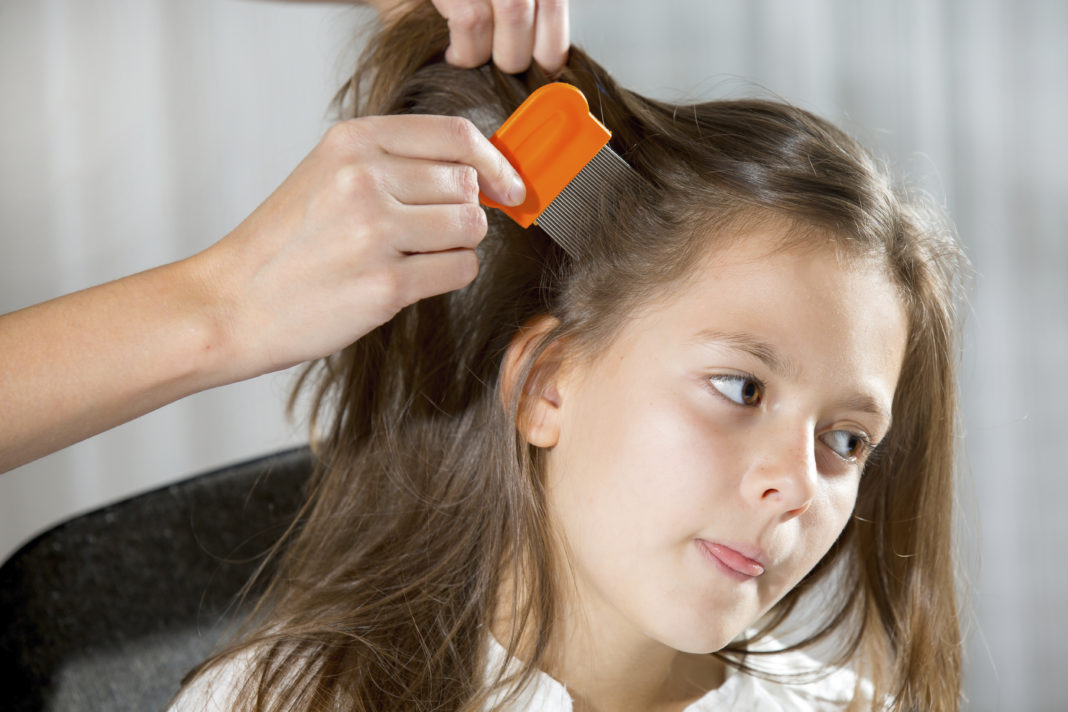
Even though childhood pediculosis is one of those diseases that you want to rid your child of as soon as possible, you should not use any treatment method thoughtlessly.
If your child has contracted parasites, you can use the following methods: natural oils, laundry soap, mayonnaise, cranberries, and lemon juice (for children 12 and older, test on the child's elbow). Use vinegar and vodka with caution (but not for children under 5).
Pure alcohol, turpentine, and kerosene should not be used on children. These methods would be too aggressive for children's skin and also dangerous for breathing.
Video: Treating head lice in children at home
Precautionary measures
None of the above recipes are 100% safe or reliable. Each person's body is unique: what works for one person may lead to completely unpredictable results for another. Therefore, before using any folk remedy, always perform a sensitivity test on the inner elbow to rule out an allergic reaction.
If lice are causing severe itching and the scalp is irritated, damaged, or has even small wounds, acid-based treatments should be postponed until the scalp has completely healed. In such cases, it's best to begin treatment with essential oils or mayonnaise.
In any case, before resorting to folk or medical remedies to get rid of pediculosis, you should consult a doctor.
Anyone can contract lice, as unfortunately there is no vaccine against this problem. Children are particularly susceptible. Some believe that lice are more common in people with weakened immune systems. However, almost everyone has encountered these parasites at least once in their life. Therefore, we all face the dilemma of how to remove lice and nits. Whether to purchase medical treatments or resort to folk remedies is your choice. We wish you good health!
 Tanya
Tanya  Marina
  Caroline
3 comments