Every homeowner has encountered mice at least once. Unpleasant odors and spoiled food can be a real nuisance. A variety of pest control methods allow for quick and effective control. The key is to avoid harming yourself and your pets. Poisoning rodents with various poisons has proven effective. Its main advantages are its ease of use and effectiveness.
Content
Types of poison for mice
The developments of previous generations and modern industry can and should be combined. Moreover, folk remedies are no less effective than store-bought ones. Chemical poisons are widely available on store shelves. Before purchasing a product, you should familiarize yourself with its mode of action. Better yet, learn about all the different types of products and choose the right one. They come in different forms and modes of action. Based on their composition, poisons are divided into two groups: organic and inorganic. The former act quickly in small doses, while the latter contain metals and require larger doses for faster action.
Depending on the type of reaction to the pest's body, poisons are divided into the following groups:
- Affecting the digestive organs.
- Affecting the circulatory system (thinning the blood, causing bleeding and hemorrhages).
- Affecting bone tissue.
- Affecting the respiratory system.
- Substances that, when accumulated, cause poisoning.
- Affecting the nervous system.
- Mummifying agents. These are distinguished by the fact that after death, the mouse mummifies, which prevents the development of an unpleasant odor.
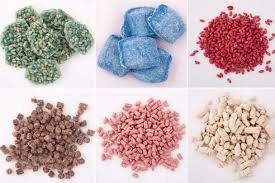
There are organic and inorganic poisons. The former last longer but are less harmful to the environment.
The release form may also vary:
- Aerosols and creams are used to treat surfaces where mice move.
- Gels.
- Liquid. It is used to treat foods that rodents will eat.
- Granules. They are mixed into mouse food.
- Ready-made products in tablets or briquettes that do not need to be mixed into food.
Review of chemical preparations
An anticoagulant is a substance often used in poison production. Its effect doesn't occur immediately, but rather over several days, preventing other mice in the population from understanding the cause of death. Poisons are produced with first- and second-generation anticoagulants. The former accumulate in the rodent's body longer, so death doesn't occur immediately. The following medications have proven effective:
- "Alt" (grain, wax, and dough-cheese briquettes), "Hunter Anti-Rodent" (dough-cheese briquettes), "Rat Death No. 1," and "Nutcracker" (granules). All of these products contain the active ingredient brodifacoum, an anticoagulant. It causes suffocation, bleeding, and hemorrhaging. These products work by enticing the pest to seek a way out of the house and die there.
- "Tsunami", "Efa", "Clean House" are drugs containing bromadiolone.
- "Storm" and "Goliath" (briquettes) contain the active ingredient flocoumafen. It has a cumulative effect. Poisoned rodents are mummified.
- Inta-Vir is a next-generation product. A single package contains four different types of bait. The product's components mummify the victim. A bitter substance is added to the formula, preventing pets from ingesting the poison.
- "Ratindan" is a diphenacin-based product. It's highly effective and equally toxic, so you must vacate the premises during treatment.
- "Down with Uninvited Guests" contains a complex of active ingredients (bromine paste, rattidion, and brodirate). Easy to use, includes gloves and bait houses.
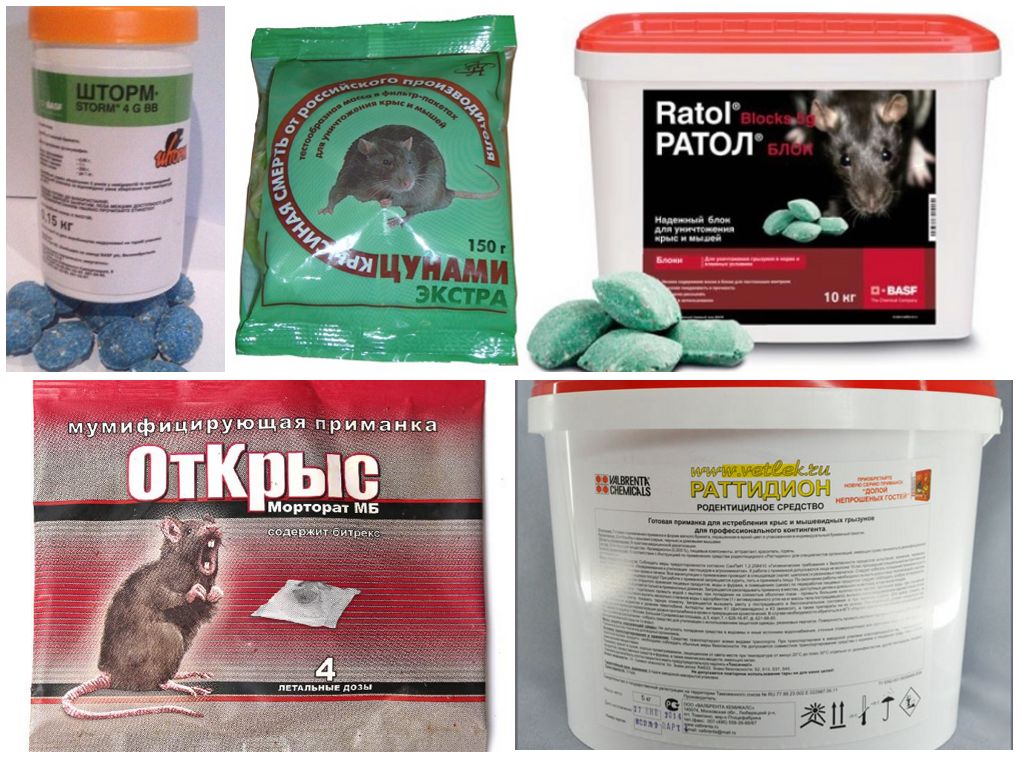
Products affect rodents' organs in different ways. A suffocating component is often added. There are also products that mummify the victim. This helps prevent unpleasant odors in the home.
Important! Avoid sealing cracks in baseboards during treatment, as this will allow pests to escape. Also, regularly inspect the room for dead insects and promptly remove them to prevent unpleasant odors in the home.
All of these agents belong to the organic group. There is also another, inorganic group, whose poisons contain substances such as phosphide, arsenide, metal compounds, thallium, and lead salts. These poisons act harshly and quickly. However, they are highly toxic and hazardous to the environment. These substances are currently used only in the most severe cases.
Folk remedies
You can start your fight against mice with homemade poisons. They're completely harmless yet quite effective. Here are several effective rodent poison recipes:
- Mix the plaster with milk. Once ingested by a mouse, the mixture will thicken, killing the rodent.
- Make a dry mixture of flour and plaster of Paris (gypsum). Place water nearby. After feeding on the mixture, the pest will wash it down with water, and the plaster of Paris (gypsum) will harden.
- Mix lime and sugar 1:1.
- Crush the cork and mix it with flour or grain. This mixture will swell in the mouse's stomach, killing it.
- Mix 50 g of flour, 100 g of sugar, and 150 g of baking soda. The baking soda reacts with digestive juices to release gas. Mice that ingest the poison die from increased gas production.
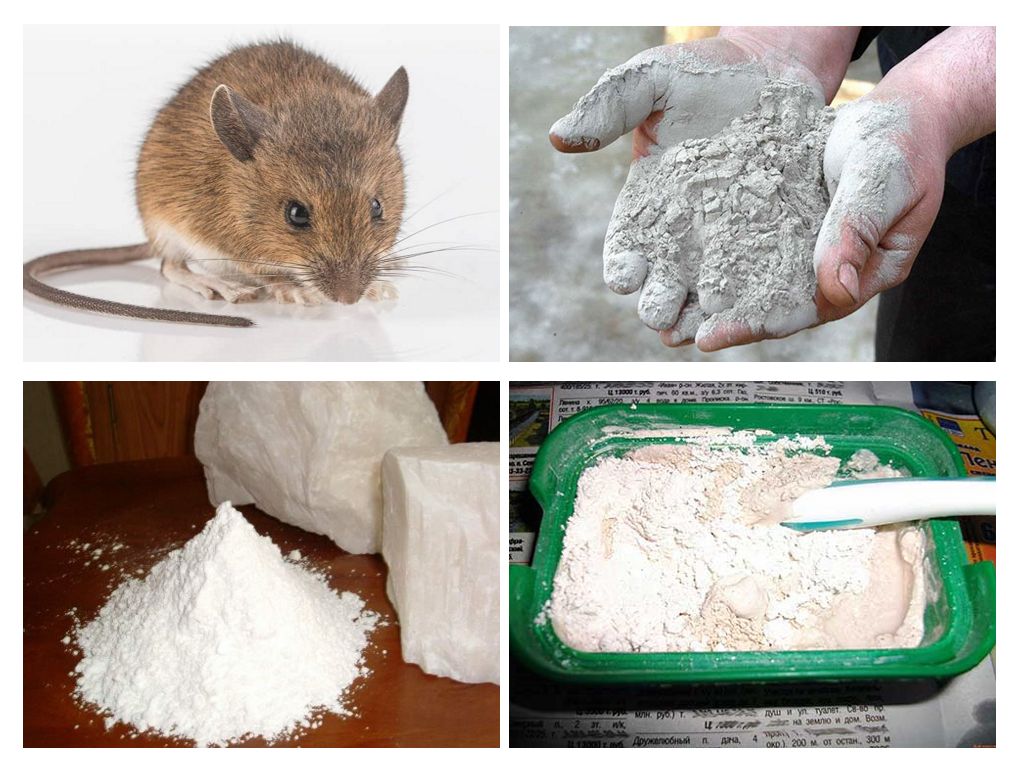
Homemade poison is no less effective and safer. However, using it requires patience.
Interestingly, rodents have a significant digestive system deficiency—they don't vomit or burp. This is precisely the basis for the action of some homemade poisons.
How to choose the right poison for mice
To ensure effective and safe rodent control for your household, consider the following when purchasing a rodent control product:
- It's preferable for the seller to have experience using the products themselves, including those they sell. Therefore, it's better to buy poison in the private sector rather than in the city, where people buy poison based on the principle "more expensive means better."
- Poisoned grains retain their properties longer in an open environment, while granules and briquettes dry out, and mice lose interest in them.
- The packaging indicates whether the poison is safe for pets. Many medications are completely uninteresting to cats and dogs. However, safety precautions should be taken to keep the poison out of the pet's sight.
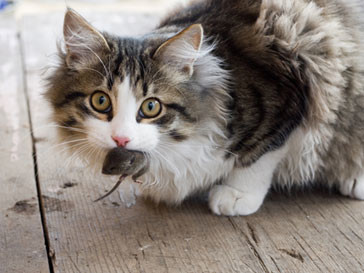
A poisoned mouse should not be eaten by a pet. Therefore, it is important to promptly remove the dead rodents.
No poison is completely safe for pets. They cause varying degrees of harm. Anticoagulant-based medications, for example, significantly affect the circulatory system of dogs and cats. However, many poisons contain a bitter component that discourages the animal from eating the poison.
Make sure rodents have no access to water (for example, from a dripping faucet) during treatment, as they often turn to water when they feel ill. To ensure maximum protection for yourself and your pets from the poison, you can place the poison in special boxes that are out of reach of the animal but accessible to mice.
Reviews
This is the third time I've purchased the "Rat Death No. 1" rodenticide. The bait package includes all the basic instructions for use and safety precautions, and even includes an antidote, in case of an emergency...
The bait's effectiveness lies in the fact that I manage to kill the entire population in the house within a week, and then we live mouse-free for several weeks, like white people, until new ones arrive. For example, four months had passed since the last baiting, and the mice returned.
STORM: Rodents that eat the bait die within 7-8 days, which means they don't have time to send an alarm signal to the nest, so the others also run to feast on the bait. After death, the rat or mouse mummifies. The most important thing is that this product really helped us. We stopped seeing any rats. But for me, there are downsides, and they're indispensable. The downsides, in my opinion: - The product is very effective. And very toxic. Therefore, if you have children or pets, you need to be EXTREMELY careful, as the consequences can be very serious. This is written on the can itself. - Due to its toxicity, you must only handle it with gloves and be very careful. Under no circumstances should you touch anything other than the product while handling it!!! Not food, not any other objects, including phones, etc.!!! These are the downsides I see, the downside of effectiveness...
Inta-Vir Mummifying Grain Bait for Rats and Mice is an excellent rodent food that doesn't harm pets. This food is the only one that saved us. We had a rodent infestation in our house, and I bought this excellent food. Surprisingly, within a couple of days the house was quiet, and the rodents were all gone. I recommend it to anyone with rodents.
Mouse poison is the most affordable and effective way to control rodents. However, it's not a panacea. To minimize the risk of pests returning to your home, take a number of preventative measures: seal cracks using special materials; store grains and other food items out of rodent reach.