The presence of rodents in the home can be a source of stress for household members. Mice can disrupt sleep with their constant rustling noises behind the wall. Helplessness in the face of them can lead to restlessness and nervousness. Mice also chew electrical wiring and damage furniture and appliances. A home inhabited by rodents can also develop an unpleasant odor (especially in poorly ventilated areas).
Content
Mice: Dangers and Methods of Getting Rid of Rodents
These nimble rodents are good at hiding from people, hunting at night, and are very attentive to any sounds. This helps them quickly escape if a person suddenly appears. It's important to remember that these animals carry dangerous diseases, so they must be dealt with promptly and without regret.
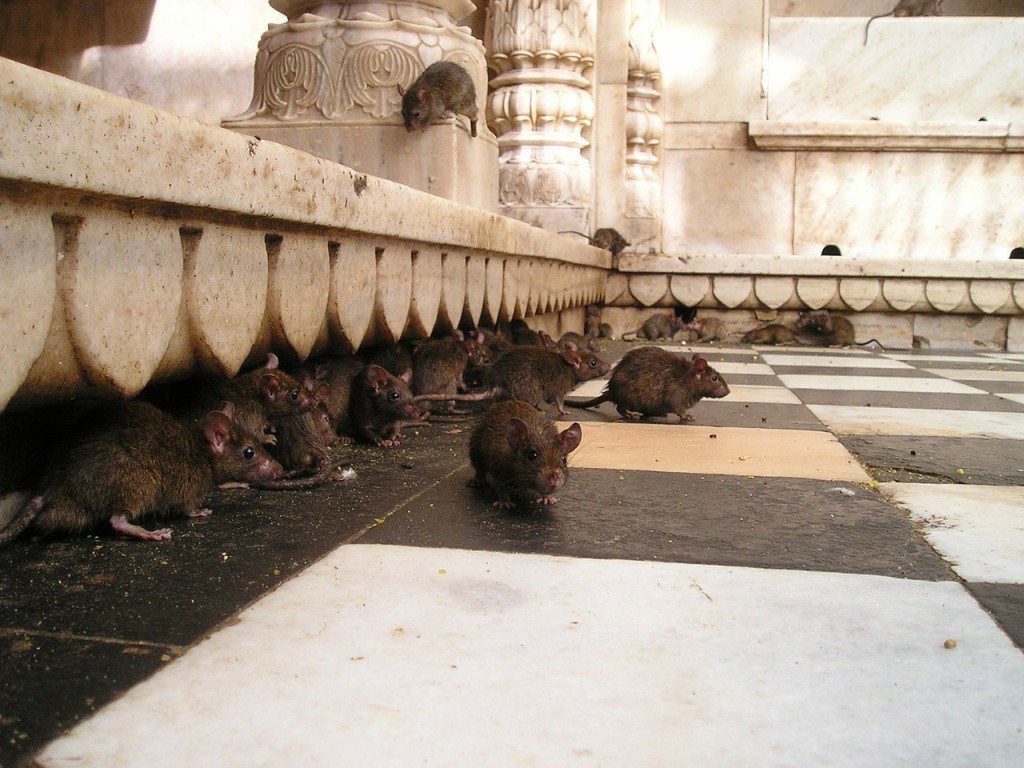
When hordes of mice appear in your home, you need to get rid of them mercilessly and purposefully, otherwise they can create a lot of problems for you.
Getting rid of rodents is possible through two main methods. The first is extermination, and the second is prevention, which involves a series of measures that encourage mice to leave or avoid their homes on their own.
It's important to remember. If rats and mice aren't afraid of you in your home, it's because there are a lot of them nearby and they understand their superiority. If the rodents find a warm room with secluded, dark places to create burrows and breed, they can live there for up to two years.
Conventionally, all means of combating mice are divided into four groups:
- chemical;
- folk;
- physical;
- ultrasonic.
Let us dwell in detail on each of the possible methods.
Note: When starting your fight against mice, do a thorough cleaning of your home to prevent rodents from accessing food. Store food in airtight containers, remove bags from the counter, and avoid leaving crumbs.
Chemicals
Today, the pesticide market offers a wide range of different products such as:
- Organic repellents. These are analogs of poisons that do not contain harmful substances that adversely affect human health. They also do not pollute the surrounding air. These repellents contain natural ingredients (such as peppermint). They can be purchased at stores that sell household chemicals. They act as a deterrent: they will prevent mice from entering the house, but they will not kill the rodents already present.
- Briquettes. These products are most often used in aggressive environments, such as basements and sewers. They are resistant to moisture and sunlight. The soft briquettes are advantageous because they resemble a piece of meat.
- Liquids. Mice perceive this product as food, and if ingested, it causes death by suffocation. Liquids are less convenient to use, as they require an open container and a convenient location. Mice will only drink where water is scarce.
- Tablets. They are placed around the perimeter of the room where the rodents live. The tablets are spaced 3 meters apart.
- Dough-grain baits. This is an effective means of controlling rodents in both outdoor and indoor areas. Depending on the type of product (Tsunami Super or Tsunami Extra), the active ingredients are bromadiolone or brodifacoum (the more potent component). Another component of the product is the additive Bitrex, which has a bitter taste, preventing pets from eating it.
- Pellets. They resemble dog food in appearance. Rodents notice them just as quickly as grain-based poisons.
- Gels. This product is easy to use, but it leaves virtually no marks.
Photo gallery: the most effective means of rodent control
-
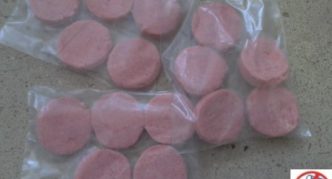
- Testox is a poisonous pellet that is effective in killing all types of mice.
-
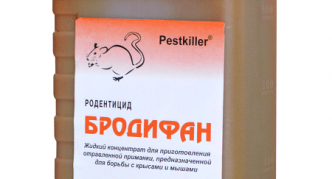
- Brodifan is a product with a toxic composition that mice cannot recognize by smell.
-
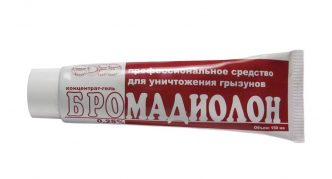
- Bromadiolone is a gel against rodents that is applied to the habitats of these animals.
-

- Krysin is a powerful synthetic poison based on brodifacoum, effective against mice and rats.
-
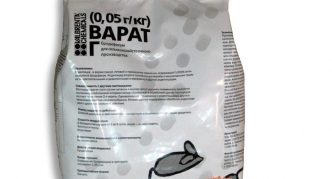
- Varat is a mouse repellent based on brodifacoum poison.
Important to know. Products containing brodifacoum should not be used in areas where people live or work. This poison has a negative impact on human health and well-being (nausea, vomiting, fatigue, loss of appetite, blood clotting disorders, and internal bleeding may occur). Extreme caution is necessary, as brodifacoum powder itself and its vapors are dangerous, irritating the eyes, skin, and respiratory tract. If poisoning is suspected, call an ambulance immediately. To prevent adverse effects, perform a complete gastric lavage, induce vomiting, and take any polysorbent (Polysorb, Smecta).
Sulfur checkers
Lump sulfur can deal not only with mice, but also with mold (especially in cellars and garages where vegetables are stored).
The burning properties of this substance leave no chance for rodents: it releases highly irritating and suffocating gases (carbon monoxide and sulfur dioxide), and hydrogen sulfide. Sulfur immediately causes inflammation of the mucous membranes of the eyes and irritates the skin. A thin film of sulfuric acid forms on the walls of the room where the substance was burned. This prevents mold from growing.
The algorithm for using a sulfur checker is as follows:
- Place a piece of sulfur on a non-combustible base.
- Light it and make sure that white smoke comes out and a dark spot forms on the substance itself.
- Leave the room immediately, closing the door tightly.
- After 24 hours, thoroughly ventilate the area where the sulfur was set on fire.
It's important to remember. When treating the area, wear special clothing, gloves, and a respirator. Molten sulfur (at a temperature of about 190 °C) causes severe skin burns. The procedure should be performed in a sealed room with tightly closed vents and windows, and no door cracks.
The FAS sulfur checker has a simple operating principle.
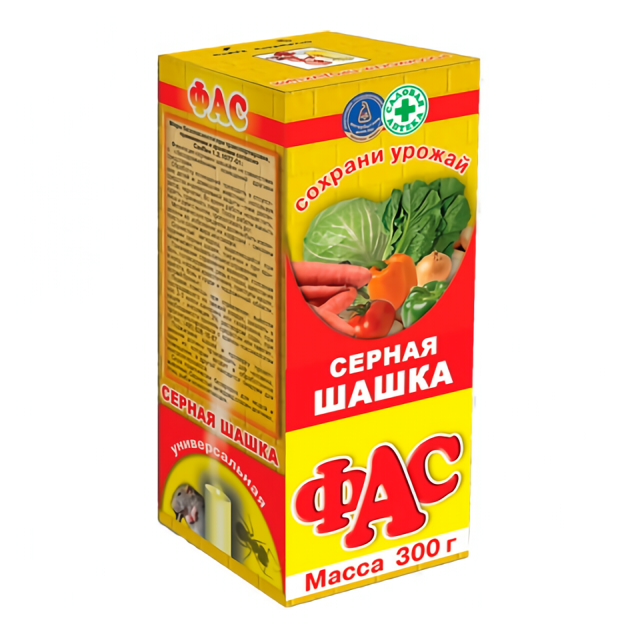
FAS sulfur checker is a simple and effective way to control mice, but before using it, be sure to read the instructions.
Folk remedies
Safe, folk remedies for mouse control are available. The most well-known are:
- Ash. Contains alkali, which corrodes mouse paws. Ash is used as a deterrent: it is scattered around the perimeter of the house and other buildings where rodents are likely to appear.
- Plants with repellent properties (wormwood, wild rosemary, chamomile, elderberry). They contain essential oils that are unpleasant to mice and repel them. These plants are effective when used both dried and fresh.
- Shrubs and herbs. The likelihood of mice appearing in your garden and home itself will be reduced by planting tansy, peppermint, and comfrey nearby.
- Boric acid. This is the most dangerous of the home remedies for mouse control, so it should only be used in areas away from small children and pets. Boric acid powder is sprinkled near mouse holes and in baseboards, which will prevent rodents from returning.
- Gypsum, flour, and sugar in a ratio of 0.5:0.3:0.2 kg. Mice happily eat this "treat." After such a meal, the rodents develop gastrointestinal obstruction.
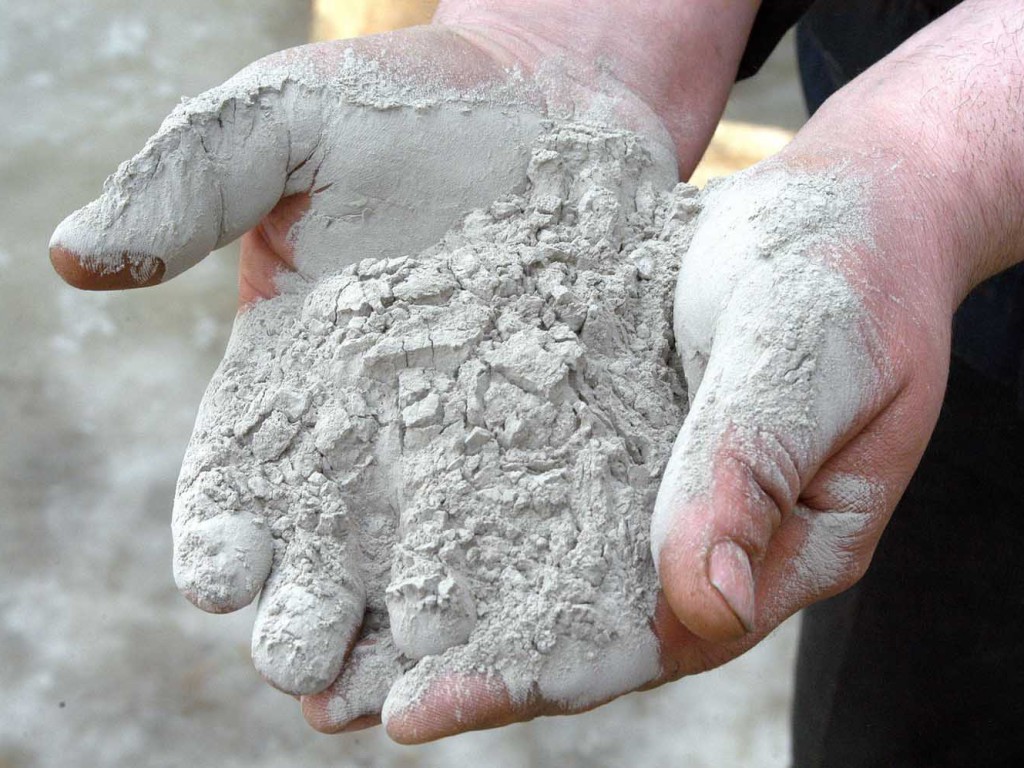
Ordinary ash contains alkalis that mice cannot tolerate.
Physical methods of struggle
The following physical methods of rodent control can be distinguished:
- Mousetraps. These devices can reduce mouse populations, and they're inexpensive and easy to use. They're completely safe for humans when installed in hard-to-reach places. However, mousetraps won't completely eliminate mice. Without other control methods, eradicating the rodents will take a long time.
- Electric mousetraps. These are more effective alternatives to conventional devices of this type. When caught, the mouse receives an electric shock, causing instant death.
- Glue traps. A rodent caught in such a trap suffers a painful death, as it doesn't die immediately and continues to squeak pitifully for a long time.
Ultrasonic repellers
Ultrasonic repellents are a proven, humane way to repel mice and are actively receiving positive reviews. These devices emit vibrations at a specific frequency, which negatively impact the rodents' nervous systems. They panic, become overwhelmed by fear, and are forced to leave their nests. According to reviews, mice stop bothering residents of those houses where ultrasonic devices are in operation for 2–3 weeks.
Please note: Ultrasonic rodent repellent is completely safe for all household members and pets. The only exceptions are certain pets (hamsters, guinea pigs, decorative mice, and chinchillas).
Ultrasonic repellers have a wide range of applications. They are used in any structures where rodents may be present: homes, summer cottages, greenhouses, basements, and garages. When choosing a device, pay attention to the effective area of the device. Failure to take this into account will likely result in little or no success.
The disadvantages of the device include its high cost (between 2,000 and 5,000 rubles, depending on the type) and the impossibility of installation in fields and gardens (it will not be possible to exterminate all rodents due to its wide coverage area).
Among the popular ultrasonic devices, the following stand out:
- Chiston-2. According to the manufacturer, the device has a circular pattern. There's no specific installation location required. The repeller covers an area of up to 300 square meters and emits frequencies from 20 to 70 kHz. The only drawback of the Chiston-2 is that it should only be used in areas where people don't live or work, as it can cause minor discomfort.
- Grad A-500. Effective against mice and moles. The device covers an area of up to 500 square meters and operates over a wide frequency range (4 to 64 kHz).
- Typhoon. This device has a smaller treatment area than the previous two devices (covering 200 square meters). It emits ultrasonic waves with a frequency of 18 to 70 kHz. Users report the device's quiet operation and lack of discomfort. The first positive effects are observed after 3-4 weeks. Compared to other devices, Typhoon is the most affordable (starting at 1,000 rubles).
- ElectroKot Turbo. Suitable for use in private homes, offices, warehouses, storage facilities, and other applications. The device features a wide frequency range (5 to 100 kHz) and covers an area of up to 400 square meters. ElectroKot Turbo is capable of operating for 5,000 full hours and is inexpensive (1,300–1,500 rubles).
Photo Gallery: Popular Rodent Control Devices
-
- The Chiston-2 device's 360° spread of ultrasonic waves allows for maximum effectiveness.
-
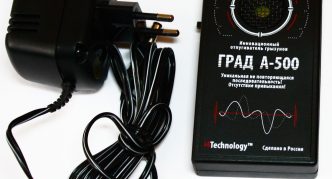
- A special sound alternation algorithm prevents rodents from adapting to the Grad A-500 repeller.
-
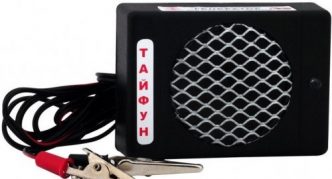
- The high efficiency of the Typhoon device has been confirmed by numerous tests.
-
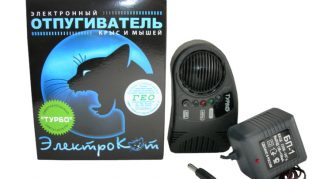
- The ElectroKot Turbo device is equipped with two modes (day and night)
The most effective means
Currently, the best mouse poisons are those based on blood anticoagulants. These medications are produced in various forms: grains, briquettes, granules, and cylinders.
Flocoumafen is considered the most effective of all anticoagulants.It helps you get rid of mice faster and with less effort.
This is interesting. An anticoagulant is a substance that blocks the body's production of proteins responsible for blood clotting. After mice ingest the poison, hemorrhaging occurs in the lungs and intestines. This causes the death of the rodents.
Flocoumafen is found in the Storm supplement from BASF (UK). It's very inexpensive: four briquettes will cost you about 30 rubles. One dose is enough to poison a rodent. Another product, Goliath (available only in large packages), has a similar effect.
Various types of mousetraps are ineffective in rodent control. They are unable to completely kill all mice in a home. These devices can only help get rid of some mice and partially deter other rodents, making them even more wary and less likely to fall into baited traps.

Grains, briquettes, and pellets with anticoagulant poisons are the most effective means of controlling mice.
The safest means
Products containing dangerous poisons (flocoumafen, brodifacoum, and others) are particularly hazardous to the health of humans and pets. Sulfur bombs, an effective mouse control agent, should also be handled with care: before using this substance, wear protective clothing, gloves, and a respirator.
The safest methods of controlling mice are devices that emit ultrasonic waves and operate over a wide range of frequencies. Typhoon is ideal for home use, with a spectrum sufficient for use on areas up to 200 square meters.
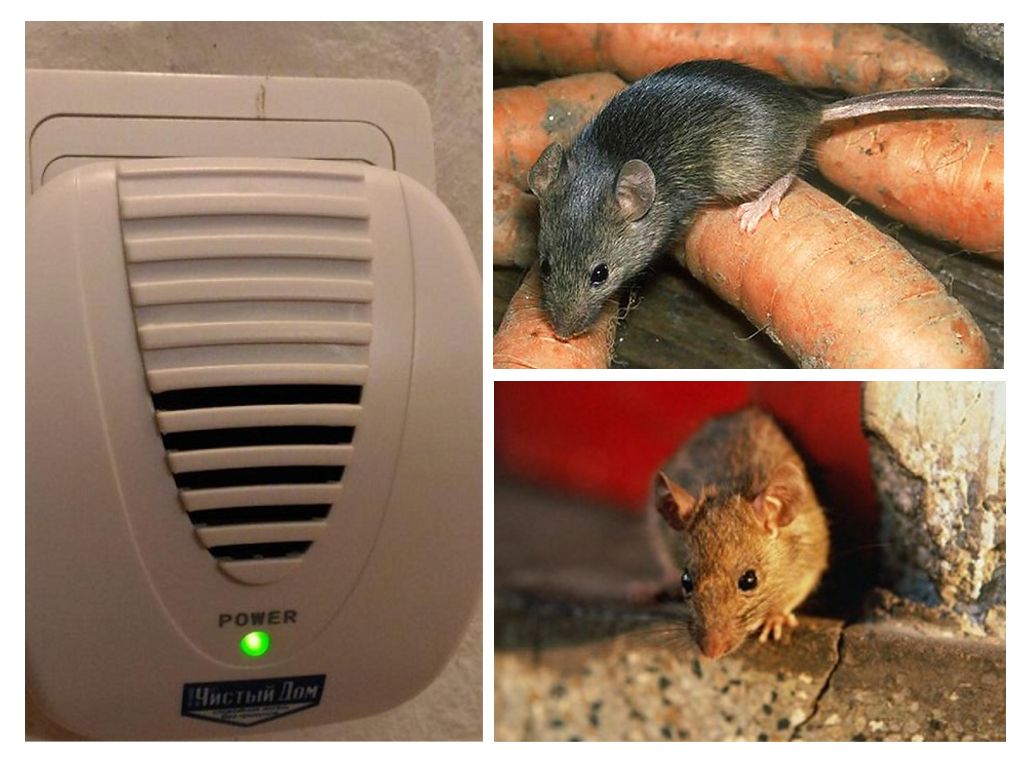
The safest for humans and most effective in the fight against rodents is ultrasound emitted by a special device.
Reviews: Real User Experiences
Let me tell you my story. The first floor was crawling with mice. Mousetraps weren't an option—I'd have to throw the mice away later, and I couldn't. The problem with poison is that a mouse can die anywhere—under a cabinet, for example. The smell, I tell you, is terrible, and by the time you find where it died, you'd have to turn the whole house upside down. There are ultrasonic repellents, but they aren't licensed for use on humans, so I didn't want to risk it. I went the old-fashioned way—I got a cat. He caught mice for two months nonstop, starting at four months old. The mice disappeared, and my beloved cat is now six years old.
There's a special glue for rodents; we caught a whole family of mice in less than a week. You spread the glue on a small piece of cardboard, placing it in the middle of something tasty. The mice come running at night and get stuck. Sometimes, as many as three mice got stuck. Dad would throw the mice, cardboard and all, into a bag and into the trash or outside the door, and throw them out in the morning. Don't let animals into the room where the cardboard and glue are.
I haven't tried ultrasound, I don't know how it works. But my parents' dacha occasionally had mice. Mousetraps weren't very effective. Only poison. Inhumane, yes. But effective.
I set out some cheap mousetraps. They're very easy to use, more convenient than traditional wooden ones. I caught three mice in 24 hours (by the way, there were no false alarms or misfires; three clicks = three mice). So far, I haven't seen any more mice. I put bread soaked in sunflower oil in the mousetraps.
Set a homemade "repeat-action" mousetrap; all the mice will be there. Unfortunately, they're not manufactured commercially, but you can easily make one yourself from a 50-gauge board. 100% kill rate. The number of mice caught per week is up to you. The advantage of mechanical mousetraps is that you can see how many mice have been caught. Mouse poison negates the process of defeating rodents, as enemy casualties aren't counted. The scale of victory is unclear.
Video: An eco-friendly way to get rid of mice in your home
In some cases, if mice are few, a pet with hunting skills—a cat—can help. If the animal reacts immediately to the presence of an unwanted rodent in the house, it will devote all its energy to exterminating it. Various chemical, mechanical, and folk remedies, as well as ultrasonic devices, can also be used. If you can't get rid of the mice yourself, deratization can help. In this case, treatment of the premises is carried out by professionals using effective poisons. Don't delay exterminating rodents in your home—begin the fight at the first sign of their presence.


 Stalker
1 comment