Choosing rodent control products should be done responsibly, as pests can not only spoil food and destroy crops but also transmit dangerous diseases such as salmonella, plague, and rabies. Manufacturers today offer a wide variety of electronic repellents, among which ultrasonic, electromagnetic, and combination models are the most popular. We'll explore which are the most effective and safe, and also examine the operating principles and features of the most popular devices.
Content
How do rodent repellents work?
One of the undeniable advantages of electronic repellents is their relative humaneness towards pests, unlike poisons, mousetraps, and other methods of exterminating rodents.
The operating principle of an ultrasonic device
The most common repellents stimulate the nervous system of pests using ultrasound—a high-frequency sound signal that can pulsate in the range of 20,000–70,000 Hz. The ultrasonic tone prompts rats and mice to leave the area within its range as quickly as possible. Modern technology allows the creation of devices that can vary the level and frequency of radiation in both manual and automatic modes, avoiding adaptation problems for animals.
Based on the results of multiple studies, it can be concluded that a high-frequency acoustic signal (incidentally, located out of hearing range of humans and pets) causes panic, fear, and loss of appetite in these animals. As a result, the rodents rush to leave the dangerous area and flee.
The ultrasonic repeller works against all types of rodents.
The effective range of an ultrasonic repeller is limited by the wavelength of the acoustic wave, which has difficulty penetrating obstacles such as walls, tends to dissipate, and loses its effectiveness beyond a certain distance. On the other hand, ultrasonic waves, reflected from surfaces in an enclosed space, increase the effectiveness of devices such as rodent repellers. Surfaces and materials with opposite properties, such as upholstered furniture or flooring, act as traps and absorb the acoustic signal, reducing the device's effectiveness.
Because mice and rats have many natural predators, they have unique hearing capabilities: their hearing apparatus can detect sound waves with frequencies up to 90,000 Hz, while we can hear sounds up to 20,000 Hz, and most other animals, both wild and domestic, can detect sounds with a frequency of 27,000 Hz.
The operating principle of an electromagnetic device
Devices that operate by exposing pests to electromagnetic pulses are characterized by the following parameters:
- radiation propagation occurs through electrical wiring,
- impulses pass well through various kinds of obstacles,
- the device affects the nervous system of mice and rats,
- the electromagnetic emitter does not hit, but irritates rodents, forcing them to leave the area covered by the device,
- the maximum effect when using the block can be achieved after 15 - 30 days from the start of its use,
- An increased number of pests requires a longer period of use of the repeller.
The disadvantages of electromagnetic emitters include a potentially dangerous effect on other species of animals, including decorative pets such as hamsters, guinea pigs, and mice.
How does a combination repeller work?
Magnetic resonance rodent repellers operate on standard household power. The device emits two types of wave radiation: magnetic and ultrasonic, and is essentially a combined device.
Tonal ultrasound is emitted in a so-called "floating" mode; in other words, the circuit periodically switches the emitted wavelength. This operating algorithm prevents rats and mice from acclimating to the constant frequency of ultrasonic vibrations and forces the pests to leave the affected area.

Combined devices use both sound and electromagnetic radiation.
This type of electronic repeller is safe for people and large pets, but its wave action may potentially cause unwanted effects on small decorative animals.
Combined rodent repellents have become widespread due to the following factors:
- relatively low cost and low energy consumption,
- they do not harm humans or large pets,
- can work in large areas (depending on the model),
- do not depend on environmental conditions, including humidity and temperature.
Unlike an electromagnetic device, a magnetic resonance emitter can be used for short periods of time, for example, before cold weather sets in, when mice and rats are searching for winter shelter. This device also operates continuously; you can turn it on whenever and wherever you need, depending on the current situation.
Electrical circuit diagrams for self-assembly
Rodent repellents, which are relatively easy to assemble, typically consist of a few microcircuits, one or more transistors, and passive components such as resistors and capacitors. Installation and configuration of one of these devices is possible with basic knowledge of electronics, a soldering iron, and basic measuring instruments.
Photo gallery: popular rat and mouse repellent designs
-
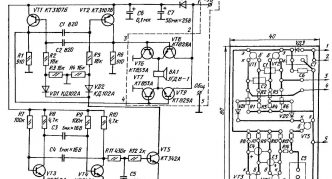
- The simplest electrical circuit of a repeller using discrete elements
-
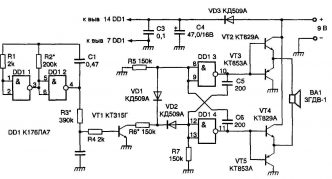
- Rodent repeller based on a logic chip
-
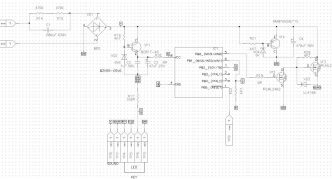
- Electrical circuit using field-effect transistors
It should not be forgotten that all work with mains voltage is potentially life-threatening, which requires knowledge and compliance with electrical safety regulations!
Types of ultrasonic repellers and an overview of popular models
Ultrasonic repellents are divided into two groups. The first is characterized by its effect only on rodents, while the second covers a wider range of pests. Furthermore, there are various options and varieties, such as low-power devices that target mice only, or those that target insects only. Ultrasonic devices also vary in their coverage area and, consequently, power. The more powerful the device, the larger the area it covers and the greater the number of pests. Of course, much here depends on the room's layout, the presence or absence of household items, furniture, wall materials, ceilings, and finishes.
When choosing mouse and rat repellents, consider primarily parameters such as range and power. If you need a universal device designed to combat other pests as well, its design is especially carefully selected.
Table: coverage area of the most popular models of repellers
| Pest Repeller | 200 m2 |
| Pest Reject | 200 m2 |
| Ridex Plus | 200 m2 |
| Grad A-1000 | 1 km2 |
| Tornado-800 | 800 m2 |
| Clean House | 150 m2 |
| Tsunami-3 | 100 m2 |
| GRAD A-550UZ | 550 m2 |
| Chiston-2 | 500 m2 |
Pest Repeller
The electronic Pest Repeller, according to manufacturers and sellers, covers an area of up to 200 m2However, users of the device report that in reality this parameter does not exceed 50–60 m.2The latter, however, is quite sufficient for an average apartment or house, including two-story ones. In addition to mice and rats, the device successfully deals with other pests, including spiders, mosquitoes, various types of ants, water bugs, and cockroaches.
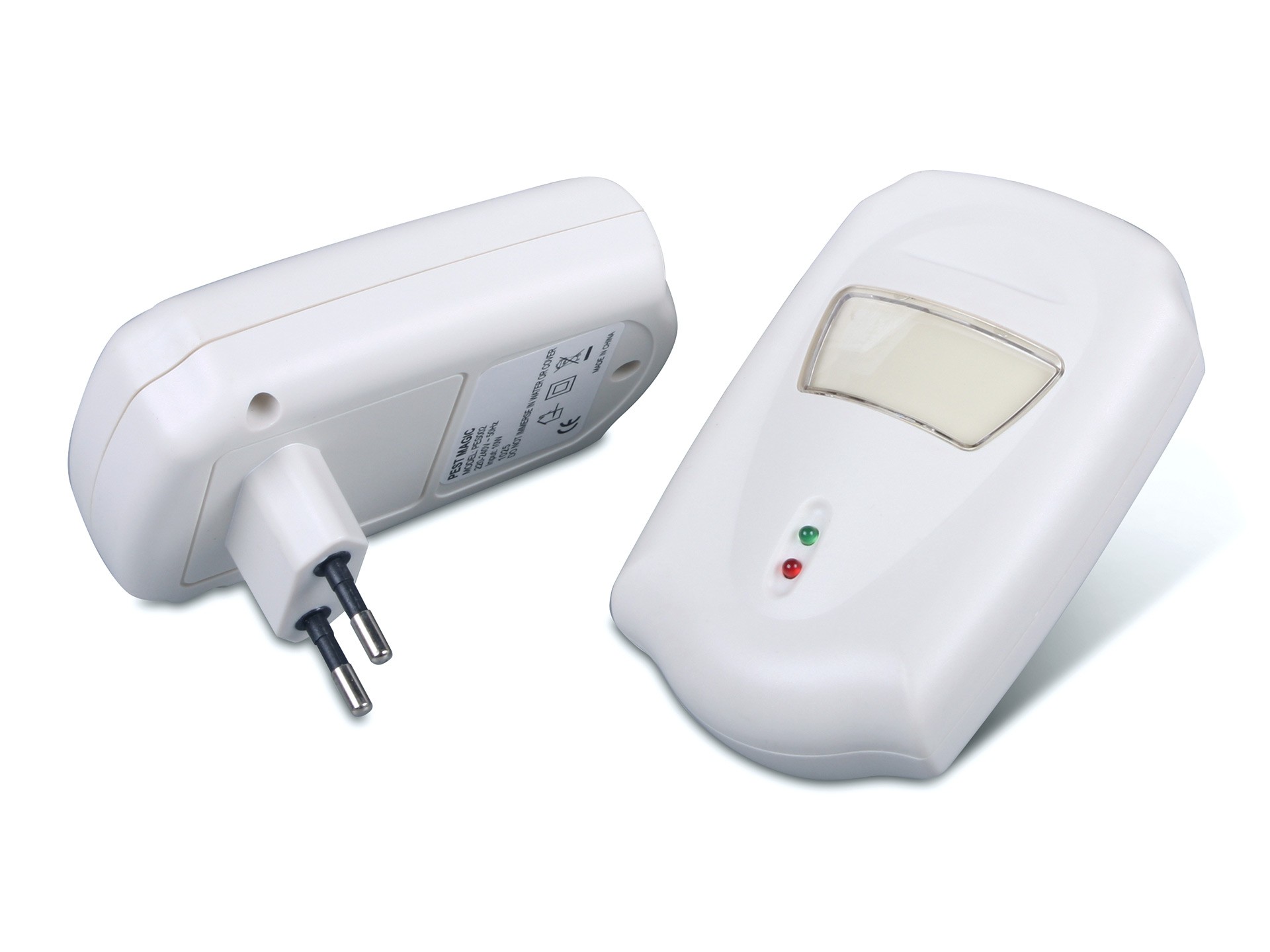
The Pest Repeller does not require any additional equipment.
Using the Pest Repeller does not require any special skills or knowledge. Other advantages of the device include the following:
- no additional equipment required;
- is distinguished by its small dimensions and weight;
- easy to install almost anywhere;
- the device is safe for people, including children and pregnant women;
- the device does not interfere with the operation of other installed electrical devices;
- has a switchable night light;
- does not emit toxic substances, smoke, or odors;
- safe for most pets, including aquarium fish;
- works in active mode for a long time.
Despite the listed advantages, Pest Repeller has certain disadvantages:
- the indicators do not light up or stop working after a certain period of time;
- the device is sensitive to voltage fluctuations;
- it is required that the device works continuously, even after the disappearance of rats and mice;
- Rodents begin to behave more actively.
According to the manufacturer, the device's effectiveness reaches its peak on the sixth or seventh day after activation. Before this point, any inappropriate behavior of pests (increased activity, daytime appearance, etc.) is temporary and a result of the device's effect on the animals' nervous systems.
To ensure maximum efficiency of the Pest Repeller, please follow these rules:
- Do not open windows and doors for long periods of time.
- Limit rodent access to food.
- Try not to bring pests in with your belongings and furniture.
- Purchase only a branded device in packaging and with documents.
Pest Reject
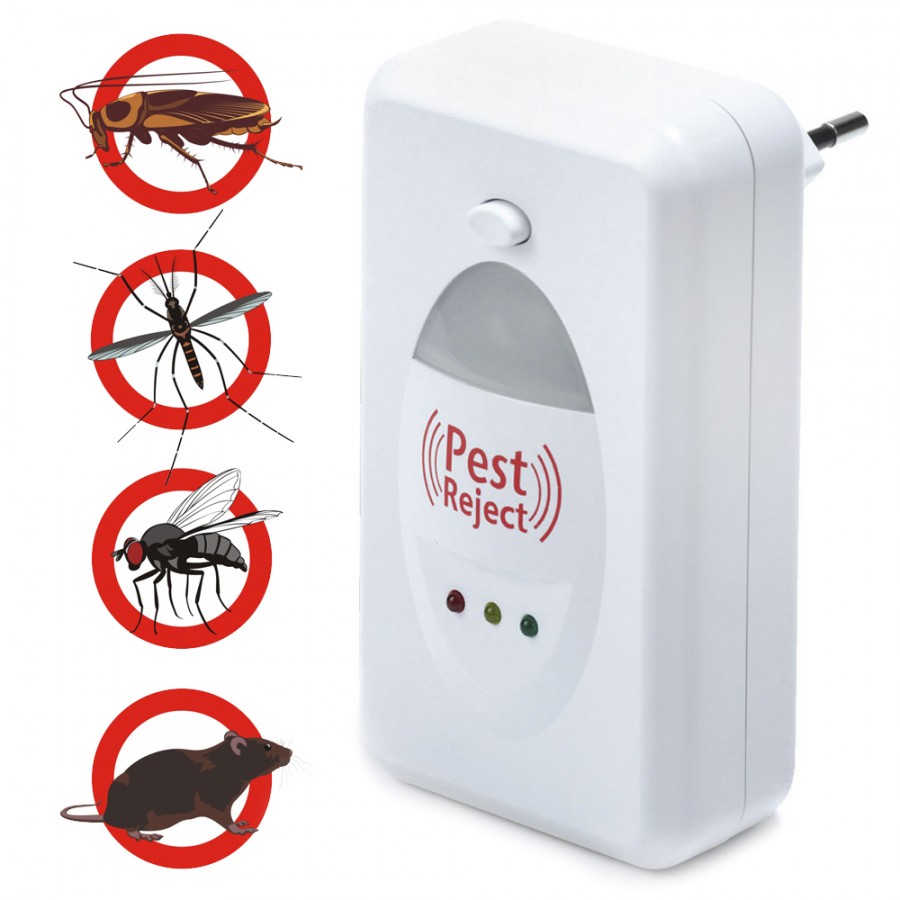
When Pest Reject is turned on, pests experience panic and orientation problems.
This broad-spectrum electronic repeller operates on a standard electrical outlet. It operates by emitting electromagnetic pulses that can travel up to 200 meters.2 (According to the manufacturer). Electromagnetic pulses have the same effect on rats, mice, and insects, damaging the pest's nervous system.
When the device is activated, the animal experiences panic, spatial disorientation, and difficulty concentrating and finding food. After a certain period of time, the pests leave the room, escaping the effects of the impulses.
The advantages of Pest Reject are as follows:
- the device is completely silent;
- it has no negative impact on humans;
- does not affect dogs and cats;
- It is permissible to use the device for a long time.
To ensure proper operation of the device, manufacturers recommend following certain instructions:
- It is not recommended to turn on Pest Reject near the place where you sleep;
- Every 30 days of continuous operation the device requires a week's break;
- It is necessary to remove domestic pets such as decorative mice, guinea pigs, hamsters and rats from the repeller's range.
Ridex Plus
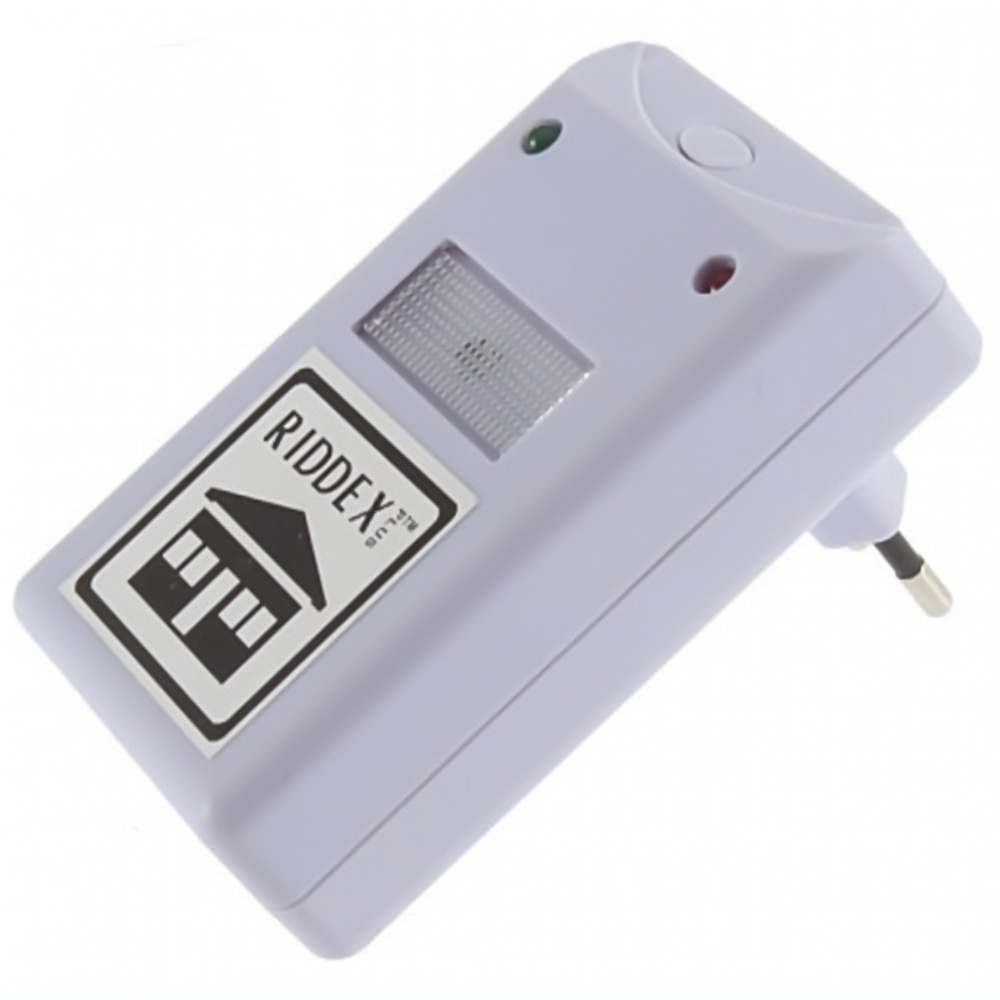
The Ridex Plus device incorporates the latest technologies
The Ridex Plus electronic repeller, according to its developers, incorporates the latest technology and offers the following advantages:
- versatility - the device works on both rodents and insects;
- it is absolutely safe for people and pets;
- Ridex Plus is simple and easy to use;
- has an affordable price;
- works within a radius of at least 200 m2;
- affects pests immediately after switching on;
- is characterized by increased efficiency;
- does not have any negative effects on the environment.
The Ridex Plus device includes a backlight, which is very useful in the dark. It requires no specialized maintenance.
Grad A-1000
The Grad A-1000 universal ultrasonic device is a modified, advanced model based on the popular A-500 repeller. The Grad A-1000 features a powerful ultrasonic signal source and, according to the manufacturer, a working area of up to one square kilometer. The pulse strength is adjustable.
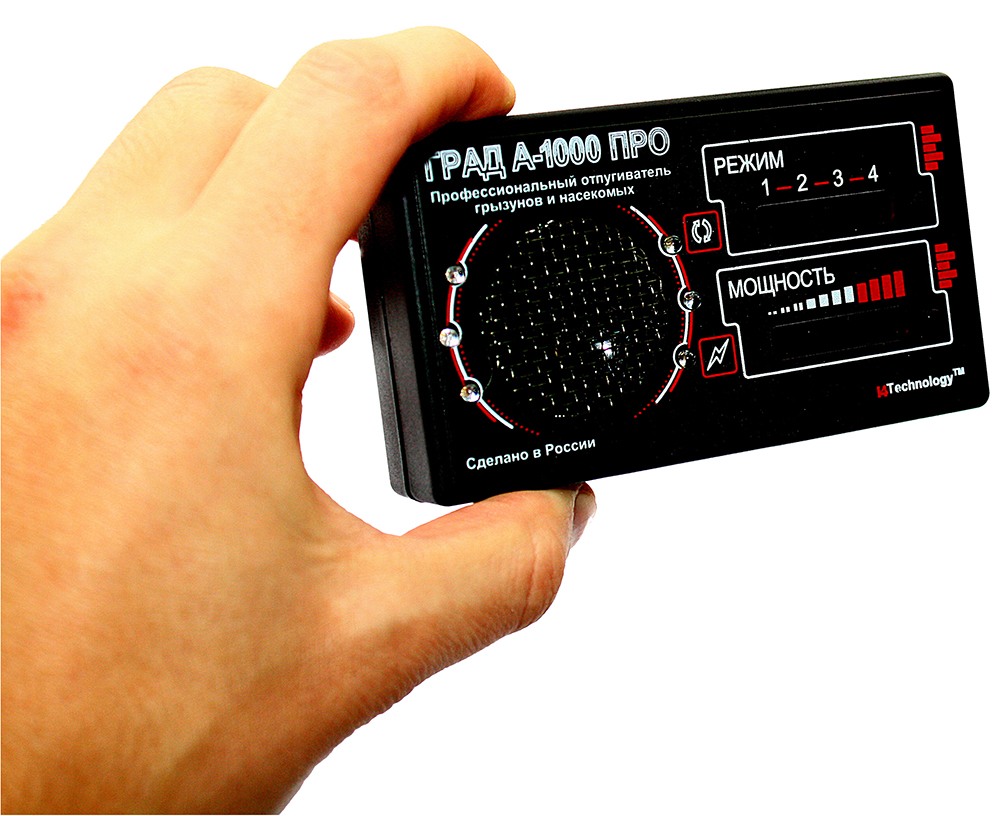
The use of Grad A-1000 is possible at a wide variety of sites, including industrial areas.
Among the innovations, the ultrasonic repeller includes:
- complete silence without compromising efficiency;
- bright LEDs that increase the repellent effect;
- special fasteners that allow you to attach the device to the wall.
This electronic rodent and insect repellent is very easy to install, and detailed instructions are provided to help users operate the device. Among the Grad A-1000's features are:
- Increased pulse power and a simply huge effective area of the device.
- Several operating modes, including sound-ultrasound, ultrasound, mosquito repellent, crawling insect repellent.
- Repelling mice, rats and moles is carried out in a combined mode with a random sequence of ultrasound emission, which minimizes the adaptation of pests.
- The unique sound pattern eliminates the possibility of so-called “freezing”, when areas are formed where pests can hide.
- The Grad A-1000 is autonomous, meaning it can operate from a low voltage source, such as a car battery.
The device can be used in a wide variety of facilities and in rooms of any configuration, including:
- summer cottages, houses, apartments;
- basements and cellars;
- livestock and poultry farms;
- vegetable and grain storage facilities;
- warehouses;
- plants and factories,
- holiday homes and tourist centers;
- shops and restaurants;
- tunnels, elevator shafts;
- hangars;
- underground communications;
- corridors.
Tornado-800
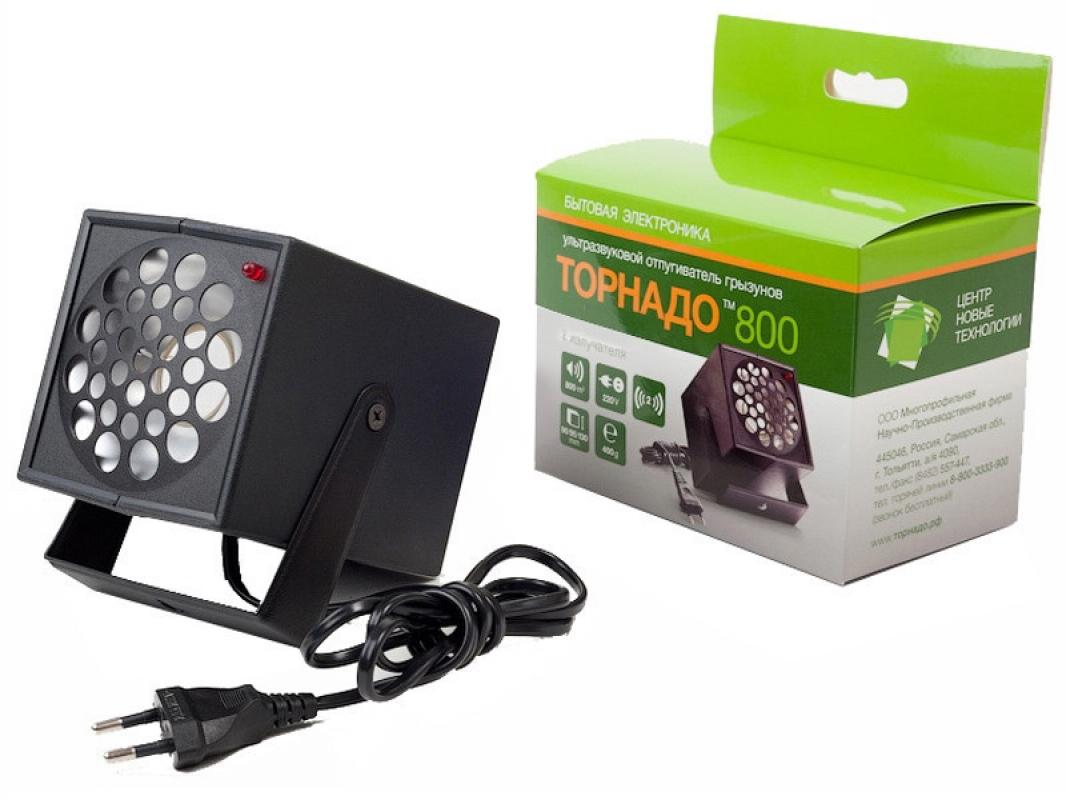
Tornado-800 is the most powerful device in its class
The Tornado-800 ultrasonic repeller, thanks to its wide coverage area, has found application in private homes, apartments, food warehouses, basements, and utility rooms. However, the device's advantages extend beyond its wide coverage area; it also offers:
- According to the manufacturer, Tornado-800 is the most powerful device in its class;
- the electronic repeller is safe for humans;
- the device has a dual emitter, which increases its efficiency by at least two times;
- The device operates at frequencies from 18 thousand to 70 thousand Hz with a floating frequency, which prevents pests from getting used to the tone signal;
- The device provides an ultrasound pressure of at least 102 dB at a distance of one meter, which means a very powerful effect on the hearing system of rodents;
- Tornado-800 is economical, with energy consumption in the region of ten watts;
- can operate in conditions of large temperature and humidity fluctuations;
- The repeller is easy to use and quite compact.
For maximum effectiveness, the device should be placed at a height of one to one and a half meters. Rats and mice typically leave the premises completely within a month of its installation.
The Tornado-800 operates by activating ultrasonic vibrations on the hearing system and nervous system of rodents. Within two or three days of turning on the device, rats and mice begin to experience discomfort and seek refuge. Brain function deteriorates, and communication between individuals becomes difficult. After about a week, the rodents lose their instinctive self-preservation skills and their coordination becomes impaired. After ten days, panic sets in, and the animals feel the need to leave the danger zone. After three weeks, the remaining rodents become exhausted, unable to move, and can be easily removed from the premises.
Clean House
The Clean House electronic repeller operates using an ultrasonic frequency generator. Humans are completely insensitive to ultrasonic waves, but rats and mice perceive these sounds, causing serious problems with brain activity and nervous system function. The device's sound can be so powerful that pests panic and seek to quickly leave the building where the ultrasonic emitter is operating. To improve the device's effectiveness, engineers developed a circuit that allows the device to vary the pitch of its sound.
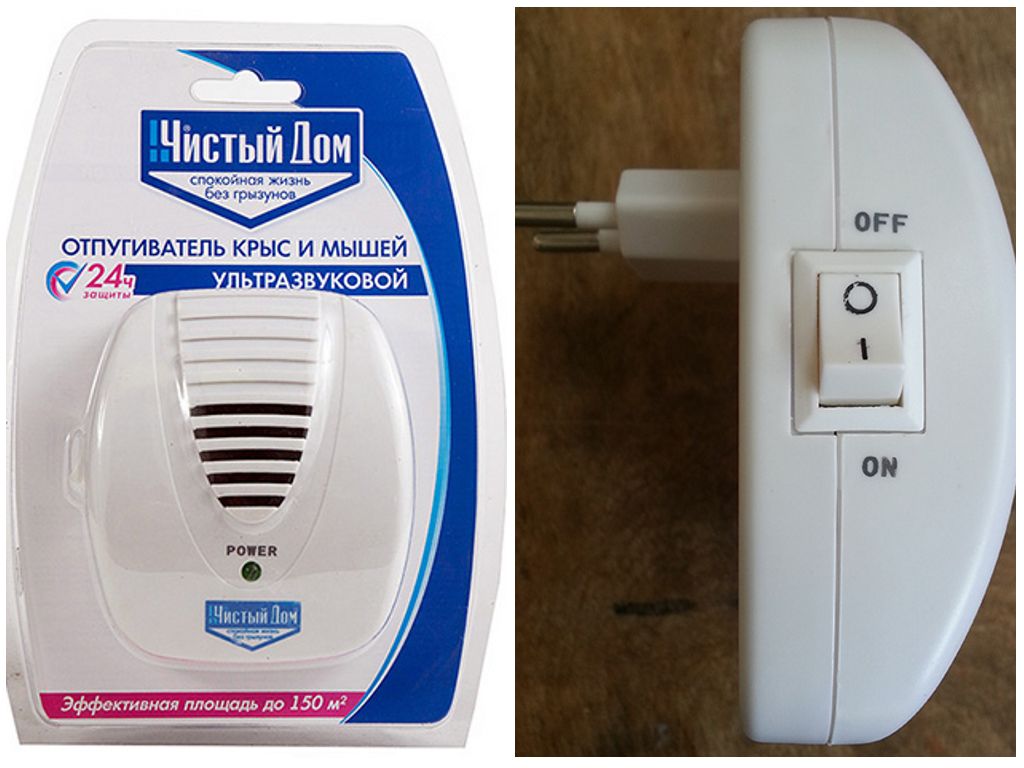
The Clean House device provides the highest sound pressure in the ultrasonic range
The developers of the Clean House repeller claim that the radius of wave propagation from the switched-on device is 150 m.2One such device is quite sufficient for an apartment or private home. However, it's worth considering the following:
- rooms with a lot of upholstered furniture, carpets or floor coverings reduce the signal level;
- on the contrary, empty rooms, furniture made of wood and plastic contribute to a better spread of radiation;
- Even not very thick walls are an obstacle in the path of ultrasound.
The factors listed above, however, are usually resolved by proper placement of equipment or installation of multiple signal sources.
It's worth noting that even with a properly positioned device or two or three emitters, rats and mice can still enter the room. This can occur for several reasons:
- Despite the automatic frequency switching of the equipment, pests can get used to the sound.
- The rats and mice are very hungry and it is very cold outside.
- Unexplained behavior of rodents has also been observed, but this happens extremely rarely.
Tsunami-3
This is a very powerful and effective device, designed primarily for treating non-residential premises. The high level of ultrasound disorients rodents, forcing them to leave the area. The frequency of the radiation changes periodically, preventing the animals from becoming accustomed to it. Tsunami-3 is most effective in small rooms, cellars, basements, and storage rooms.
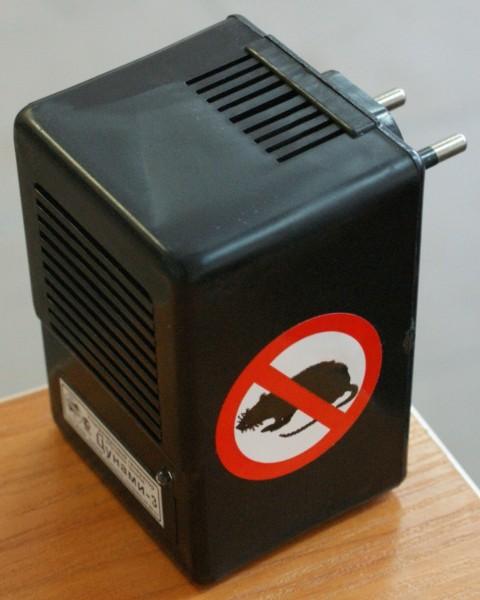
The Tsunami-3 rodent repellent is recommended for use in small spaces.
The Tsunami-3 has a long power cord, allowing you to position the device in the most convenient location. The device is safe for people and pets, with the exception of mice, hamsters, and guinea pigs. However, due to its high power, it may occasionally cause discomfort to humans, making it best suited for use in partially or completely uninhabited spaces.
The following is worth noting separately:
- low noise threshold and system reliability;
- the device body is resistant to rodent teeth;
- the presence of two functional modes;
- The exposure time for mice ranges from 15 to 20 days.
To prevent new pest infestations, it is recommended to systematically turn on the device for several days with short breaks.
The manufacturer recommends following certain precautions when using the product:
- avoid children near the operating device due to their greater sensitivity;
- prohibition of prolonged stay in an irradiated room due to the potential risk of nervous disorder;
- installation of the device above floor level.
GRAD A-550UZ
This device processes an area of up to 550 m2 and features silent operation. The designers modified the emission algorithms, resulting in increased efficiency. The GRAD A-550UZ electronic repeller is recommended for use in both small and large spaces. It can operate from a standard power outlet or in battery-powered mode. It is suitable for use in high-humidity areas and outdoors.
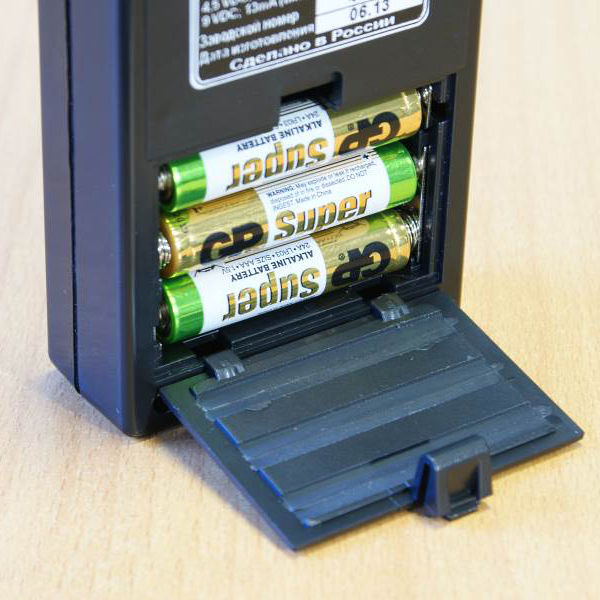
GRAD A-550UZ is a completely autonomous device, but can also operate from the mains.
The main features of the ultrasonic repeller GRAD A-550UZ are as follows:
- the area covered is 550 m2;
- there is a completely silent mode;
- the ultrasonic range has no effect on humans;
- a new sound texture algorithm was applied;
- There is a function of automatic switching to economy mode when there is no power supply;
- there are convenient LED indicators;
- A special fastener allows you to install the device on a vertical surface.
Chiston-2
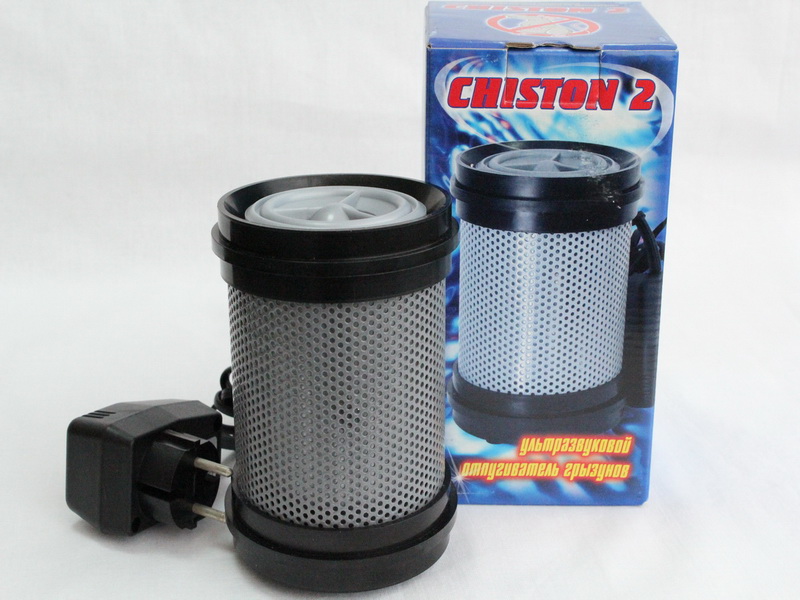
It is not recommended to leave Chiston-2 on for a long time.
The Chiston-2 electronic device is a powerful and highly effective rodent repellent for areas such as:
- private houses,
- apartments,
- summer cottages,
- warehouses,
- grain storage facilities,
- offices,
- ship holds.
The operating principle of the device is based on the emission of ultrasonic pulses of a certain frequency and power.
Chiston-2 induces stress and panic in pests, leading to decreased activity, reduced family and pack interactions, and ultimately, flight. Among the advantages of this ultrasonic repeller are:
- the presence of a circular radiation pattern, in other words, the device emits ultrasound in all directions;
- power supply via a network converter adapter;
- visual inspection of the device's performance.
Chiston-2 should be turned on for 14 to 21 days, with one-hour breaks every three days. The manufacturer recommends not leaving the device running continuously, to prevent rats and mice from becoming accustomed to the ultrasound.
Rules for choosing the right repeller
The choice of a rodent repellent should be based primarily on the technical parameters of the device, but also taking into account the conditions of its use and your financial capabilities.
Video: How to choose a rodent repellent
Below are the main features to look for when purchasing:
- Different models typically have different coverage areas. If you have a large area and a single repeller isn't powerful enough, you'll likely need to purchase multiple units, although you can experiment with the placement of a single unit first. Also consider the presence or absence of walls in the area—ultrasonic waves don't penetrate these types of barriers.
- Pay attention to the power source when purchasing a standalone device and the quality of the power plug and cord when choosing stationary equipment. For field pest control, you'll need a mobile device powered by external batteries (batteries or batteries). A more exotic option is a solar-powered repeller. For indoor use with normal humidity, a mains-powered device is suitable.
- Different types of emitters generally target specific pests. You can also purchase a universal device, which will definitely cost more, but it's worth it if you need one. A device specifically targeted at mice will cost you slightly less.
How to use and where to install ultrasonic devices
As mentioned, ultra-high-frequency sound waves do not penetrate walls, regardless of power. If you need to treat several rooms, you'll need to install at least one device in each. The number and location of rodent repellent devices also depends on how busy the room is. If the space is filled with furniture, one device may not be enough.
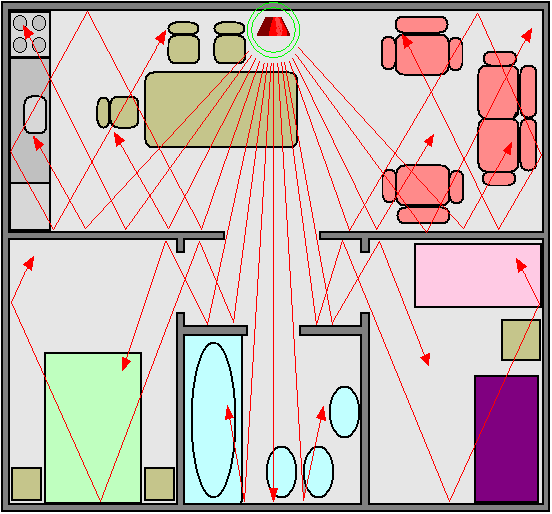
A high frequency sound wave does not penetrate walls regardless of its power and is reflected from obstacles.
When installing two or more repellers, ensure a minimum distance of at least five meters between them to prevent interference. Maximum effectiveness can be achieved through multiple reflections of the ultrasonic wave from hard surfaces. Objects such as carpets, upholstered furniture, and soft upholstery act as sound absorbers and, therefore, reduce the effectiveness of the ultrasound.
Poison baits and electronic repellents are mutually exclusive. Don't leave food indoors and prevent pests from accessing all water sources. Pest control measures require a comprehensive approach, taking into account as many factors as possible.
Most rat and mouse repellents should be operated continuously until the pests are completely gone. After complete extermination, the equipment should be turned on for preventative purposes.
Safety precautions when using repellents
It is worth touching separately on the topic of safety when using electronic repellents. Never hold operating ultrasound equipment close to your ear - the signal level can reach 100 - 120 dB, and this can cause serious harm to health.Although manufacturers claim their devices are safe for human health, do not place active repellents closer than two meters from your sleeping area.
Most repellers operate on a 220V power source, so remember to follow electrical safety precautions when using them. Never use powered devices in areas with high humidity; battery-powered models are available for this purpose.
User reviews of various devices
We tested a bunch of models. Most had zero sound pressure. The homemade ones suffered from poor directionality and zero efficiency. Poison won them all.
I bought a simple "electric cat," about the size of a pack of cigarettes. Inside was a circuit board with a microchip, a couple of diodes, a zener voltage regulator, and a few resistors. It was an electromagnetic emitter. I connected it to a 12.6-volt battery and placed it in a potato pit. The first year, no signs of mice or rats were detected. In the second year, teeth marks began to appear on the root vegetables. By the third season, the rodents no longer feared the sounds it made. I tinkered with a soldering iron and a frequency counter. By adjusting the resistors, I increased the output frequency from 15 to 18.5 kilohertz. We haven't seen any rodents this winter either... They're probably getting used to a certain spectrum... I don't know the name of the device; it's not listed on the housing.
We fell for the enticing Pest Repeller ad because my family and I live in a private house and it's truly a must-have. We bought two at once, including one for our parents. Neither of them produced any results, and my parents actually felt like the rodent infestation was just getting worse.
Pest Reject helped. We bought it for my mom; she had mice in her apartment. Now there are no mice. I want to buy one for my home too.
I bought Ridex Plus online, supposedly an official one, but now it's hard to tell the original from a fake, so I hope it's not a fake.
I bought a Grad 550 UZ two months ago. I wanted to get rid of rats and mice. I put it in the kitchen, and they were just hanging out there like they belonged there. At first, I thought I'd put it in the wrong place, so I moved it closer to the trash can—same story: they were sitting right next to it, eating. So, I bought the online hype, read a bunch of reviews (which, as it turns out, were written by paid people), and even saw a show about this device on Channel One. So, they scammed me out of 2,400 rubles.
I bought a Tornado-800 repeller. Rats had appeared in my house. I'd never had one before, but then they suddenly started scratching under the floor. I installed the Tornado-800 in the kitchen (mounted it on the wall). After a month, the noise had completely disappeared, but there were signs of mice or rats on the second floor.
I bought a Chiston-2 for myself. According to the instructions, it's harmless to humans and other pets, except rodents. I installed one at my dacha, and they seem to have gone away. Now, using a timer, it turns on at night in a random mode to keep out stray rodents, and, as the manufacturer recommends, to prevent rodents from getting used to the ultrasound.
We tested this device at home. Our house cat served as the test subject. When we turned on day mode, he became restless. When we turned on night mode, he panicked. So, the instructions say the device affects mice, especially rats, etc. Our cat fell into the "etc." The degree of harm begs to be determined...
To this day, humans continue to use poisons, traps, and snares to control rodents, but these methods have a number of limitations. While rat and mouse repellents are not without their drawbacks, with the right approach to selecting, installing, and using them correctly, the advantages of modern electronic devices outweigh those of many traditional pest control methods.