Pediculosis is one of the most common diseases among children. Once infested, lice begin to infest the scalp. They feed on blood. There are over a hundred species of lice in nature, but only three inhabit humans: pubic, body, and head lice. It's the head lice that we try to get rid of when we discover strange little insects in a child's hair. Various treatments are available for pediculosis. Let's look at how to use them and which ones are most effective.
Content
Symptoms of pediculosis in children and rules for identifying lice
The causative agent of childhood pediculosis is the head louse. This tiny insect, only 3–4 mm in size, is gray-brown in color. It has three legs on each side, which it uses to firmly cling to hair and scalp.
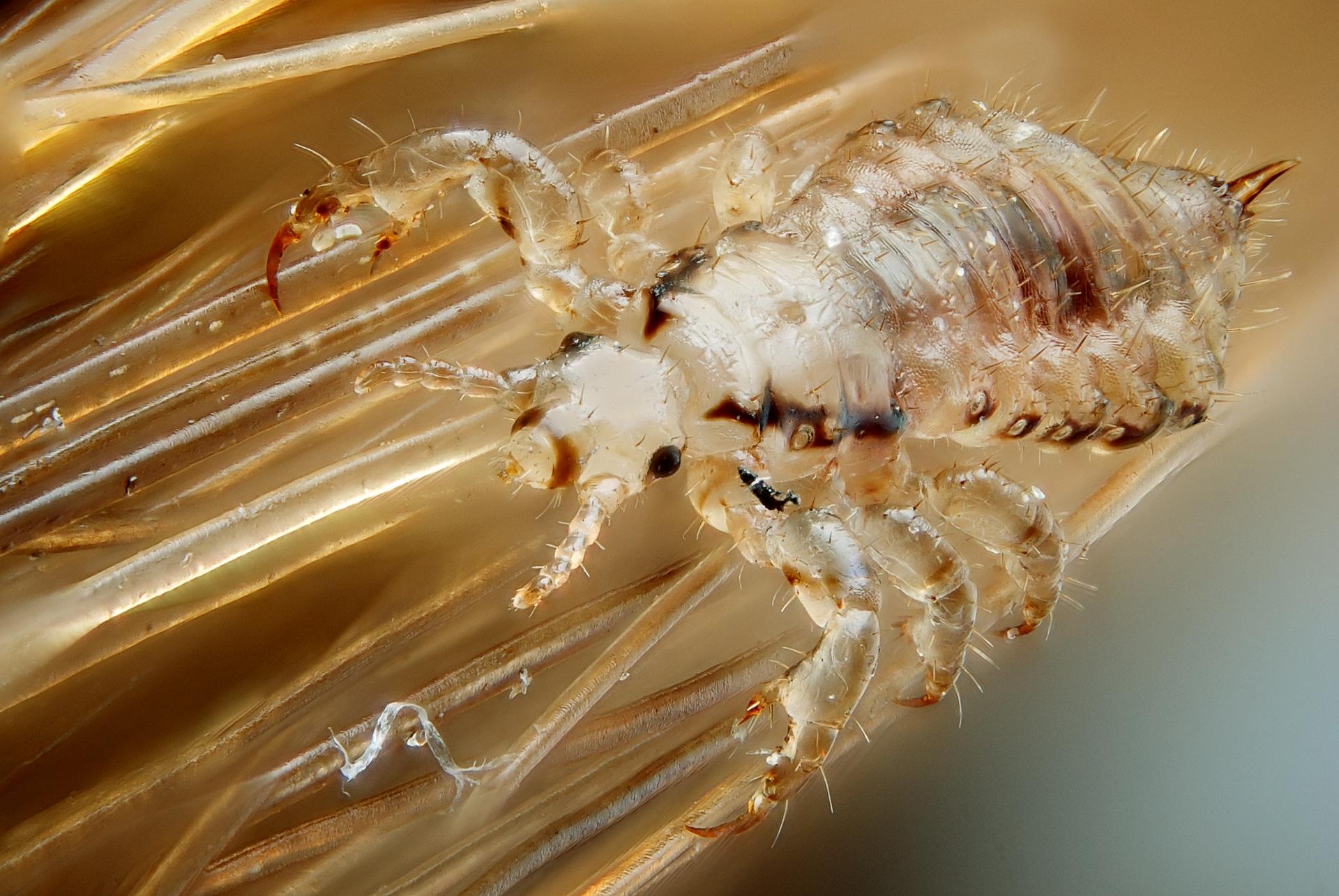
Lice are quite difficult to comb out because they are very well attached to the hair and scalp.
Lice eggs, nits, are no more than 2 mm in size. They are light (almost transparent) and look very similar to dandruff. But unlike the nits, they can't be simply brushed off, as they cling tightly to the hair. When squeezed, they produce a crunching or clicking sound. A week after the adult nit lays its eggs, larvae hatch, which, after 10 days, develop into fully fledged parasites capable of producing more offspring. The average lifespan of lice is no more than 40 days.
Lice can be detected at home, as well as during a child's examination by a pediatrician or nurse. There's even a special diagnostic Wood's lamp, which causes the nits to glow under the light, taking on a bluish tint.
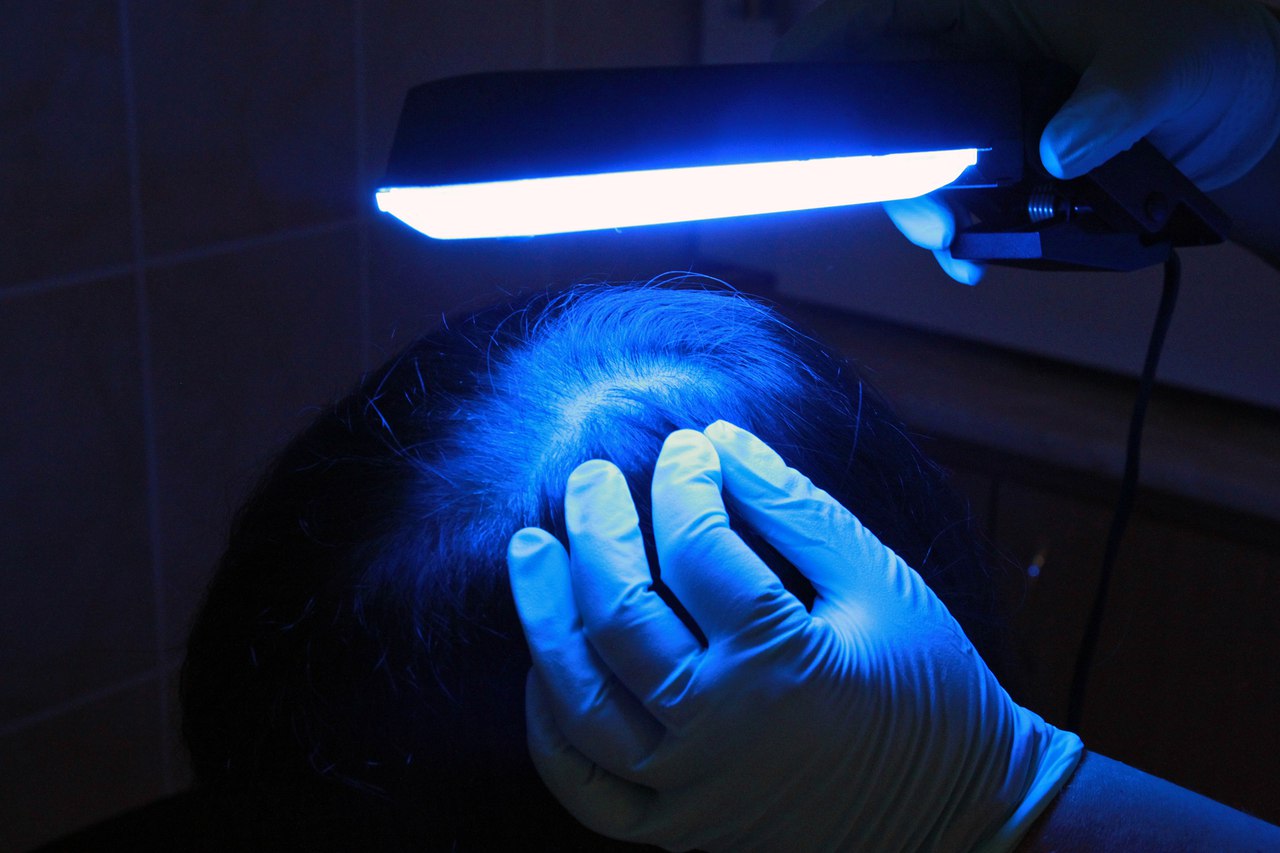
To detect lice and nits in a child, a pediatrician can use a Wood's lamp.
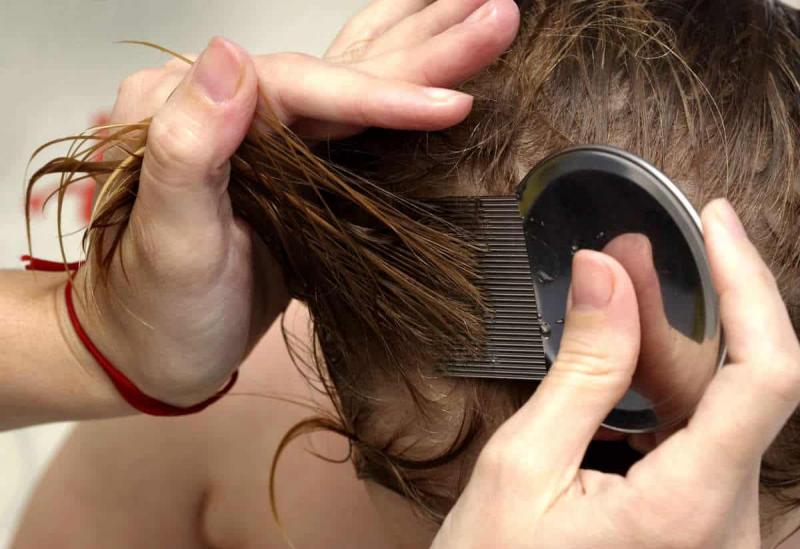
To examine a child at home, you need to seat him on a chair under a bright lamp and comb each strand with a fine comb, carefully examining the hair and scalp.
The presence of pediculosis may be indicated by the following unpleasant symptoms:
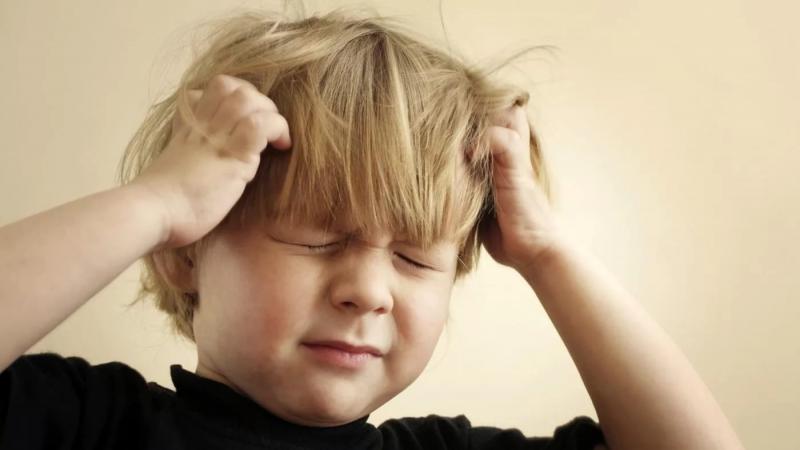
- Itching (especially around the temples and behind the ears). Sometimes it's so severe that children scratch their skin until it bleeds, have trouble sleeping, and become irritable.
- A rash of red spots and papules at the bite sites. An allergic reaction may occur on the neck and face.
- Crusts and ulcers resulting from scratching the skin, as well as pyoderma, erythema, vesicles and swelling.
- There are nits and live lice on the hair.
Where do lice come from?
For a long time, it was believed that head lice were a problem for children from socially disadvantaged backgrounds. But research shows that a high percentage of infestations occur in children from good families. Why is this?
The source of infection is always another person:
- it occurs through interaction with a carrier of pediculosis, with a high level of contact observed in kindergartens, schools, summer camps, children's parties and playgrounds;
- You can catch lice by using other people’s hygiene products: towels, combs, hair accessories, hats;
- You can become infected through bed linen and underwear;
- The danger increases when visiting public places (hairdressers, trains, baths).
Lice are very mobile insects. They only need to latch onto a single hair or clothing to begin their active life on the new host.

A large number of head lice infections occur in children's groups.
Risk groups are identified:
- children aged 3–12 years, as they are in a group;
- owners of long hair;
- living in unfavorable conditions, especially if all family members have pediculosis;
- not maintaining hair and body hygiene;
- children with low parental control.
The incubation period for pediculosis is on average 3-4 weeks. During this time, the individual that gets on the hair will have time to lay eggs, and these, in turn, will turn into adult lice.
Home treatment methods
If pediculosis is detected, treatment must be started as soon as possible. Unpleasant symptoms will interfere with the child's daily activities. If left untreated, the condition can lead to complications, such as chronic dermatitis. Furthermore, lice are not only parasites but also carriers of bacterial infections, including typhus and typhus fever.
If lice are confirmed in a child, it's important not only to isolate them from other children but also to consider the potential danger to parents. All family members should be checked for lice.
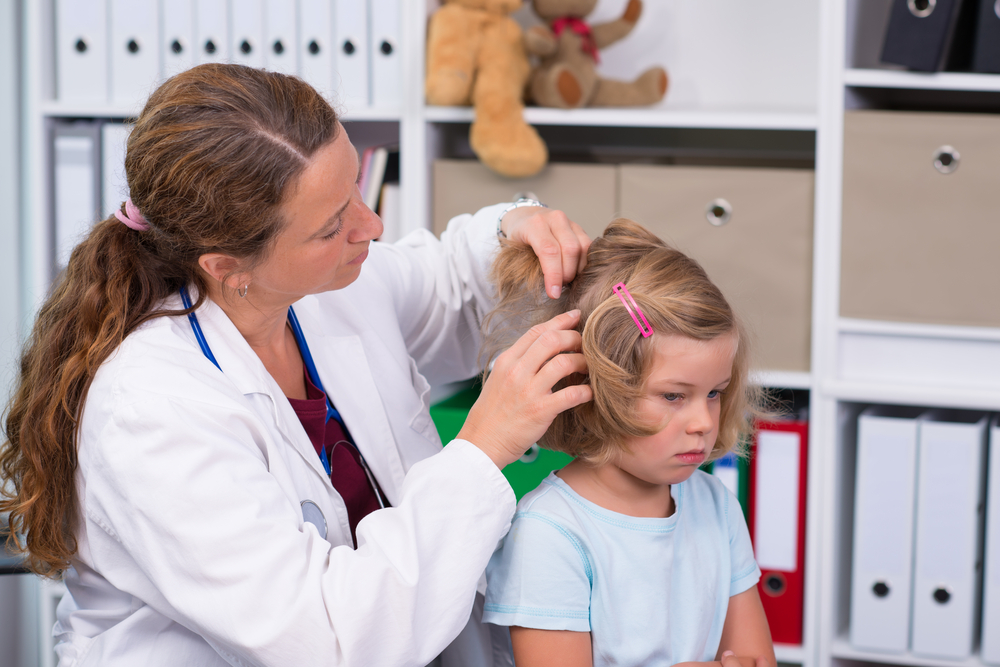
The sooner head lice is detected in a child, the easier it will be to treat, so preventative examinations are extremely important.
Treatment at home occurs according to the following algorithm:
- Treating the head with pharmaceutical or folk remedies.
- Combing out lice and nits.
- Boiling the infected person's things.
- Regular repetition of the procedure.
Treatment with pharmaceutical drugs
Children's lice treatments are made with ingredients that vary in toxicity and effectiveness against insects. They are available in the form of shampoos, sprays, lotions, and creams.
Shampoos for head lice treatment are particularly popular. They are easy to use. Apply the product to damp hair, lather, and rinse with water after 10-15 minutes. Pharmacies offer a wide range of products:
- Veda. The main ingredient is permethrin. It kills only adult lice, so reapplication is required after two weeks.
- Paranit. Contains Clearol, which coats lice with a thin film, causing them to suffocate and die. Completely safe for humans.
- Hygia with acetic acid. It deals not only with lice but also with nits.
- Pedelin. Contains tetramethrin and malathion. It penetrates insects and larvae, killing them.
- Mediafox is a permethrin and castor oil-based repellent. It paralyzes insect nerve endings and causes death. Suitable for children 1 year and older.
- Parazidos. The shampoo's components block the lice's nervous system.
- Itax. Fast-acting shampoo kills lice and nits. Highly toxic. Wear gloves when using. Not for use on children under 2 years of age.
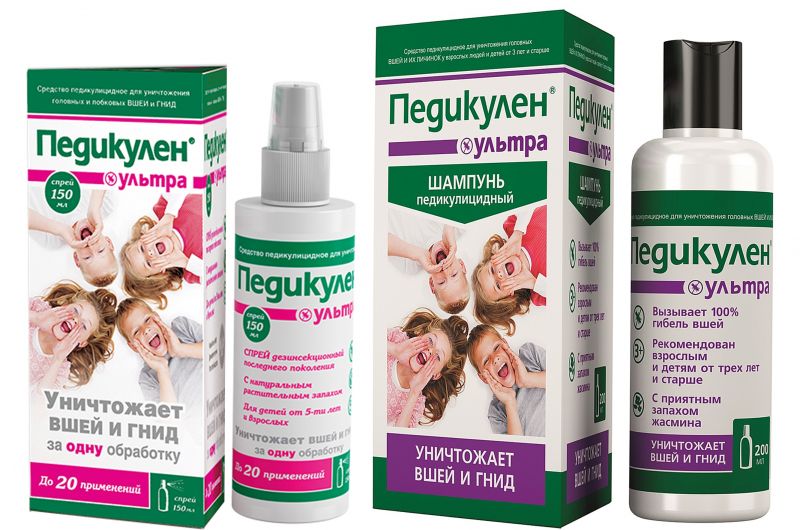
Lice treatments are most often available in the form of shampoo or spray.
There are also products in the form of sprays, creams and lotions that need to be applied to the hair and then washed off using regular shampoo:
- Lavinal;
- Rosh Tov;
- Couple Plus;
- Nyuda;
- Nix (can be used by children from 6 months);
- Nittifor;
- Avicin;
- Anti-bit;
- Foxylon,
- Benzyl benzoate (emulsion).
When using medicinal drugs, it is necessary to follow certain rules:
- Before treating young children, consult a doctor.
- Use the drug in strict accordance with the instructions.
- Observe age restrictions.
- Do not use medications if you have scalp diseases or severe allergies.
- Do not use several products at once.
- Avoid contact with mucous membranes of the eyes, mouth, and nose. If this does occur, rinse with plenty of water.
Treatment of pediculosis with specialized means is considered the most effective method. All drugs offered by pharmacies undergo the necessary testing.
Photo gallery: Pharmaceutical remedies for head lice
-
- Lavinal, a plant-based oil, prevents lice from clinging to hair.
-
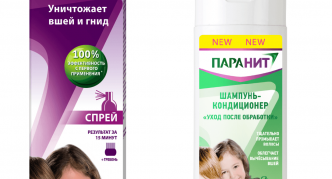
- Paranit is available in the form of shampoo and spray.
-
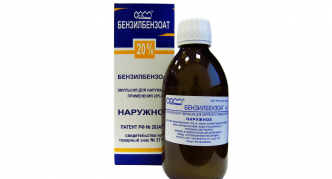
- Benzyl benzoate emulsion is a proven and effective remedy for head lice.
-
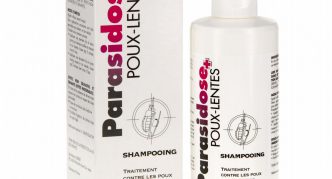
- Parazidos, like a number of other drugs, is not used to treat children under 2.5 years of age.
-
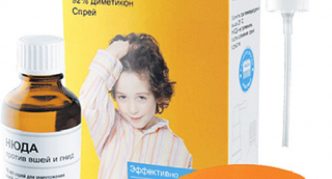
- Lice sprays are sold with a lice comb.
Treatment with folk remedies
Folk remedies, proven by the experience of more than one generation, will help get rid of pediculosis.
The most common of them are:
- Hellebore water. Apply the infusion to the roots of the hair, spreading it along the entire length. Then wrap the head in plastic wrap for half an hour and rinse thoroughly.
- Burdock. Collect fresh leaves and stems of the plant, make an infusion by pouring boiling water over them (half a cup of water per cup of herb), add geranium oil (5 drops per 150 ml of the mixture), and apply to your hair and scalp, leaving for 40 minutes.
- Vinegar. Dilute 9% vinegar in water in a 2:1 ratio, distribute the resulting solution throughout the entire length of your hair, wrap your head in plastic wrap, and leave for an hour. Then rinse.
- Tea tree oil. Dilute 15 drops in half a glass of warm water, apply to hair, and leave on for 50 minutes. Alternatively, mix 15 drops with 100 ml of shampoo.
- Kerosene. Mix one part of the product with seven parts of vegetable oil, apply to the scalp, and leave under plastic wrap for half an hour. Then wash your hair thoroughly with shampoo. Avoid blow-drying. Do not use pure kerosene. This product is not suitable for small children and should only be used by children aged 13-15 years.
- Tar soap. Wash your hair with soap, then lather generously again and leave on for 30-40 minutes. Rinse.
- Cranberry juice. The acid destroys the nit shells. Apply fresh juice to the hair from the roots up and leave it under plastic wrap for 3-4 hours. Afterward, it's recommended to rinse your hair with tansy infusion.
- 3% hydrogen peroxide. Mix the solution with water in a 1:2 ratio, apply to hair for 10 minutes, and rinse.
The listed medications can be harmful if used incorrectly, so care should be taken when working with them and the exposure time should not be exceeded.
Photo Gallery: Folk Remedies for Lice
-
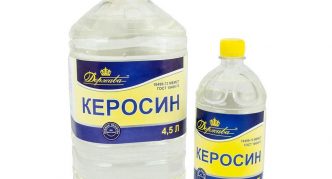
- Kerosene is not suitable for treating head lice in young children.
-
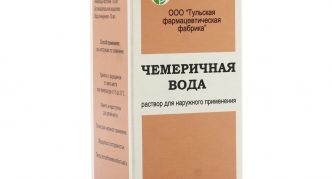
- Hellebore water is very effective in fighting lice, but you should not exceed the recommended exposure time on hair (30 minutes)
-
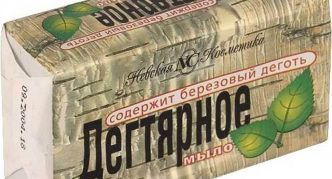
- Tar oil not only kills lice, but also heals scalp wounds.
-
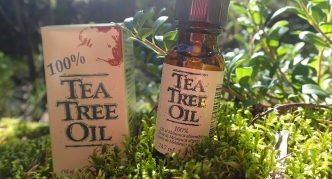
- Tea tree oil disinfects the scalp and kills insects
Combing methods
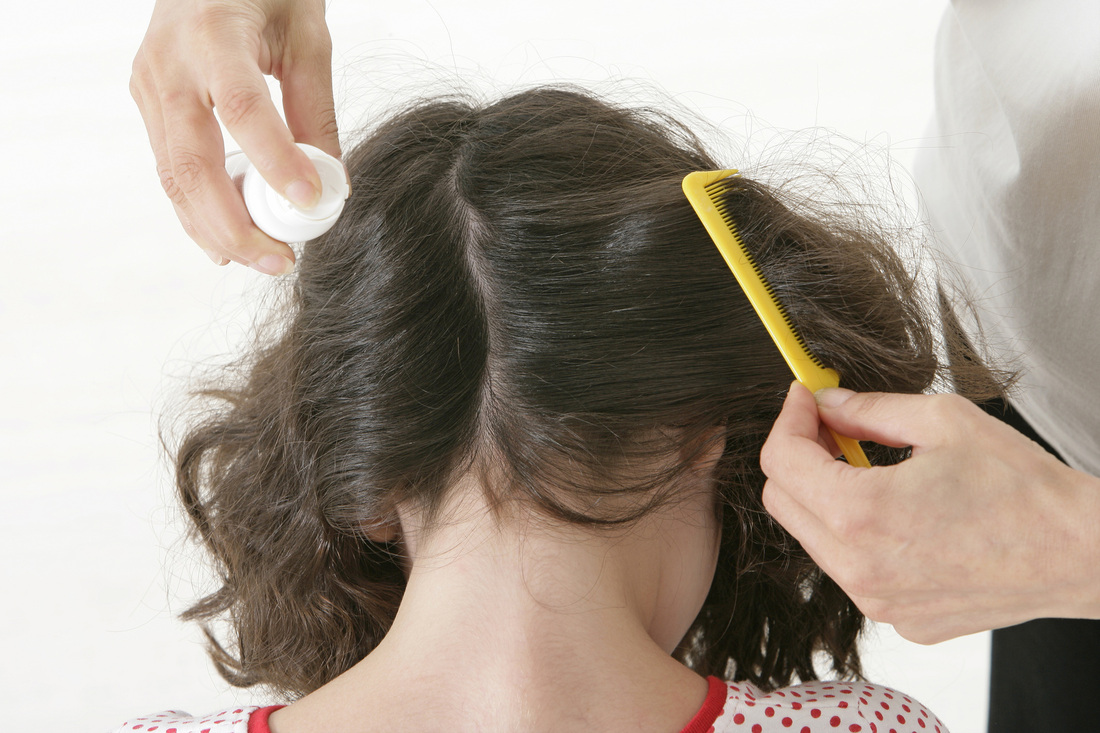
Mechanical removal of lice and nits is an essential part of head lice treatment, using both specialized medications and folk remedies. After each scalp treatment, use a fine-toothed comb. These combs are best purchased at a pharmacy, as they are specifically designed for head lice treatment. The comb should be disinfected after each treatment.
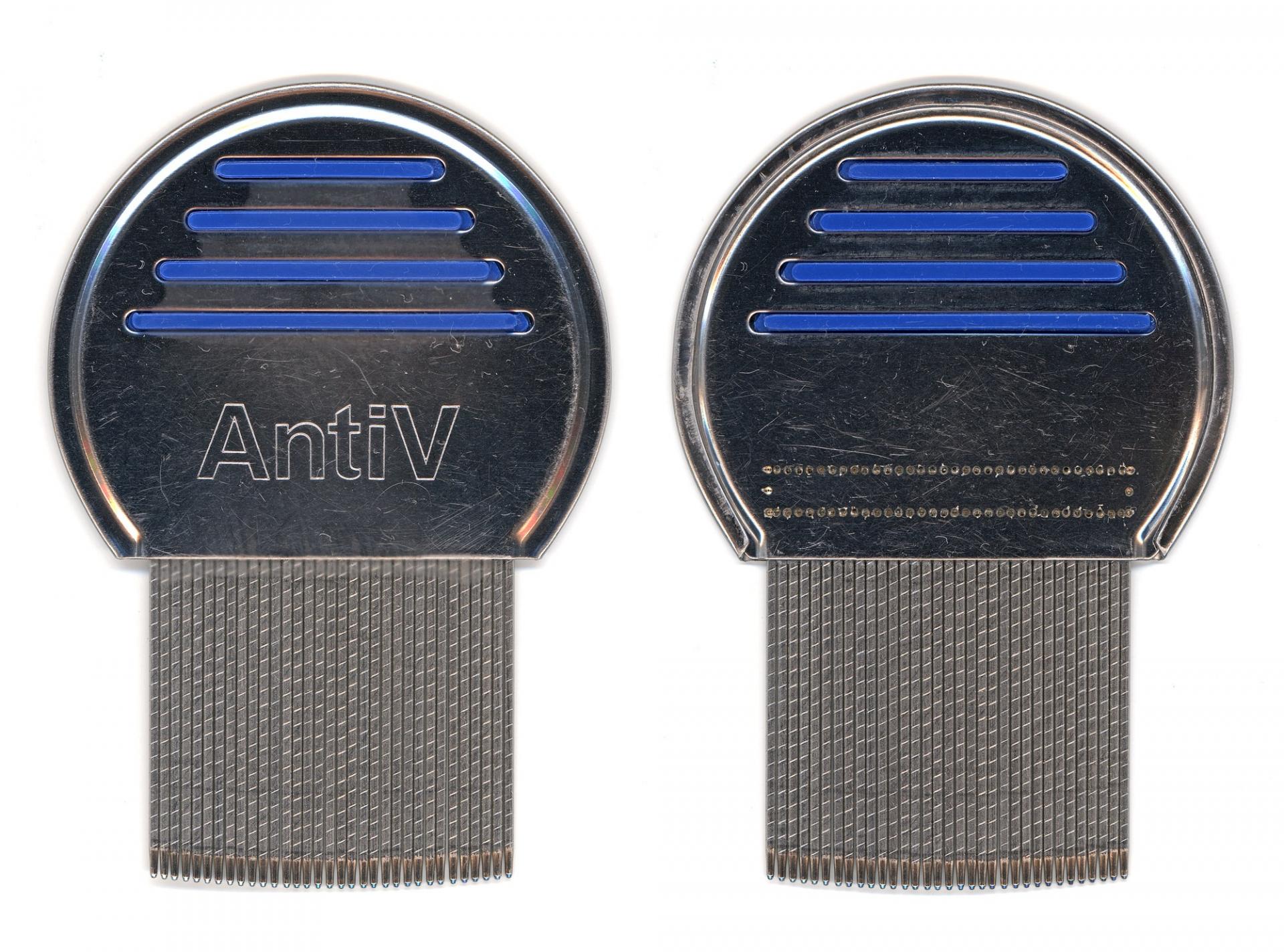
Special combs for combing out lice and nits can be purchased at the pharmacy.
Getting rid of lice and nits is easy with hair conditioner applied after washing and two combs: one with fine and one with wide teeth. Divide your hair into sections and comb each section first with a wide-tooth comb, then with a fine-tooth comb. Rinse the tools periodically with boiling water. The conditioner will also remove the parasites. This procedure should be repeated every four days for two weeks. This method is used if it is not possible to use remedies for the treatment of pediculosis, but it should be taken into account that the degree of its effectiveness is quite low.
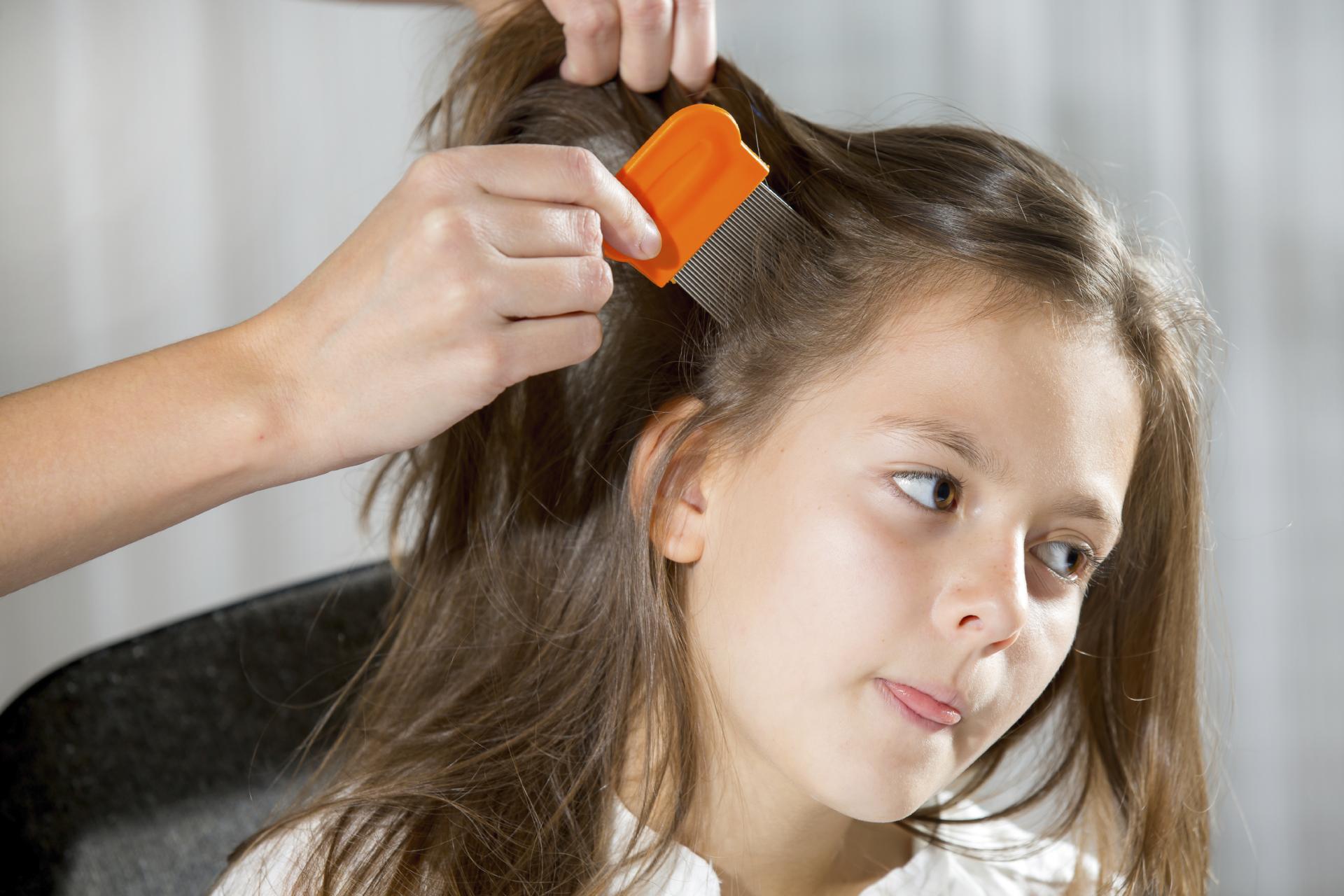
Combing is an integral part of head lice treatment.
Combing with conditioner cannot be combined with the use of chemical preparations, since its components create a protective film, and the products used will not be able to have a therapeutic effect.
Video: Using Pedikulen Ultra and combing out lice and nits
Prevention of pediculosis
To prevent the occurrence of pediculosis, you must adhere to the following rules:
- 1-2 times a month, examine children for lice and nits;
- change bed linen and underwear regularly;
- iron children's clothes, especially seams;
- maintain child hygiene (take baths regularly, do not share personal hygiene items);
- Girls are better off giving up loose hair and doing their hair up;
- use preventative shampoos, for example, based on lavender, tansy, tea tree.
Reviews
Treatment doesn't require swallowing any pills; it's exclusively topical. The selection is quite wide, and any pharmacy will likely offer something. Anti-lice products are quite effective, and the price is determined by the country of origin and the buyer's aesthetic preferences. Some products have an odor that's unpleasant not only for lice but also for humans, but if you're willing, it's easy to buy an overseas miracle product that's indistinguishable from regular shampoo.
It's quite obvious that, having discovered lice or nits on themselves or their child, the unfortunate sufferer most likely won't rush to the doctor. No, if they do, the doctor will, of course, make a diagnosis and recommend the appropriate treatment. But since this isn't always the case, we'll provide a list of medications, as pediculosis is one of those human diseases where self-medication is better than spreading lice.
BENZYL BENZOATE is a 20% emulsion for adults and a 10% emulsion for children. Shake the emulsion and apply it to the hair with a cotton swab, gently massaging it into the scalp. Afterward, it's a good idea to wrap your head with a scarf. After 30 minutes, wash with running water and shampoo, and comb your hair to remove any dead lice.
NITTIFOR is a solution in a bottle. Soak the area generously with the undiluted solution (as with benzyl benzoate—a gauze pad or bandana). Shampoo and run water after 40 minutes.
Other medications (instructions are available everywhere, so it's easy to figure out):
PEDILIN, also known as MALATHIONE, ANTI-BIT, RID, ITAKS, SIFAX - shampoos.
PARA PLUS is an aerosol for the treatment of head lice.
SPRAY-PAX is an aerosol for the treatment of pubic lice.
NOC - cream shampoo.
The list provided is quite sufficient to defeat lice, which is something we would really like to wish to all victims.
There's a new product called NUDA. It comes with a plastic comb, although Nix is better. It's damn expensive, but it has a great consistency—like oil. My daughter has long hair, and it's the only thing I can comb and get everything out. There's a pharmacy called Udachnaya near Sennaya metro station—Grivtsova 13. It's cheaper there, and—miracle!—they sell the comb separately. So, this is what I did this summer: I applied Nix to everyone except my daughter, using Nuda. I washed everything that could be washed, and what couldn't, I washed with Para Plus. Three or four days later, I treated my daughter again, I don't remember—I think with Nix. It helped.
We had this "delight" this winter. It got rid of the boys' lice quickly, but my daughter didn't. Surprisingly, Paranit helped. I see it advertised in the subway. It's unclear how it works—it seems to only contain essential oils. But it also comes with a special comb. It's really helpful for combing out the nits. Anyway, after using Paranit, everything cleared up. It's expensive, though. Be sure to check everyone else's lice thoroughly! I also ironed everyone's beds every night.
We had head lice in our kindergarten, and one mother didn't notice and brought her lice-ridden child into the group. Everyone got infected. The group was quarantined for probably two weeks. There were no other options, so the parents' committee bought everyone Para Plus. It was cured in two days. I was always afraid it would reappear, but it all went away. We never saw them again.
There's a product called Nittifor, it's very effective. I used it when I was a child (I brought it from kindergarten). It kills both larvae and adults in 1-2 applications. It's proven: we only combed out the dead ones, not the living ones. Incidentally, it's also very effective against fleas (we've treated my cat with it many times).
Pediculosis is an unpleasant and difficult to treat condition. However, there's no need to panic if your child develops lice. Today, there are numerous medications that can quickly eliminate this scourge. Folk remedies, used for generations, have also proven effective. It's important to remember that lice and nits aren't limited to children from disadvantaged backgrounds. Anyone can become infested, and there's no shame in it. However, to reduce the risk of infection, it's important to take preventative measures.