Getting rid of lice and nits quickly is easy these days. There are medications and folk remedies that can help. But not all of them are suitable for children.
Content
How to cure pediculosis in a child
To remove lice and nits from children, use one or more of three methods:
- chemical - the use of drugs;
- mechanical - combing with combs;
- folk - time-tested recipes based on vinegar, hellebore water, onion juice.
Each has its pros and cons. Folk remedies are cheaper and safer, but less effective than chemical ones. And nit combing is a mandatory step in the lice removal process.
Before using any product, perform an allergy test: apply a small amount to your skin and monitor its condition and general well-being for two or three hours.
Chemical lice treatments
Depending on the method of action on the insect and its eggs, anti-pediculosis drugs are divided into two groups:
- Insecticide-based treatments—permethrin, malathion, and pyrethrin—damage the nervous system of adult lice, leading to paralysis and eventual death. They do not kill nits and are contraindicated for pregnant women and children under five.
- Based on dimethicone and mineral oil, these products coat the lice with a thin film, blocking their access to oxygen.
The products are available in the following forms:
- shampoos;
- emulsions, lotions;
- sprays;
- gels, ointments and creams;
- tablets.
Shampoos
Most lice treatments are available as shampoos. The general guidelines for their use are as follows:
- Please read the instructions carefully beforehand.
- Use only if lice are present, not for prevention.
- For combing out nits, choose a fine-toothed comb. Some shampoos come with these.
- After using the product, wash your hair with regular shampoo and rinse with a vinegar solution (no more than 250 ml of a 9% solution per 0.5 l of water). The acid corrodes the chitinous shell of the eggs, making it easier to remove the nits from the hair.
- Continue combing for the next five to seven days.
- If live insects are found, repeat the procedure after a week or as directed in the instructions.
Lice shampoos for children: table
| Name of the drug, manufacturer | Active ingredient | Method of administration, dosage | From what age should it be taken? | Features, side effects, contraindications |
| Nok, STS Chemical Industries, Israel | Permethrin |
Consumption: 10–60 ml per person depending on hair length. | From the age of two |
|
| Pedilin, Krka, Slovenia |
| |||
| Sumithrin | Sumitrin (synthetic permethrin) |
|
| |
| Hygia, Bulgaria | Permethrin |
| Since the age of five | This product contains acetic acid, so itching or tingling may occur. If any discomfort occurs, rinse off immediately. |
| Paranit, Belgium | Clearol (white mineral oil) |
| From the age of three |
|
| Pediculen Ultra, | Vaseline, jasmine essential oil |
|
| |
| Paranix, Omega Pharma | Mineral oil and dimethicone |
| From the age of two | Redness of the skin in the head, neck and behind the ears is possible. |
Photo Gallery: Lice Shampoos
-
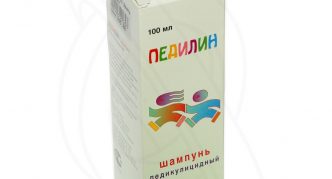
- Pedilin shampoo is recommended for children aged two and above.
-
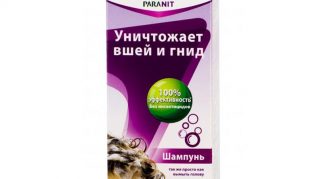
- The active ingredient of Paranit shampoo is mineral oil.
-
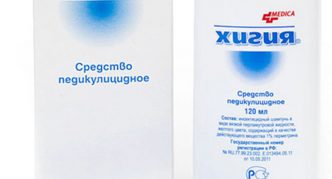
- Hygia shampoo contains permethrin, which has a detrimental effect on the nervous system of lice.
-
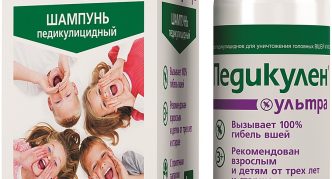
- Pedikulen Ultra shampoo is left on the hair for three hours.
Emulsions and lotions
For the treatment of children, products in the form of lotions or concentrated emulsions are used:
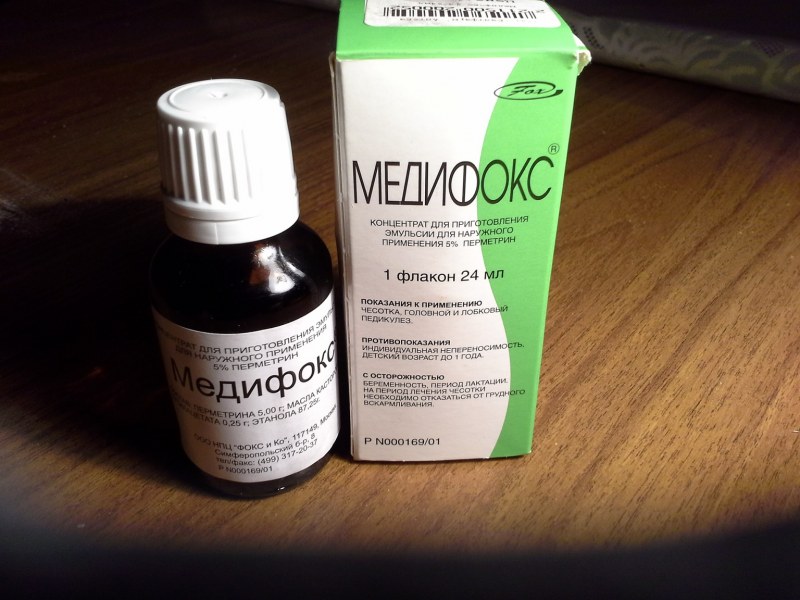
- Medifox. Do not use in its pure form. Dilute the product with warm water (1:25). Apply the solution to a cotton pad and apply to the entire length of the hair and scalp. After 20 minutes, rinse with warm water and comb through. The active ingredient is the insecticide permethrin. The drug is contraindicated for children under one year of age and pregnant and lactating women. Do not use if there are any skin lesions on the scalp. Allergic reactions such as redness, itching, and rash may occur rarely.

Medifox can be used to treat head lice in children from 12 months of age.
Nittifor lotion is suitable for children aged five years and older. The active ingredient is permethrin. Apply the lotion generously to hair and rinse with warm water and regular shampoo after 40 minutes. Rinse with a vinegar solution and comb with a fine-tooth comb. Repeat treatment as needed, but no more than twice a month. Wear gloves when handling.
Sprays
All of these are applied to dry hair and washed off after a certain period of time. Their advantages include ease of use and safety, but their disadvantage is the difficulty of treating the entire affected area. Those containing permethrin are more effective, but more toxic.
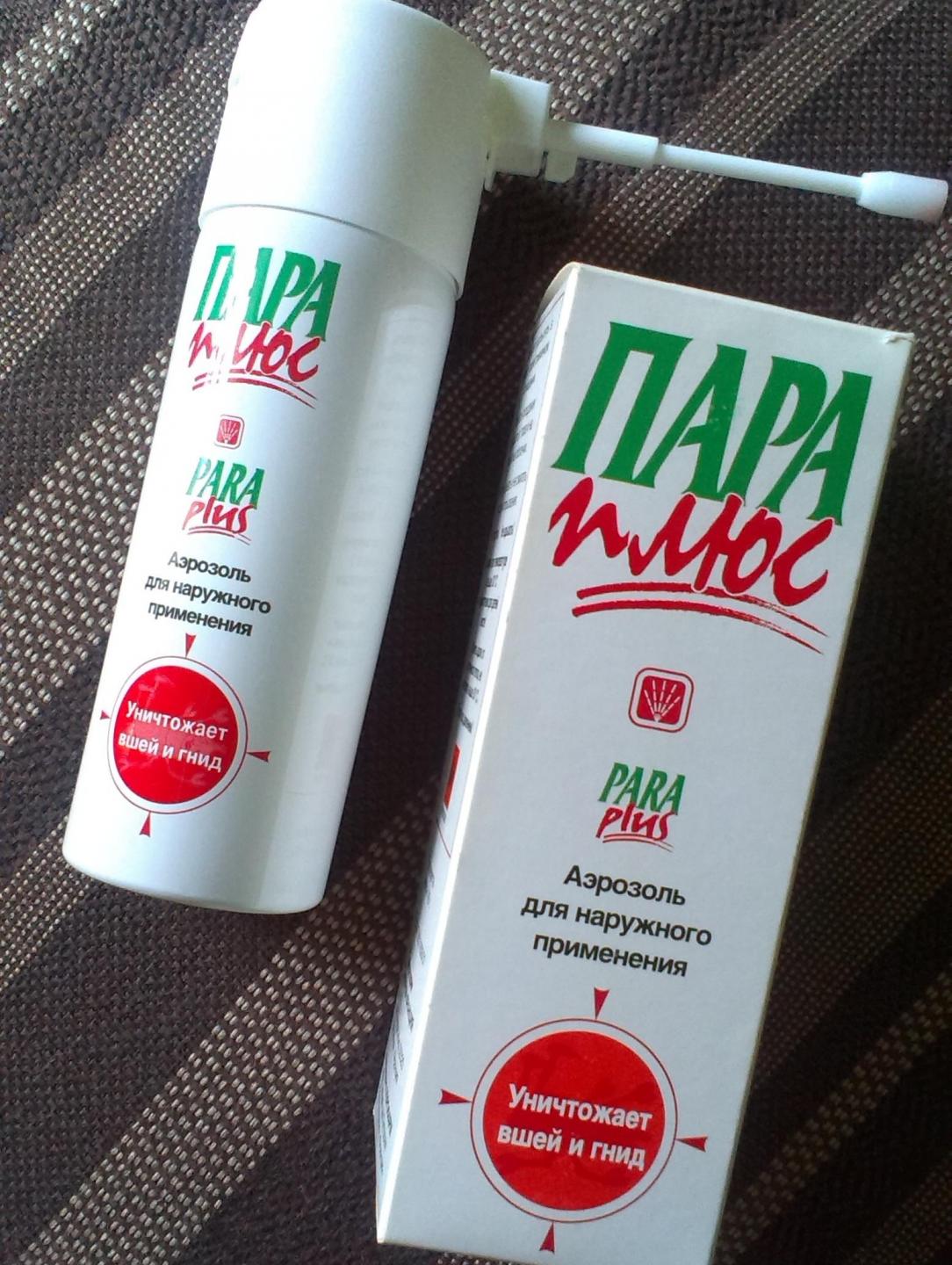
- Para Plus. This combination product, based on malathion, permethrin, and piperonyl butoxide, is expensive but effective. It is indicated for children 2.5 years and older. Do not use if you have asthma. Spray the hair and scalp and rinse after 10 minutes, first with water and then with shampoo.
Para Plus spray should not be used by children with bronchial asthma.
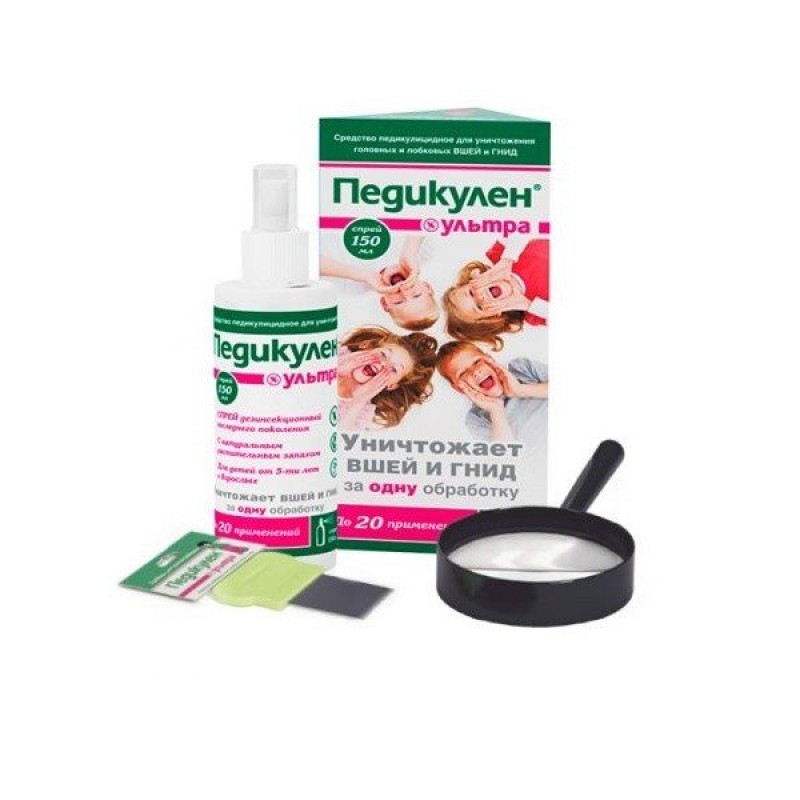
- Pedikulen Ultra. The active ingredient is anise oil. This product is contraindicated for children under five years of age. It works the first time and kills insects and nits. The kit also includes a magnifying glass and a comb.
Pedikulen Ultra spray kills lice in one use
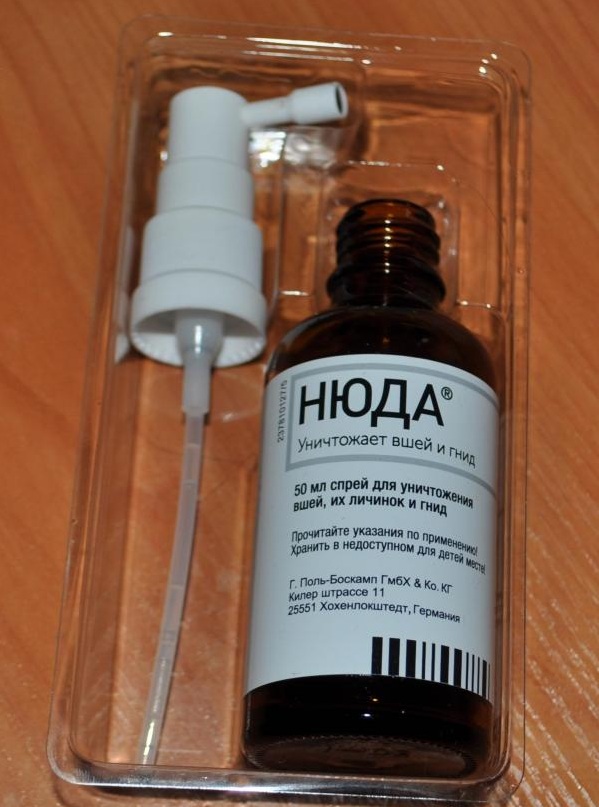
- Nyuda. Active ingredient: dimethicone. Suitable for children aged three and up. Apply to hair for 45 minutes. Re-treatment is possible after a week.
German spray Nuda can be used to treat head lice in children from three years of age.
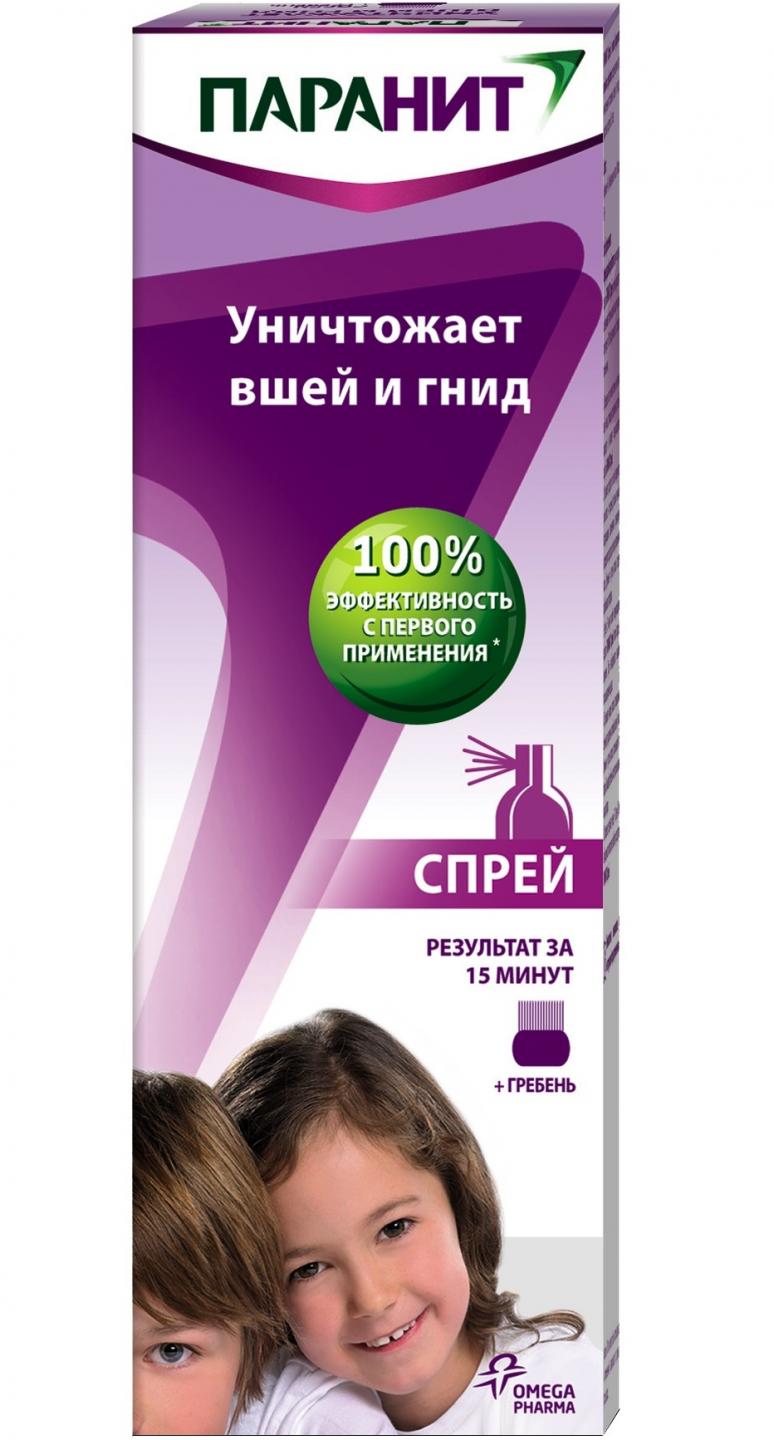
- Paranit. This dimethicone and white mineral oil-based spray is suitable for children ages 3 and up. Leave it on the hair for 15 minutes. It doesn't affect nits, so repeat treatment is required after a week.
When using the aerosol form of Paranit, repeat treatment is carried out after a week.
LiceGuard spray is used to prevent head lice. It is non-toxic and suitable even for infants.
Safety rules for using sprays
To avoid harming children, treat head lice with aerosols in ventilated areas. Protect the child's eyes and mouth with gauze masks. If the product comes into contact with mucous membranes, quickly rinse your nose and mouth with running water. Consult a doctor if a burning sensation persists after rinsing. The mother or anyone handling the spray should wear rubber gloves.
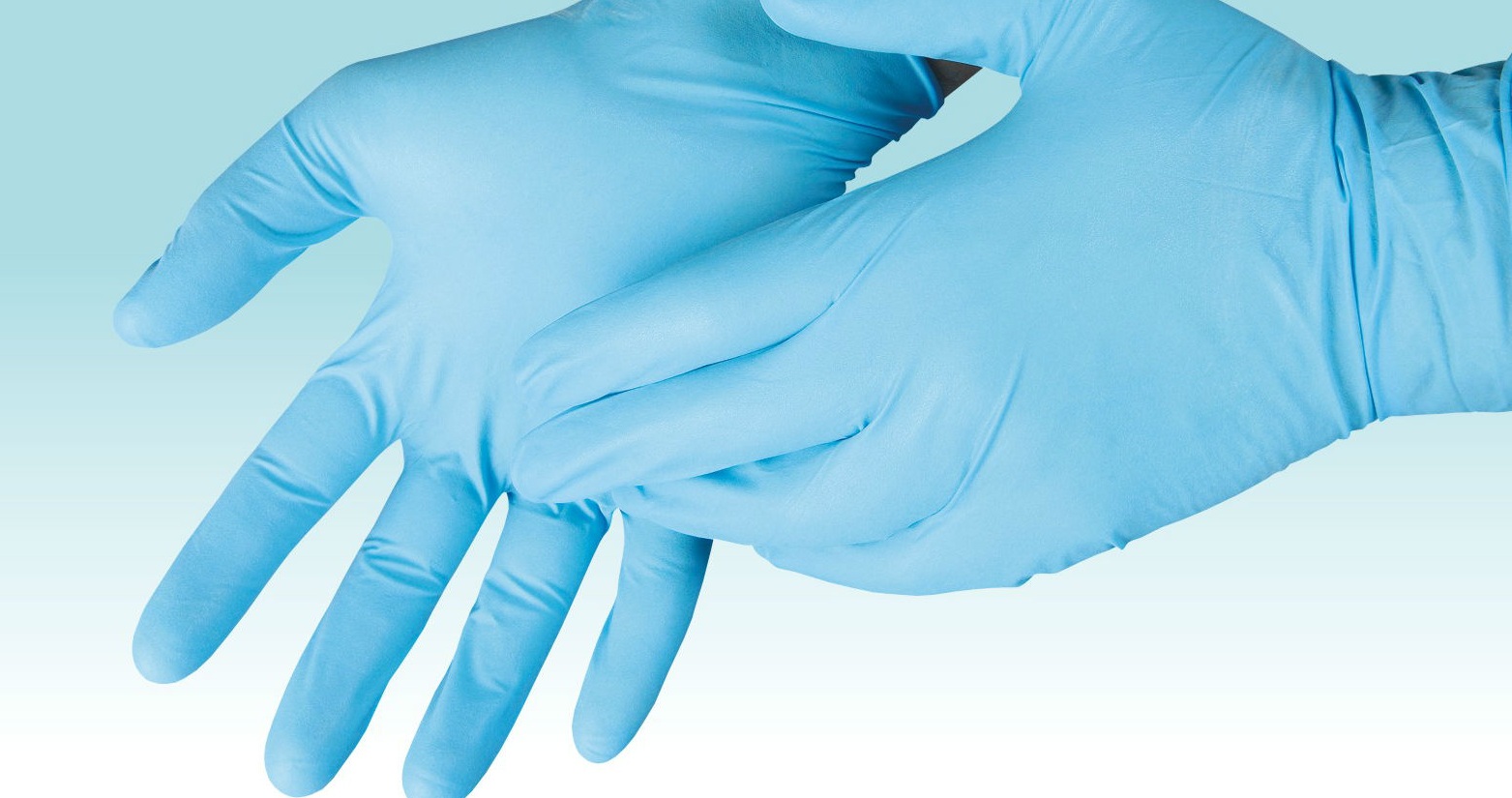
When treating hair with lice sprays, wear rubber gloves.
Video: Removing lice with Pedikulen Ultra spray
Creams, ointments, gels, tablets
They're inexpensive, but require multiple treatments and are difficult to use. Applying these products to the entire length of the hair and covering the affected area is difficult. Washing them off is also difficult. Therefore, they are used less frequently than shampoos and sprays. Popular permethrin-based products include Nittifor (for children aged 5 and over) and Nix (for children aged 2 and over). They are applied evenly to clean, dry hair and left on for ten minutes. Rinse with water. Combing is also necessary.
Doctors rarely prescribe lice medications in tablet form to children. Most existing medications are contraindicated for children under 5 years of age and are antihelminthic, such as Levamisole, Ivermectin, and others. They work by making human blood unattractive to parasites.
Mechanical method of combating lice and nits
This involves using combs. Their teeth are serrated, narrowing the gaps so that hair passes freely between them, trapping lice and their eggs. This product can be purchased at a pharmacy, online, or along with a lice treatment. The fastest and most effective way to remove nits and lice from a child is to combine combing with chemical or folk remedies.
Types of combs
There are 4 types of brushes used for combing hair:
- Plastic combs. These are often included in packaging for lice shampoo or spray. Their drawback is the extreme flexibility of the teeth, which quickly leads to the gap between them widening. Such a comb will no longer capture lice, but will instead let them through.
Plastic combs are often sold as a set with lice shampoo.
- Wooden. A durable comb that bends less than the previous one. However, its teeth lack micro-serrations, so the effectiveness of use is not as high.
Wooden tooth combs are better at removing lice than plastic combs.
- Metal combs. They have rigid, elongated teeth spaced tightly together—less than 0.9 mm apart. An adult nit has a body length of 2–4 mm, while a nit is only 0.4 mm. Therefore, they are captured by this type of comb. The barbs damage the eggs, preventing them from hatching. This design makes these combs particularly effective.
Metal combs are best at trapping lice and nits.
- Electronic. They work by electrocuting the insect when it comes into contact with the teeth. The advantages include no chemical exposure to the child's hair or skin, no strong odors, no burning, and no itching. But for very small children whose hair is still soft, this comb is not suitable. It is only effective on medium-hard hair.
The electronic comb works well for removing lice, but only on medium-coarse hair.
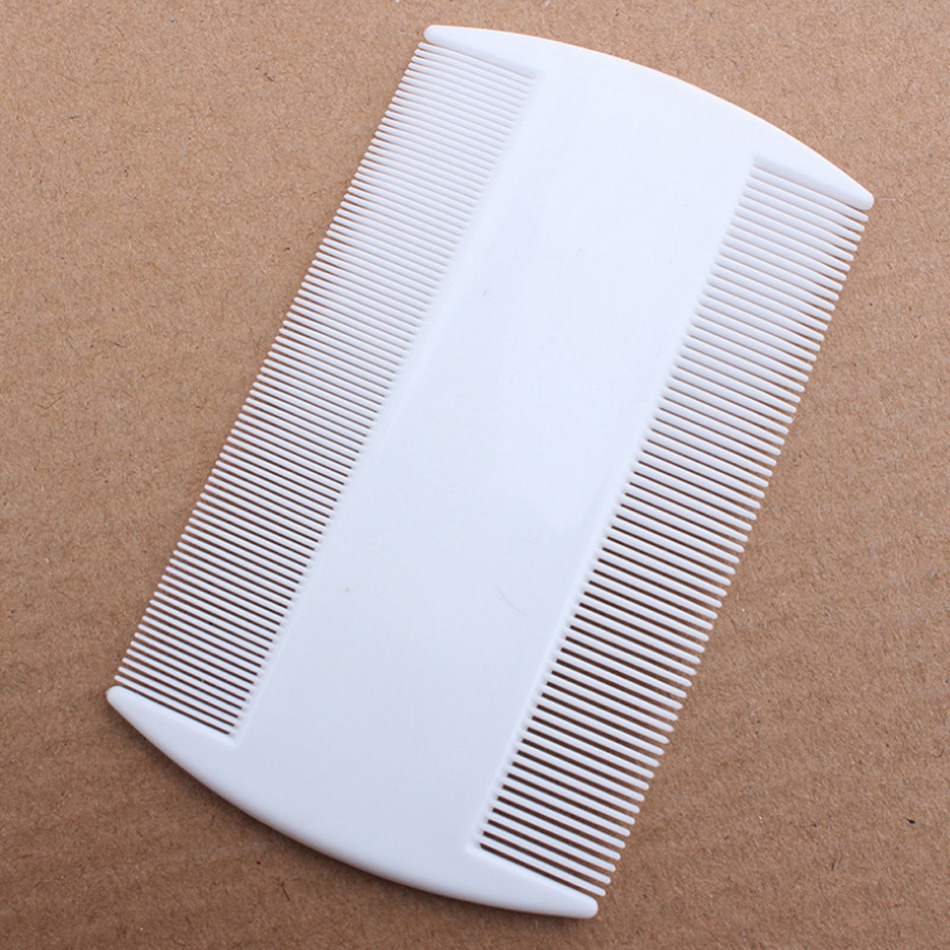
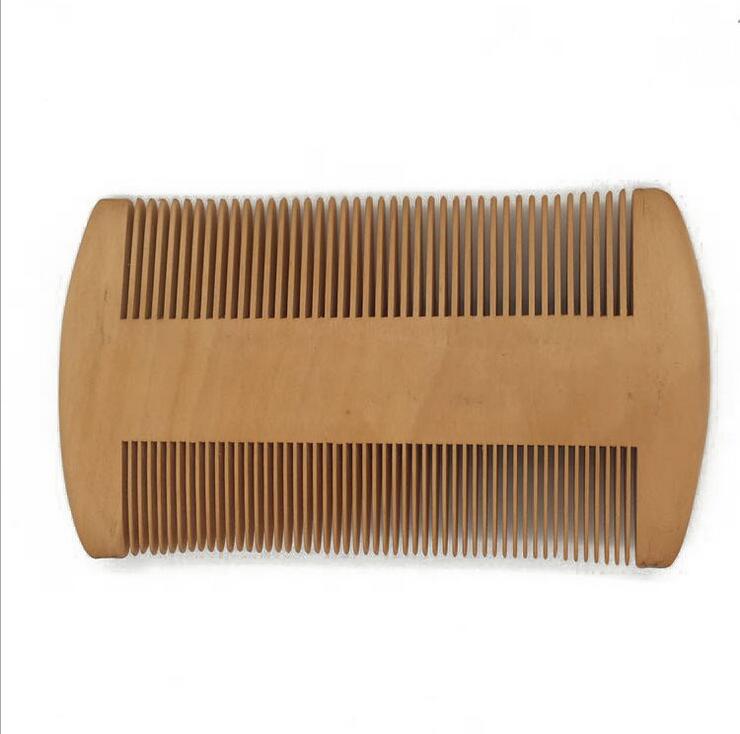
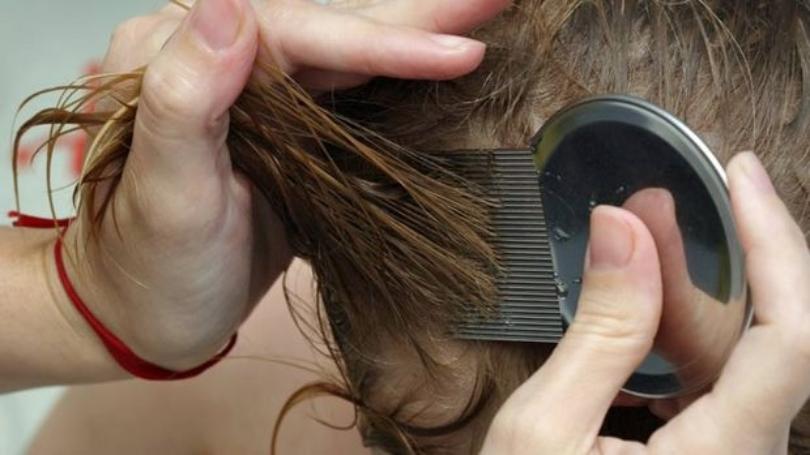
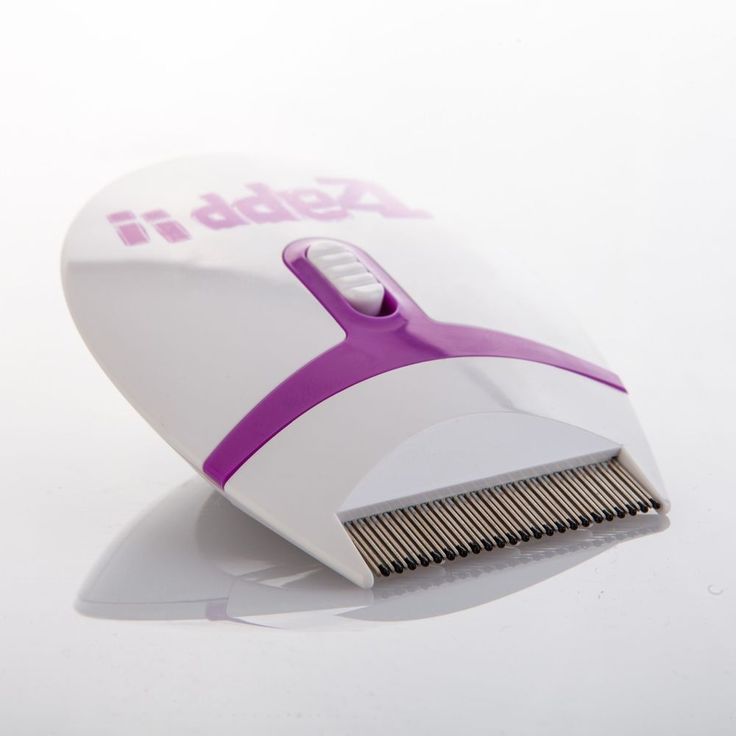
Photo Gallery: Popular Lice Combs
-
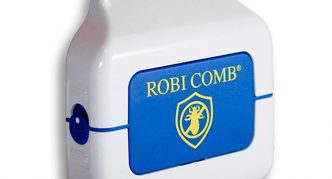
- The ends of the comb have anti-static balls that protect the scalp from discharges.
-
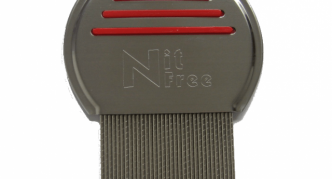
- The NitFree comb does not damage your hair or irritate your scalp.
-
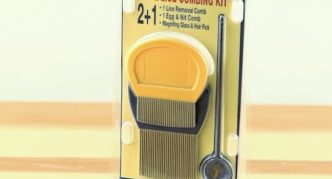
- LiceGuard is a set of two combs with teeth of different lengths.
-
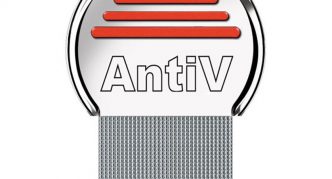
- The AntiV comb has long teeth with raised notches.
How to properly comb out nits from a child
Nits attach to the hair with a special substance that hardens when exposed to oxygen. To facilitate combing, various products that reduce the stickiness of the substance are used. The most common and readily available is a solution of table vinegar. It is diluted with water in a 1:1 ratio. Typically, after rinsing out shampoo, aerosol, or other lice treatment, the hair is rinsed with this solution. Then, combing begins:
- Choose a well-lit spot in the room. Ideally, position yourself near a window on a sunny day. Brushing over the bathtub is also convenient.
- Place white sheets or cloth on the table so you can see the results of your work.
- If the child's hair is long, it is better to gather it into a ponytail on one side and gradually release the strands as you work.
- Moisten your hair with a vinegar solution or apply conditioner to facilitate the removal of nits.
- Take a small strand and comb it from roots to ends.
- Wash off any insects and nits that are on the comb with water.
- Repeat the procedure with all hair.
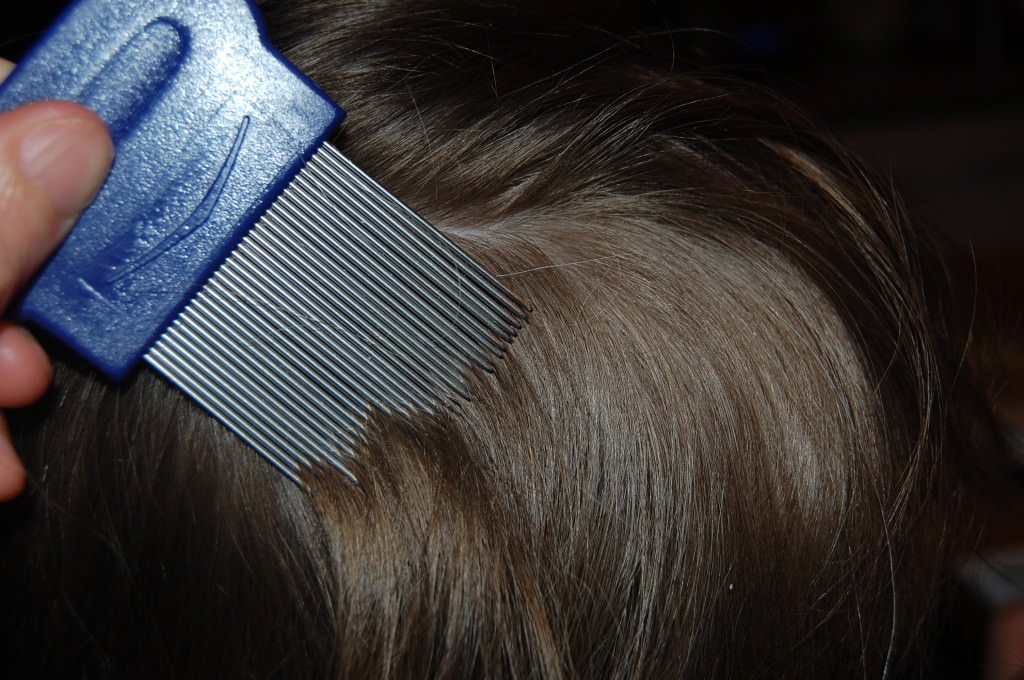
Each strand needs to be combed thoroughly from the roots to the ends of the hair.
Folk remedies for lice
They are less effective and safer than chemical treatments. This is a good treatment option for children, but its downside is that a course of treatment usually consists of several procedures. Not every child can be persuaded to endure it.
The most common means:
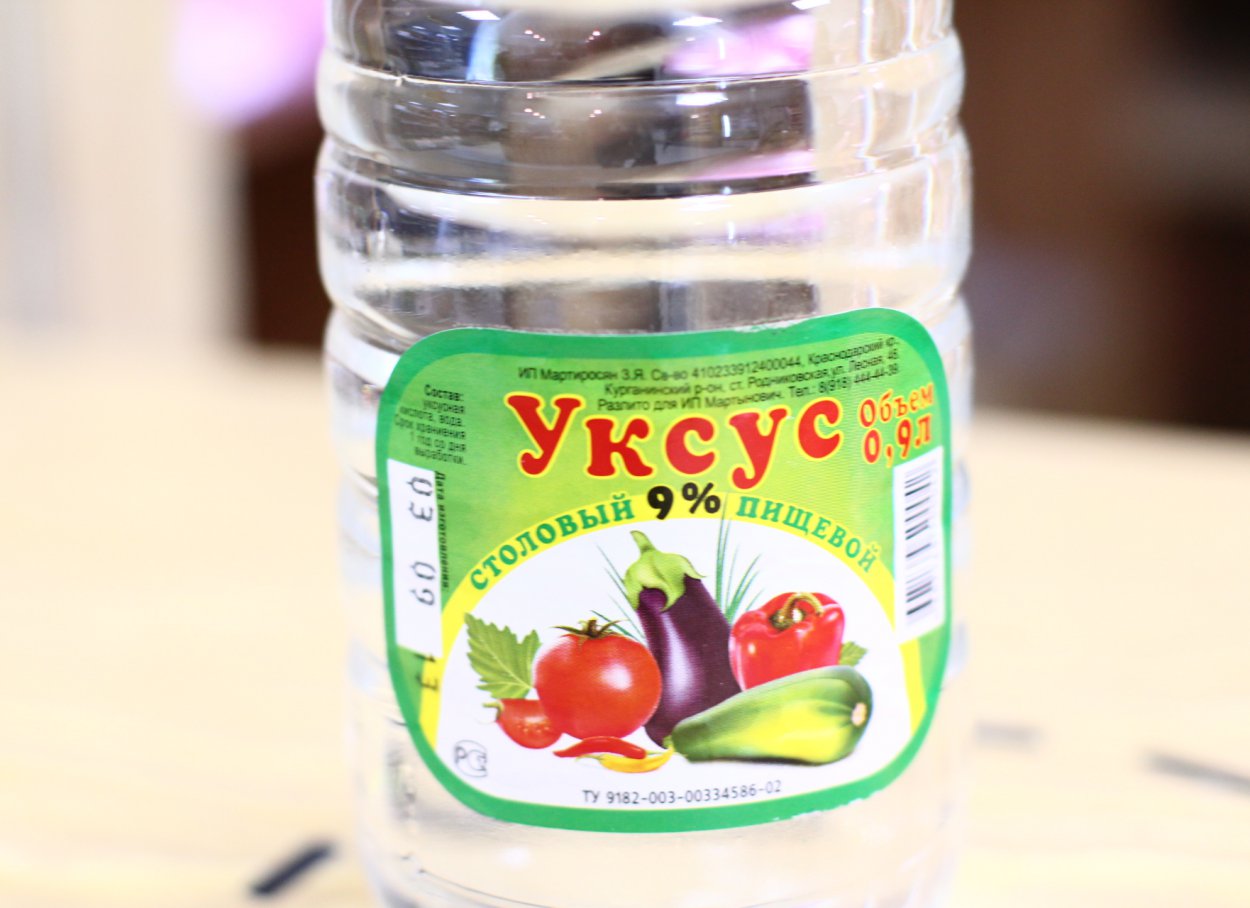
- Table vinegar, 9% strength. Dilute it with warm boiled water or olive oil in equal parts, and apply the solution evenly to the hair with a sponge. Lice's favorite places are the back of the head, roots, and the area near the temples. Therefore, the treatment is repeated several times to ensure nothing is missed. Afterward, the hair is covered with a shower cap, and after half an hour, the hair is washed with shampoo. Two treatments are usually sufficient to completely eliminate the parasites. Care must be taken to ensure the correct dosage, as high concentrations of the acid can cause chemical burns to the skin.
Diluted table vinegar is a safe and effective remedy for lice.
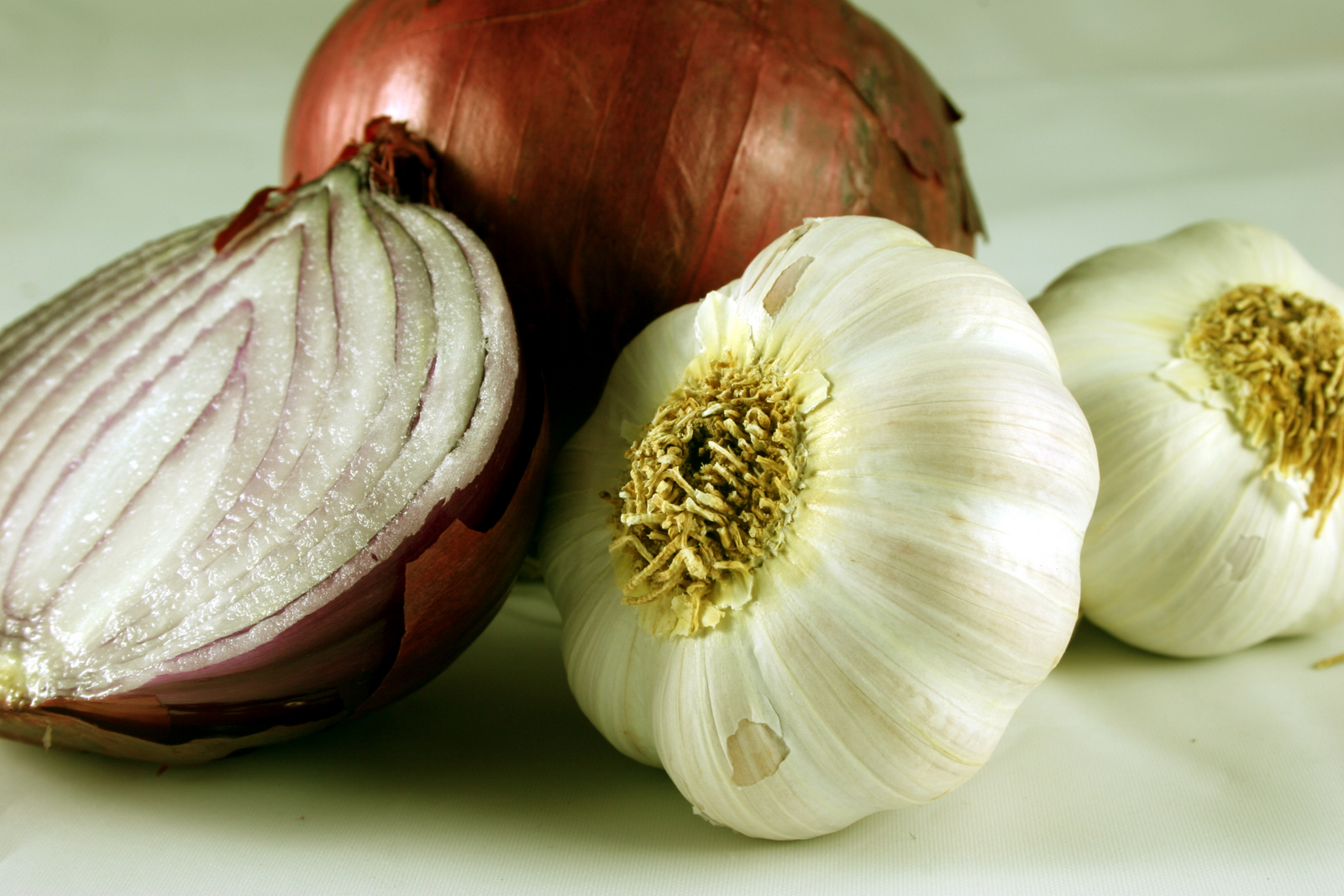
- Garlic or onion juice. Take 100 g of onion and 30 g of garlic, chop them, and wrap them in several layers of cheesecloth, like a bag. Place them in a narrow container to collect the juice. This amount will yield about 50 ml. Add 100 ml of vegetable oil and apply the resulting mixture to your hair with a sponge. Wrap your head in a paper towel and wait half an hour, then rinse with warm water and tar soap or baby shampoo.
Onion and garlic juice with vegetable oil helps fight lice.
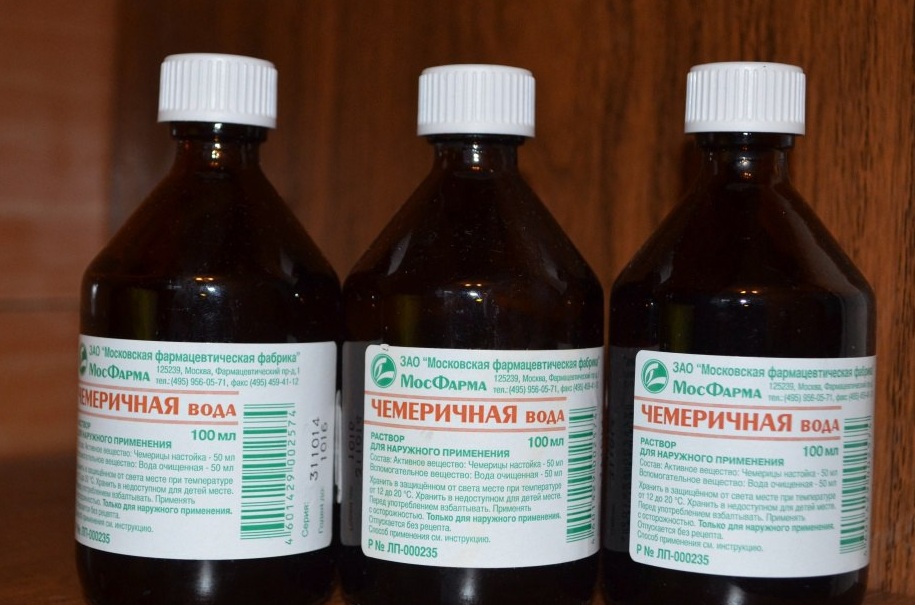
- Hellebore water. The preparation contains ethyl alcohol. For treating children, a 25% solution is used. To do this, dilute the pharmacy tincture with water 50/50. The application method is the same as for vinegar. However, the exposure time is shorter—no more than 15 minutes—and re-treatment is possible only after a week.
To remove nits and lice from a child, you can use hellebore water diluted half and half with water.
These products are used on children from six months of age. The difficulty is that they must be kept away from any part of the baby's body except the scalp and hair. Combing with a comb is also necessary.
Kerosene is often used to remove lice. This is used on children starting at age five, with the addition of other softening ingredients (oil, water) and a reduction in exposure time to 15 minutes. However, it's better to choose safer treatments.
Video: Chemical, folk, and mechanical methods for treating pediculosis
Reviews
I can say that Hygia really helped us out with this unpleasant issue. If you follow the instructions correctly, everything will work out. My hair didn't get damaged after using it; it even looked shiny... that's it. My scalp wasn't damaged either, and there was no burning or redness. The price is significantly lower than other popular products. We paid about 80 hryvnia (200 rubles). It comes with a comb, which is essential for this purpose. I highly recommend this shampoo!
The AnitV comb lived up to my expectations! It easily combed out those tiny nits left over from the day before yesterday's Nitfree mischief! It's well-deservedly praised.
Our family encountered this problem after our child spent the night at a friend's dacha. The whole family was infested with lice. On the pharmacist's recommendation, we purchased Paranix because it's fragrance-free and safe for children aged 6 months and older. It comes in a spray for easy application. Apply to dry hair and scalp, then wait 15 minutes. It's easy to apply and lathers like shampoo. Afterward, wash your hair with shampoo and comb out any dead nits. I've done this for the whole family, and now our heads are clean, and there are no critters crawling around.
Pedikulen Ultra shampoo should be applied to dry hair and left on for three hours, which is what we generally did, then combed through with a comb and rinsed. Since I was experiencing this problem for the first time, I naturally didn't know about combing and didn't think to buy one, so I had to comb through with a regular fine-toothed comb. Ultimately, all the nits in my scalp dried out after using it, but some of my child's nits remained alive (this was noticeable, as they grew larger after a short period of time). However, they were few in number and easy to remove. Ultimately, the shampoo didn't kill all the nits, even though the packaging claims it does.
Frankly, we didn't go to the doctor; it was terribly embarrassing. My husband and I examined each other's heads, and although we didn't find anything visually wrong, we decided to treat the child with everything possible to save her hair. And just in case, we decided to buy a lice and nit treatment that was safe for pregnant women. That's how we got Nyx cream and Nuda silicone spray. The latter was specifically intended for me due to its safety, but we ended up using both medications on our daughter. Applying a not-so-pleasant-smelling substance to her scalp and hair proved challenging for a four-year-old. We encountered resistance and had to persuade her, promising to buy her unimaginable things if she tolerated it. The product is easily distributed. If your child is allergic, it's best to avoid risks and consult a doctor. My husband applied the cream, and I was kept at a safe distance from the procedure, so I sat there, crying my eyes out of pity for my daughter. But if you're going to treat it, you'll treat it. Nix really does work against lice, but it's a bit hard to wash out of hair. After one application, we couldn't find any live lice, but we still had to comb out and pick out the stuck nits. Then a second spray came in handy. Overall, it's a decent product, if you allow for the smell and less-than-perfect safety. Be careful around children, especially to avoid getting it in their eyes.
Well, the new school year has begun, and with it new problems. My middle daughter brought lice home from school on her long, thick hair. As soon as I saw this nasty thing, I ran to the pharmacy. They offered me a choice of cream, shampoo, and spray. I chose the Para-Plus spray because of the price – "only" 400 rubles, while the other products were 700-800 rubles. The spray proved effective, working the first time, although our case wasn't severe. I found only one insect, no larvae, so my daughter must have just recently contracted this nasty thing. Incidentally, the spray can be used on bed linens and the collars of clothes, which is not as easy to do with shampoo or cream. It left no marks on the fabric. One downside is that it doesn't come with a fine-tooth comb, which is highly recommended, just to check if the treatment worked.
Hair soaked in the tincture should be covered with a scarf or shower cap and washed as usual after 30 minutes. By this time, all the insects should die, and the adhesive that holds the nits to the hair should soften. To be honest, we kept the product on our hair longer. After rinsing it off, we combed the hair with a special comb. Upon examination of the scalp, several nits were found to be alive. However, the majority were dead and could be combed out easily. Since the manufacturer recommends repeating the treatment after five days, I don't consider the presence of a few live nits to be critical. Five days is the time it takes for lice to hatch from their nits, meaning that repeating the treatment will kill any surviving nits. We combed the hair for all five days, but for peace of mind, we reapplied the product after the recommended interval. A few days after the treatment, the child's scalp was thoroughly examined, but fortunately, no insects were found. I definitely recommend hellebore water, especially when used with a special comb. But follow the instructions, as the product is quite toxic.
Video: Dr. Komarovsky on treating head lice in children
To treat head lice in children, use chemical and folk remedies, combined with combing. This way, you'll quickly and safely rid your child of this unpleasant problem.