Cats
What kind of grass can you give to cats? 
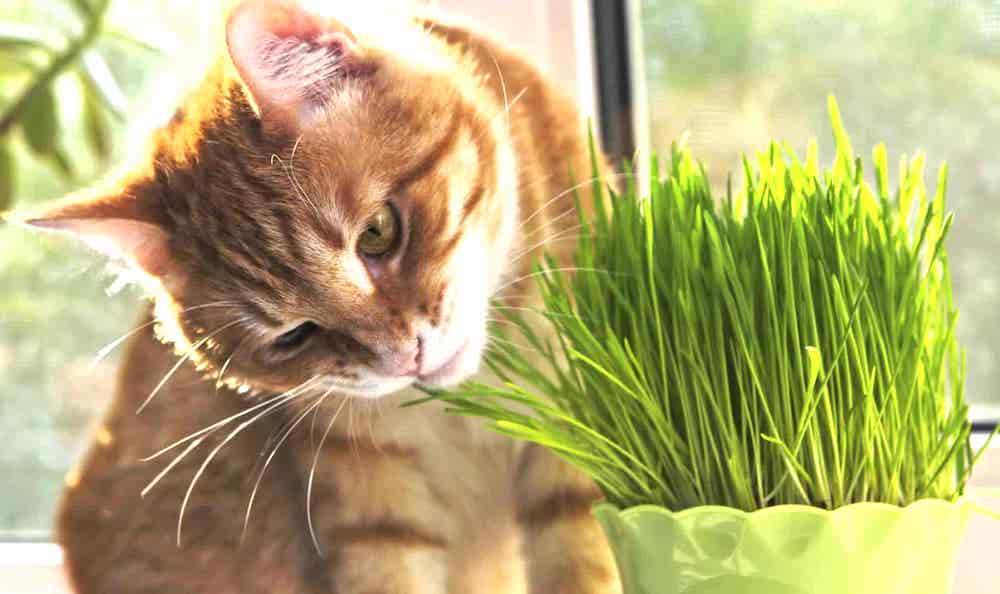
Attentive owners have probably noticed that their cats are partial to green grass. For these furry gourmets, it's not a snack at all, but rather a cure. Yes, cats really do need greens. By eating grass, they replenish vitamins and minerals, normalize gastrointestinal function, and flush out parasites. Grass also provides a natural cleansing of the digestive system—this is important for cats, as they don't respond to illness the same way humans do. Pills and potions are unavailable. So, feel free to allow your pet to eat grass. But this raises another question: what greens are suitable for pets and how to grow them at home. It's simple—see for yourself. Why do cats eat grass? Cats aren't interested in grass because they're hungry. It's a normal instinct, which helps relieve some digestive symptoms and provides a vitamin boost, just like humans who include greens in their diet. But the most important thing is that cats “cleanse their bodies” in this way.Read more
Can a cat eat raw food?
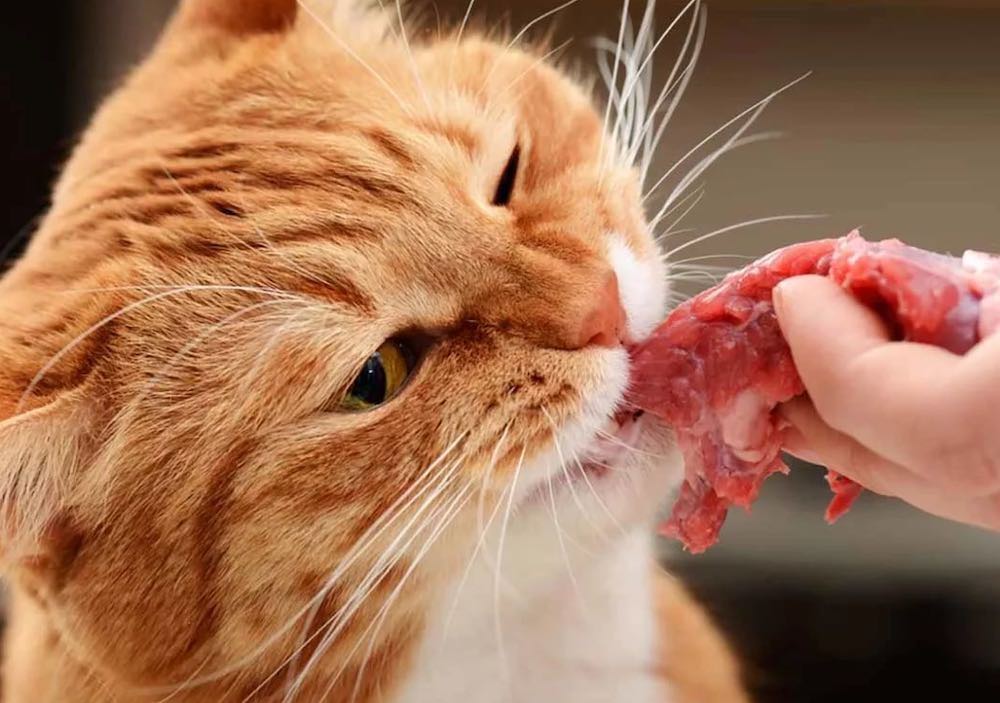
It's no secret that cats' distant relatives, living in the wild, eat raw meat and thrive. Experts recommend a mixed diet for domestic cats: dry food and natural products (milk, cottage cheese, boiled fish, cereals, and eggs). But what about raw meat, you ask? Is it really forbidden to feed a cat raw food? Meat, fish, and raw eggs are a source of protein and amino acids, which are essential for a complete pet diet. Do cats really need this kind of food? How to create the right menu for them? What should be avoided in a pet's diet? Domestic cats may ignore a half-empty plate. Others, on the contrary, are accustomed to consuming everything without a sense of proportion, especially their favorite foods. This happens because the animal has a certain algorithm ingrained in its subconscious. First, the cat is afraid of going hungry, so it may not touch the food if there is little of it. Or, conversely, dine for two—it all depends on temperament and habit. Sometimes cats ignore food offered to them. This happens with an unfamiliar menu, when the pet isn't hungry and is used to eating at regular times.Read more
3 steps to giving your cat an enema at home
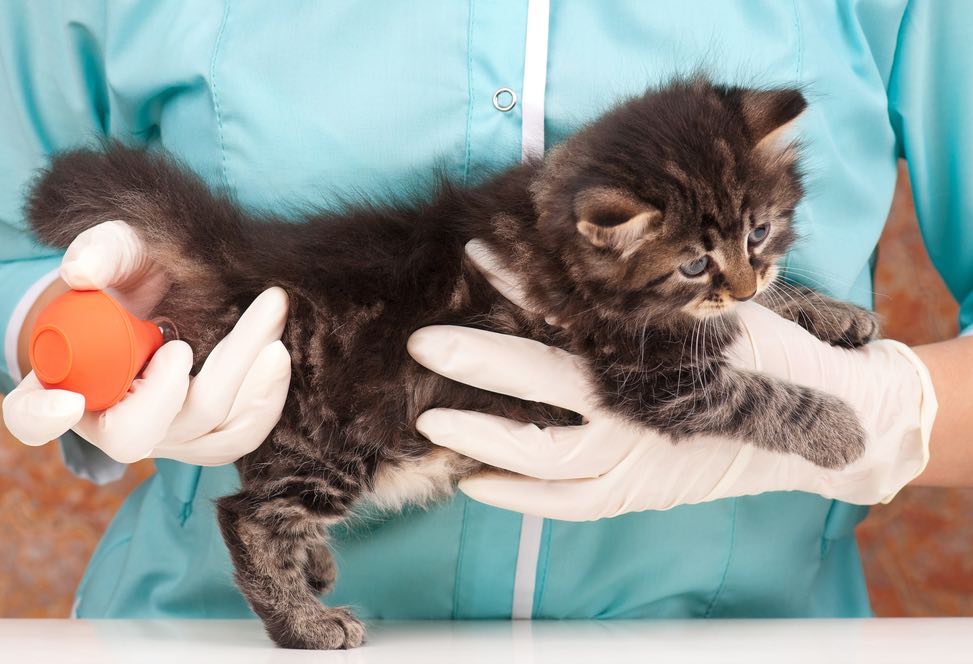
Dehydration, poor diet, and hairballs often cause constipation in cats. These pets suffer from digestive problems just as much as humans. In this article, we'll discuss how to help your cat, specifically how to properly administer an enema. If there's no veterinarian nearby, owners will have to manage this themselves—and our step-by-step instructions will help. When should a cat need an enema for constipation? Read more
How to teach a dog the "NO" command
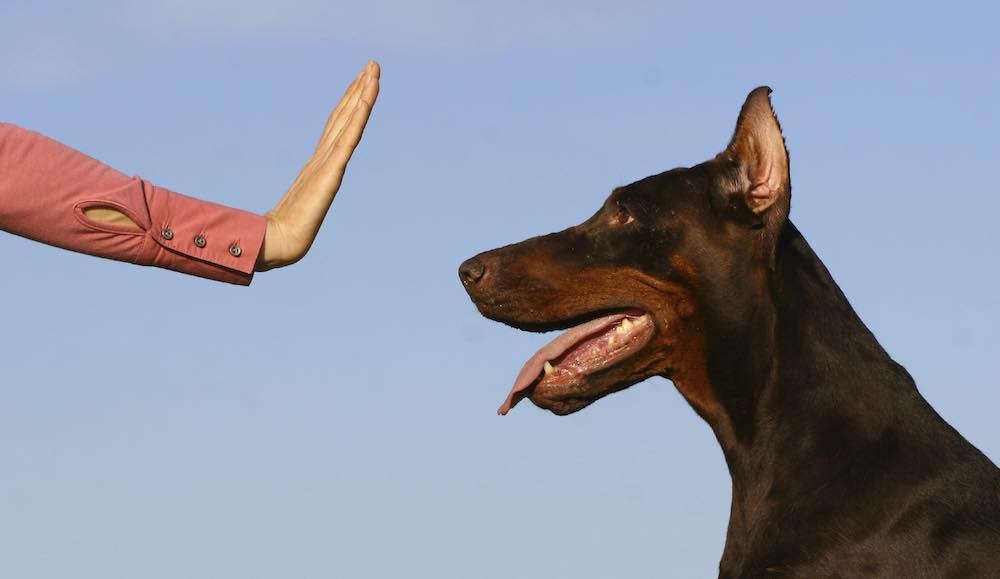
Training a dog to obey commands isn't easy. Therefore, it's best to start from puppyhood—specifically, at 5-6 months. At this age, puppies are still absorbing information like a sponge, but are also well-versed in intonation and the need to respond to their owner's requests. Teaching the "no" command is easier for a young dog than for an adult. Even the most cute, obedient, and intelligent pet should know this command. This will make life easier for both dog and owner. Let's look at how to train a pet. How to teach a dog the "no" command. The differences between "no" and "no." Contrary to popular belief, "no" and "no" are completely different commands. The former is an absolute, categorical prohibition, a distraction, focusing on the next command. It is given in a sharp, raised voice. The dog's response should be unambiguous. This is usually followed by a prohibitive or recommendatory command—a call to action, a taboo, or a command to act.Read more
How to stop a dog from marking in the apartment
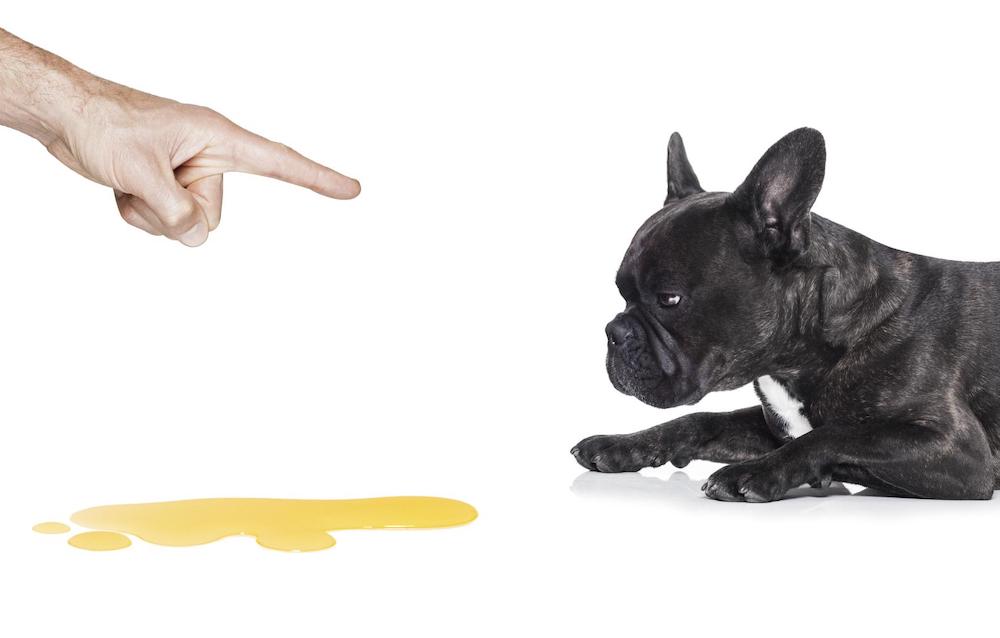
Typically, a dog is everyone's favorite pet, a family member, and simply an inimitable friend—loved, pampered, and cherished. And then suddenly, they discover they're doing "it." Bad odors, damaged property, and bad moods are the result of your dog marking their territory. What can you do about it? How can you make your four-legged friend understand that their habits are inappropriate in the apartment? Let's find common ground together. Why does a dog mark its territory? Contrary to popular belief, dog physiology doesn't mean it's a bad habit. Both "boys" and "girls" are capable of marking. But males are more likely to mark their territory. It's practically independent of age, much less the breed, weight, or size of the dog.Read more