Rodents
Japanese mice: care and maintenance 
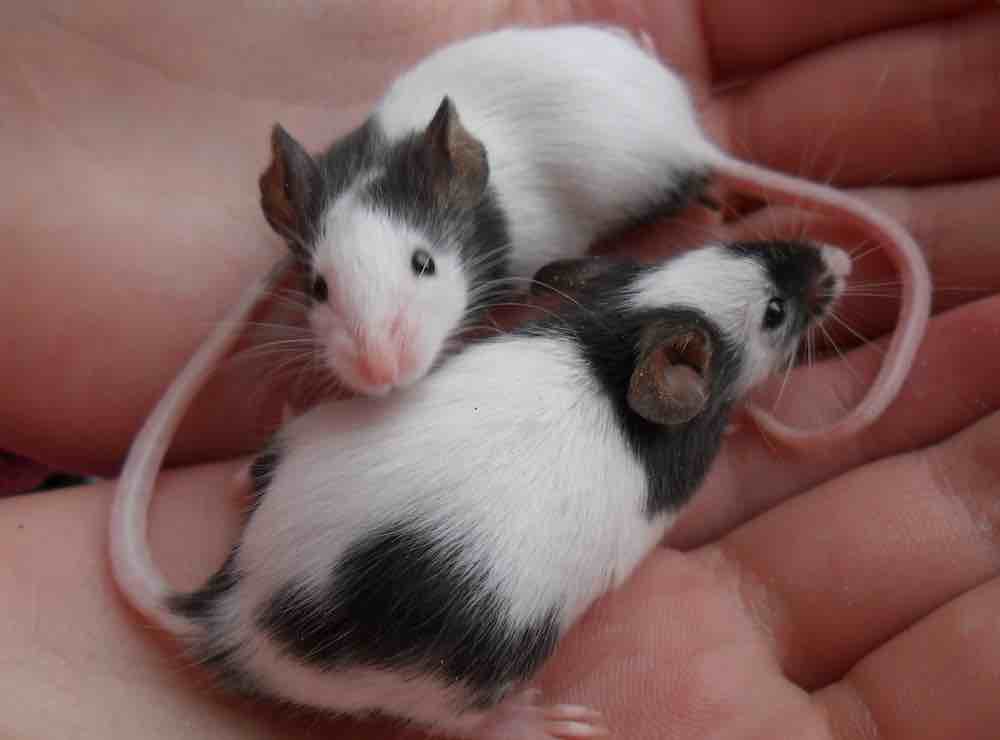
Japanese mice (also known as dwarf bamboo mice) are unusual miniature pets that easily adapt to new homes, quickly become tame, and bond with their owners. This article will explore the characteristics of this breed, including their living conditions, feeding, and care. Breed Characteristics: The Japanese mouse is a selectively bred, miniature rodent native to Southeast Asia; a type of house mouse. In the wild, these mice inhabit forest edges and tend to stay close to human habitation, especially in the fall.Read more
Syrian Hamster: Care and Maintenance
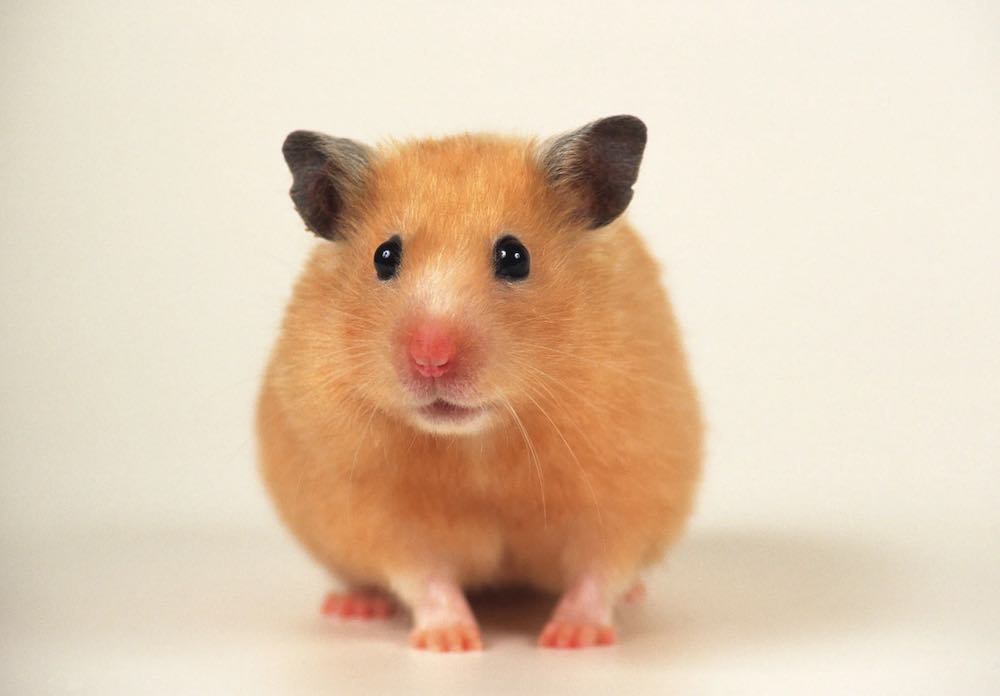
The Syrian hamster is a cute pet from the rodent family; its other name is the Persian hamster. Due to its unpretentiousness, it is a very popular pet, often kept by families with children and others. In this article, we will consider the care, feeding, and bathing of Syrian hamsters. Breed characteristics: The Syrian hamster is a medium-sized rodent (body length up to 13 cm, weight up to 250 g); it appeared as a result of crossing several species of wild hamsters. Many years ago, it was accidentally discovered in Syria. This is why the hamster got its name. This hamster has a strong body and a short tail up to one and a half centimeters long. The body is covered with thick, soft golden fur; there are short-haired and long-haired breeds. It has a round muzzle and small ears. A distinctive feature is the different number of toes on the hind and front paws (four on the front and five on the back). In the wild, they live in eastern Turkey and near the city of Habem in northwestern Syria. Syrian Hamster: Care Instructions Syrian hamsters have an attractive appearance; they are unpretentious and have a strong immune system. They quickly become attached to a place and lead a solitary life: keeping even a pair of pets is not recommended. This hamster will defend its territory from "strangers." The only exception is Roborovski hamsters: they can be kept in groups.Read more
Should I Get a Second Dog? The Pros and Cons

One dog in the house is good, but two... even better? Or would it be a disaster? Dogs can become friends or enemies—their relationship will depend on many factors. But when deciding to become the owner of a second pet, a person should be guided not by emotions, but by common sense. There is nothing strange or wrong with wanting another dog (and sometimes circumstances are such that the choice is limited). But you need to soberly assess your abilities: you will need an adequate approach to their training. For example, both animals may tease each other in games or barking; their owner can find it difficult to manage even one dog, and with two, this task may seem downright impossible. In this article, we will examine the pros and cons of having two dogs in the house, how to choose a breed, introduce the pets, and ensure their comfortable existence in a shared space. A second dog - pros and cons Read more
Should I keep a Jack Russell in my apartment?

Lively, friendly, and active at any time of day, this dog is a friend and family member. The vitality and positivity this hunting breed exudes are so intense that they can charm even those who don't know them. Many first encountered these terriers in the film "The Mask": an energetic and charming "good mood generator"—how could you not fall in love with him? Sociable, cheerful, and always active, the Jack Russell Terrier might feel cramped in an apartment, but in a private home, such a dog will be a joy to own. Choosing a breed for an apartment or house can not only impact the lifestyle of household members but also change many of their outlooks on life. Before deciding on a four-legged hunting companion, weigh the pros and cons, thoroughly familiarize yourself with the breed's characteristics, and especially the dog's temperament. Brief description of the breed: At first glance, the Jack Russell appears overly active and overly clingy: everyone remembers its playful demeanor. It is affectionate and playful, despite being a hunter. Russells first appeared in Great Britain in the 19th century.Read more
Flying squirrel at home
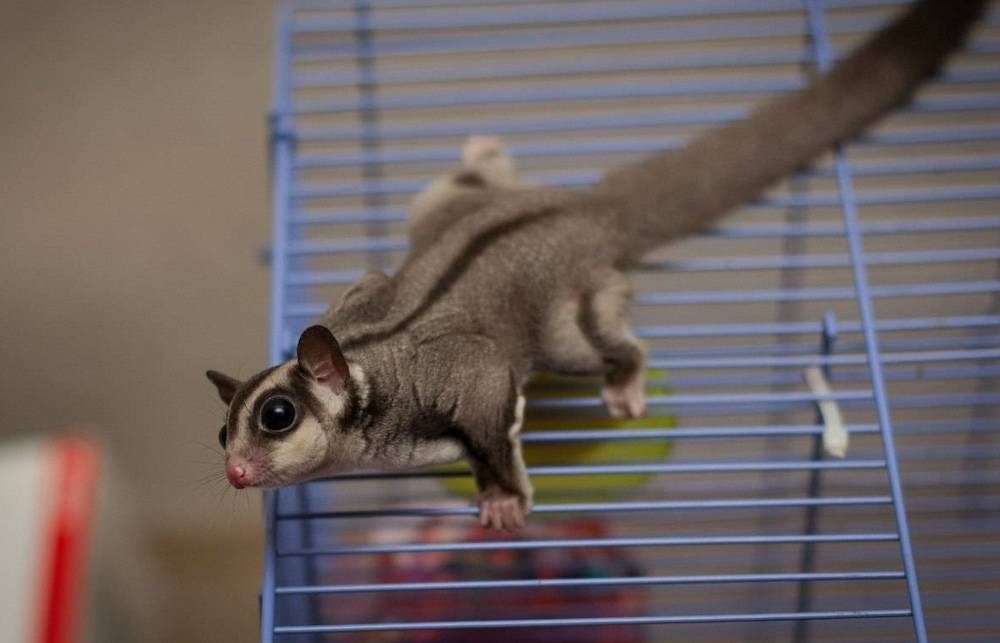
The flying squirrel is a small and very cute creature with huge round eyes and a long, fluffy tail. With an average body length of 13 cm (although some species can reach up to 40 cm), the tail is usually at least 10 cm long. In the wild, these funny little animals live in North America, as well as in Asia and European forests; they usually live in pairs. Although this squirrel is called a "flying squirrel," strictly speaking, it does not fly; rather, it simply leaps long distances – about 50 cm. During the jump, the animal spreads a fold of skin (a large, fur-covered membrane between the front and hind limbs) and dives, as if on a parachute. The tail is used as a rudder.Read more