Rodents
How to determine the sex of a chinchilla 
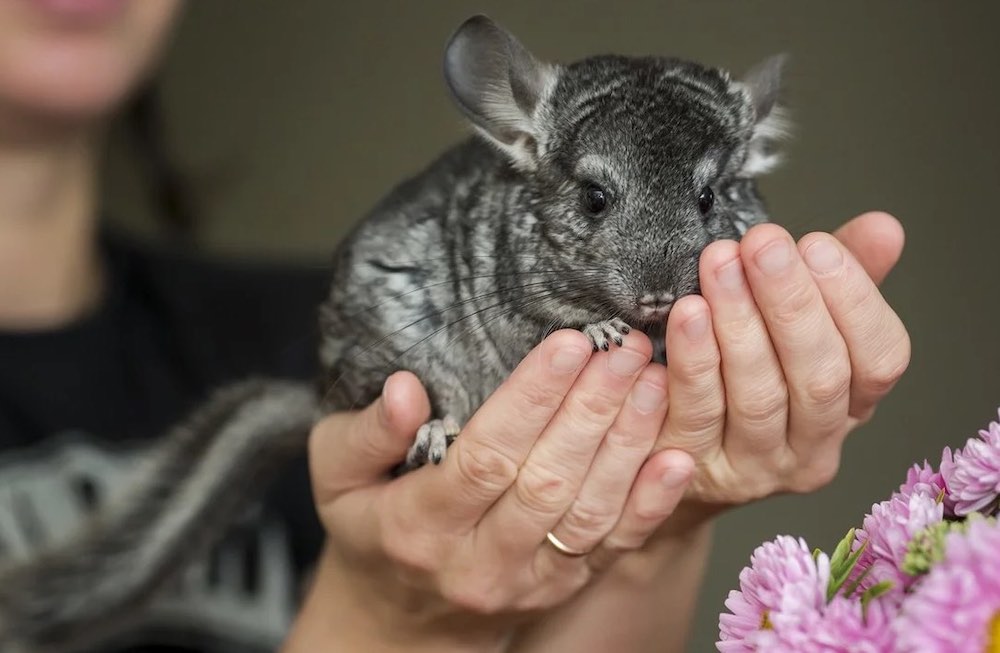
People who decide to breed chinchillas may not always be able to answer the question of whether they're buying a male or female chinchilla from a pet store or a specialized pet farm. A responsible breeder must pay attention to the distinctive sexual characteristics of chinchillas and be able to determine the animal's sex. Many sellers aim to sell their merchandise quickly and are generally unconcerned with the breeders' problems due to the specifics of their care or breeding practices. If you already have chinchillas that are producing offspring and intend to sell the babies, it's essential to be able to distinguish the chinchilla's sex and communicate this information to your customers. Many people who breed these animals for pets also place great importance on the sex of their furry creatures. Knowing the sex is also crucial for choosing the right name for your pet. In all cases involving raising and breeding chinchillas, it's essential to be able to determine the animal's sex. This article will discuss how to do this. Distinguishing Sexual Traits of Adult Chinchillas The easiest way to determine the sex of an adult animal is by comparing its body size. Male chinchillas are smaller than females. Females play a dominant role in a pair. However, this determination only works when the animals are of the same age or litter and are fed the same food.Read more
How to train a dog to wear clothes

Breeders of toy dogs often face the question of whether to dress their pets in clothing. Small breeds such as Miniature Pinscher and Toy Terrier are currently very popular. These dogs have smooth coats, making them more susceptible to the adverse effects of cold climates. To protect their pets' lives and health, breeders have addressed this issue by providing outerwear and footwear. Some owners believe that today's city streets are treated with various chemicals to combat icy conditions, which can adversely affect the skin on their pets' paws. A dog's cleanliness after a walk outdoors in inclement weather can also be noticed.Read more
Dog breeds for seniors in apartments and private homes
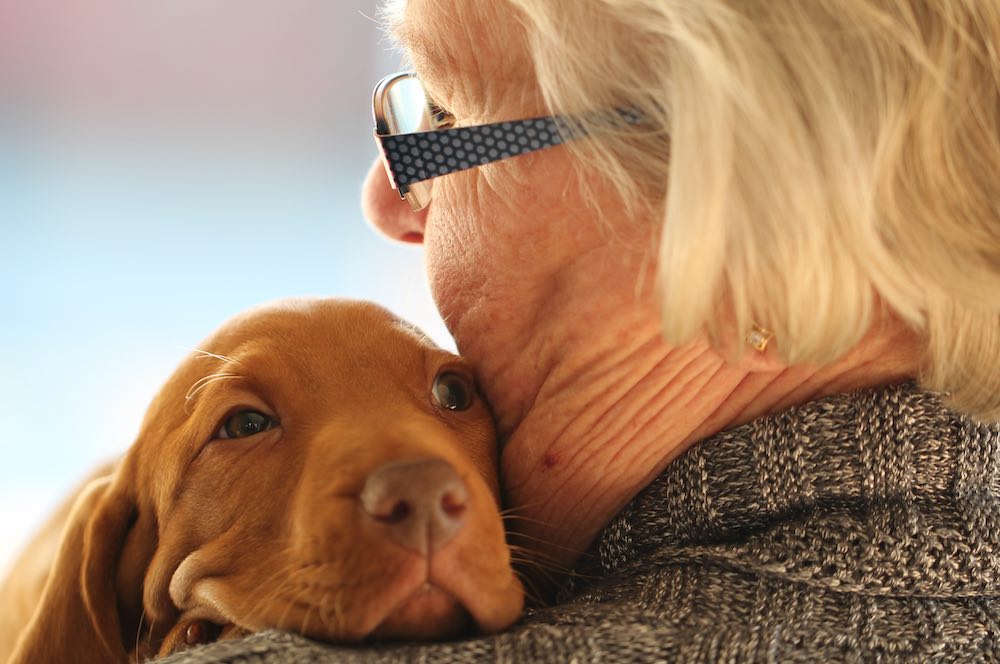
Retirement-aged people have their own unique characteristics. They tend to be more demanding of the conditions and external factors of their environment, are more likely to have health problems, and require the care of others. Therefore, acquiring a furry, toothy friend isn't always justified, as it entails certain hassles and difficulties. However, many need a loyal four-legged companion, while others need a companion for walks or a guard dog. Acquiring a dog comes with additional responsibilities for an elderly person, as buying a dog means taking on a certain amount of responsibility. However, many take this step consciously and don't regret it. In our article, we'll look at dog breeds that are worth considering for retirement-aged people. Should an elderly person get a dog for an apartment? When choosing a dog breed, it's important to consider the pet's temperament, size, and the purpose for which it was bred. In our case, it's worth considering calm, even-tempered, less physically active, and easy-to-care-for pets.Read more
How to clean a cat's nose at home
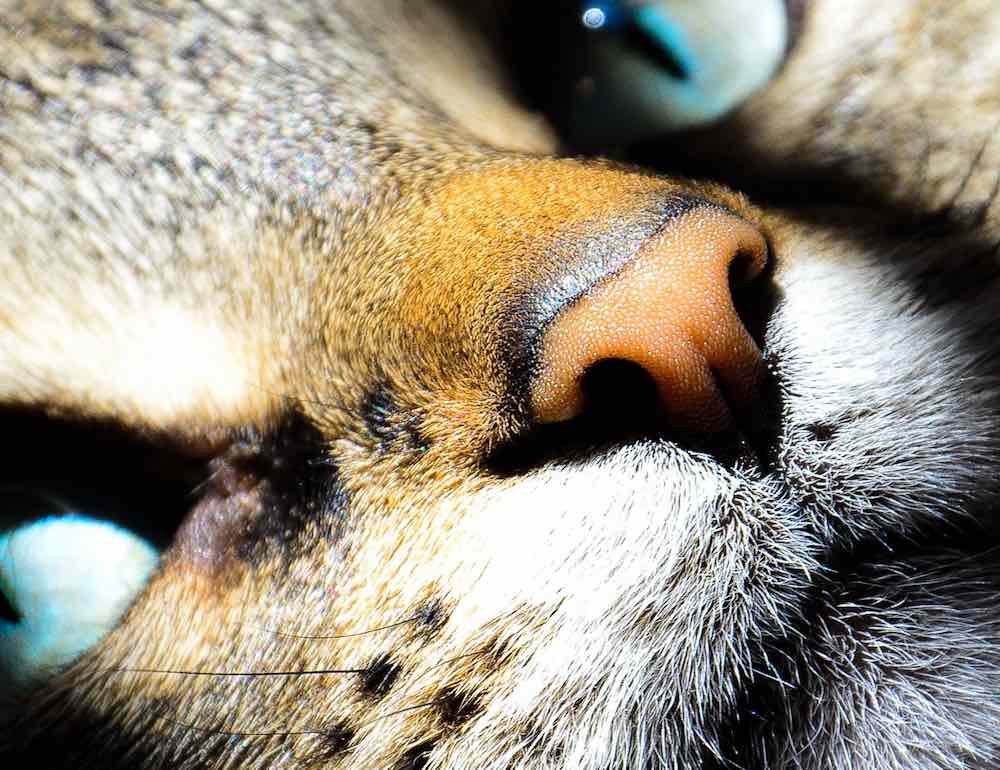
Cats are rightly considered one of the cleanest pets, so owners are only required to follow basic hygiene standards. However, in some situations, it may be necessary to clean their pet's nose. Many felines readily accept this procedure, but others will resist. In such cases, this short procedure can prove difficult and tedious. In this article, we'll provide effective tips to help you clean your cat's nose. When does a cat need to have its nose cleaned? There are only a few reasons to clean a cat's nose—most often, pets groom themselves well and are quite good at this. The exception is Persian cats or other brachycephalic breeds. These animals have unique characteristics, such as a flat nose and folds in the facial area. They require regular inspection and care, including cleaning and drying the nose to prevent moisture accumulation.Read more
How to brush your cat's teeth at home
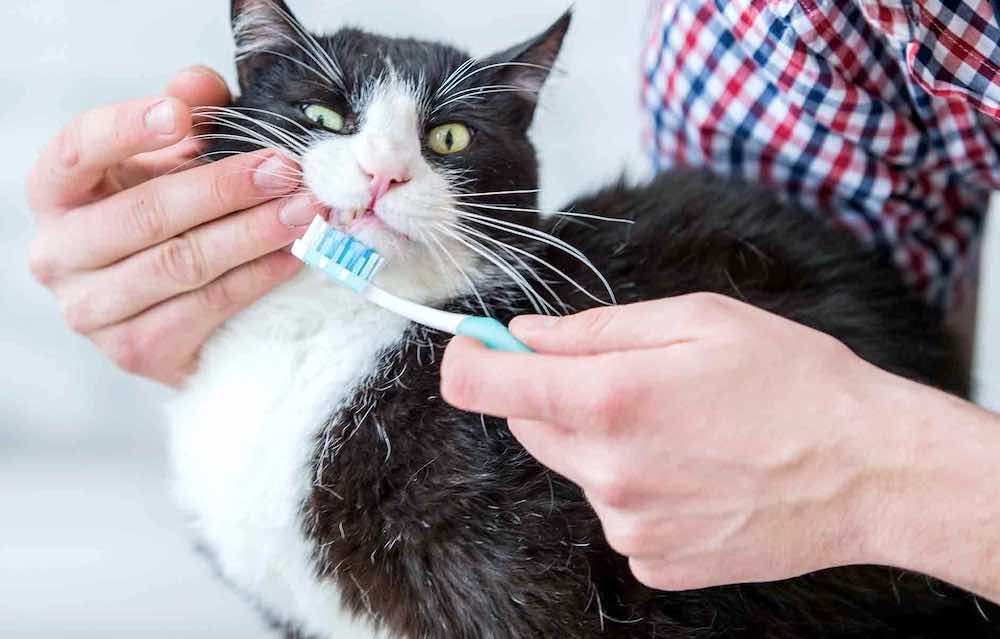
Cat owners often wonder about their pet's oral hygiene. In the wild, animals take care of their own teeth and don't suffer from dental problems, but this isn't the case for domestic cats. Experts say brushing cats' teeth is both possible and necessary. After all, our furry friends suffer just as much from tartar buildup and gum inflammation. This is due to their diet and lifestyle, which is fundamentally different from that of wild cats. The needs of domestic and wild animals also differ. Today, we'll explore the importance of dental hygiene for cats, learn how to brush your beloved cat's teeth at home, and also learn how to train your whiskered friend to accept these procedures. Do I need to brush my cat's teeth? Cats don't really need bathing or claw trimming, but their ears and teeth are vulnerable areas. When should you be concerned? If the enamel on your pet's teeth has turned yellow, partially darkened, and inflammation has appeared in the gums - they swell, turn red, and there is an unpleasant odor from the mouth.Read more