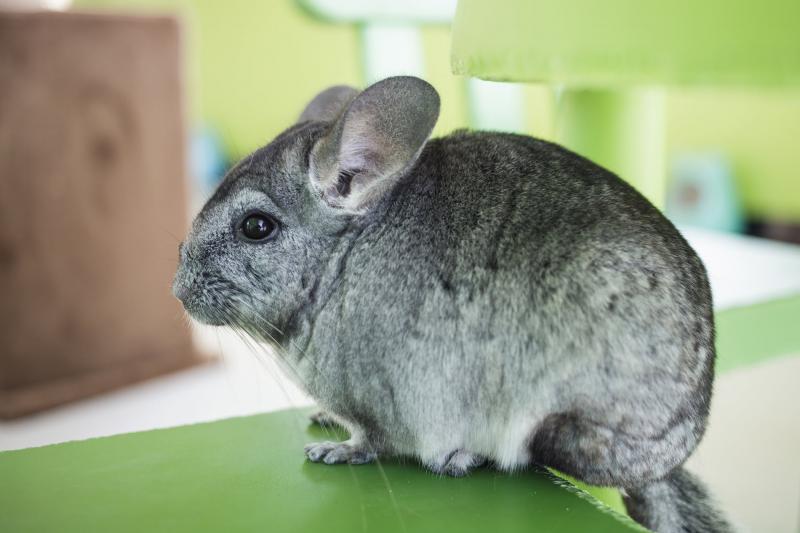
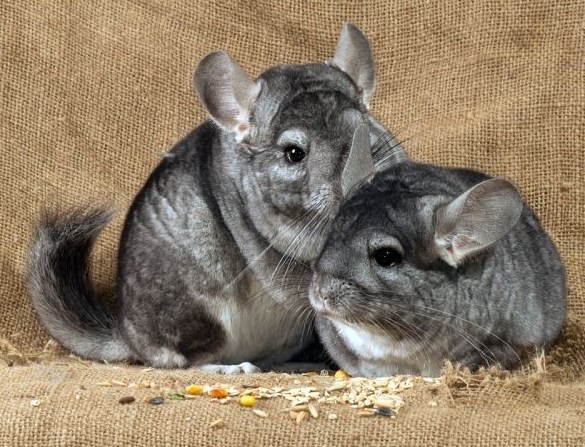
People who decide to breed chinchillas may not always be able to determine whether a chinchilla is male or female when purchasing one from a pet store or a specialized pet farm. A responsible breeder should pay attention to the distinctive sexual characteristics of chinchillas and be able to determine the animal's sex.
Many sellers aim to sell their merchandise quickly, and breeders' problems due to the specifics of their care or breeding practices are generally of no concern to them. If you already have furry animals that produce offspring and intend to sell the babies, it's essential to be able to distinguish the sex of the chinchilla and inform your customers.
Many people who breed these animals for pet purposes also place great importance on the gender of their furry creatures. Knowing their sex is also crucial for choosing the right name for your pet. In all cases involving raising and breeding chinchillas, it's essential to be able to determine the animal's sex. This article will discuss how to do this.
Distinctive sexual characteristics of adult chinchillas
The easiest way to determine the sex of an adult animal is by comparing its body size. Male chinchillas are smaller than females. Females play a dominant role in a pair. However, this determination only works when the animals are of the same age or litter and are fed the same food.
A chinchilla's health is reflected in its appearance. If the animal is ill, its physical development also slows.
When selecting chinchillas by sex, relying solely on size is not recommended. A comprehensive review of various criteria is necessary.
They also pay attention to the behavior of the animals and their character:
- The female chinchilla is the most inquisitive and interested in the outside world.
- The "girl" can imitate males by jumping on and wrestling with peers. During this time, they are often confused with each other.
- Males are generally not aggressive, have a calm, balanced character, and are easier to tame and keep as pets for children.
- During puberty, the external differences between males and females become most pronounced. At this time, females exhibit provocative behavior, may not eat, and may scatter food. Males, to attract females, make sounds similar to snorting. All these animals become extremely playful and active.
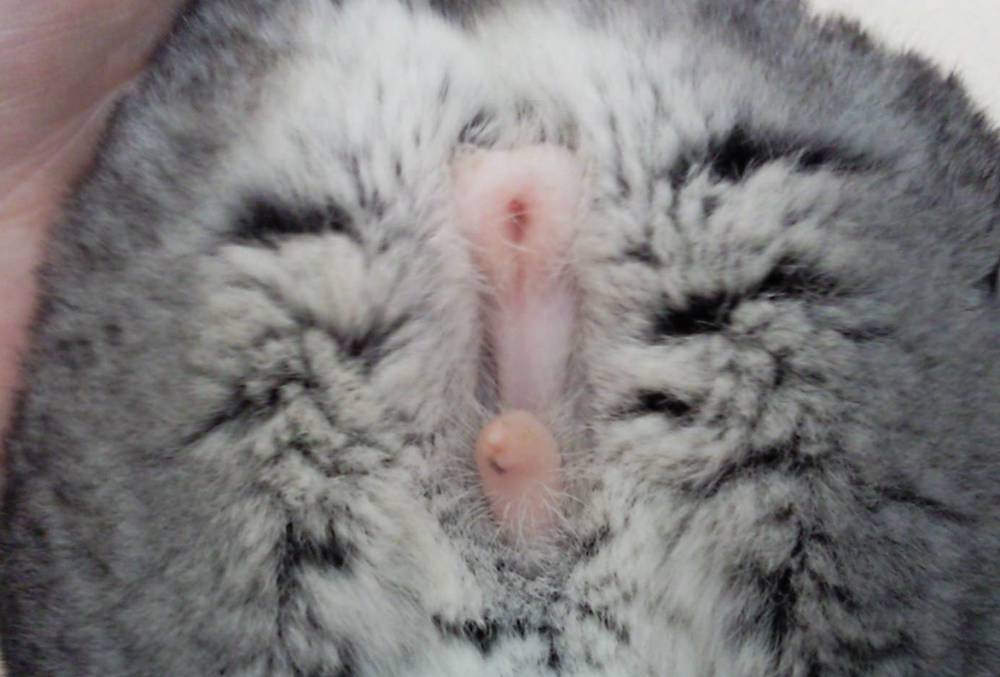
A surefire way to determine the sex of furry pets is by examining their genitals. If this is your first time, some difficulties may arise. Male and female chinchillas typically do not have clearly distinguishable genitalia. Mature male chinchillas are easily confused with females because their testicles are located internally, rather than externally, as in other mammals. The urethra and penis are similar in structure due to their very small size. The genitals are not a clear guide to sexing.
In this case, it's important to look at the distance between the genitals and anus—it's significantly greater in males than in females. This is especially noticeable in adult animals, and sexing them is easier: in female chinchillas, this distance is up to 1 mm, while in males, it's up to 4 mm. The younger the animal, the shorter the distance.
Read more about caring for chinchillas.
How to determine the sex of a baby chinchilla
It's very difficult to determine the sex of a baby chinchilla or a young chinchilla. Typically, young animals must be separated by sex once they reach two months of age. Chinchillas are capable of breeding at three months of age, but knowledgeable breeders try to prevent this, as it negatively impacts the health of the young chinchilla. It's better to delay this process until later. By this time, the female will have matured and reached the desired physical condition. This will result in more developed, healthy, and robust babies.
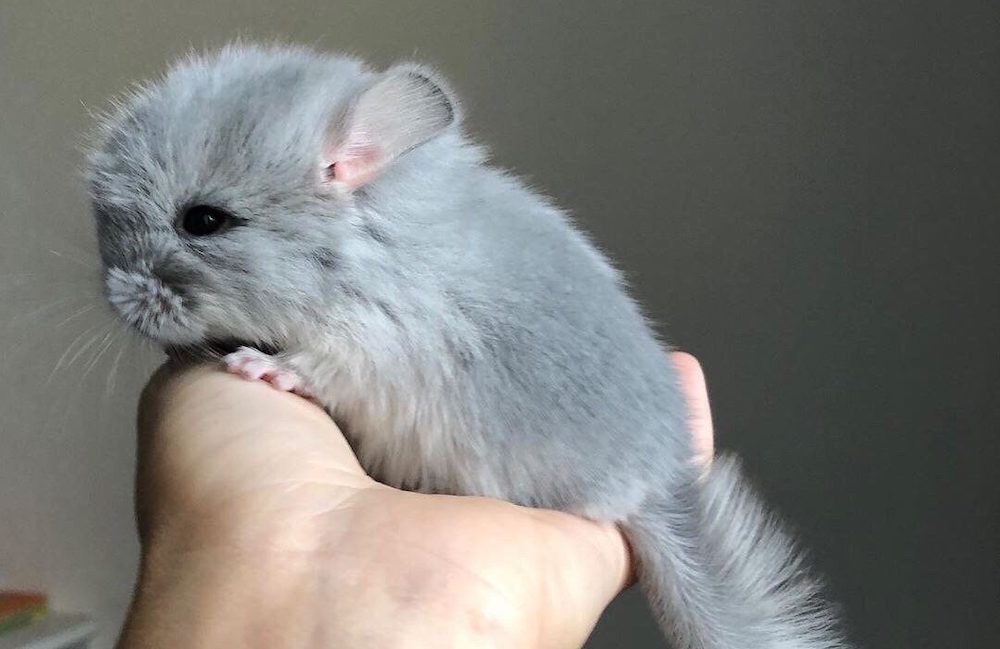
Experts say sexing is easiest at 1.5 to 2 months of age; it's simply impossible to do earlier. Some believe that the only way to distinguish between a male and female chinchilla before 3 months is by the position of the genitals. All other methods are ineffective at this age.
How to distinguish a female chinchilla from a male: the main differences
Males and females have a number of differences. This is due to their natural temperaments.
Here's what can be said about females:
- They are less sociable and have difficulty making contact.
- They often behave aggressively and may even bite their owner.
- In the wild, the female dominates the male, strictly guards her territory, and tries to keep out anyone. There have been cases where the female has frequently attacked and injured the male.
- At home, the female is less sociable and takes a long time to get used to the owner.
- Doesn't like to sit in arms, tries to run away and hide.
- When a female lives alone, she will eventually establish contact with her owners, but if several individuals live in a cage, she will not communicate with people under any circumstances.
- "Girls" chinchillas are very active; during "play" they can run and jump quickly, even to the point of turning over the cage.
- They really enjoy walks around the apartment when they are not limited in space, this has a positive effect on the physical health of the animals.
- If there are no distractions, females are highly trainable and can be taught to respond to their name.
A distinctive feature of males is the difference in weight. "Boys" are smaller and lighter than females. Males are very sociable, try to participate in everything, and love to play. They are more affectionate.
Chinchillas are nocturnal animals, so it's best to remove their cage at night to prevent the playful rodent from disturbing your sleep by running around and turning everything upside down. During the day, they rarely leave their shelters and houses.
Read also about chinchilla diseases.
Brief conclusions
Chinchillas are very interesting animals. They make great pets for people who work all day. They aren't demanding when it comes to food or attention. Rather, people crave these affectionate, fluffy, gentle, and unassuming animals. It's a pleasure to play with a playful pet after a hard, busy day at work. Stroking their soft, fluffy fur can help you feel calm and peaceful.
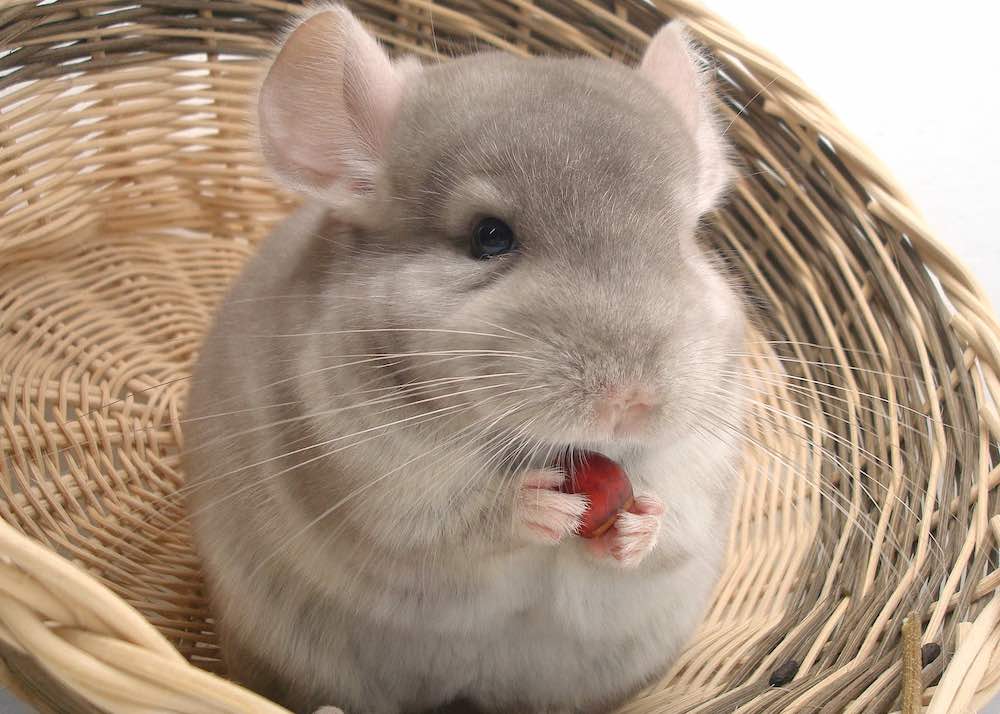
Please note the following points:
- Chinchillas are cautious animals, wary of loud noises and sudden movements. Therefore, they must be handled with care.
- To ensure a long life for your pet and a happy owner, it's essential to create comfortable conditions. First and foremost, chinchillas dislike heat and stuffiness. Temperatures above 28 degrees Celsius (82.5 degrees Fahrenheit) kill them. The ideal temperature for them is 18-23 degrees Celsius (64-73.5 degrees Fahrenheit).
- The animals are kept in a metal cage, no smaller than 50 x 50 x 50 cm in size. The cage should have a retractable bottom for easy bedding changes.
- The cage is placed in a cool, quiet place, away from radiators, where there are no drafts or direct sunlight.
- Ladders and shelves are installed in the house for the animal's entertainment. The chinchilla's home should also always be stocked with mineral stones, fruit tree branches, and chalk. These items are needed for dental care. After all, chinchillas are rodents.
- The cage must be stocked with fresh, room-temperature water. It's best to feed them pelleted food formulated specifically for chinchillas. Dried fruit is also a treat.
If you've decided to get a chinchilla solely for the sake of breeding, it's important to learn to distinguish between a female and a male chinchilla as quickly as possible. It's not difficult at all: just wait until they're 1.5 to 2 months old and observe the physiological and behavioral characteristics of both sexes.
Read also, How long do chinchillas live?.