Chinchillas are cute, playful, and good-natured animals, recently bred not for their valuable fur, but rather for decorative purposes. Numerous exhibitions are held annually, featuring chinchillas of a wide variety of colors and breeds. Although these furry creatures are considered long-lived in their natural habitat, in captivity, this figure directly depends on their owners. Knowing how long chinchillas live in captivity and what is needed for their comfortable care can help owners ensure their pet's longevity.
Content
How long do chinchillas live in the wild?
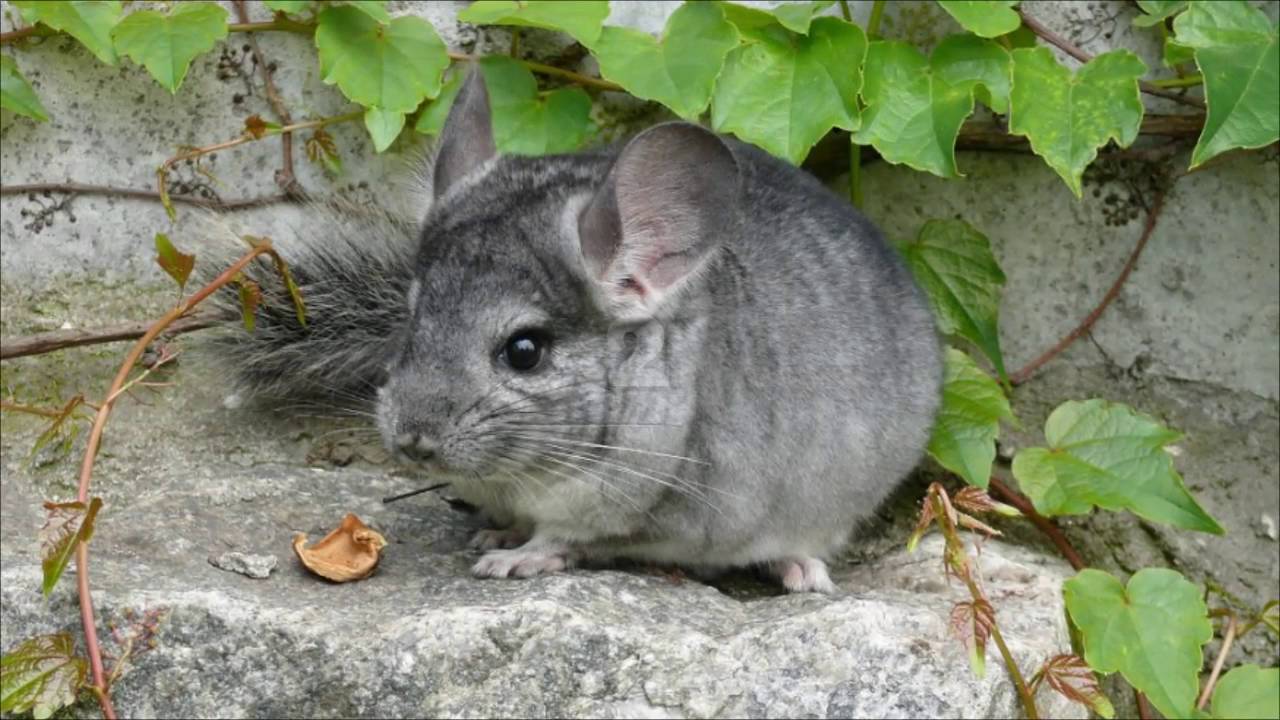
In the wild, chinchillas live much longer than in captivity.
In their natural habitat, chinchillas usually live quite a long time - up to 35 years.This is explained by the following factors:
- climate (mostly dry and cold), which prevents the proliferation of bacteria and viruses, which significantly reduces the risk of various diseases;
- the natural caution of these animals, who emerge from their shelters only at night. For safety, chinchillas live in large herds, each with a few guards who alert others to approaching danger;
- plant food rich in natural antibiotics, probiotics, vitamins and amino acids, which fully satisfy the needs of the animals' bodies.
Average lifespan of pets at home
The lifespan of a chinchilla in captivity depends entirely on the conditions of its keeping, the quality of care, and adherence to the rules of interaction with the animal.
With proper care
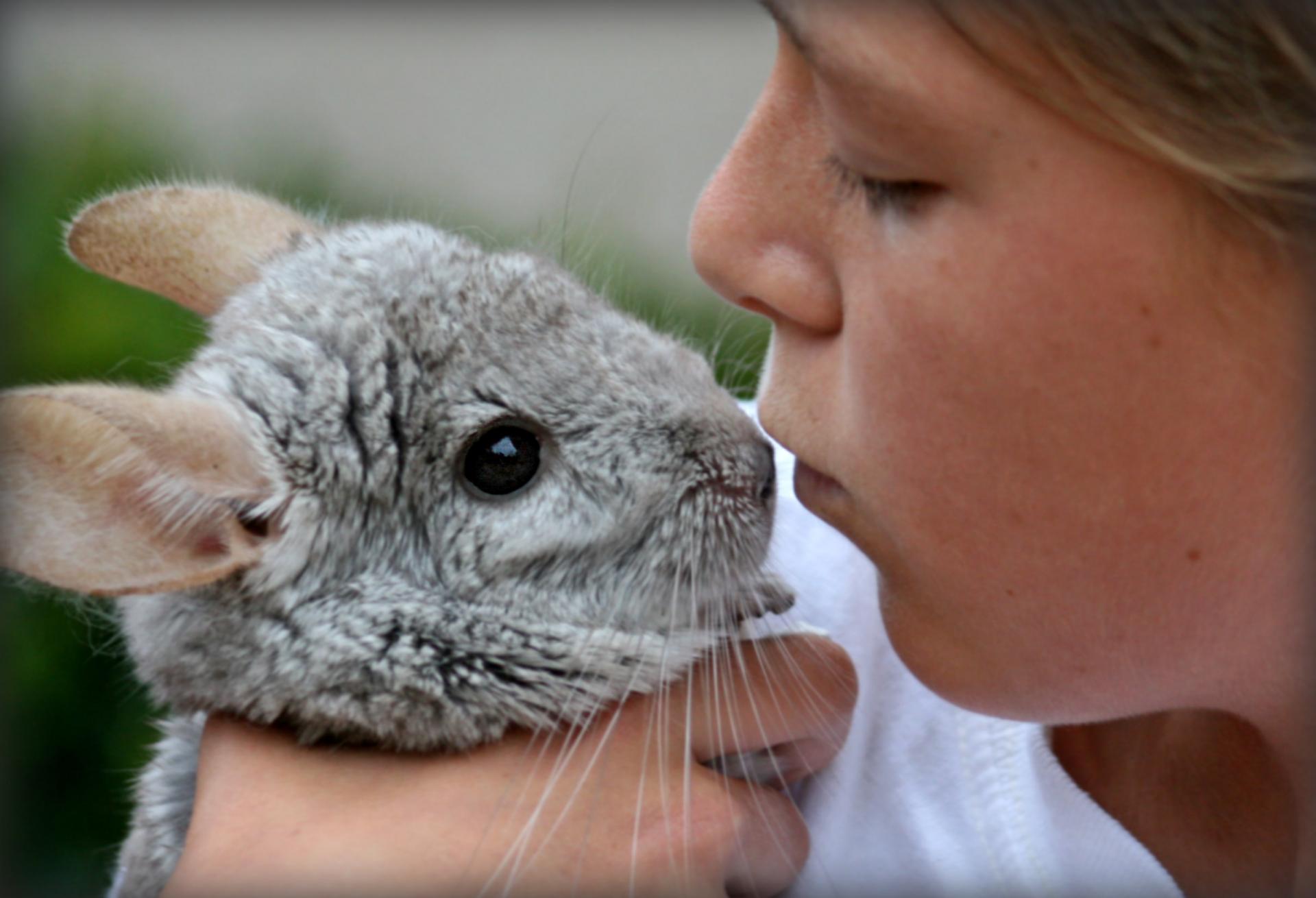
With proper care, chinchillas can live up to 25 years in a home environment.
On average, chinchillas kept at home live about 15 years. However, if provided with the most comfortable living conditions, a balanced diet and proper handling, your furry friend can live for 20–25 years.
The main reasons that can significantly shorten the life of a chinchilla are:
- violation of feeding rules, which can result in food poisoning, volvulus, intestinal obstruction and death of the animal;
- an incorrect diet, which causes the animal to suffer from obesity, and then various diseases, often leading to cardiac arrest;
- limited mobility (too small cage);
- stressful situations (sudden loud sounds, noise, bright light) that provoke a heart attack or stroke;
- Injuries most often received by animals due to careless picking up and falling from a height.
Sterilized individuals
Chinchilla owners who don't want to have offspring sooner or later wonder about sterilization. However, there's virtually no reliable data on how this procedure affects the animal's lifespan. Veterinarians recommend sterilization at approximately five to six months of age, as the chinchilla's body is not yet fully developed, and the surgery could be harmful. A full examination is also necessary before the procedure to identify any possible contraindications. At the same time, it's impossible to predict how a chinchilla will respond to anesthesia—anesthesia can sometimes be fatal.
When the animal is completely healthy and at the right age for the procedure, sterilization is a straightforward procedure. With proper anesthesia, a qualified doctor, and proper post-operative care, a chinchilla will fully recover within a week. Its future life depends on the care and maintenance conditions.
After a stroke
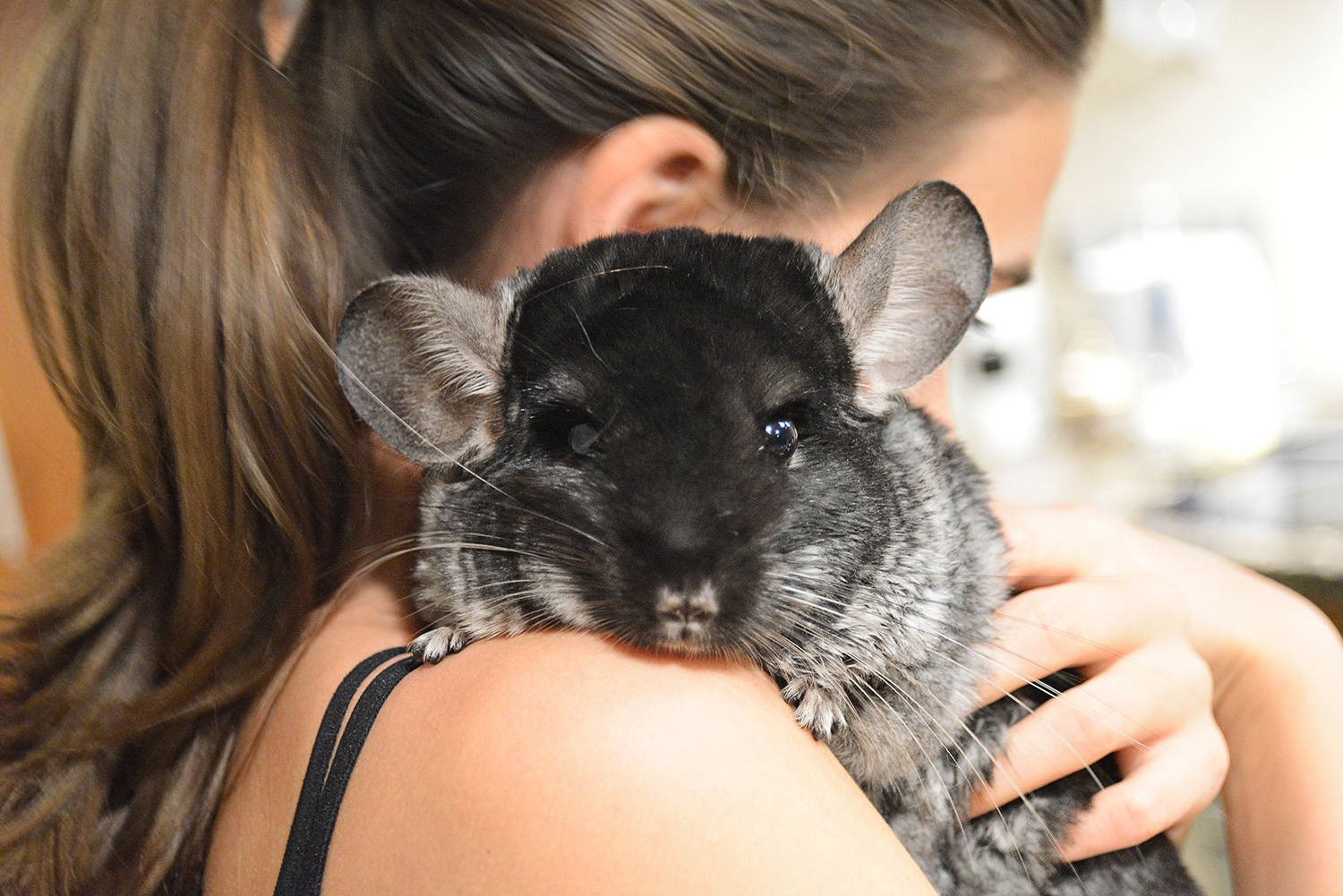
The lifespan of a chinchilla after a stroke depends on the strength of its body.
For an animal that has suffered a stroke, the prognosis largely depends on how quickly the first signs are recognized and proper treatment is initiated.
Owners should be alert to the sudden appearance of the following signs of stroke:
- convulsions;
- limb failure (usually on one side);
- the animal moves around the cage in an irregular manner, bumping into various objects (evidence of vision loss);
- lack of response to stimuli;
- salivation.
If your pet is unconscious, transporting it is strictly prohibited. In this case, you should call a specialist to your home or discuss the treatment plan over the phone.
Animals that have suffered a stroke are at risk of having another attack within a year, which in most cases (about 70%) results in death. Otherwise, the lifespan of a chinchilla after an illness depends entirely on the strength of its body and proper care.
More information on keeping chinchillas at home –https://homepets-en.techinfus.com/domashnie-zhivotnye/gryzuny/shinshilla-uhod-i-soderzhanie-v-domashnih-usloviyah.html
How to determine the age of a chinchilla
Determining the exact age is not easy, but thanks to some nuances, you can distinguish an adult animal from a baby:
- muzzleIn young animals, the muzzle is rounder, with small ears and a shortened neck. With age, the muzzle becomes more elongated;
- TeethBabies' teeth are white. As they age, they acquire a yellow tint, gradually darkening to a deep orange.
- Sexual characteristicsAt 4-5 months, secondary sexual characteristics can be detected in males, and by the age of seven months, it is no longer possible to confuse a male and a female;
- Paw padsIn young animals they are soft, while with age the paws become rougher and calluses appear on them;
- BehaviorYoung children are usually active and playful, while older children are calmer and more apathetic.
Ways to increase the lifespan of an animal
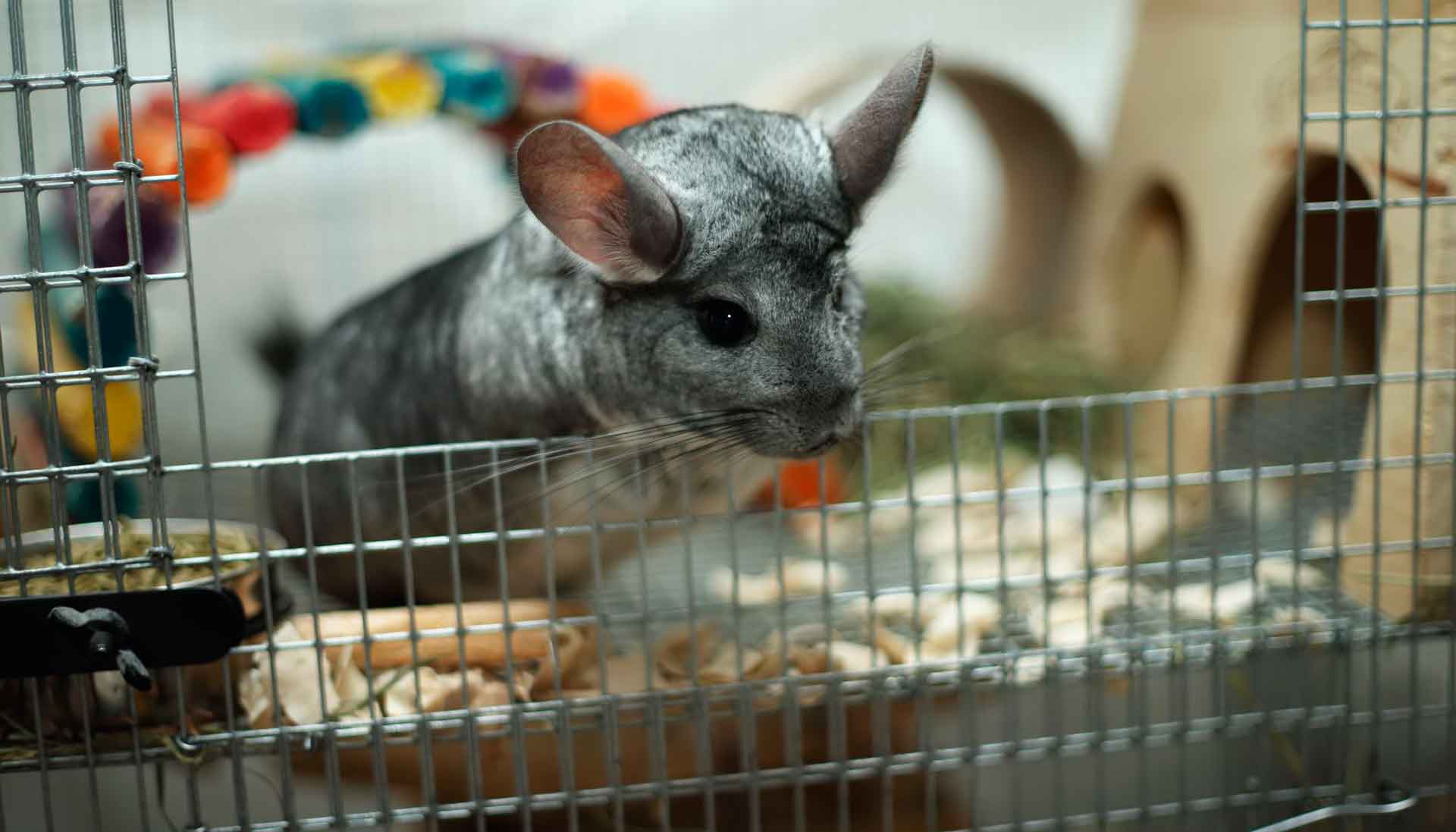
If you provide the animal with decent living conditions, the chinchilla will delight you for many years.
To extend the life of your beloved pet, it is important to provide them with the most comfortable living conditions possible, following all the rules:
1. Optimal air temperatureFor chinchillas, this temperature should not exceed 22 degrees Celsius. Excessively high temperatures can lead to heatstroke, so there should be no heaters or radiators near the cage. An air conditioner is ideal. Chinchillas should also be kept away from drafts and direct sunlight.
2. High-quality cage arrangementThe animal's "house" should be large enough to allow it to move freely (minimum size 60 x 60 cm). The latches should be secure to prevent the animal from leaving the cage on its own. The interior should be equipped with:
- feeder and drinker;
- holiday house (wooden);
- shelves, ladders, rings (wooden);
- haystack;
- wood filler;
- mineral stones;
- running wheel;
- a hammock made of rough material.
Because chinchillas chew everything when choosing wood, it's important to remember that oak can cause constipation, and resinous wood can cause poisoning.
3. Balanced dietBuy food from specialized stores or veterinary pharmacies to protect your pet from potential poisoning or parasite infestations. Abrupt changes in food are strictly avoided, as this can cause severe stomach and intestinal problems. It's important to ensure salt stones are always present in the cage, as well as a fresh supply of hay daily.
4. Complete careThe cage must be kept clean by regular cleaning. A thorough cleaning should be performed at least once a week, preferably with disinfection using a UV lamp. Bathing should only be done in high-quality, contaminant-free sand from reputable companies.
5. Comfortable conditionsSince chinchillas are nocturnal, they should be kept as quiet as possible during daylight hours: no screaming, loud music, or television. Handling should be gradual and calm, without sudden movements or unnecessary noise. Allowing a chinchilla to wander unsupervised around the apartment is also considered unsafe, as even dangling wires can cause injury or even death.
Proper care, optimal living conditions, safety, and, most importantly, genuine love will help chinchillas live a long life, delighting their owners daily with playfulness, affection, excellent health, and a good mood.