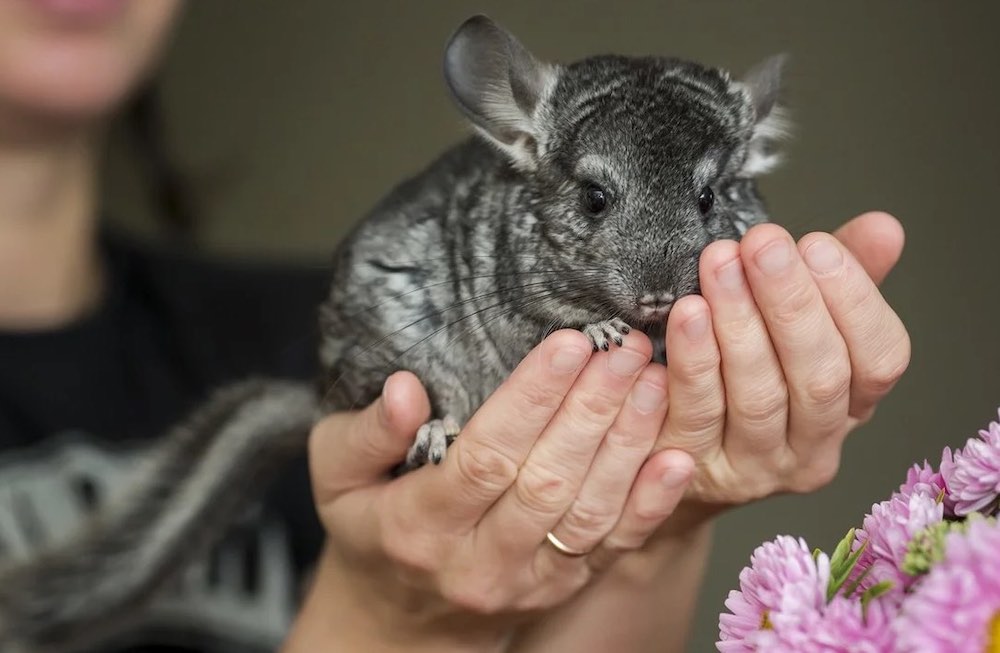
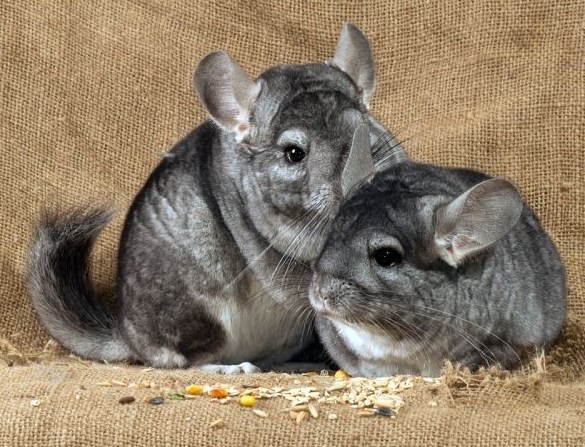
For Russians, the chinchilla is an exotic animal, but it has many admirers. This small, furry creature captivates with its charming appearance and soft, delicate fur, which is pleasant to touch. Therefore, questions are increasingly being asked about what kind of animal it is, and what are the specifics of caring for it and keeping it at home.
Content
Origin and domestication of chinchillas
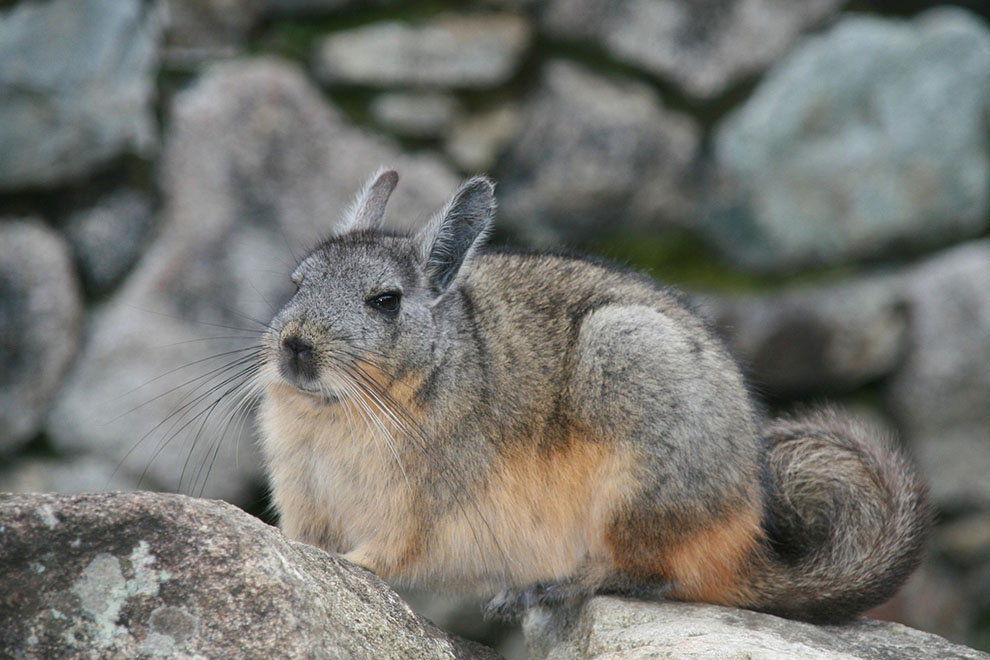
Chinchilla in the wild
According to historical records, chinchillas have fascinated people throughout history. These animals have thick, soft fur, considered valuable. Therefore, even the ancient Incas bred chinchillas.
The Chinchil Indians were the greatest admirers of these little animals. They used the animals' light and warm pelts to make clothing. This is how the animals got their name—"chinchilla," which sounds similar to "chinchil."
As civilization developed, interest in the valuable fur of chinchillas grew. It reached its peak in the early 20th century. During this period, chinchillas were brutally captured and exterminated in the pursuit of profit. The fur was expensive, and only the wealthy could afford it. To make a single women's fur coat, at least 150 pelts were required. The finished product cost around $20.
The animals were hunted in South America, Peru, Argentina, Bolivia, and Chile. The extermination was so barbaric that in 1825, these countries passed a law protecting chinchillas. Hunters became known as poachers, but this did not stop the process. In 1910, the governments of the countries where the hunting was most active adopted an agreement banning the harvesting of these furry creatures.
But this didn't have the desired impact on poachers. A decision was then made to restore the population. Chinchilla farms began to be established in South America and other countries. Thanks to this, the number of chinchillas increased by 35% by the end of the 1920s. Their numbers continued to grow, and chinchilla farms began to appear in many countries around the world.
After several decades, it became clear that the population had been saved. Chinchilla breeders had accumulated extensive experience in breeding these animals, making it possible for anyone who enjoys these small, furry creatures to keep them as pets.
Types and colors of chinchillas
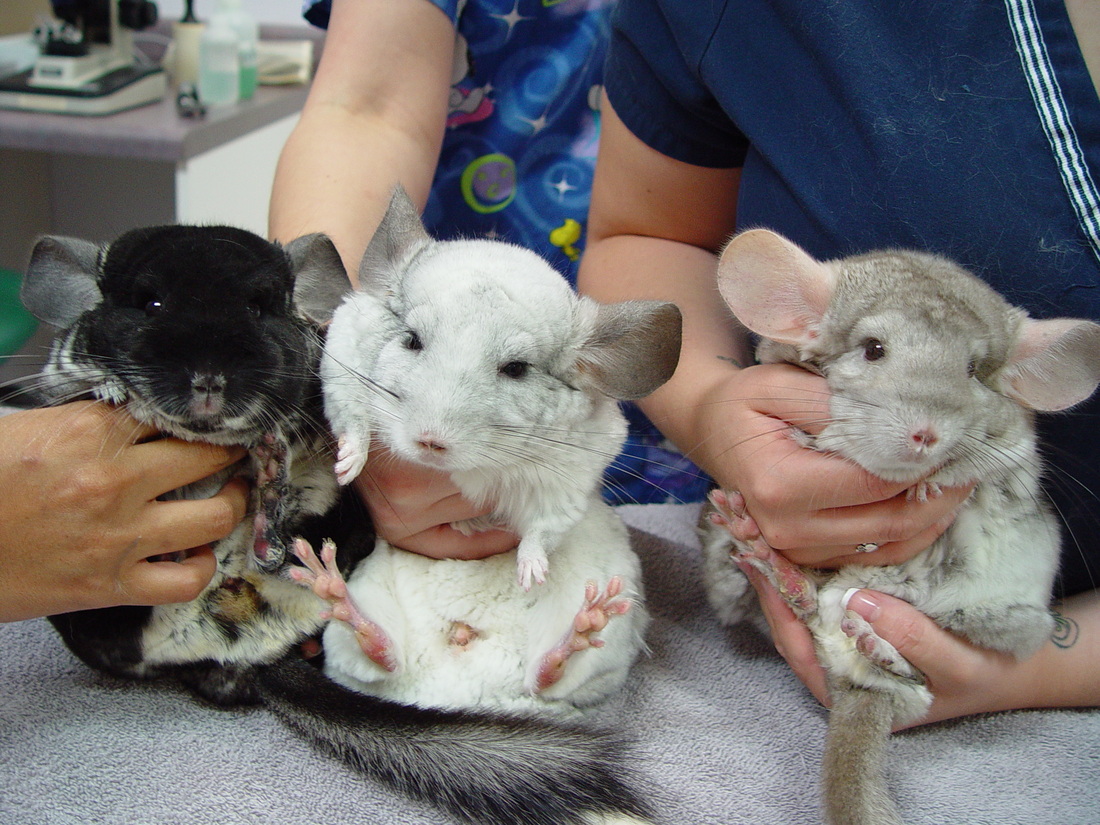
Chinchillas for every taste
For those new to this hobby, it's important to know the different varieties of chinchillas, their differences, and their unique characteristics. This will help you choose the perfect pet.
Through extensive selective breeding, animals with various coat colors emerged, but initially, it was gray. The coat color was simple: a white belly and a gray head and back—classified as standard. Moreover, gray encompasses all shades, from pale to deep graphite.
Chinchillas have a unique three-layered coloration of each hair. Each hair is pigmented along its entire length in shades of black (from tip to root), white, and gray. This is what gives the coat its prized sheen. The silvery color, known as "veil," is considered the most beautiful.
Description of the breed standard:
- body length up to 37 cm;
- tail length up to 18 cm;
- round head;
- rounded ears up to 5 cm long;
- vibrissae up to 10 cm.
Chinchillas have five toes on their front paws and four on their hind paws. These animals are nocturnal hunters in the wild, so they have monocular, weak vision. Their eyes are black, with elongated, vertical pupils. They have well-developed jaws with 20 teeth, including four prominent incisors and 16 molars.
There are only two types of chinchillas:
- short-tailed;
- long-tailed.
Representatives of any of them can be classified into the standard category, which, in turn, has 4 varieties depending on the saturation of the animal's fur color:
- dark;
- moderately dark;
- extra dark;
- average.
Unlike the natural chinchilla, the artificially bred ones have a wider variety of colors.Today, three types are standardized:
- dominant and hybrids;
- semi-dominant and hybrids;
- recessive and hybrids.
In order to correctly understand the following information, you need to familiarize yourself with the meaning of some terms:
- Hetero - the animal's genotype contains different genes for two traits (for example, heteroebony - standard + ebony).
- Homo - an animal carries genes for one trait (homoebony - only ebony genes are present).
- A hybrid is the result of crossing two basic colors.
- Dominant - prevailing.
- Recessive - suppressed.
Dominant and hybrids
Standard gray is a dominant type.
Black velvet
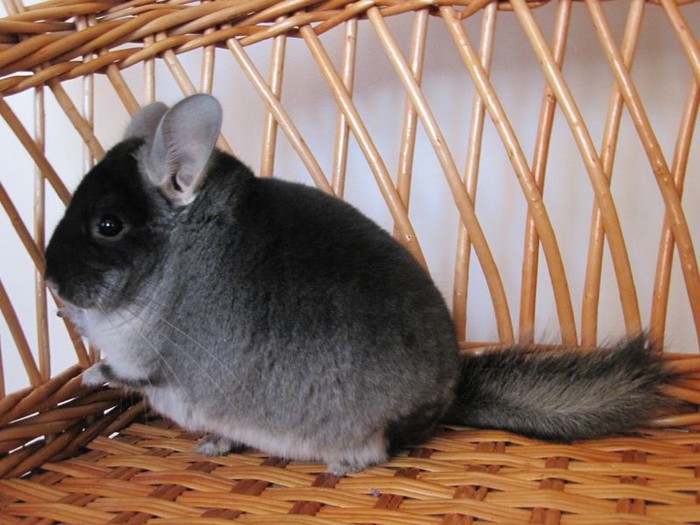
Black velvet chinchilla
Dominant color. First recorded in the early 1960s at the Wilson Ranch in California. Characteristic features:
- black stripes on the front legs, located diagonally;
- black head and back;
- white belly.
For keeping at home, it's recommended to select chinchillas with a rounded muzzle and small ears. They are the most decorative and capable of producing beautifully colored offspring.
Beige (homobige)
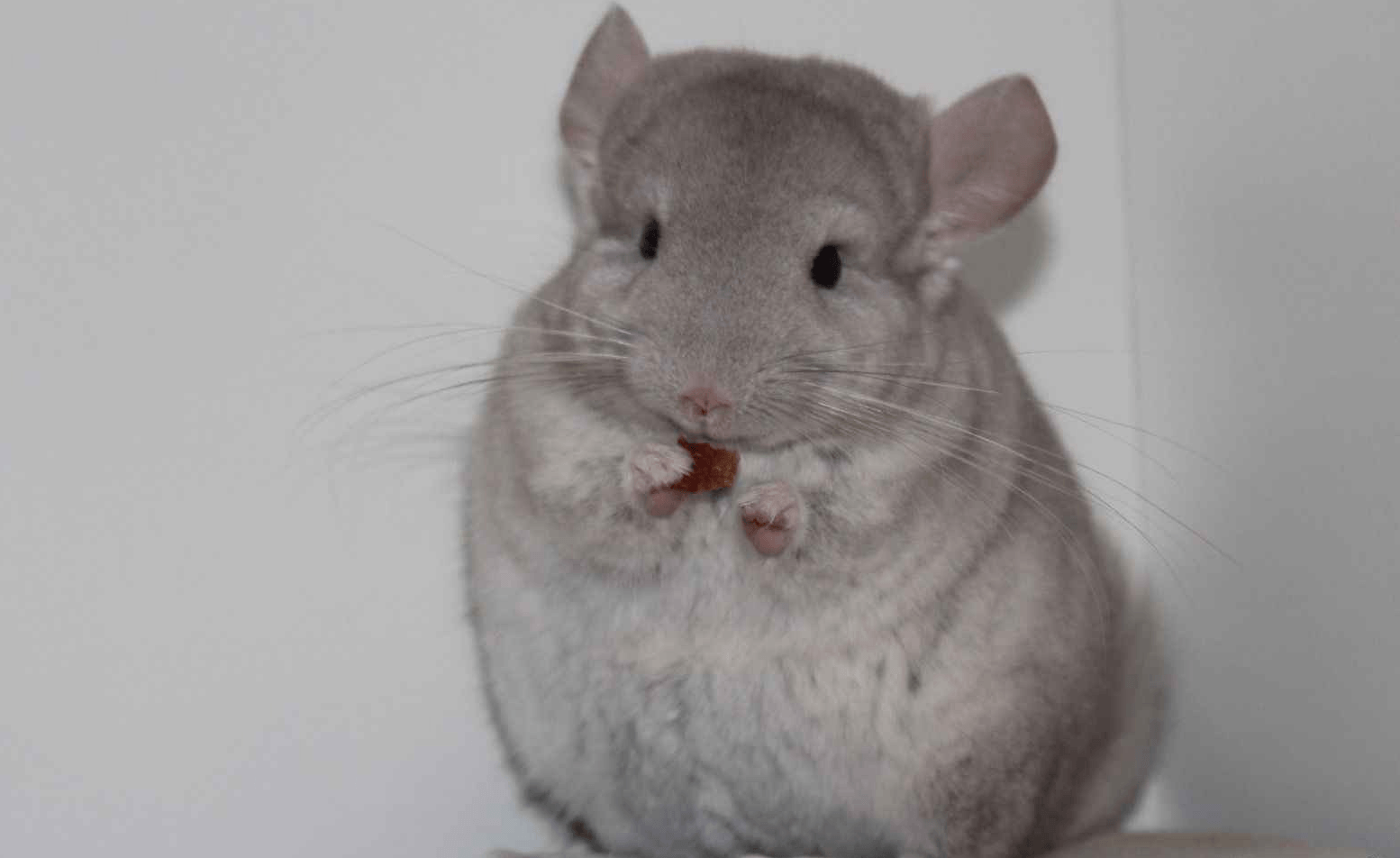
Beige chinchilla is charming
The first animal of this breed was obtained in 1955. The owner was dissatisfied with the coloring and sold the beige chinchilla, which became the progenitor of a new, spectacular breed. It is characterized by:
- darker color of the back than other parts of the body;
- red eye color;
- pink ears;
- The color of the fur coat ranges from light to dark beige.
Wilson's White
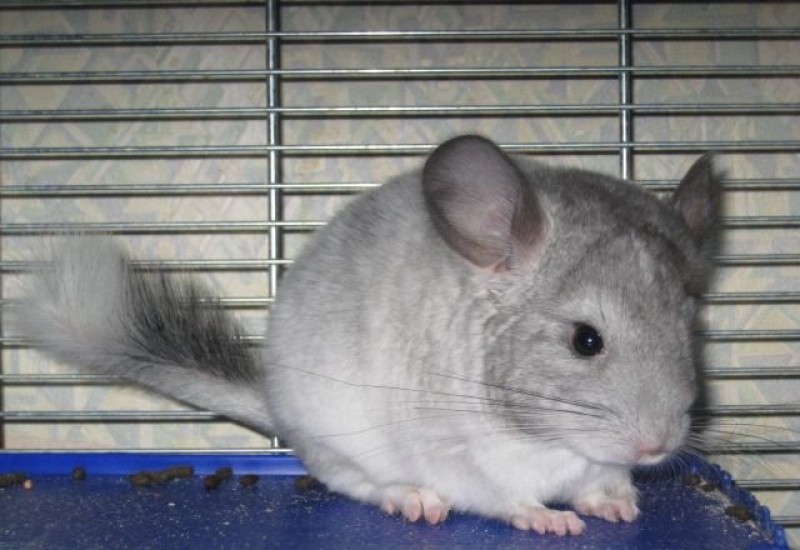
Wilson's White is one of the most common colors of chinchilla.
Developed in 1955 at the Wilson Ranch. Characteristic features:
- fur color from snow-white to dark silver (platinum);
- the edges of the ears are black;
- eyes are black, a bluish tint is possible.
Color options:
- white silver;
- platinum;
- mosaic;
- blue fog;
- tricolor.
White velvet
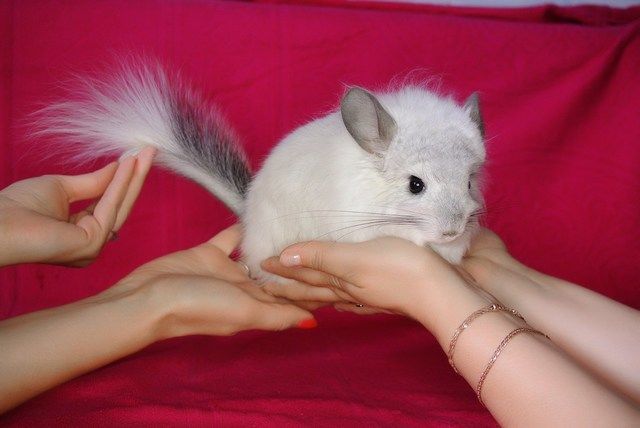
A chinchilla with this coloring looks white, but at the same time it has the characteristic features of the velvet gene.
It is a hybrid of Wilson's White and Black Cork. It carries three types of genes: white, cork, and standard. Characteristic features:
- on the head there is a dark (up to black) mask;
- on the front legs there are diagonal dark gray stripes;
- the main color is white, but with a black body color - a bright white tail;
- Stripes on the paws may appear only by the 2nd or 3rd month of life.
Brown velvet
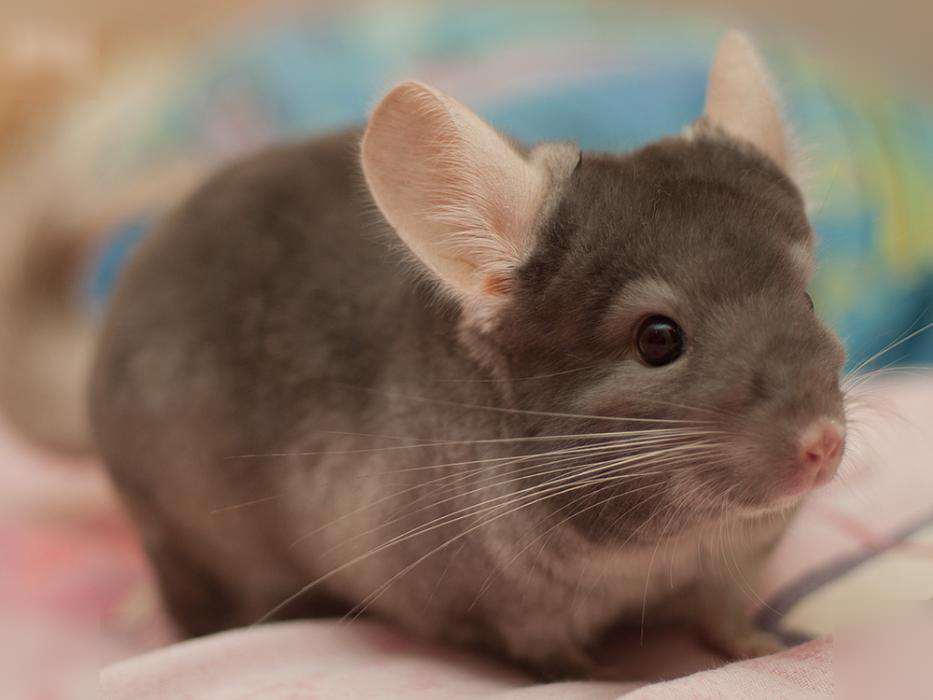
Brown velvet is one of the rarest colors in chinchillas.
A hybrid of black and beige velvet. Characteristic features:
- brown stripes on the front legs;
- eyes are pink, ruby, rarely brown;
- The color of the back ranges from light to dark brown.
Light brown individuals are called pastel.
White and pink
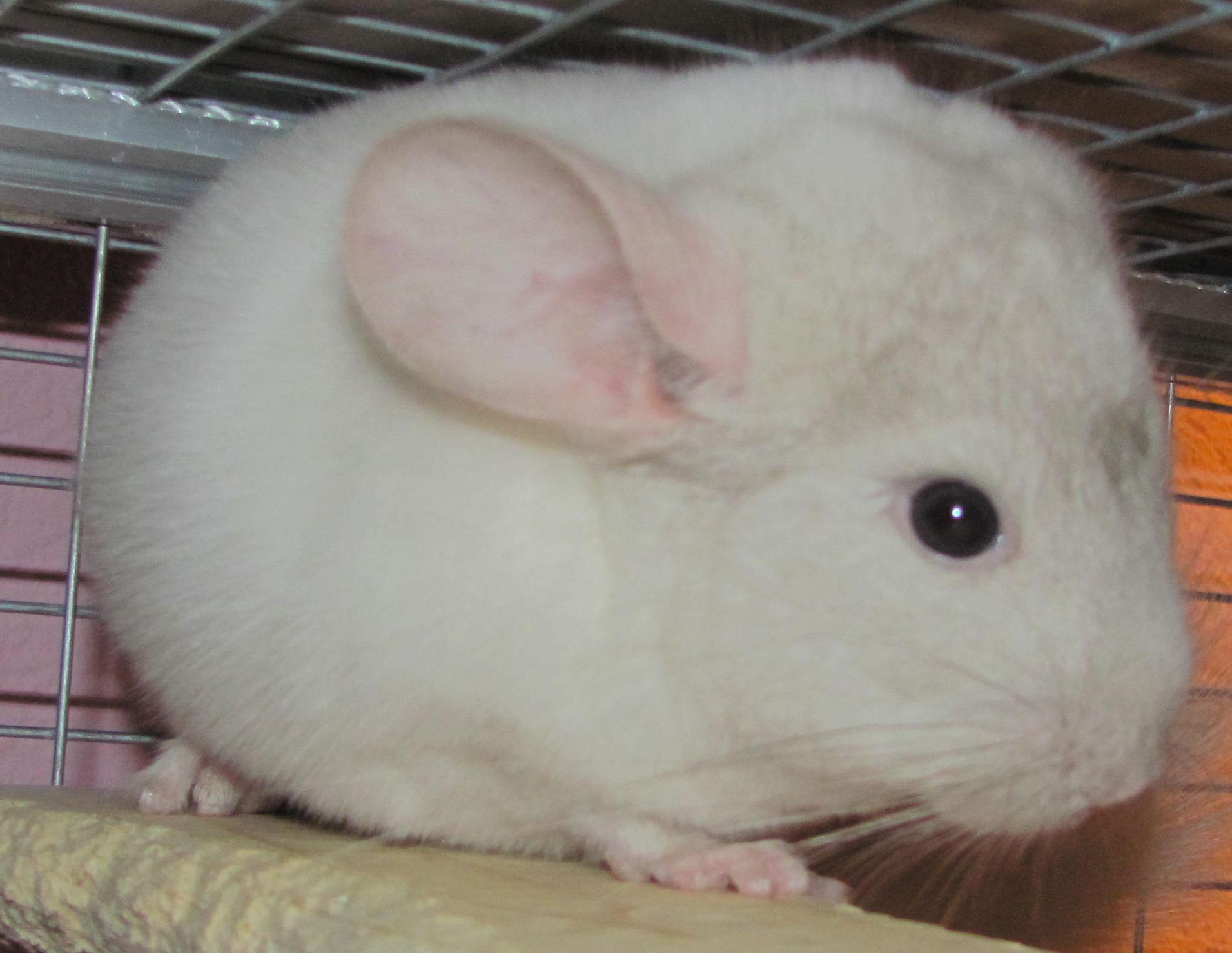
Chinchillas with clearly defined white and beige contrasting spots are highly prized.
A white and beige hybrid, the genotype contains the standard chinchilla gene. Characteristic features:
- pink ears, which may have black spots;
- eye color from pink to ruby;
- brown spots of various locations (mosaic type) are possible;
- Lightening of fur with age.
Velvet white and pink
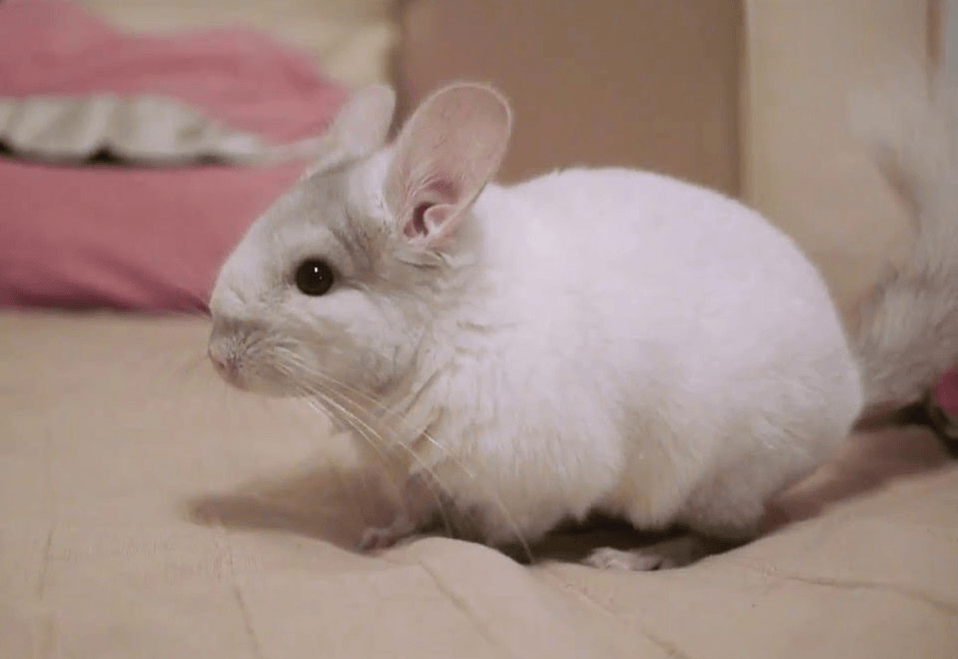
The velvety white and pink chinchilla combines the genes of several breeds at once.
The chinchilla is the most profitable for breeding, as it carries the genes for white, beige, velvet, and standard types. Characteristic features:
- white fur;
- brown diagonal stripes on the front legs;
- brown mask on the head;
- pink ears;
- ruby eye color.
Semi-dominant colors and hybrids
Heteroebony
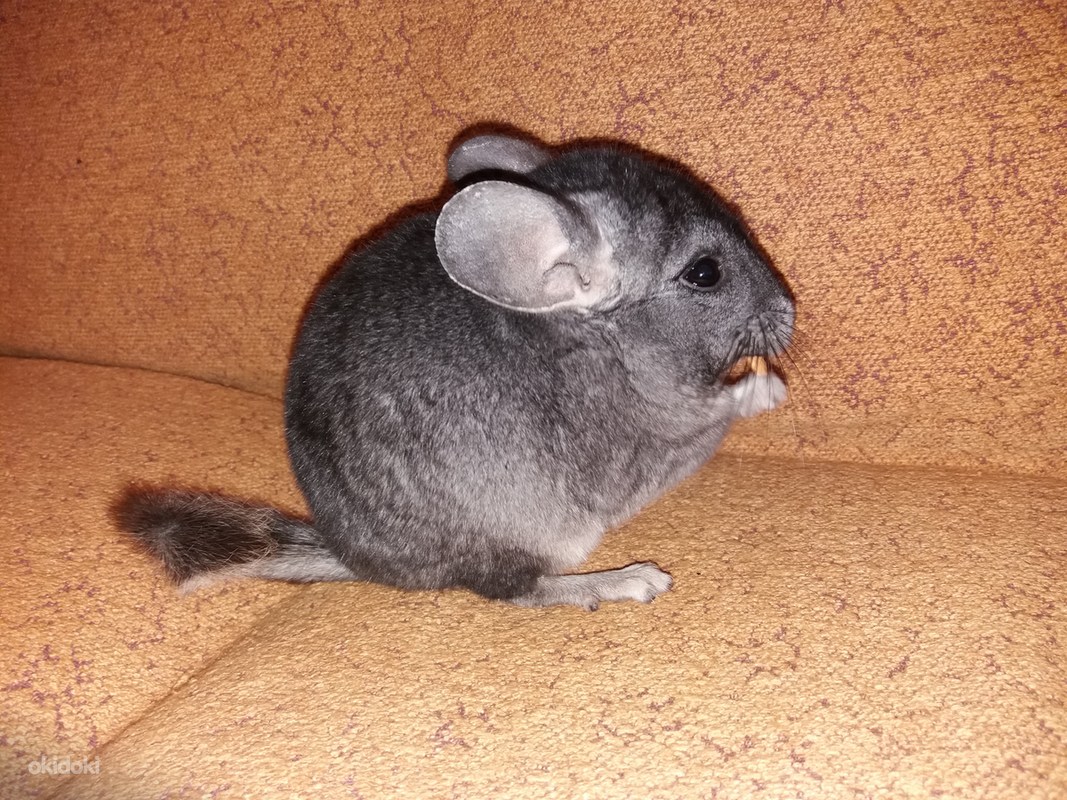
Chinchilla Heteroebony is cute and calm
They are most popular as pets. They have a striking appearance and a calm nature.
Distinguishing feature: fur with varying combinations of gray and black. If any chinchilla's coat lacks white, it's a safe bet that the animal carries the ebony gene.
Homoeboni
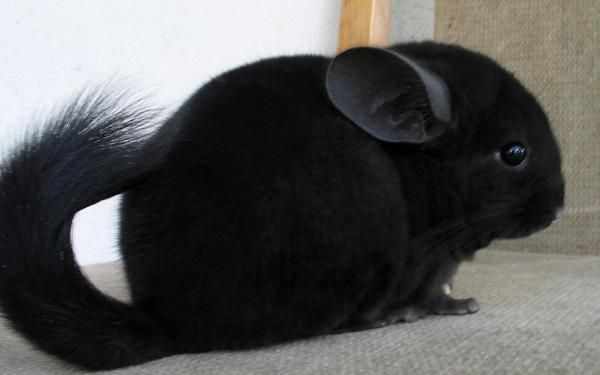
Homoebony is a spectacular black chinchilla
Developed in 1964 in Texas, their genotype contains only the ebony gene, resulting in exclusively black fur. They are more difficult to breed, reaching sexual maturity later than other chinchilla varieties. Characteristics:
- smaller body size;
- The dominant color in the coat is black.
Velvet ebony
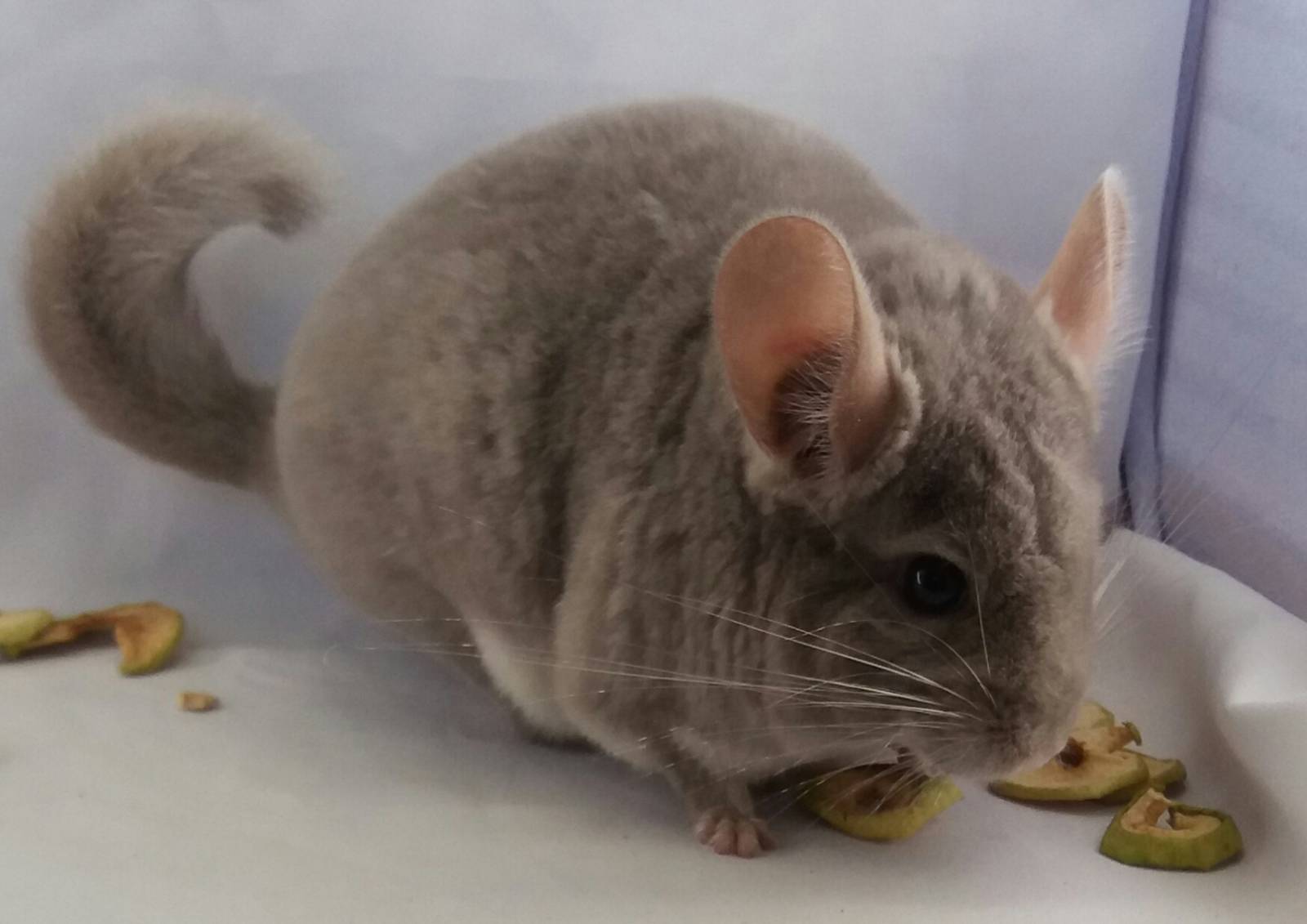
The appearance of velvet ebony reflects its name
Hybrids of black velvet and ebony, with the standard chinchilla gene present in the genotype. Characteristic features:
- black belly color;
- dark mask on the head and back;
- the fur on the sides is lighter;
- pronounced shine of the coat.
Pastel (hetero-ebony beige)
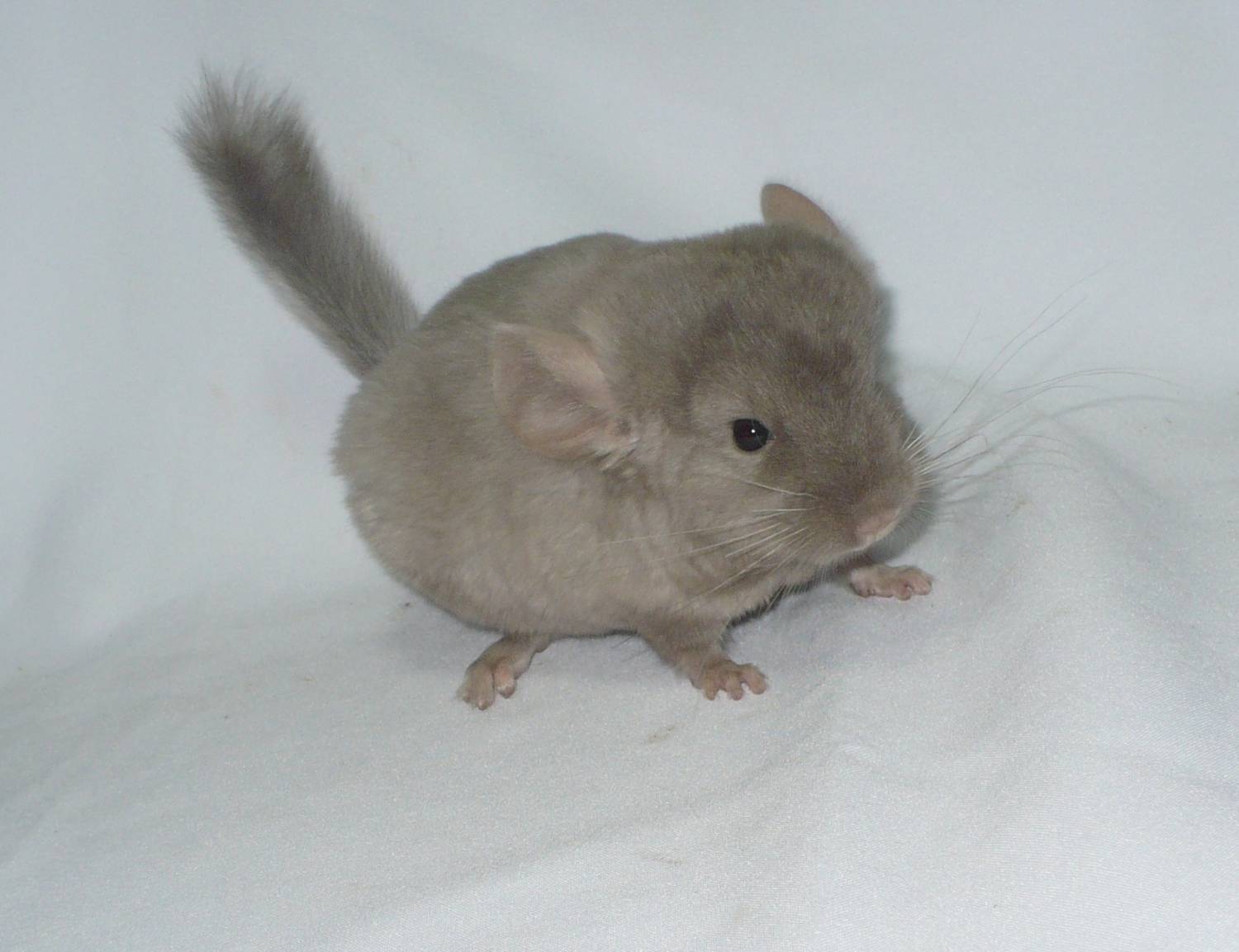
Charming beige hetero ebony
Obtained by crossing ebony and beige chinchillas, the genotype contains the standard gene. Characteristic features:
- the same color of the belly and back;
- the sides are lighter;
- Partial coloration of the abdomen with lighter genitals is possible.
Velvet pastel
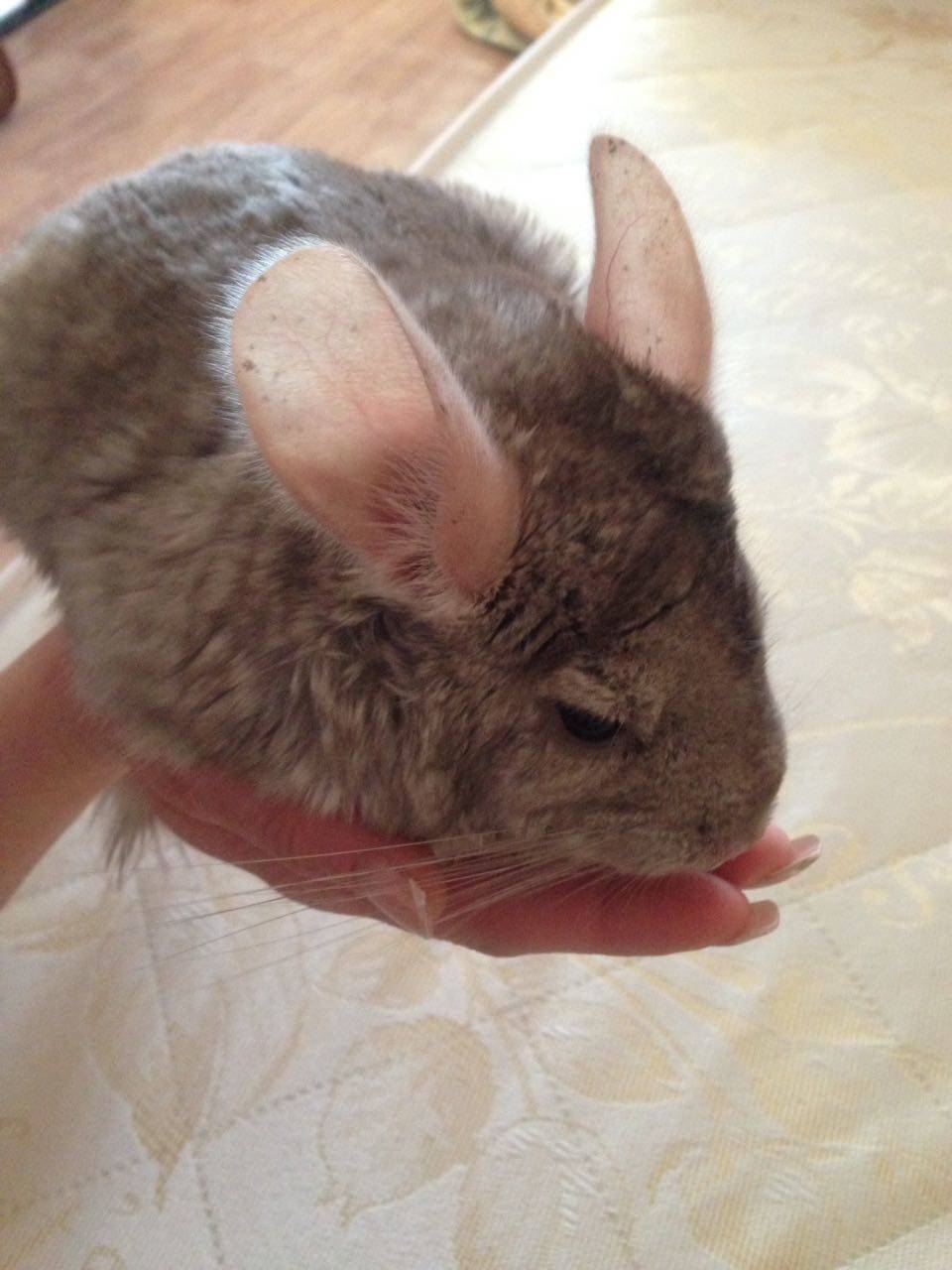
Wonderful Velvet Pastel
A hybrid whose genotype contains the genes for velvet, beige, standard, and ebony. Characteristic features:
- chocolate coat color;
- pink or cream ears;
- belly and back are the same color;
- Eye color is pink, ruby or with a reddish tint.
Popular hybrids for home keeping:
- charcoal-colored chinchillas with black ears and eyes;
- purple with pink-purple fur;
- velvet violet, with dark lilac fur;
- sapphire, with gray fur with a pronounced blue tint.
Pros and cons of content
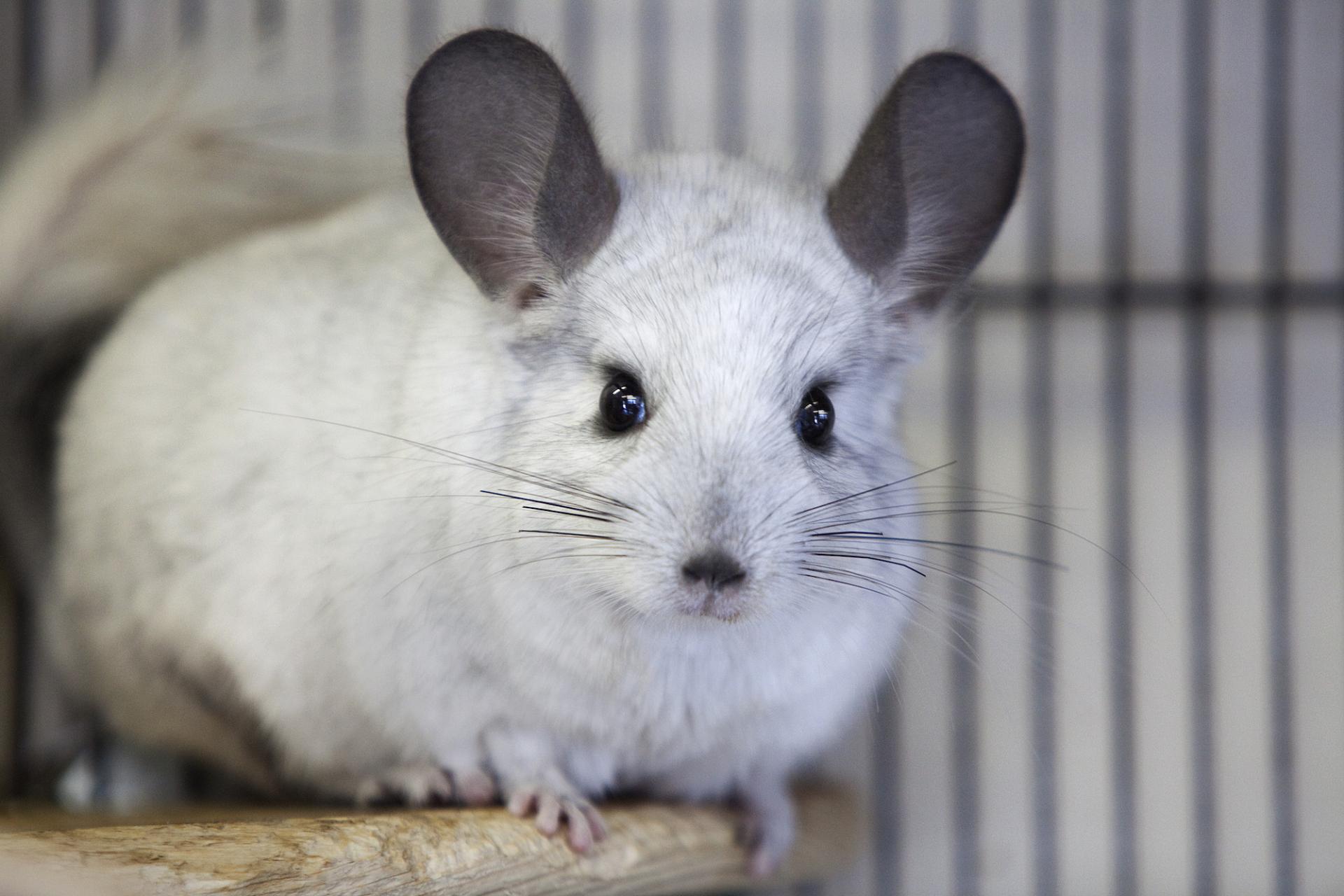
Taming a chinchilla is not an easy task.
Before you get a chinchilla, you need to understand that it is a wild animal that is difficult to tame.But simply watching them is also a joy. These animals are distinguished by their agility and good jumping ability. They are quite shy, which requires gradual acclimation to their owner's presence.
It's not recommended to let a chinchilla outside unless a designated area has been prepared in advance. They can easily climb onto objects located at window sill level and above, and slip into any crack.
These charming animals can exhibit a variety of personality traits, including docility, cunning, and persistence. On average, chinchillas live up to 20 years in the wild.
Pros of content:
- absence of odor in animal urine and excrement;
- the opportunity to tame an animal and teach it simple tricks;
- the absence of sweat glands in chinchillas, due to which their fur is always clean and odorless;
- rapid reproduction, which makes it possible to make a profit from the sale of offspring;
- unpretentiousness in food and maintenance;
- the pleasure of communicating with and observing the animal.
Cons:
- nocturnal animals, and at appropriate times begin to show activity, which can interfere with the owners’ rest;
- Like any rodent, they try to bite into any object they come across;
- the need to maintain a stable temperature in the room with the enclosure, since changes in temperature can make the animal sick;
- don't like to be in people's arms;
- They are curious and when out for a walk they strive to explore the entire area.
Care and maintenance at home
Keeping a chinchilla is as easy as keeping a pet rat.Caring for these rodents has much in common. But they also have their own unique characteristics.
What to feed
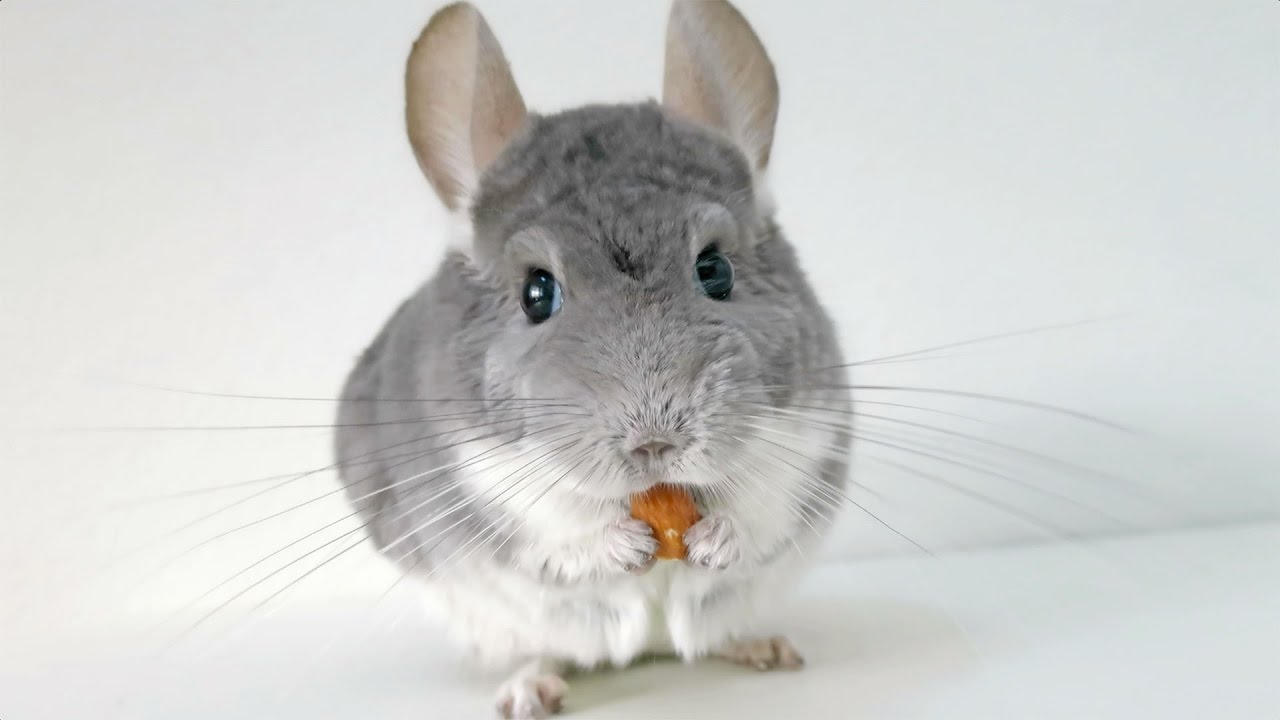
The chinchilla is not averse to snacking on a nut or a bean.
These furry creatures are herbivores, which determines their diet. It should include plant-based foods. The best food for chinchillas:
- cereals;
- legumes;
- cacti;
- bark of shrubs and trees;
- moss;
- fruits.
Healthy vegetables include tomatoes, cucumbers, pumpkin, and carrots. Fresh greens can also be given. In commercial farming, hay is often the mainstay of the diet. At home, feed a bunch of hay and 1 tablespoon of grain mix daily. Vegetables, fruits, and greens are also added. The optimal grain mix composition is:
- oats (5 parts);
- wheat (2);
- sunflower seeds (1);
- flax seed (1);
- Hercules (2);
- peas (2);
- buckwheat (1);
- millet (1).
Hygiene and bathing
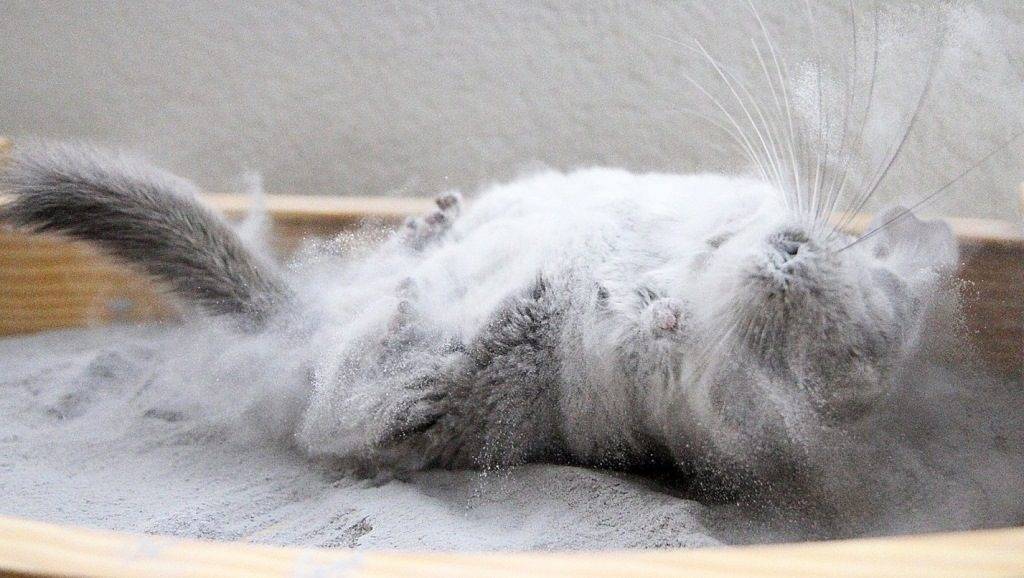
Bathing the animal in the sand will replace a bath for it.
Chinchillas are clean animals, keeping their fur clean. However, they still require bathing. Water is not used for this, as there is a high risk of the animal catching a cold. Chinchillas need sand baths..
Place a container in the cage large enough for the pet to fit completely, with some space to spare. Fill it halfway with clean sand. If a bathtub isn't available in the enclosure, set one up nearby, and perform hygiene procedures during walks. Special loose materials, available at pet stores, can be used instead of sand.
Diseases and treatment
Like any other pet, chinchillas suffer from a wide range of illnesses and ailments. The most common ones kept indoors are:
- constipation;
- diarrhea;
- conjunctivitis;
- keratitis;
- catarrh of the nose;
- otitis;
- runny nose;
- Respiratory diseases: bronchopneumonia, pulmonary hyperemia.
Developmental defects are possible. The most common are malocclusions or tooth discoloration. If the animals' living conditions are not met correctly, their behavior may change, and hair-chewing may develop. This can lead to skin damage and bald spots. The animal may chew not only its own fur but also that of its enclosure mates.
Alopecia, accompanied by hair loss, may develop. The most common parasitic diseases are ringworm and ectoparasites.
Vaccinations for chinchillas are not required.
Selecting a cage and accessories
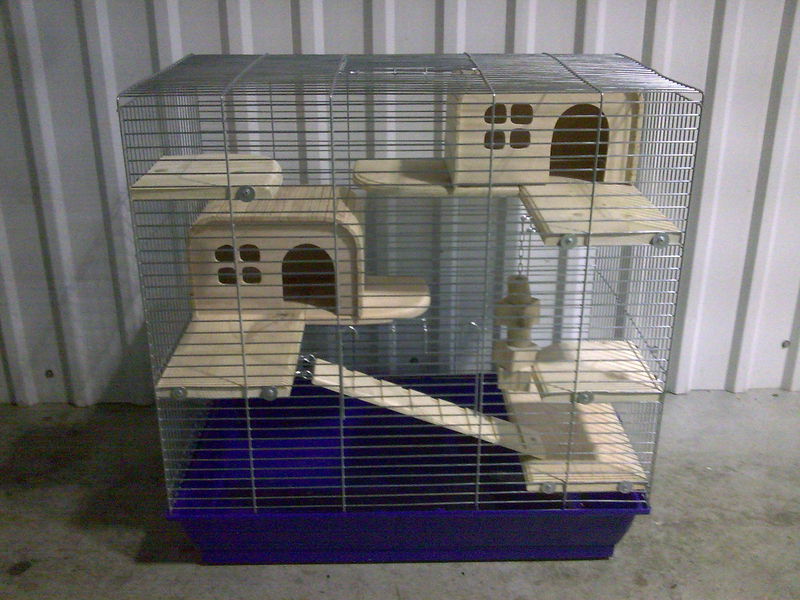
A chinchilla should have a cozy and interesting corner.
Chinchillas are kept in cages with metal bars that the animal cannot chew through.For one animal, a house measuring 70x70x50 cm is sufficient; for two, a more spacious room: 90x50x40 cm.
The optimal distance between cage bars is 20 mm. This will prevent your pet from sticking its head through the crack and injuring itself.
Chinchilla housing is designed according to rodent house requirements. The cage should contain:
- drinking bowl;
- feeder;
- mineral stone for grinding teeth;
- nest for sleeping.
The cage should be placed in a location protected from drafts and direct sunlight, away from heating devices. The water bowl should be refreshed daily. The feeder should always be full. Sawdust or special moisture-absorbing granules should be used as bedding. The cage should be cleaned every 2-3 days.
To keep your pet entertained, the house is equipped with play accessories. A must-have is shelves suspended at different levels. The chinchilla will jump on them, fulfilling its natural need for movement. A sleep house with multiple entrances is an excellent choice. The chinchilla will play in it like a maze. If space allows, a wheel and various tunnels are also included.
Breeding chinchillas
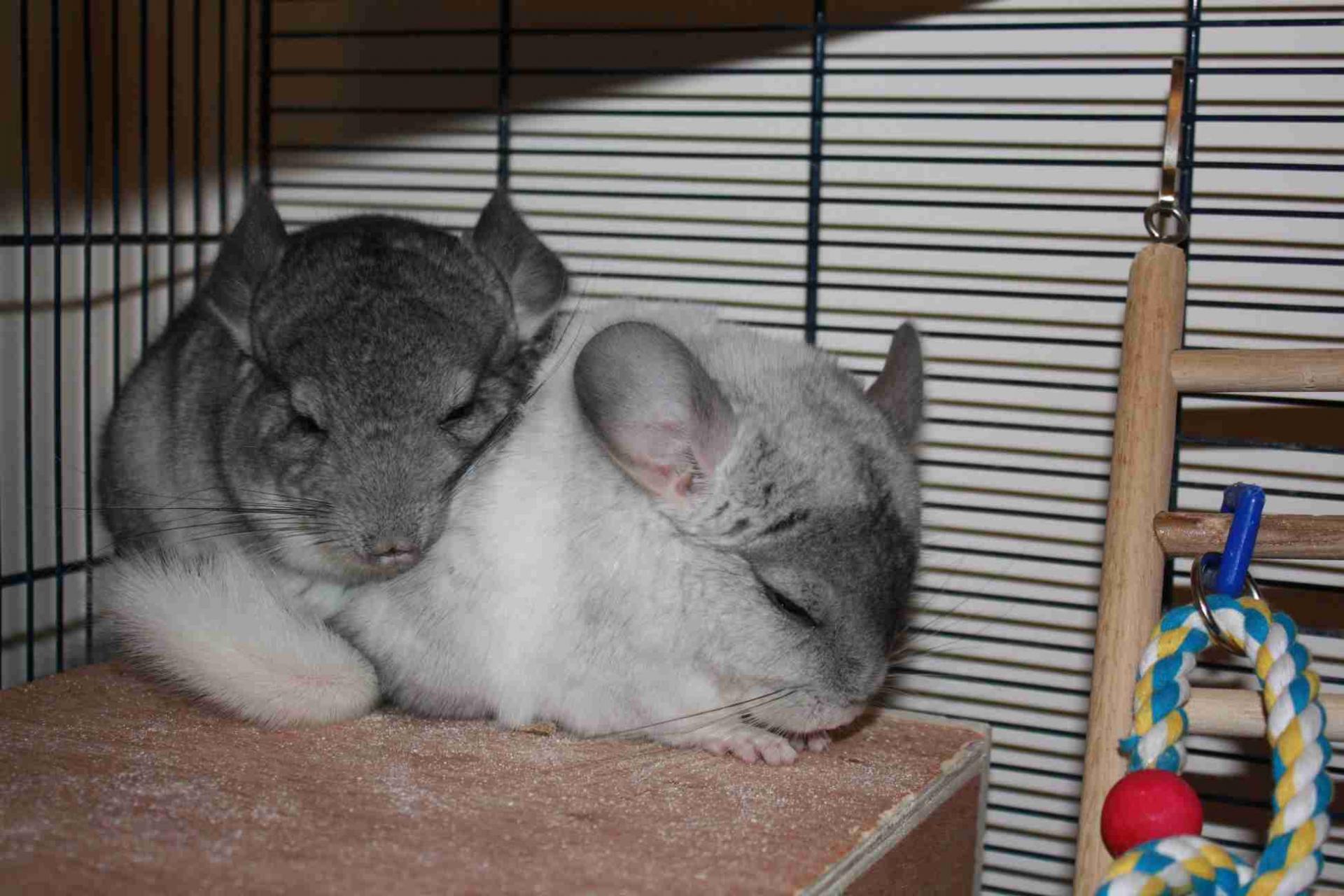
A harmonious family of chinchillas
To obtain offspring, it's sufficient to keep the animals in pairs. This approach to breeding chinchillas is simpler, as it doesn't require monitoring the onset of heat. If a male is over 1.5 years old, two or three females can be introduced to him. This breeding method is called "monogamous."
Polygamy involves keeping the birds in families. In this case, there is one male to four females. This is the optimal method for producing offspring for large flocks. A rotational method is also possible, in which a female is placed with a male, and after she is fertilized, she is moved to a cage for further gestation and birth.
How to determine the sex of an animal
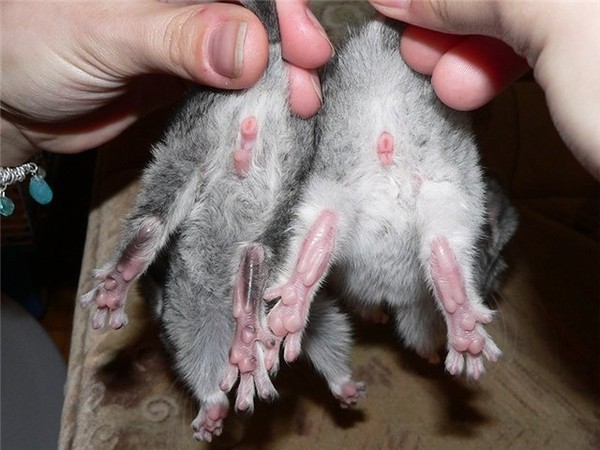
It's easy to determine the sex of chinchillas, just look at their genitals.
A visual inspection of the genitals will help you make this determination with 100% accuracy. At first glance, they are indistinguishable in males and females, looking like a small, hairless pea. The distance from the genitals to the anus is an indicator of sex. In males, this distance can reach 4 mm, while in females, it rarely exceeds 1 mm.
Knitting
PChinchillas reach maturity at the age of 6 months for females and 7 months for males.Mating occurs during estrus. To determine if the female is in heat, look under her tail daily. Clear or whitish discharge should be visible on the sac.
You can't just put two chinchillas in a cage. Chinchillas have strong personalities and may not accept a partner. Therefore, the pets are first introduced to each other by placing the cages next to each other. Mating occurs at night.
Chinchilla breeders claim that these animals are capable of love. Members of different families may refuse to mate because they prefer other partners.
Chinchillas go into heat from November to May. This period is the most favorable for producing offspring.
Pregnancy
Signs of pregnancy are traditional:
- absence of estrus;
- swelling of the nipples;
- rounding of the abdomen;
- weight gain.
The average gestation period is 106–114 days. Two to three weeks before giving birth, the female's behavior changes: she becomes timid and seeks solitude. Aggression toward the male is possible. It is recommended to place the female in a separate cage.
How to care for newborn chinchillas
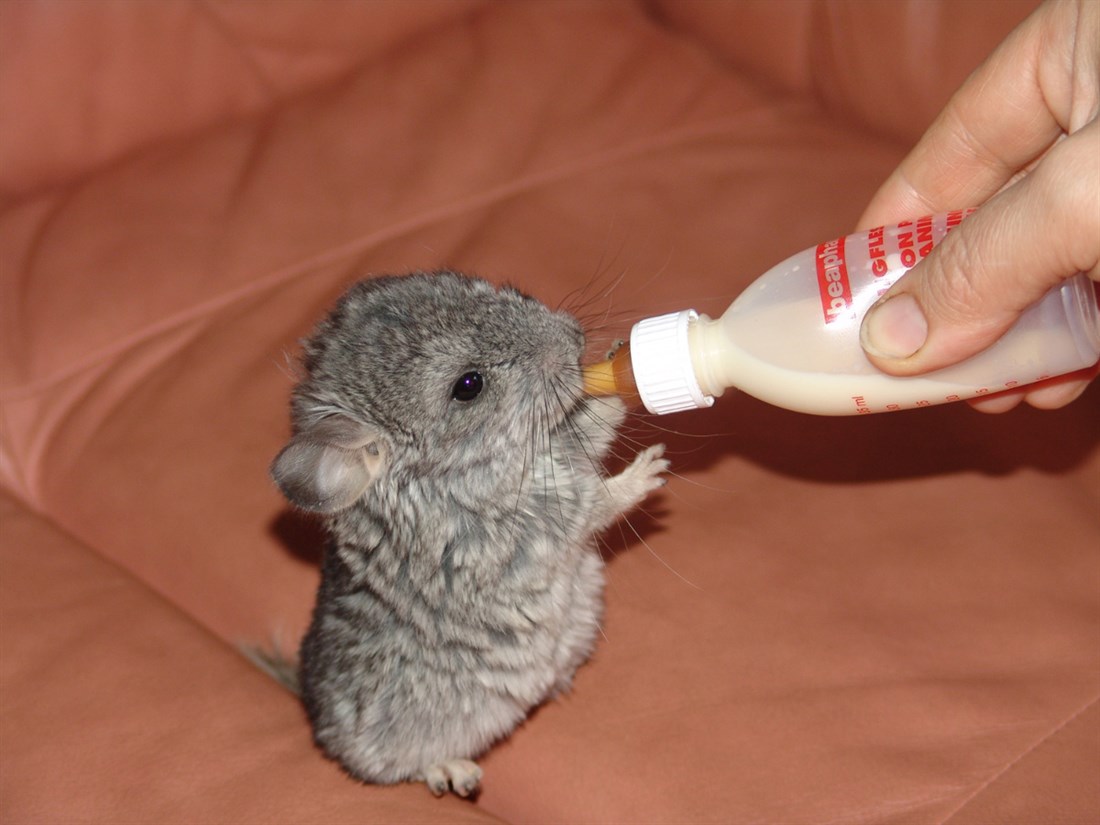
At first, try not to pick up the babies.
Chinchillas' offspring are puppies. The mother takes good care of them, rarely leaving the nest during the first few days. Newborn puppies should not be touched, as the mother may smell a foreign odor and eat them.Two to three days after birth, young chinchillas begin to run around the cage and can squeeze through the bars. The lower part of the walls should be covered with partitions.
If the litter is large, the mother may not have enough milk. In this case, the puppies need to be fed supplemental formula for newborns. Supplemental feeding begins with 1 ml and gradually increases to 5 ml. After this, the animals are gradually transitioned to an adult diet.
Training and playing with your pet
Experience with chinchilla breeding shows that they are not trainable. The most you can achieve with a pet is to get it used to a litter box and to its name.
What to call it
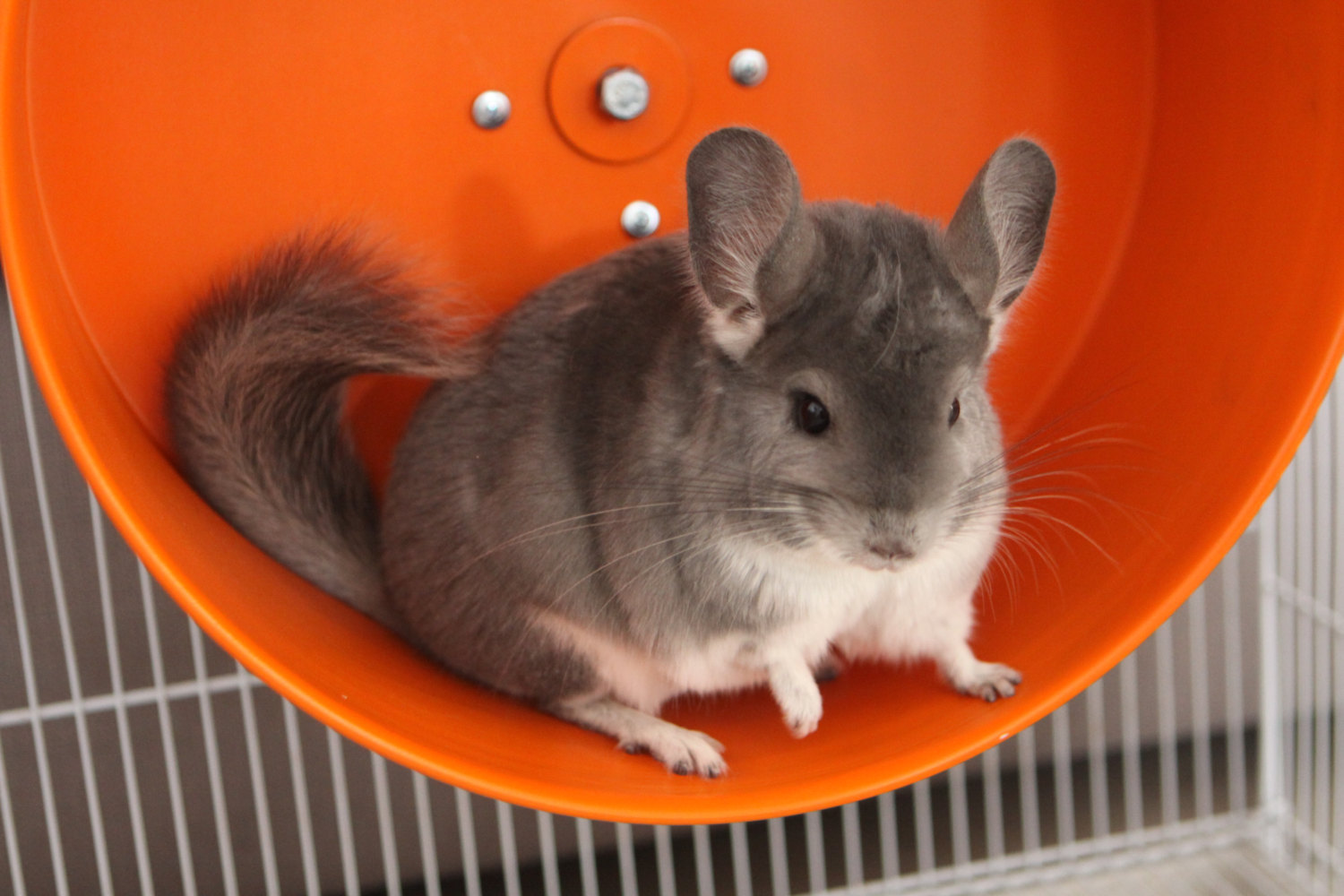
Your pet's appearance will help you choose a name for it.
Chinchilla lovers have a common affectionate name for these animals: Shunya or Shunka. Most often, the choice of name is based on the animal's appearance: fur color, spot placement, and tail length. Popular names:
- Coal;
- Shadow;
- Smoke;
- Black;
- Marshmallow;
- Jasmine;
- Snezhanna;
- Samson;
- Bunny.
Keeping and breeding chinchillas at home is neither difficult nor expensive. It will bring you many joyful moments of interaction with the animals and profit from selling the offspring.