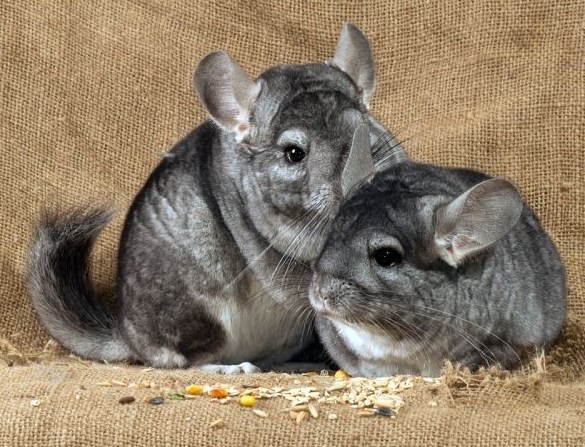
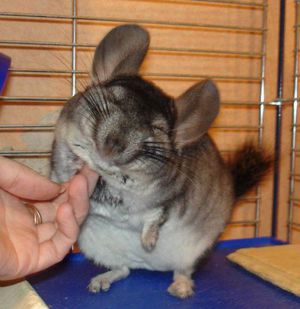
 Chinchillas have deservedly gained popularity as pets. This is not surprising, as this little creature's appearance, with its sparkling beady eyes and large, fluffy tail, is sure to leave no one indifferent.
The chinchilla is a rodent native to South America. They primarily inhabit the dry, rocky slopes of the Andes in Chile, Argentina, and Peru.
Natural shelters for these animals include rock crevices, grottoes, and caves. However, if these aren't available, the rodent can dig a burrow in soft soil. These crepuscular animals have well-developed senses and the ability to see in the dark. Their skeleton has the interesting property of being vertically compressed, allowing them to easily squeeze into the narrowest and most inaccessible spaces. A well-developed cerebellum provides these animals with precise motor coordination, allowing them to leap effortlessly across mountains.
Appearance
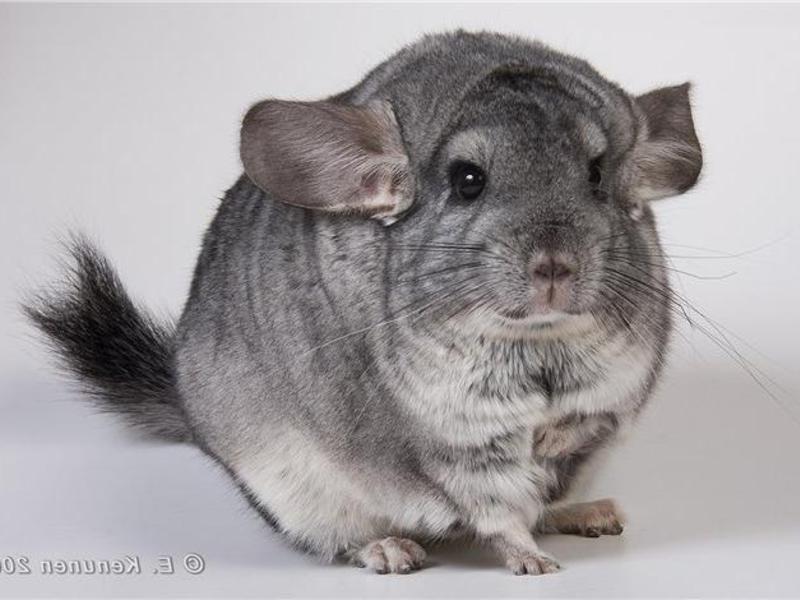
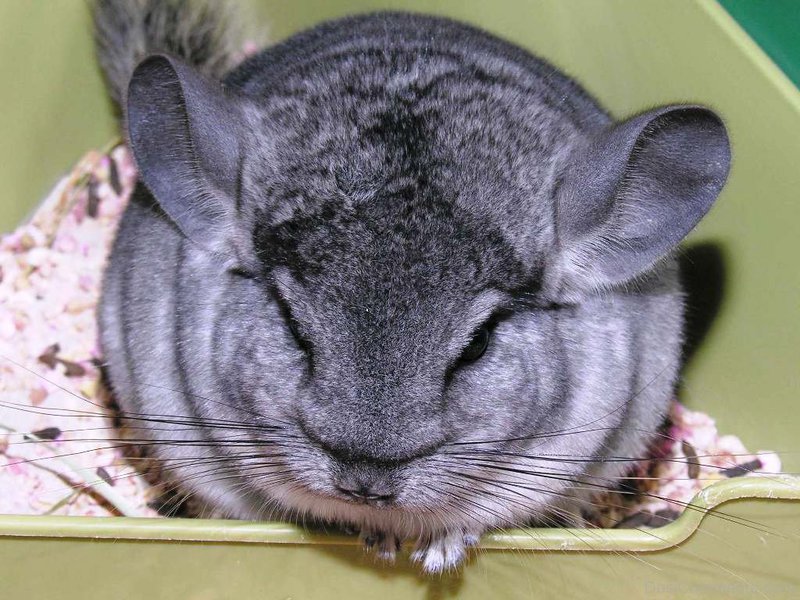
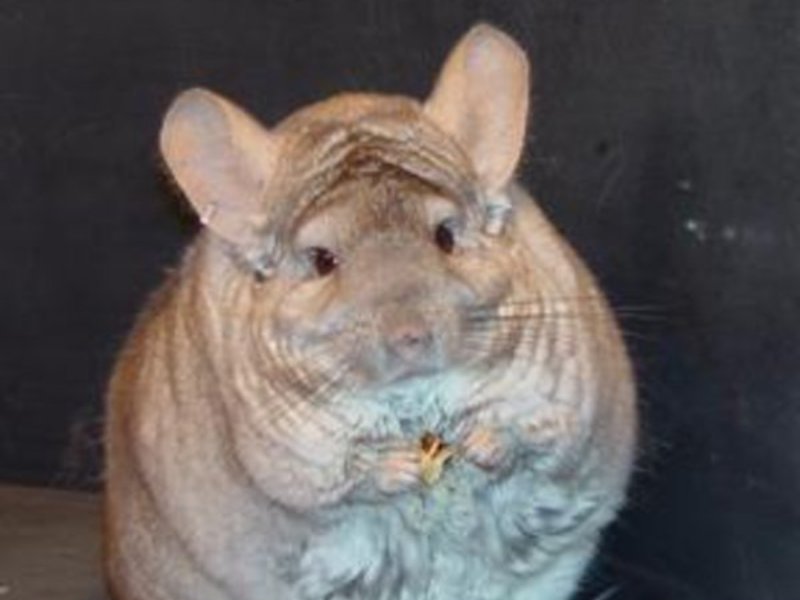
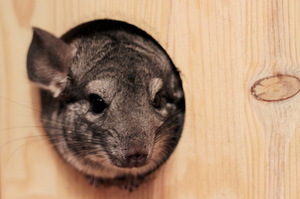
 Chinchilla - a very active animal, with expressive, shiny eyes, a large, fluffy tail and long whiskers that allow it to navigate well in the dark.
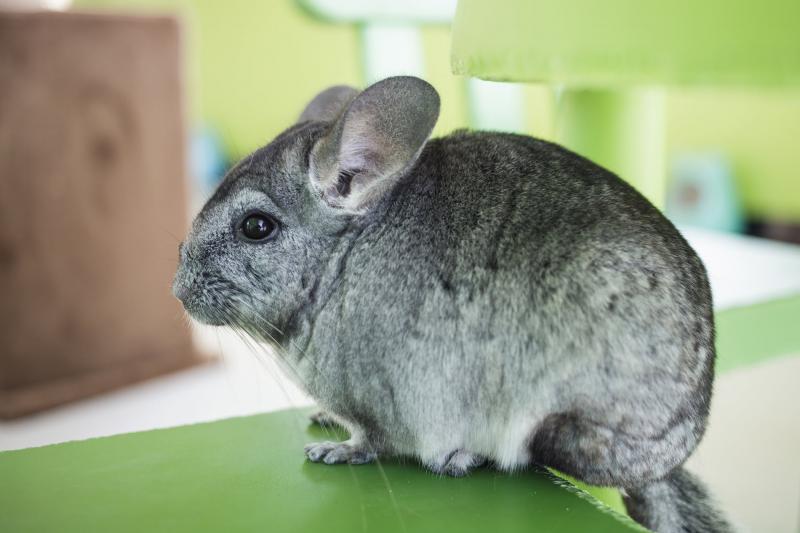
Their thick fur protects them from sudden temperature fluctuations; a single hair follicle can produce up to 60 hairs at a time. A chinchilla's body length ranges from 23 to 40 cm. Their whiskers can be up to 10 cm long. Males weigh 370-500 grams on average, while females weigh 380-450 grams. Their forelimbs have five toes, which serve as grasping fingers. This makes their paws resemble small hands. Their hind limbs have four toes, which are significantly longer than the front ones. The photo shows a wild chinchilla.
These animals live in the wild colonies of several dozen individualsThe fur of these rodents quickly becomes wet in water, so they avoid it. Chinchillas clean their luxurious fur in volcanic ash and sand. They feed on mountain plants, bark, moss, and lichen.
Reproduction
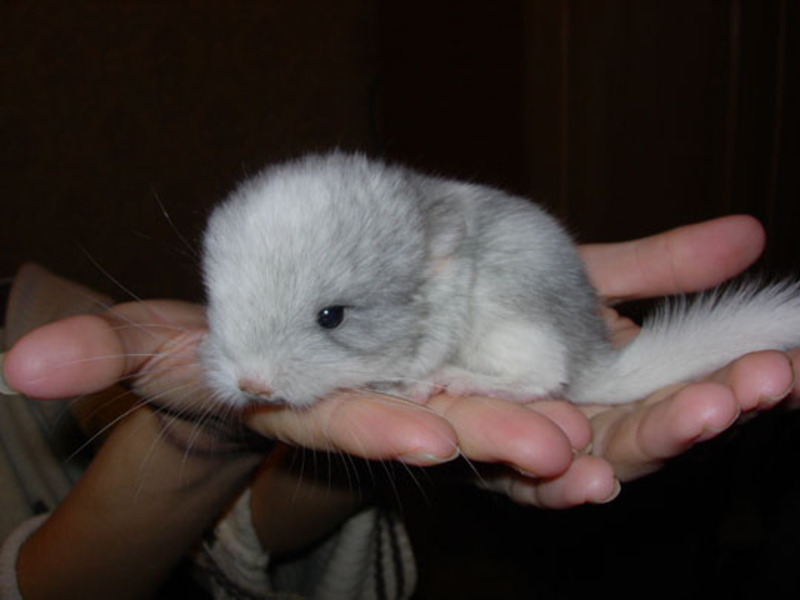
Chinchillas reach sexual maturity at six months of age. Gestation lasts three to three and a half months, with 2-5 cubs born at a time. Newborns are sighted, have teeth, and have a coat of fur. At two months of age, young chinchillas are able to begin their own lives. Pictured is a female nursing her cub.
The fate of these animals is often quite tragic and their luxurious fur coatPeople hunt chinchillas in large numbers for fur, and there aren't many left in the wild. Therefore, these rodents have recently been protected by law.
Maintenance and care at home
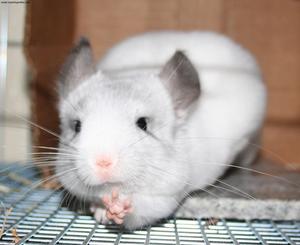 The small long-tailed (coastal) chinchilla has become widespread for keeping at home.
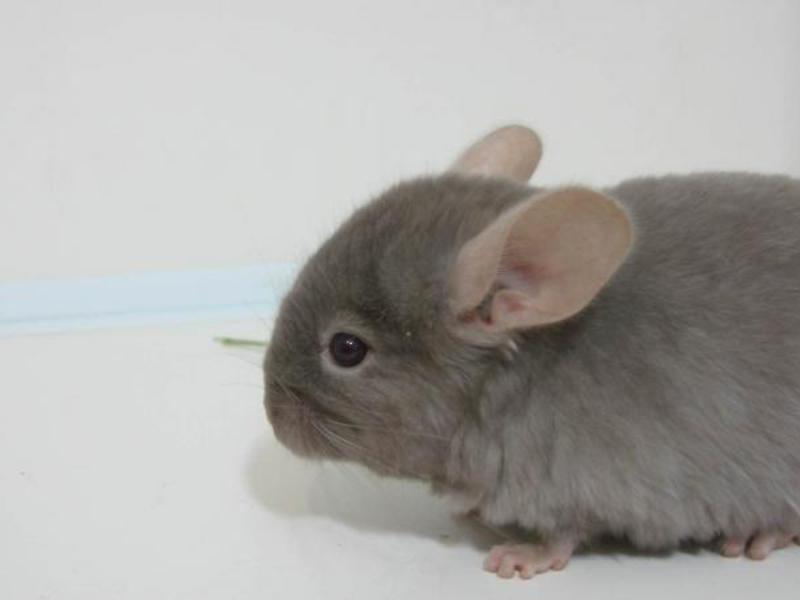
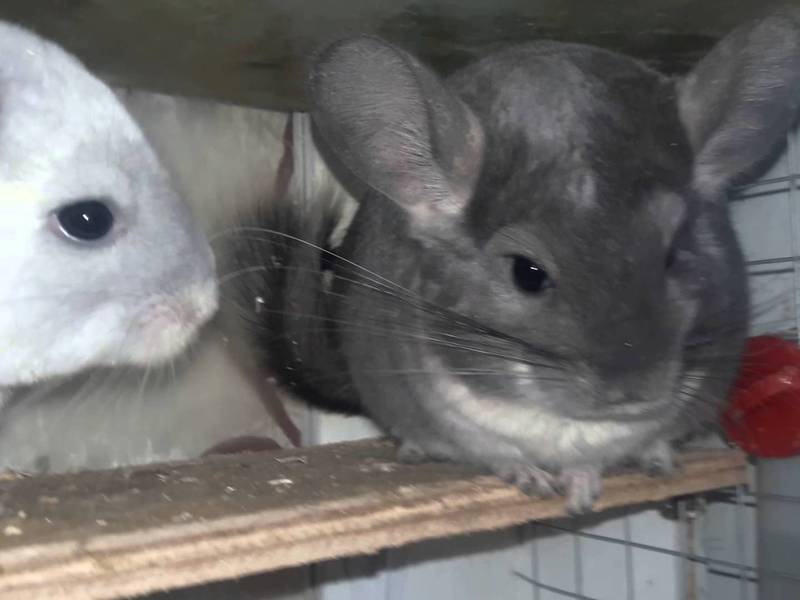
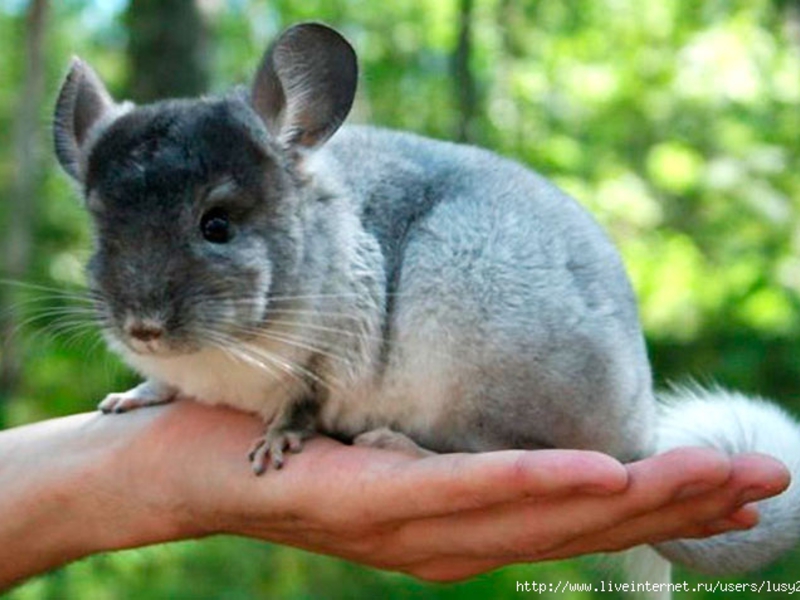
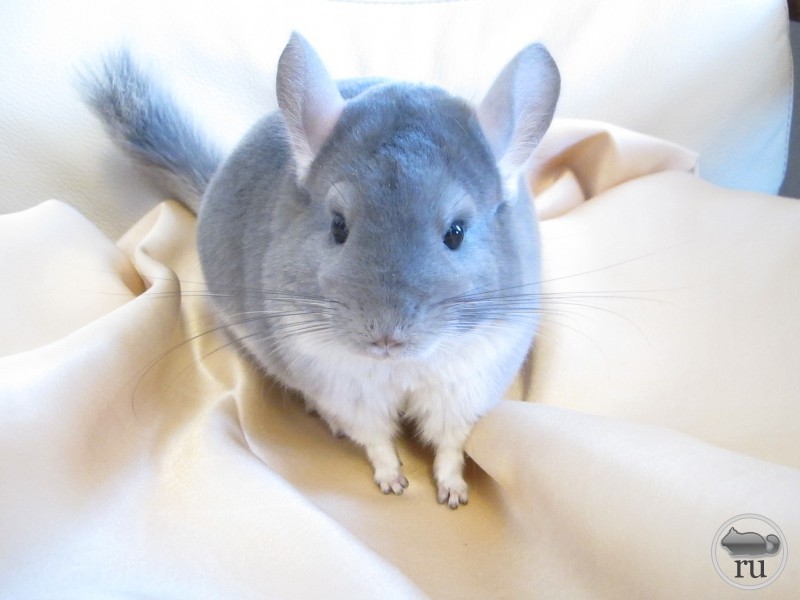
The basic "standard" coloration is a light gray or gray-blue body and a white belly. The color varies from darker to lighter, depending on the intensity of the pigment.
In artificial conditions of genetics The following color options were released:
- white velvet
- black velvet
- variations of beige
- variations of brown color
But the most popular animals are those of standard color.
A chinchilla requires a cage, and choosing one should be done carefully. It should be spacious, 60 x 80 cm and at least 50 cm high, and made of wire mesh. The distance between the bars should not exceed 1.7 x 1.7 cm. The bottom of the cage should have a tray, preferably made of easily removable plastic. The cage bars should be free of dyes, as chinchillas constantly chew on them.
The cage should be equipped with shelves for the animals to rest on, and it is best if there is a cage on one of these shelves. plywood house, where the animal can find shelter. For decoration, you can place a piece of driftwood that will look nice in the yard. For entertainment, you can hang a hammock or a ladder.
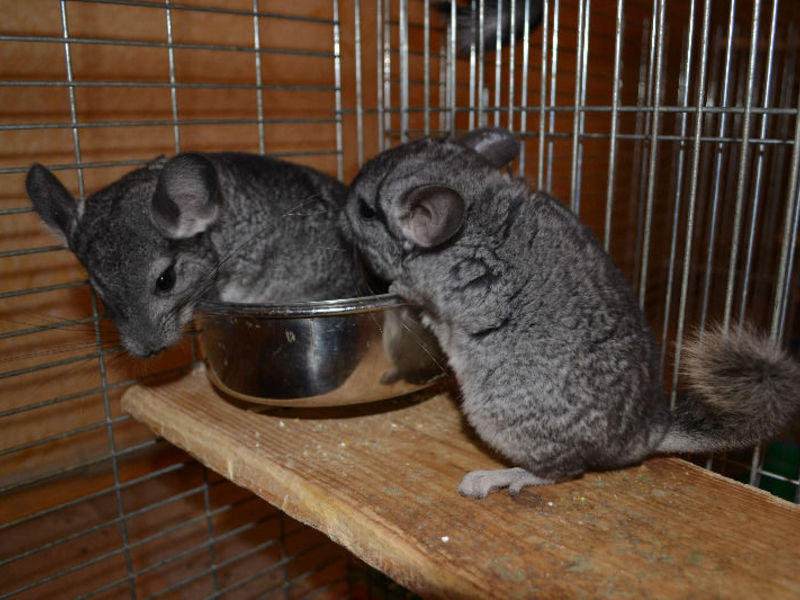
At a pet store, you should purchase a special water bottle and feeder that will attach to the side of the cage. If you simply place the feeder on the bottom of the cage, your chinchilla will constantly knock it over and may even use it to relieve itself. Since chinchillas need hay in their diet, you'll also need a special device to place it in the cage.
 A special bathing tub, available at a pet store, is a must-have in the animal's cage. However, since it's open, sand will fly everywhere when bathing the chinchilla. Therefore, a regular three-liter bottle, placed on its side so the pet can easily climb in and out, is very convenient. Cialite, crushed into dust, is poured into the tub. volcanic stone, sold in pet stores.
A hard rock or salt lick is essential in the cage to help the chinchilla wear down its teeth. The photo shows a suggested cage setup.
The pet's room should be kept at a temperature of 18-23 degrees Celsius, with humidity of 50-70%. Drafts are strictly avoided! While the rays of the rising and setting sun are beneficial for chinchillas, direct sunlight should be avoided in the cage.
These animals sleep in the morning and afternoon, becoming awake in the evening. It's best not to disturb them while they're sleeping. They're very timid, so there should be no loud noises, pops, or flashing lights near the cage. This could literally frighten the animal to death!
Feeding chinchillas
These animals are not picky eaters, however, for their health and well-being, their diet should be varied and balanced.
It is best to give food to animals in the evening, because They are not active during the daytime..
 The feeder is filled with grain food for chinchillas, sold in pet stores.
- Fresh hay and drinking water in the drinking bowl are essential
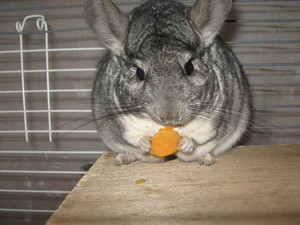
- Pets can be given dried fruits: dried apricots, apples, raisins, pears, barberries, and prunes. Sometimes they enjoy carrots.
- Chinchillas love greens—lettuce, clover, and dandelion leaves. Before feeding them, be sure to rinse them under running water.
- A chinchilla's diet should include unroasted nuts (walnuts, peanuts, hazelnuts, cashews, but not almonds), which are a rich source of nutrients and minerals. Don't overindulge in these treats, as they are very high in calories.
 The feeder is filled with grain food for chinchillas, sold in pet stores.
Subject to compliance all rules of care and maintenance, the chinchilla will be healthy and cheerful and will give you only positive emotions.