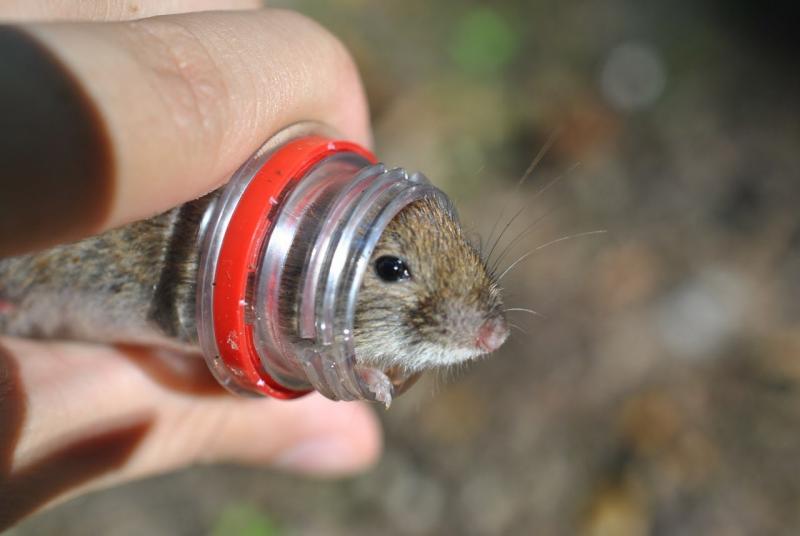
Japanese mice (also known as dwarf bamboo mice) are unusual miniature pets that adapt easily to new homes, quickly becoming tame, and bonding with their owners. This article will explore all the characteristics of this breed, including their living conditions, feeding, and care.
Breed characteristics
The Japanese mouse is a selectively bred, miniature rodent native to Southeast Asia; a variety of house mouse. In the wild, these mice inhabit forest edges and tend to stay close to human habitation, especially in the fall.
In Japan, they were used as food for snakes and also for medical experiments; this is where the mice got their name.
The dwarf bamboo mouse looks like this:
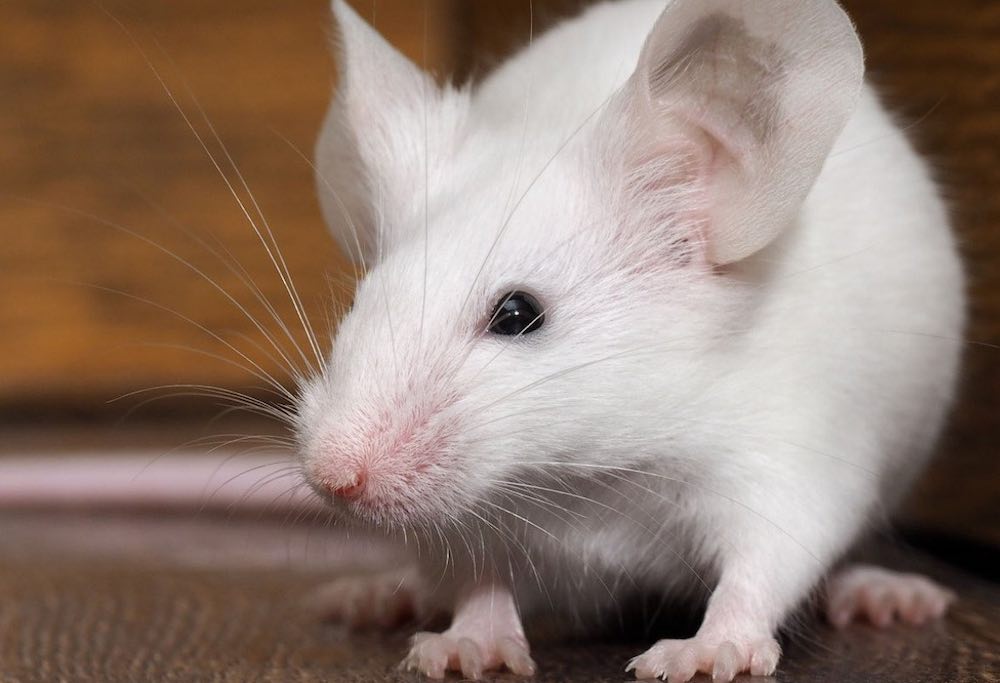
- The body length does not exceed 6 cm, and the weight is only 6-7 grams, but the tail can reach 3.5 centimeters in length.
- The animal's muzzle has an elongated shape.
- The eyes are small and dark, like beads, the nose has a pink tip.
- The ears are large and rounded; the neck is short.
- There are five toes on each paw.
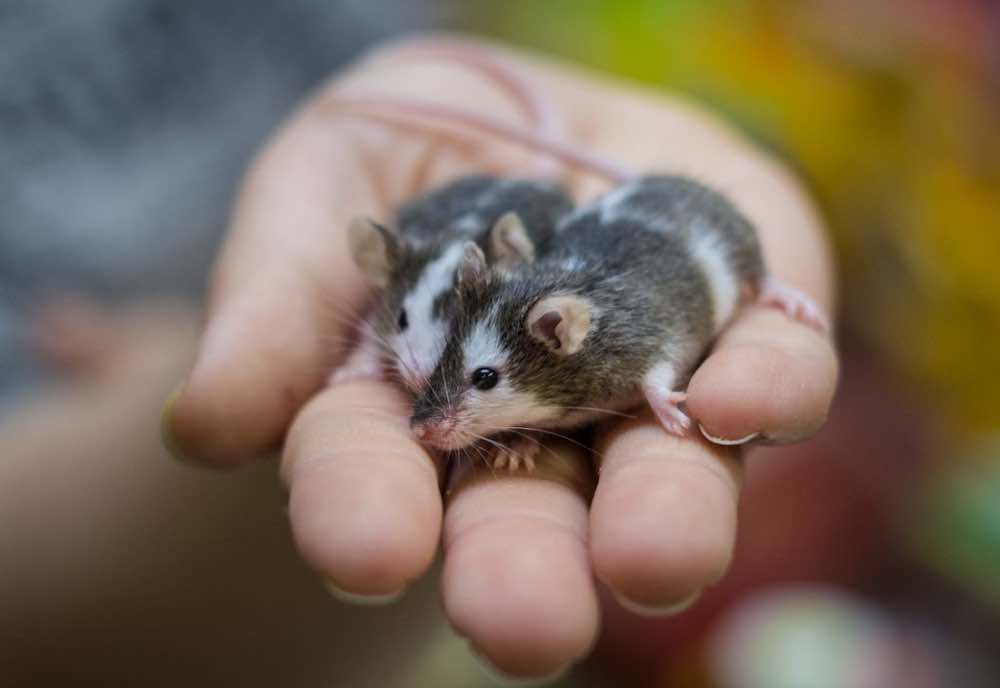
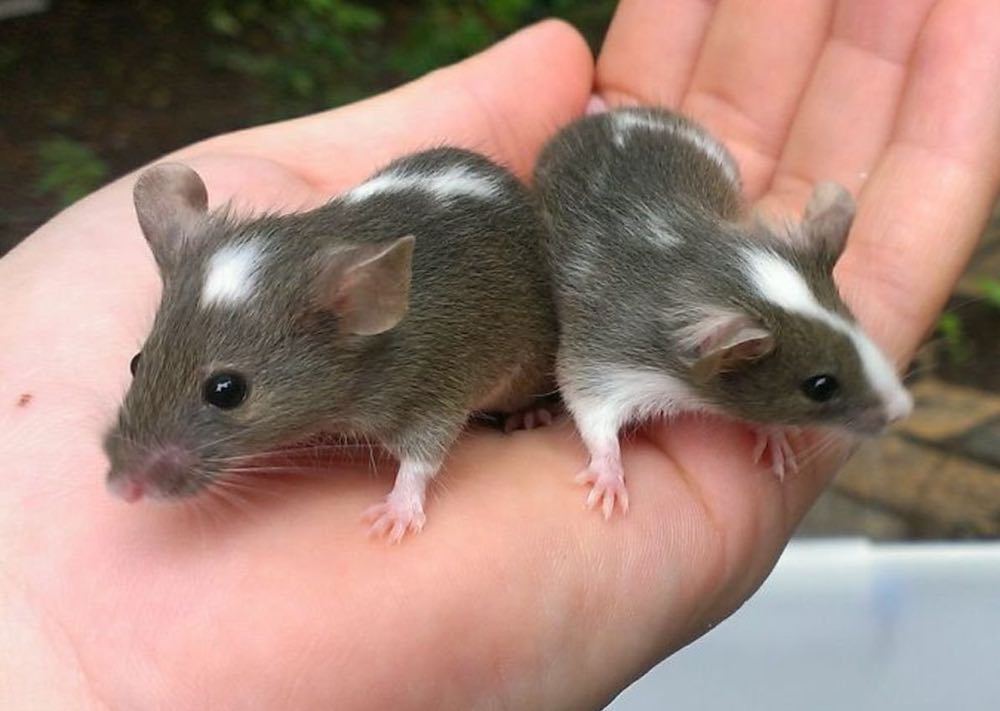
- The animal has short, soft fur. Japanese mice are distinguished by their spotted pattern: gray, red, or black spots on the animal's white fur.
Mice have a slight natural odor, but the animal is very clean: it regularly cleans its fur and bathes in sand.
Despite their tiny size, Japanese mice are active animals. They are known to jump along the walls of their cage, spin around in place for long periods, hang from bars, spin in a wheel, or rummage through their food supply. These mice are nocturnal: they sleep during the day and are awake at night, during which time the animal will never sit still and will constantly approach its food bowl to feed. They are always fascinating to watch.
The pet often moves in a zigzag pattern, giving the impression of dancing. This behavior indicates damage to the inner ear or a problem with the pituitary gland.
Japanese mouse: features of maintenance
These animals easily adapt to people. They are empathetic and easily detect all emotional changes, and express their reactions through sounds. Mice are not aggressive, so they are suitable even for families with children. It is advisable to keep these pets in pairs; if left alone, the animal will become bored.
You can start:
- female with male;
- two female individuals;
- male with 2-3 females.
Read also, How to stop a rat from biting.
Setting up a terrarium for a family of mice
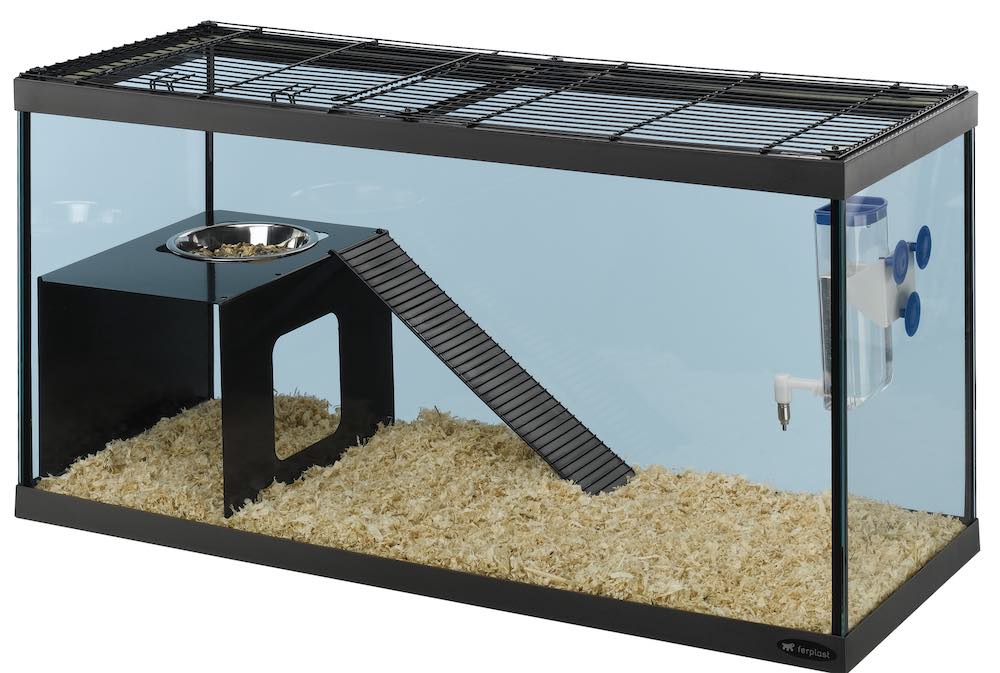
Typically, a compact plastic terrarium (approximately 40-45 cm long, 30-35 cm wide, and 22-25 cm high) is sufficient for two mice. Rodents of the mouse family can be kept in a cage as long as the bars are spaced at least 5 mm apart. A solid tray at least 4 cm high is essential.
The optimal temperature for Japanese mice is 20-22°C. It's important to choose a location away from direct sunlight and drafts. Humidity should be between 55-65%.
The terrarium should contain:
Equipment for your pet's active leisure:
- ball/wheel, shelves and ladders;
- chalk (for grinding down teeth);
- a house or any shelter that the mouse can use as a nest or burrow: this could be part of a flower pot or even a coconut shell;
- branches (any fruit tree will do).
The bottom is covered with corn cobs or medium-grain sawdust, with a little baking soda added to the mixture. It will absorb odors. This bedding should be changed weekly.
You can use an automatic waterer or place a regular bowl of water inside.
kov.
Nutrition and care of rodents
Rodents are fed once a day; it is very important not to overfeed them. The staple diet of Japanese mice consists of whole grains of oats, corn, millet, and seeds: no more than a teaspoon per mouse per day.

You can add fresh apples, carrots, broccoli, zucchini, beets, and other vegetables/fruits to their diet, as well as lettuce, burdock, dandelion, and other greens. However, avoid cabbage, as it can cause gastrointestinal problems. Crackers are allowed no more than once a month.
At least once a week, pets should be given protein-rich foods: cottage cheese, egg whites, or cooked meat (pre-chopped). Vitamin supplements can be added to their diet, but be careful—an excess of vitamins can be harmful. Supplements are helpful if you don't include fresh fruits or vegetables in their diet, or if your pet appears unwell and lethargic.
Mice drink regular water; if you give them tap water, let it sit for several hours. The water bowl should be washed, thoroughly cleaned, and filled with fresh water at least every three days.
Read also about keeping ferrets.
Education and training
During the first few days of their stay in a new place, it's best to leave your pets alone to allow them to get used to the new surroundings. Taming begins by talking to the mouse several times a day. You can also stick your finger in the container or offer a seed as a treat.
Once the mouse starts accepting the treat, try to pick it up. Reach inside the mouse's enclosure and allow the mouse to crawl into your hand. If it's reluctant, don't force it; simply repeat the process over several days until it becomes cooperative.
Diseases
To ensure your mouse feels well, it is important to follow feeding guidelines and maintain the required temperature and humidity.
These animals share a hereditary disease, which arose from laboratory crossbreeding of related breeds: otitis media. Pets can also contract infectious or parasitic diseases.
The most common illnesses are pneumonia (infectious or chronic), pasteurellosis, listeriosis, bloat, tuberculosis, ringworm, conjunctivitis, and parasitic diseases. If you suspect illness, consult a veterinarian immediately.
How long does a Japanese mouse live at home?
In the natural environment, the Japanese mouse lives no more than one and a half years, and at home - up to 2 years.
Tips and nuances
Here are some nuances that Japanese mouse owners need to know:
- You can determine the sex of your pet when it's at least a week old. At this age, secondary sexual characteristics already appear: females have visible nipples arranged in two rows, while males have dark spots on the lower abdomen.
- Puberty occurs at 1 month. Gestation lasts 20 days, and the female typically gives birth to 6-7 pups. They feed on their mother's milk for the first 25 days; after this, they transition to adult food and can be kept separately.
- Mice are very fragile creatures; they can easily be injured if squeezed too tightly. If there are children in the house, explain this to them. It is not advisable to let a child under 5 or 6 years old handle a mouse.
- You shouldn't house 2-3 males together: most likely, they won't get along;
- It is better not to keep the cage in the bedroom; mice will disturb your sleep;
- Choose a running wheel with a solid design to prevent the mouse's tail from getting stuck between the bars;
- do not use softwood filler;
- the feeder should consist of two parts - for wet food and grain;
- the cage needs to be cleaned at least once a week, rinsing it with a soda solution;
- Mice themselves rarely need bathing, as they are very clean. However, if your pet gets dirty, simply wipe the fur with a damp cloth.
- Japanese mice are not prone to aggression. Theoretically, attacks and bites are only possible with pregnant females or untamed animals.
Japanese mice are miniature and easy-to-care-for pets, best kept in pairs or small groups of 3-4 (with no more than one male in the group). They are easy to care for and completely non-aggressive, making them suitable for almost anyone. These animals are also excellent at reading their owner's mood, making them reliable and loyal companions.
Read also about the flying squirrel.